Layout & composition · Axis & balance
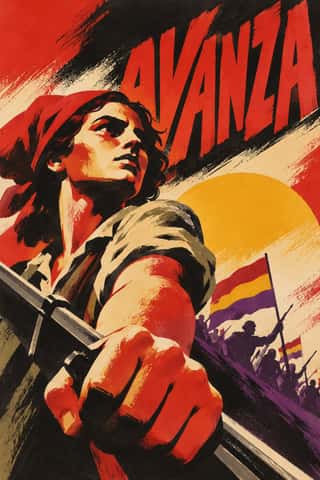
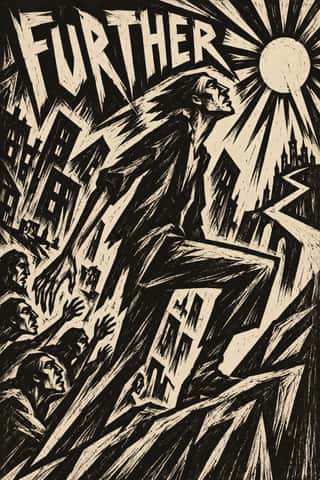
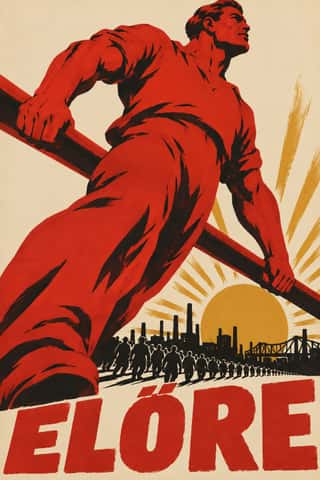
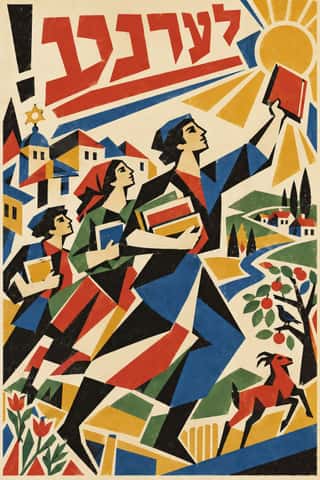
Diagonal axis
Composition driven by tilted axes and oblique movement.
A design choice in Stylogeny’s vocabulary, under layout & composition: how is the picture plane organised?
- styles make it
- 76
- as a defining choice
- 10
- as a usual one
- 25
- now and then
- 41
- avoid it
- 15
Styles defined by it 10
For these styles it is one of the choices that make the style.
- Persian Nastaʿlīq Calligraphy (Qiṭʿa, Chalipa and Siyāh-mashq)The 'hanging' script of Persian poetry and an art of the single sheet.
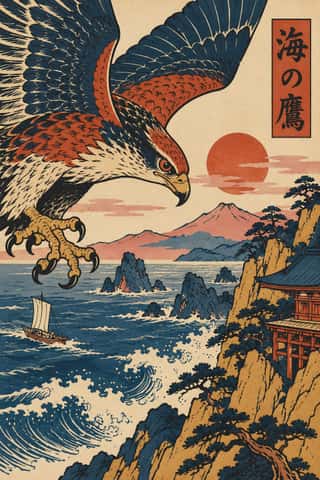
- Italian FuturismLaunched by Marinetti's 1909 manifesto, Futurism glorified speed, machines, the city and war, and turned the printed page into an explosive, noisy field.
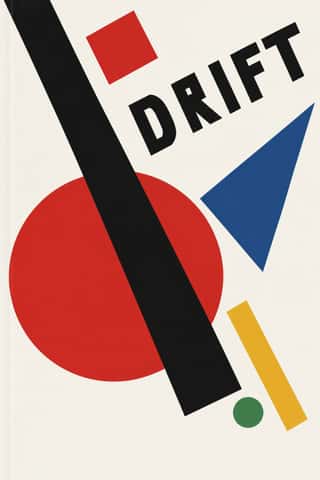
- Russian ConstructivismConstructivism rejected art for art's sake in favour of the artist-engineer building useful things for the new Soviet society.
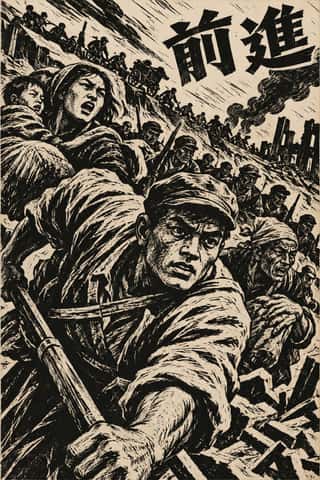
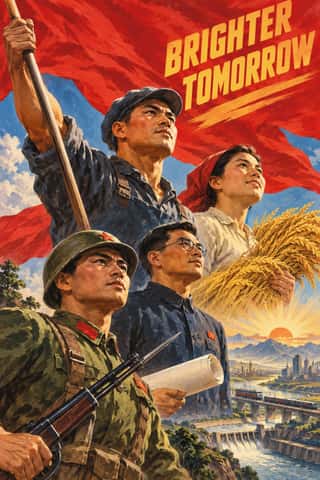
- Estridentismo (Stridentist) GraphicsMexico's first avant-garde (1921-27), launched when Manuel Maples Arce pasted his manifesto Actual No. 1 on Mexico City walls.



Styles that often use it 25
A characteristic choice: usual in these styles, though not essential.



- Vorticism & BLAST TypographyLondon's short-lived rival to Futurism, launched by Wyndham Lewis with BLAST (dated 20 June 1914; War Number, July 1915).
- DadaBorn in wartime Zurich at the Cabaret Voltaire in 1916 and spreading to Berlin, Hanover, Cologne and Paris, Dada used chance, absurdity and provocation against the culture that had produced the war.
- BauhausThe German school founded by Walter Gropius in 1919 moved from Expressionist craft ideals to a programme of 'art and technology' after 1923, when Moholy-Nagy, Herbert Bayer and Joost Schmidt made its printing and advertising workshops a laboratory for functional communication.
- Italian Fascist Graphics (Romanità & Exhibition Photomontage)The visual language of Italian Fascism, which turned modernist means to a cult of Rome and of the Duce.

- Nippon Kōbō & Tōhōsha Photo-Propaganda Magazines (NIPPON & FRONT)Luxury photo-propaganda magazines that imperial Japan sent abroad, 1934–45.
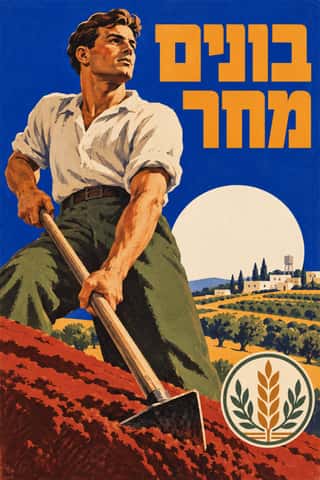
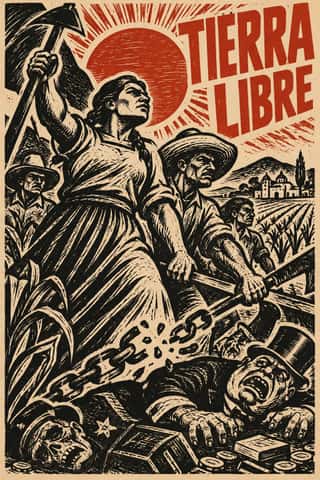
- Vietnamese Propaganda Poster (Tranh cổ động)The state poster art of Vietnam from the 1945 August Revolution to today.
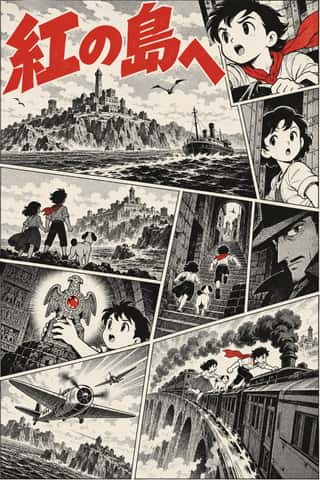

- Swiss Punk / New Wave TypographyA rebellion from inside the Swiss school: Wolfgang Weingart and his Basel students kept the grotesque and the grid but set them in motion with extreme letterspacing, stepped and angled lines, rules and bars, enlarged halftone screens and layered film montage.
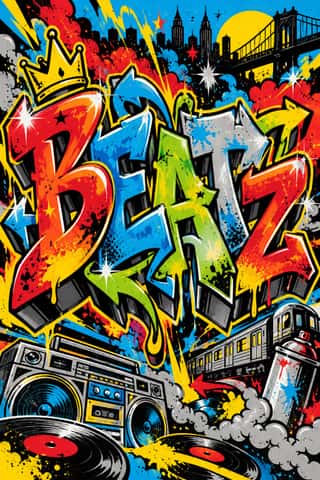
- Ethiopian Revolutionary Poster (Derg Era)The poster and mural art of the Derg military government and its successor, Mengistu's People's Democratic Republic of Ethiopia (1974–1991), made mostly by teachers and students of the Addis Ababa School of Fine Arts.


Styles that use it now and then 41
An occasional choice in these styles.
- European Heraldryc. 1140–present
- Ottoman Tughra & Dîvânî Chancery Calligraphyc. 1324–present
- Rinpa & Saga-bon1600–present
- Spanish Bullfight Poster (Cartel Taurino)1879–present
- Cubist Pictorial Space1907–1925
- Art Deco1910–1939
- Russian Futurist Book1910–1920
- Shanghai Modern & Yuefenpai1910–1949
- De Stijl1917–1931
- Brazilian Modernismo Graphics (Klaxon and the Semana de 22)1922–1929
- Czech Poetist Book Design (Devětsil)1922–1938
- Leningrad Avant-Garde Picture Book1922–1936
- Mavo1923–1925
- Early Turkish Republican Graphic Design1925–1960
- Australian Travel Poster (ANTA Era)1929–1959
- Filipino Komiks1929–1999
- Mexican Calendar Chromo (Cromos calendáricos)1930–1970
- Egyptian Painted Film Poster1932–1996
- WPA Silkscreen Posters1935–1943
- American Mid-Century Modernism1940–1970
- Hand-Painted Bollywood Poster1940–1999
- UPA & Cartoon Modern1944–1960
- International Typographic Style1950–1975
- Brazilian Concrete Design1951–1975
- Shōjo Manga (Japanese Girls' Comics)1958–present
- Di Tella Graphic Design (Instituto Torcuato Di Tella)1960–1970
- Hong Kong East–West Graphic Modernism1964–present
- Munich 1972 Olympic Design (Otl Aicher)1966–1972
- Grapus (French Militant Graphic Collective)1970–1990
- Punk & DIY Zine1976–1986
- Dutch Expressive Postmodernism (Studio Dumbar & Hard Werken)1977–1994
- Cranbrook & Deconstructivist Typography1980–1998
- Nigerian Pentecostal Crusade Poster & Billboard1990–present
- Hype Streetwear Graphics (Box Logo to Quotation Marks)1993–present
- Emoji Pictographic Language1997–present
- Y2K Futurism1997–2005
- Cartonera Books (Latin American Cardboard Publishing)2003–present
- Itasha (Anime Character Car Graphics)2005–present
- Oaxacan Protest Printmaking & Street Graphics (ASARO)2006–present
- Synthwave / Outrun2006–present
- Syrian Revolution Graphics (Kafranbel Banners & Poster Collectives)2011–2024
It often goes with
Choices that the styles making it make more often than the atlas as a whole.
- Dynamic asymmetryin 45 of 76
- Extreme scale contrastin 52 of 76
- Rotated & vertical settingin 34 of 76
- Lithographyin 31 of 76
- Utopian & idealisticin 33 of 76
- Letterpressin 25 of 76
Styles that avoid it
Styles that deliberately leave it out.
- Ancient Egyptian Hieroglyphic & Register Compositionc. 0–394
- Maghrebi Script (Maghribi Calligraphy of al-Andalus and North Africa)c. 900–present
- Song–Ming Woodblock Book Typography (Songti / Mincho)c. 960–present
- Mongol Bichig Calligraphy & Ugalz Ornamentc. 1204–present
- Nirnaya Sagar Devanagari Typography (Bombay Metal Type)1864–present
- Kanga (Swahili Message Cloth)1886–present
- Lotería Card Imagery (Mexican Lotería)1887–present
- Glasgow Style1890–1914
- Vienna Secession1897–1918
- Bezalel School1906–1929
- Wendingen & Amsterdam School Typography1918–1932
- West African Barbershop & Hair Salon Signs1950–present
- Soviet Central Asian Ornamental Modernism1966–1999
- Pixação (São Paulo Tag Reto)1980–present
- Madinah Mushaf (King Fahd Complex Qur'an Page)1985–present