Digital native · 2016–present · East Asia
Tuwei ( 土味, Chinese Rural-Internet Vernacular )
Also known as 土味, Tuwei culture, Earthy-taste aesthetic, Kuaishou kitsch
The look of rural and small-town Chinese short video on Kuaishou and Douyin since about 2016: vertical phone footage shot in yards, farmland, village shops and building sites, with makers in bold, mismatched costume, hair and make-up, performing shouted rap, 'social shake' dance and cement-dance skits to hypnotic beats. Often read as sincere, though makers' sincerity is contested, and class-coded, it was named 'tuwei' by outsiders, who mocked it and later reclaimed it.
Make something in this style Get advice in this style Mix it with another style
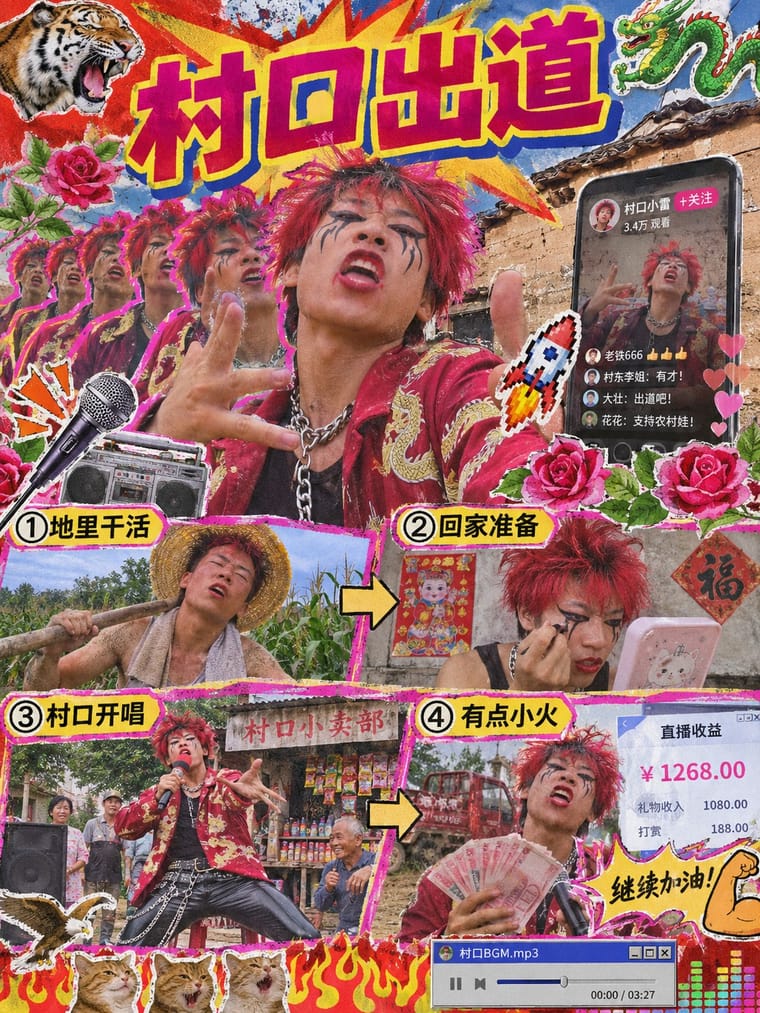
Use it with care
Tuwei is the everyday expression of real rural and working-class creators, and the label was applied by urban outsiders as mockery; in 2018 Kuaishou cracked down on it as 低俗 (vulgar) after official criticism. People's Daily also names the risks of commercial exploitation and stereotyping of rural creators. Reproduce it with care, credit makers, and do not use it to parody, condescend to or profit from the communities who made it.
01
Its picture in other colours
Change a colour and every picture on this page follows. It happens in your browser, from the same pictures: nothing new is made or saved.
Choose a colour to change it
-
#c8321f -
#f2c230 -
#7a9a3a -
#d9378c -
#3d6fb5 -
#6b5a45
A faded colour isn’t in these pictures, so changing it changes nothing.
Light and dark stay where they are; greys hardly move.
More colours: any style’s, or your own
The pictures show the style’s own colours.
02
Make something in this style
Say what you need, and Stylogeny’s image studio draws it from Tuwei (土味, Chinese Rural-Internet Vernacular)’s design choices and checks it against them. It takes about a minute, and you get a link to share.
03
How it works
Palette
-
#c8321faccent · 15% -
#f2c230ink · 5% -
#7a9a3anot in its pictures -
#d9378caccent · 7% -
#3d6fb5accent · 4% -
#6b5a45ground · 18%
Shares measured from its picture. The ground is what the pictures sit on (of the colours covering most, the most neutral), the ink stands out from it most, the rest are accents.
Typefaces
-
Heiti (黑体) generic sans-serif
schema stand-in, not evidenced
-
Platform default caption fonts
schema stand-in, not evidenced
- Shoot on a phone in the maker's own surroundings: farmland, a mud-brick house, a village shop, a street or a building site, with no staging or set dressing.
- Put the performer's body, hair, make-up and costume in the centre as the main visual event: dyed hair, heavy make-up, tight trousers, a wig, ink-drawn patterns round the eyes.
- Match every cut to a loud, repeating beat: rhythmic shouted rap or a hypnotic hook, and edit fast so no shot lingers.
- Perform directly to the camera, with exaggerated expression and regional dialect; whether the performance is earnest or knowingly crude is left to the viewer.
- Pair the plain setting with a spectacle or incongruity, such as flying cement dust, a costume that does not fit the place, or flip-flops with period dress.
- Keep production unpolished and let viewers supply the verdict.
Where and when China.
China. Users on Baidu Tieba and Sina Weibo used '土味' as slang from 2016 to collect and joke about low-taste content (the jokes '中华土味系列', 'Chinese Tuwei Series', and '土味挖掘机', 'Tuwei Excavator'). It was never a formal term but an umbrella label coined by netizens for shouted-rap (喊麦), 'social shake' (社会摇) and rustic skit videos on Kuaishou and Douyin, platforms that let rural and small-town residents make and post video easily. Chinese Wikipedia notes that many early videos deliberately showed crude content to suit recommendation algorithms, so how sincere the makers were is contested. In 2018 Kuaishou cracked down after official criticism, tagging such content 低俗 (vulgar), which suppressed the genre; in 2022 Chinese media recast the trend as telling rural China's stories well. It is closely related to the earlier Sha Ma Te (杀马特) youth subculture, which the atlas has no entry for yet. Branch 'digital' rather than the scout brief's 'postmodern': the style exists as a platform-born vernacular of phone video, not as a self-conscious postmodern quotation. The visual evidence in accessible sources concerns settings, styling and editing rather than typography or colour, so this entry is limited to those. The genome entries type.grotesque and surface.flat, and the typefaces list, are low-weight stand-ins that the schema requires (at least one trait per facet, two typefaces); no fetched source supports them.
Change it with an idea. Any of the 73 moves that make a design say something can go on this style.
04
Its design choices
From Stylogeny’s vocabulary of design choices: defining choices make the style, characteristic ones are usual, occasional ones turn up now and then.
- Layout & composition
- Space & hierarchy
- Typography
- Form & shape
- Surface & texture
- Ornament
- Medium & production
- Tone & intent
- Avoids
- Modular grid, Generous white space, Didone, Pastel, Gloss & highlights, Luxurious & glamorous, Calm & contemplative, Rational & objective
How its pictures are made Synthetic & found, Photographic
Kind of picture: Synthetic & found · Photographic
Known for
-
Luo Fuxing (罗福兴), the 'Godfather of Sha Ma Te', Kuaishou hairstyling videos
about 160,000 followers per a 2021 student essay on Mediachina.today
-
Luo Gang (罗刚), a vocational-school student who joined Kuaishou in 2018 to revive the 'Zang Ai' (葬爱) Sha Ma Te family
his cement dance (水泥舞) with wig, ink make-up and handfuls of cement thrown in the air, as reported by The Paper (2018)
-
Li Xiangwei (李翔伟), Bohemian Rhapsody remix, a 混剪 recut of Kuaishou and Douyin clips to rock music
-
Zhang Tongxue (张同学), Yingkou, Liaoning
rural vlogs with nostalgic content, fast editing and an upbeat track, as discussed by People's Daily (2022)
-
Giao哥 ('黑猫警长Giao哥'), whose videos are set against orchards and farmland and who became known for a self-made rap, per The Paper
2018
-
喊麦 (shouted rap) and 社会摇 (social shake) videos on Kuaishou and Douyin
-
Baidu Tieba and Weibo '中华土味系列' collections
2016
05
Where it comes from, and what it’s close to
Grew out of
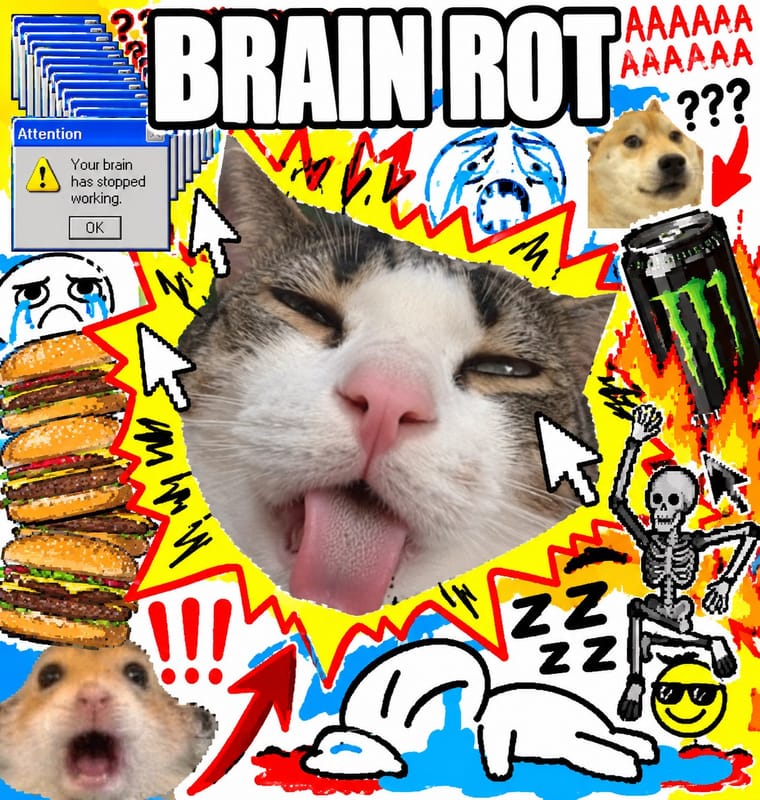
Tuwei (土味, Chinese Rural-Internet Vernacular) 2016–present
No later style in the atlas grew out of it yet.
Alike in its design choices

06
Combine it with
Styles Tuwei (土味, Chinese Rural-Internet Vernacular) pairs well with or plays against, from the research. Each is worked out as a combination: which style gives the type, the colours and the forms.
- Guochao (China-Chic National Trend) Contrasts · A designed, urban heritage trend against an uncurated rural idiom.
- Xiaoqingxin (Small and Fresh) Aesthetic Contrasts · The opposite pole: clean, quiet, tasteful; set against tuwei it shows how a class line is drawn in taste.
- Internet Ugly & Meme Vernacular Pairs well · Both prize unrefined vernacular, but tuwei is often read as sincere and class-coded (though contested) where internet-ugly is ironic; borrow its raw amateurism, not a mocking stance.
07
Often taken for
Tuwei has no real works recorded yet, so these are its nearest styles by its choices alone, with the choices that tell them apart.
-
Flash Vector Cartoon (Newgrounds-Era Web Animation)
Flash Vector Cartoon is one of Tuwei’s nearest styles by choices; no real work of either fits the other better.
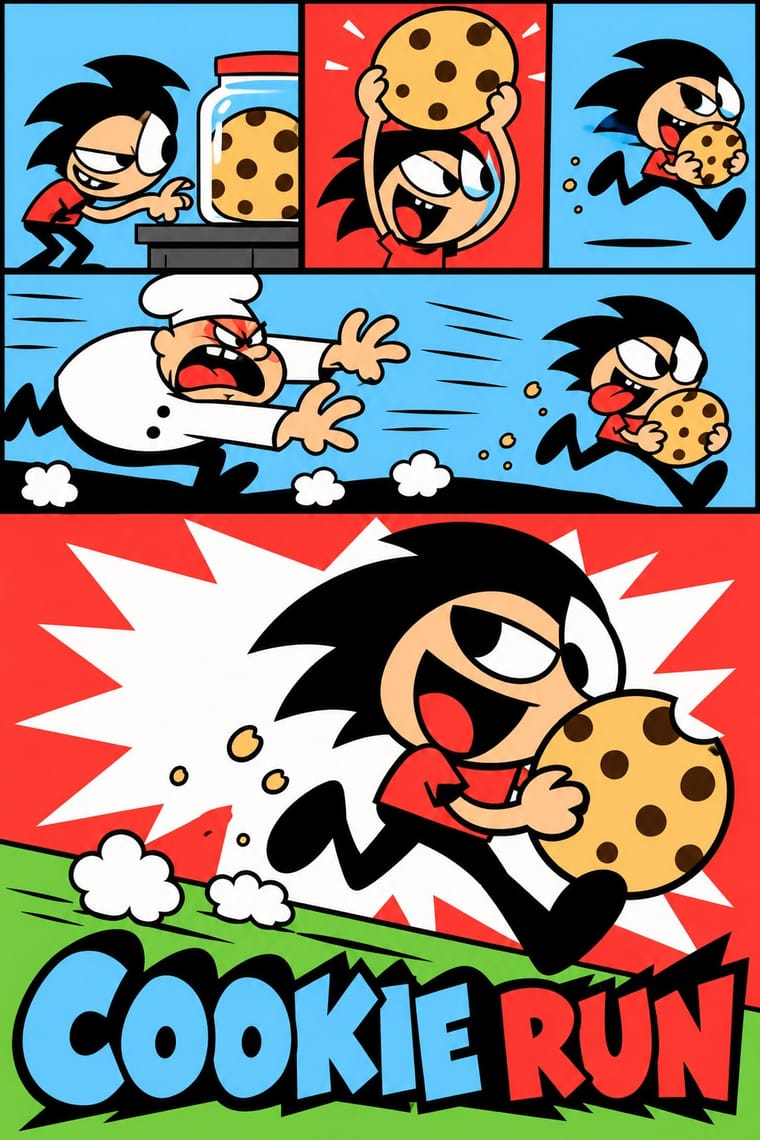
Choices that tell Tuwei and Flash Vector Cartoon apart Choice Tuwei Flash Vector Cartoon Found & vernacular imagery defining occasional Flat fields — defining Naturalistic depiction characteristic — Comic & cartoon — defining Straight photography characteristic — Both descend from Russian Constructivism in the family tree.
-
Internet Ugly & Meme Vernacular
Internet Ugly & Meme Vernacular is one of Tuwei’s nearest styles by choices; no real work of either fits the other better.
Choices that tell Tuwei and Internet Ugly apart Choice Tuwei Internet Ugly Naturalistic depiction characteristic — All caps — defining Abundant decoration characteristic — Flat fields — characteristic Repetition & rhythm characteristic — Tuwei descends from Internet Ugly & Meme Vernacular: a shared line, so the likeness is inherited.
-
Vectordelia and Its Contemporary Revival
Vectordelia and Its Contemporary Revival is one of Tuwei’s nearest styles by choices; no real work of either fits the other better.
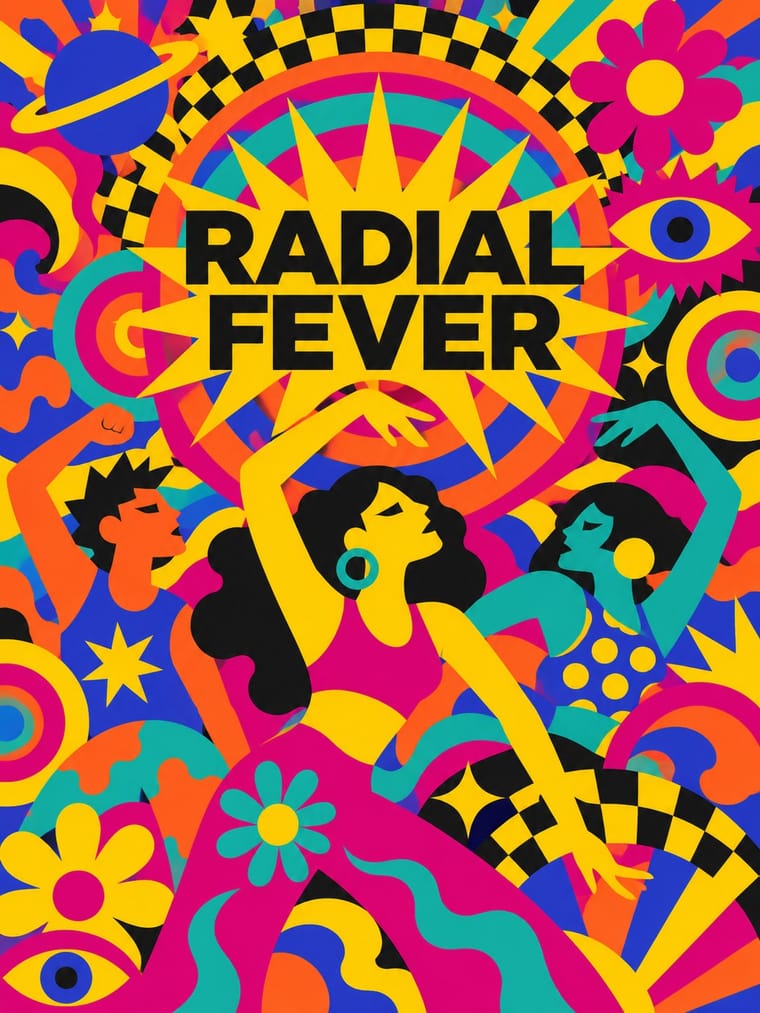
Choices that tell Tuwei and Vectordelia and Its Contemporary Revival apart Choice Tuwei Vectordelia and Its Contemporary Revival Straight photography characteristic avoids Flat fields — defining Found & vernacular imagery defining — Flat vector illustration — defining Sequential narrative defining — No shared descent in the atlas: they reached these choices separately.
-
Image Macro (Impact Meme Format)
Image Macro is one of Tuwei’s nearest styles by choices; no real work of either fits the other better.
Choices that tell Tuwei and Image Macro apart Choice Tuwei Image Macro Sequential narrative defining — Central symmetry — defining Distortion & exaggeration characteristic — Ornament-free — defining Abundant decoration characteristic — Both descend from Internet Ugly & Meme Vernacular in the family tree.
— means the choice isn’t among the style’s recorded choices. Critics recorded each work’s choices with the styles’ descriptions in view, so this shows whether the descriptions hold together, not proof that they are right.
08
Sources
- Chinese Wikipedia, 土味 (zh.wikipedia.org/wiki/土味)
- Mediachina.today, 土味视频——俯仰之间的荒诞现实 (mediachina.today/2021/tuwei), a 2021 student course-showcase essay by 裴瑜 (COMM 2140), not a press article
- People's Daily, '新农人'短视频出圈与土味文化传播, 20 Feb 2022 (paper.people.com.cn/rmlt/html/2022-02/20/content_25911484.htm)
1 more source
- The Paper (澎湃), 自得其乐的审美碰撞——土味文化的逆流与顺流 (thepaper.cn/newsDetail_forward_2276045)
How Stylogeny researches and checks a style: where the facts come from.