Digital native · 1990–present · Western Europe, North America, Global / networked
Hyperreal Photo-Composite Advertising ( Photoshop Era )
Also known as Photo-manipulation advertising, Digital photo-composite, Photoshop composite, Photomanipulation art
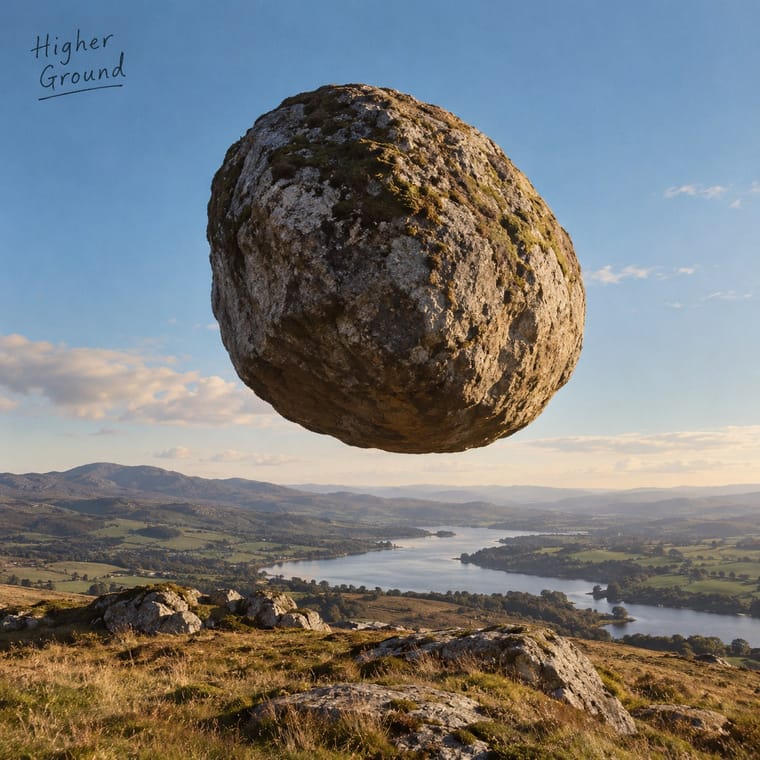
Many photographs, shot separately and matched in light and perspective, are fused into one seamless picture of an impossible event: a product the size of a building, a landscape folding over itself. The finish is pushed past a photograph, sharp, saturated and graded, and the picture is the idea, with at most a logo and one short line.
Make something in this style Get advice in this style Mix it with another style

01
Its picture in other colours
Change a colour and every picture on this page follows. It happens in your browser, from the same pictures: nothing new is made or saved.
Choose a colour to change it
-
#0b1d33 -
#2f7fc1 -
#f2a43a -
#d9482b -
#e9e4d8
A faded colour isn’t in these pictures, so changing it changes nothing.
Light and dark stay where they are; greys hardly move.
More colours: any style’s, or your own
The pictures show the style’s own colours.
02
Make something in this style
Say what you need, and Stylogeny’s image studio draws it from Hyperreal Photo-Composite Advertising (Photoshop Era)’s design choices and checks it against them. It takes about a minute, and you get a link to share.
03
How it works
Palette
-
#0b1d33ground · 20% -
#2f7fc1not in its pictures -
#f2a43aaccent · 9% -
#d9482baccent · 8% -
#e9e4d8ink · 7%
Shares measured from its picture. The ground is what the pictures sit on (of the colours covering most, the most neutral), the ink stands out from it most, the rest are accents.
Typefaces
-
Helvetica
-
Univers
-
Gotham
-
Frutiger
- Shoot each element separately and match its light, perspective and grain so the join disappears.
- Stage one impossible event as a single, unmistakable focal point.
- Push the finish beyond a photograph: sharpen everything, saturate and grade the colour, dramatise the sky.
- Run the image full bleed and keep copy to a small logo and one short line, or none.
- Make the scale jump the idea: set the tiny against the monumental inside one believable space.
Where and when Print advertising and poster work once high-end retouching moved from dedicated systems such as Quantel's Graphic Paintbox (shown at IPEX 1984) to desktop software: Photoshop 1.0, written by Thomas and John Knoll, shipped for the Macintosh on 19 February 1990.
Print advertising and poster work once high-end retouching moved from dedicated systems such as Quantel's Graphic Paintbox (shown at IPEX 1984) to desktop software: Photoshop 1.0, written by Thomas and John Knoll, shipped for the Macintosh on 19 February 1990. Retouching studios such as Saddington Baynes in London built impossible scenes for agencies from about the early 1990s (the studio itself says only 'over three decades'; no founding year is confirmed), and an online hobby scene (Worth1000's Photoshop contests, 2002 to 2013) fed commercial practitioners such as Erik Johansson. The start year is Photoshop 1.0; Paintbox composites came before. From the late 2000s full CGI took over much of the work.
How it carries an idea Impossible scene, Altered object, Exaggeration
- Impossible scene signature Presents one impossible event as a seamless photograph: Erik Johansson staged Full Moon Service (2017) in a field with seven rice lamps, two models and a car, then gave the lamps the texture of moons.
- Altered object Changes the form of an everyday thing while it stays itself, as in Erik Johansson's Cut & Fold (2012), where a cyclist rides toward a road cut in half like a sheet of paper.
- Exaggeration Makes a jump in scale the idea: a product grown to the size of a building, matched in light and perspective to its surroundings so the exaggeration reads as fact.
Change it with an idea. Any of the 73 moves that make a design say something can go on this style.
04
Its design choices
From Stylogeny’s vocabulary of design choices: defining choices make the style, characteristic ones are usual, occasional ones turn up now and then.
- Layout & composition
- Space & hierarchy
- Typography
- Colour
- Form & shape
- Surface & texture
- Ornament
- Imagery
- Medium & production
- Tone & intent
- Avoids
- Collage & layering, Modular grid, Horror vacui, Flat, Photocopy & distress, Halftone & Ben-Day dots, Ornamented display, Abundant decoration
How its pictures are made Photographic
Kind of picture: Photographic
Known for
-
Erik Johansson (born 1985, Sweden)
composites of photographs he shoots himself; clients include Adobe, Volvo, Toyota, Google and Microsoft
-
Erik Johansson, Go Your Own Road (2008)
a photo-composite of an impossible scene
-
Erik Johansson, Landfall (2014)
a self-shot photo-composite of an impossible scene
-
Saddington Baynes, London retouching and CGI studio
advertising post-production; its own site says it has defined its spirit 'for over three decades' and cites 'darkroom origins'
05
Where it comes from, and what it’s close to
Grew out of

Borrowed from
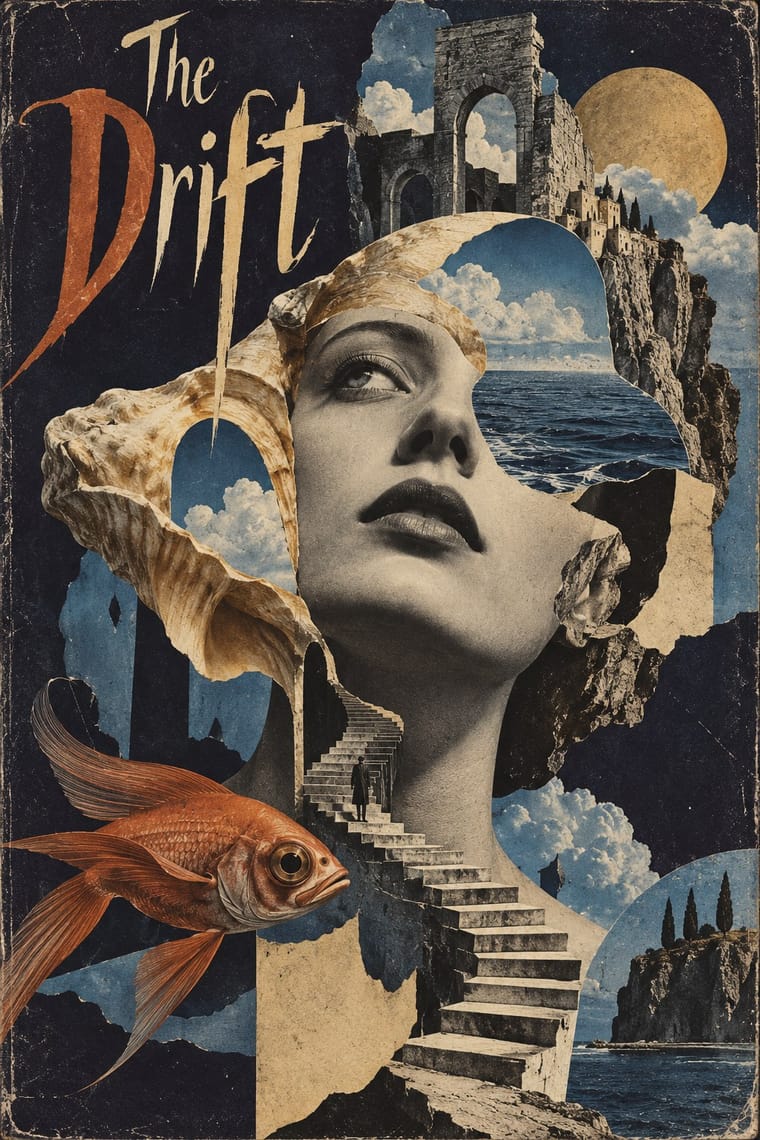
Hyperreal Photo-Composite Advertising (Photoshop Era) 1990–present
No later style in the atlas grew out of it yet.
Alike in its design choices
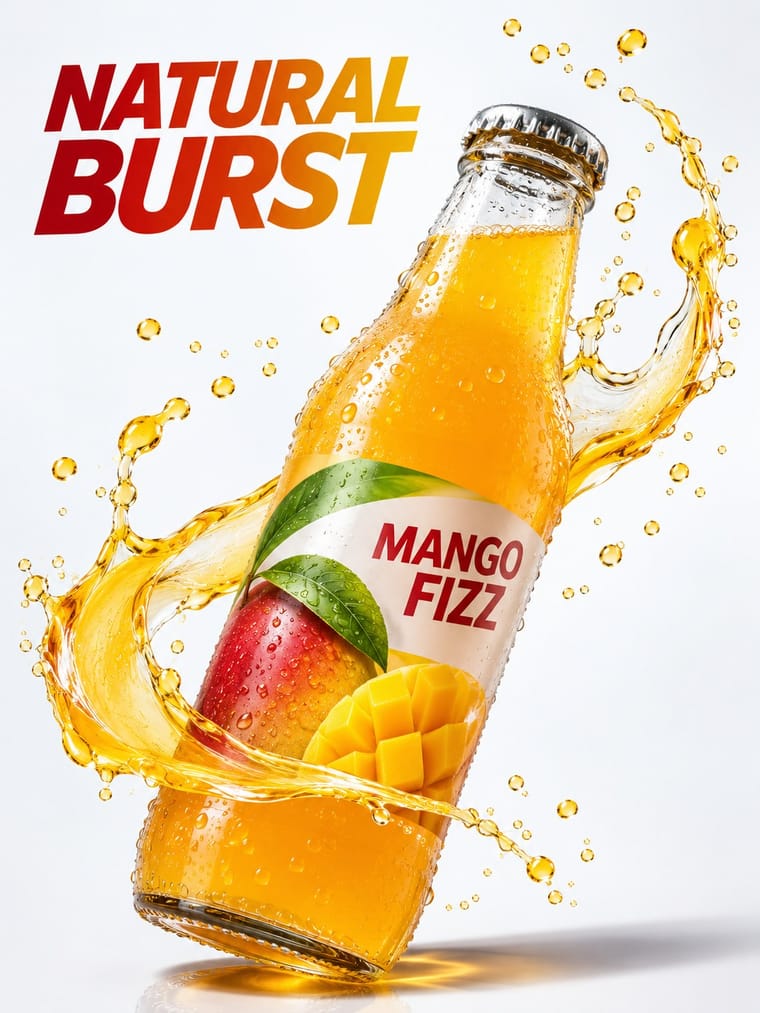
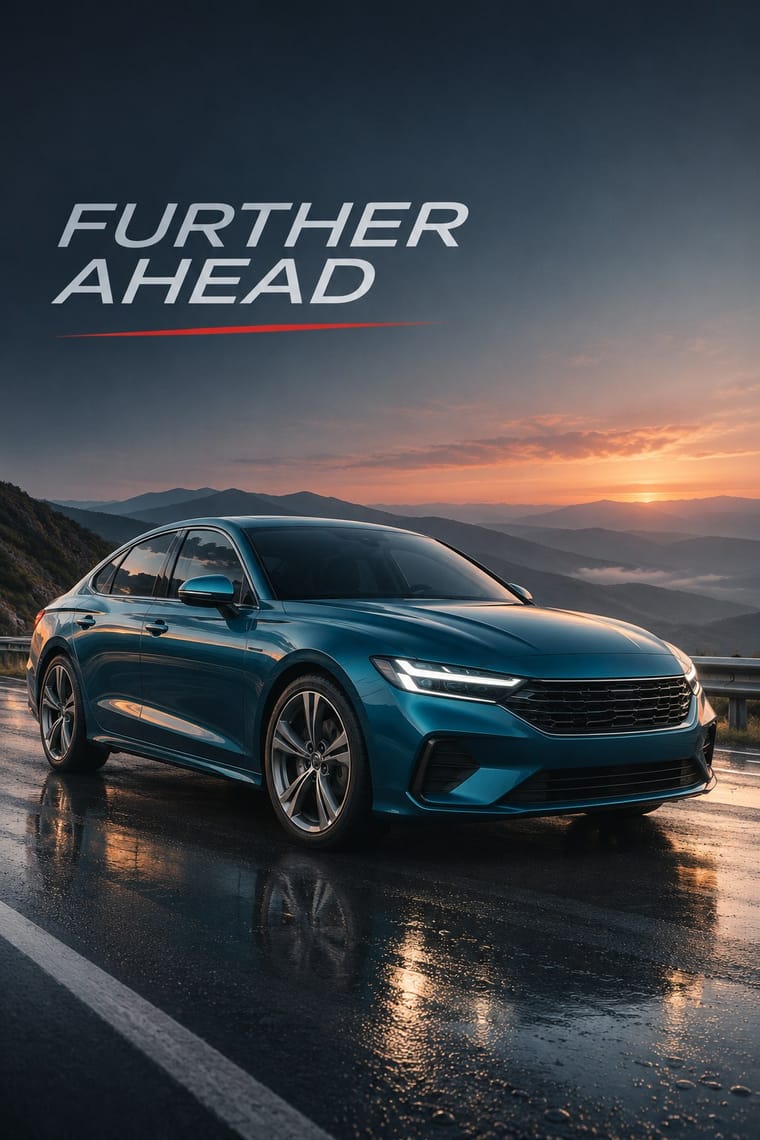
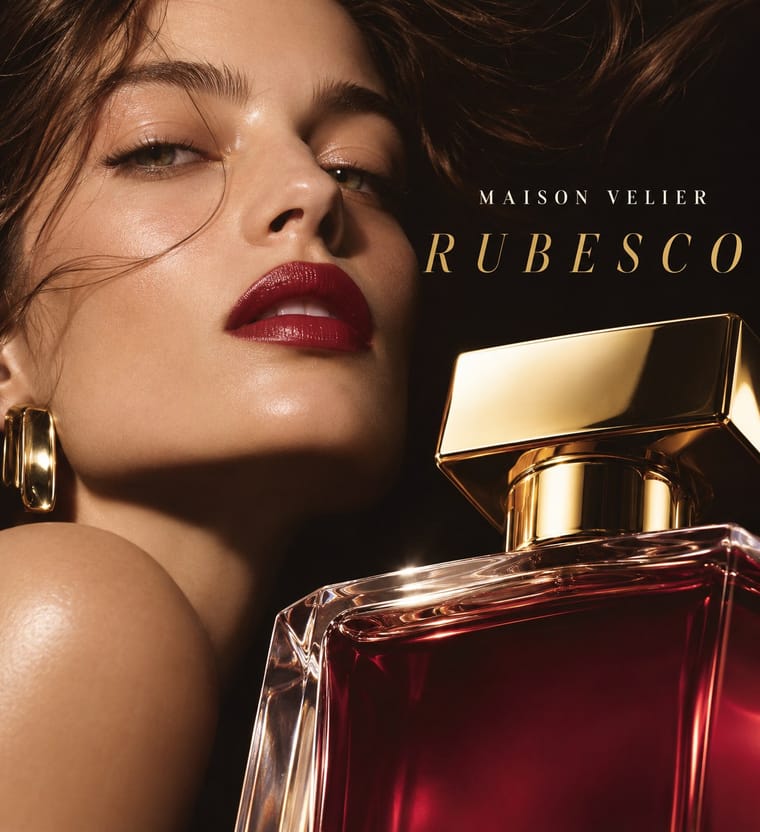
06
Combine it with
Styles Hyperreal Photo-Composite Advertising (Photoshop Era) pairs well with or plays against, from the research. Each is worked out as a combination: which style gives the type, the colours and the forms.
- YouTube Thumbnail Style (the 'YouTube Face') Contrasts · Thumbnails composite with visible cut-outs and shouted type; this style hides every join.
- Luxury Fragrance and Beauty Campaign Contrasts · Fragrance campaigns keep the product hidden or implied and stage no impossible event; here the seamless impossible scene is the idea.
- Airbrush Surrealism (1970s–80s Illustration) Pairs well · Same impossible, glossy single image, but built from photographs rather than painted.
- Hipgnosis Photographic Concept Sleeve Pairs well · Borrow the staged impossible photograph; hide the seams digitally instead of showing darkroom craft.
- AIZ Political Photomontage (Heartfield) Contrasts · Heartfield exposed the cuts for argument; here the cuts are erased for credibility. The technique descends from photomontage.
- Splash and High-Speed Product Photography in Advertising Contrasts · Splash work is one real studio shot of the product; this style fuses many photographs into an impossible scene.
- Property-Marketing Architectural Visualisation (Photoreal Archviz Renders) Pairs well · Shares the seamless, photographic finish of composited elements; here the composite sells a sited building and a way of life.
- Automotive Hero Advertising (Car Photography to CGI) Contrasts · Use seamless light and perspective to make the vehicle desirable without requiring an impossible event or scale joke; a polished car image is not by itself evidence of compositing.
07
Often taken for
Hyperreal Photo-Composite Advertising has no real works recorded yet, so these are its nearest styles by its choices alone, with the choices that tell them apart.
-
Splash and High-Speed Product Photography in Advertising
Splash and High-Speed Product Photography in Advertising is one of Hyperreal Photo-Composite Advertising’s nearest styles by choices; no real work of either fits the other better.
Choices that tell Hyperreal Photo-Composite Advertising and Splash and High-Speed Product Photography in Advertising apart Choice Hyperreal Photo-Composite Advertising Splash and High-Speed Product Photography in Advertising Treated photography defining — Biomorphic curves occasional defining Photomontage defining occasional Isolated object occasional defining Full polychrome characteristic — No shared descent in the atlas: they reached these choices separately.
-
Automotive Hero Advertising (Car Photography to CGI)
Automotive Hero Advertising is one of Hyperreal Photo-Composite Advertising’s nearest styles by choices; no real work of either fits the other better.
Choices that tell Hyperreal Photo-Composite Advertising and Automotive Hero Advertising apart Choice Hyperreal Photo-Composite Advertising Automotive Hero Advertising Photomontage defining — Restrained accents — characteristic Treated photography defining — Luxurious & glamorous — characteristic Full polychrome characteristic — No shared descent in the atlas: they reached these choices separately.
-
Luxury Fragrance and Beauty Campaign
Luxury Fragrance and Beauty Campaign is one of Hyperreal Photo-Composite Advertising’s nearest styles by choices; no real work of either fits the other better.
Choices that tell Hyperreal Photo-Composite Advertising and Luxury Fragrance and Beauty Campaign apart Choice Hyperreal Photo-Composite Advertising Luxury Fragrance and Beauty Campaign Photomontage defining — Jewel & metallic — characteristic Treated photography defining occasional All caps — characteristic Illusion of depth defining occasional No shared descent in the atlas: they reached these choices separately.
-
Hipgnosis Photographic Concept Sleeve
Hipgnosis Photographic Concept Sleeve is one of Hyperreal Photo-Composite Advertising’s nearest styles by choices; no real work of either fits the other better.
Choices that tell Hyperreal Photo-Composite Advertising and Hipgnosis Photographic Concept Sleeve apart Choice Hyperreal Photo-Composite Advertising Hipgnosis Photographic Concept Sleeve Full polychrome characteristic — Collage & layering avoids occasional Gloss & highlights characteristic — Modular grid avoids occasional Playful & witty occasional defining Both descend from Surrealist Graphics in the family tree.
— means the choice isn’t among the style’s recorded choices. Critics recorded each work’s choices with the styles’ descriptions in view, so this shows whether the descriptions hold together, not proof that they are right.
08
Sources
- Wikipedia, Adobe Photoshop (Photoshop 1.0 released 19 February 1990 by Thomas and John Knoll)
- Wikipedia, Erik Johansson (artist) (works, method and clients)
- Wikipedia, Worth1000 (founded January 2002, closed 1 October 2013)
2 more sources
- quantelpaintbox.com, Quantel Paintbox history (Graphic Paintbox at IPEX 1984)
- saddingtonbaynes.com/about (studio says 'for over three decades' and 'darkroom origins'; no founding year)
How Stylogeny researches and checks a style: where the facts come from.