Counterculture · 1970–1973 · Latin America & Caribbean
Taller 4 Rojo ( Bogotá Photo-Screenprint Posters )
Also known as Taller 4 Rojo, Taller Escuela de Artes Gráficas 4 Rojo, Colombian political photo-screenprint
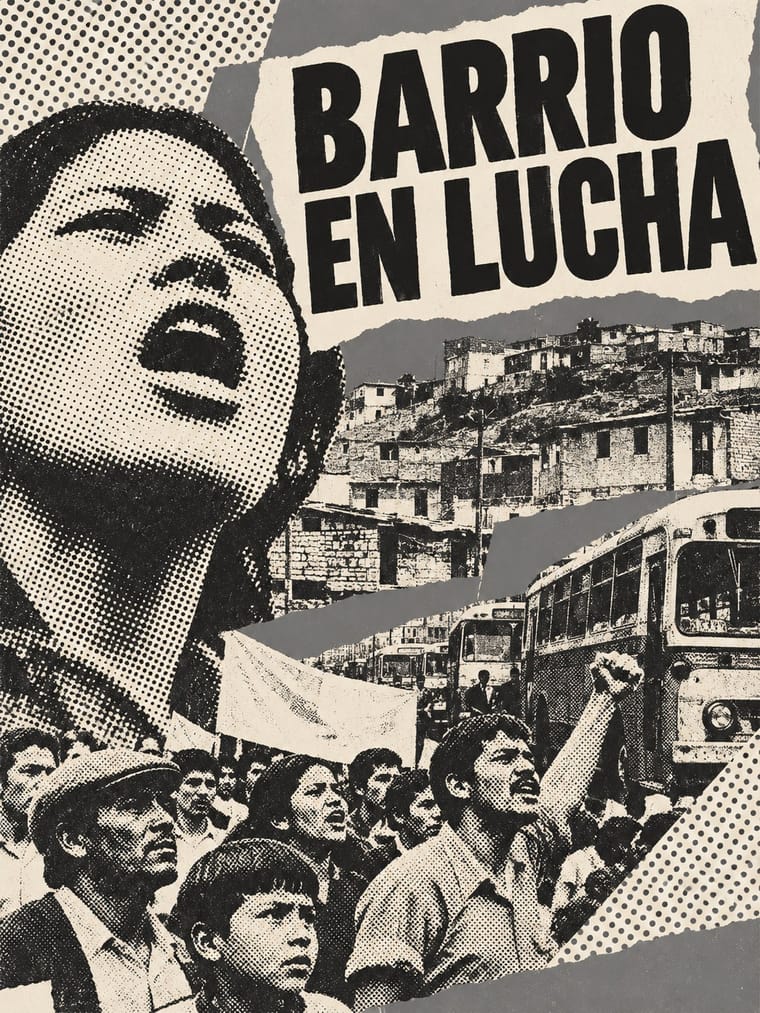
A Bogotá workshop of militant artists who made photo-screenprints and photomontages from press photographs and printed text, and taught the technique as a graphic-arts school. The group first showed in art venues and then circulated its work in public spaces, and its themes included the Vietnam War, peasants, workers and massacres of Indigenous people (per the scout brief; the exhibition page could not be fetched to confirm). The palette is tentative: neutral press tones (black ink, newsprint, greys), not colours measured from named posters.
Make something in this style Get advice in this style Mix it with another style
01
Its picture in other colours
Change a colour and every picture on this page follows. It happens in your browser, from the same pictures: nothing new is made or saved.
Choose a colour to change it
-
#111111 -
#f1ebdd -
#7d7d7d -
#d9d4c7
A faded colour isn’t in these pictures, so changing it changes nothing.
Light and dark stay where they are; greys hardly move.
More colours: any style’s, or your own
The pictures show the style’s own colours.
02
Make something in this style
Say what you need, and Stylogeny’s image studio draws it from Taller 4 Rojo (Bogotá Photo-Screenprint Posters)’s design choices and checks it against them. It takes about a minute, and you get a link to share.
03
How it works
Palette
-
#111111ink · 17% -
#f1ebddaccent · 14% -
#7d7d7dground · 28% -
#d9d4c7accent · 18%
Shares measured from its picture. The ground is what the pictures sit on (of the colours covering most, the most neutral), the ink stands out from it most, the rest are accents.
Typefaces
-
Lettering is undocumented in the sources consulted; no typefaces are claimed
-
Plain grotesque sans text is only a tentative placeholder, not confirmed from a named poster
- Take the image from the press: reuse newspaper photographs and headlines as raw material and recut them into an argument.
- Print by photo-screenprint so that one image can be reproduced cheaply.
- Montage photograph, cropped figure and printed text into one hard-edged poster.
- Move from art venues to public spaces: design for walls and passers-by (per the scout brief).
- Share the technique: run the workshop as a school so others can make their own posters.
Where and when Bogotá, Colombia (La Candelaria): founded in the early 1970s (between about 1970 and 1972, sources differ) by Nirma Zárate and Diego Arango, who had studied graphic arts in London (Zárate at the Royal Academy from 1969, on a British Council scholarship).
Bogotá, Colombia (La Candelaria): founded in the early 1970s (between about 1970 and 1972, sources differ) by Nirma Zárate and Diego Arango, who had studied graphic arts in London (Zárate at the Royal Academy from 1969, on a British Council scholarship). Other members are named in the scout brief but not verified here. The end date is undocumented; the period closes at the latest dated work (1973).
Effects on its surface Halftone
- Halftone signature From its design choice “Halftone & Ben-Day dots”.
Change it with an idea. Any of the 73 moves that make a design say something can go on this style.
04
Its design choices
From Stylogeny’s vocabulary of design choices: defining choices make the style, characteristic ones are usual, occasional ones turn up now and then.
- Layout & composition
- Space & hierarchy
- Typography
- Form & shape
- Surface & texture
- Ornament
- Imagery
- Medium & production
- Tone & intent
- Avoids
- Abundant decoration, Floral & vegetal, Pastel, Gradients, Gloss & highlights, Luxurious & glamorous, Stylised figuration
How its pictures are made Photographic, Synthetic & found
Kind of picture: Photographic · Synthetic & found
Known for
-
Agresión al Imperialismo (dated 1972 or 1973 in the source), 3-piece screenprint series, 100 x 70 cm, Taller 4 Rojo, Diego Arango y Nirma Zárate, Banco de la República collection
-
Nirma Zárate's 1970–1972 photoserigraph series on street children
jury mention, Bienal Americana de Artes Gráficas, Cali, 1971
-
Periódicos de ayer, Banco de la República exhibition including Taller 4 Rojo
page could not be fetched to confirm its contents
05
Where it comes from, and what it’s close to
Borrowed from
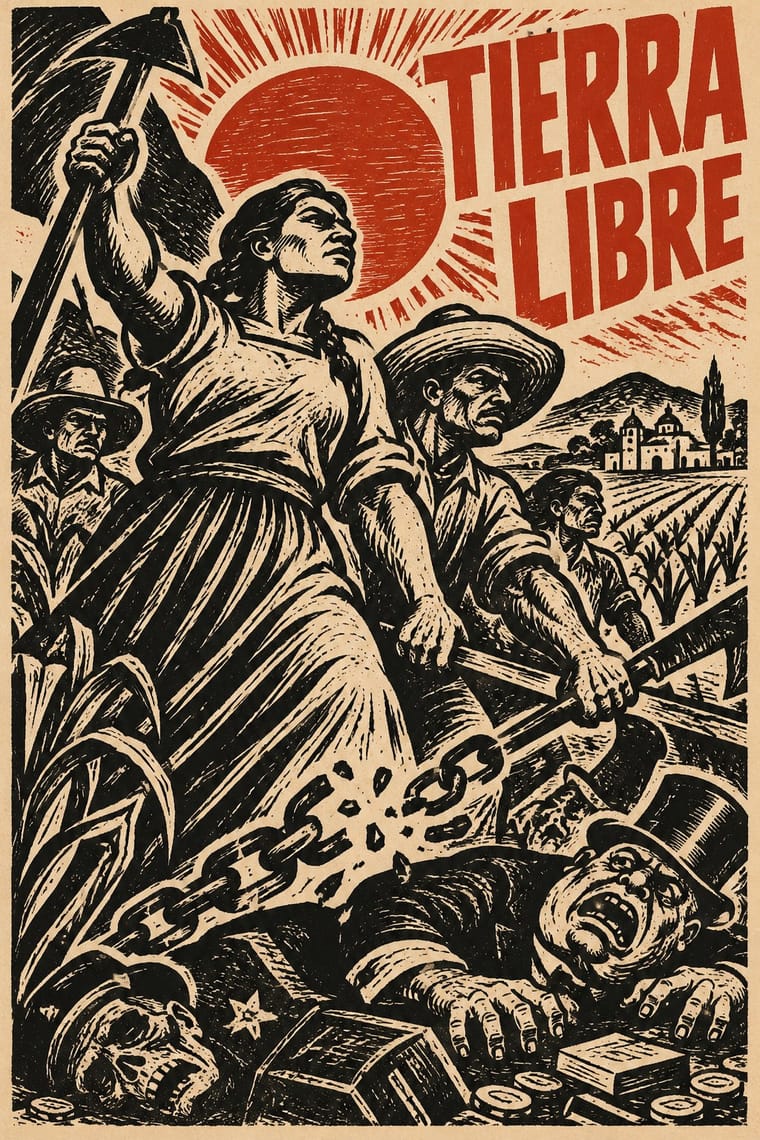
Taller 4 Rojo (Bogotá Photo-Screenprint Posters) 1970–1973
No later style in the atlas grew out of it yet.
Alike in its design choices
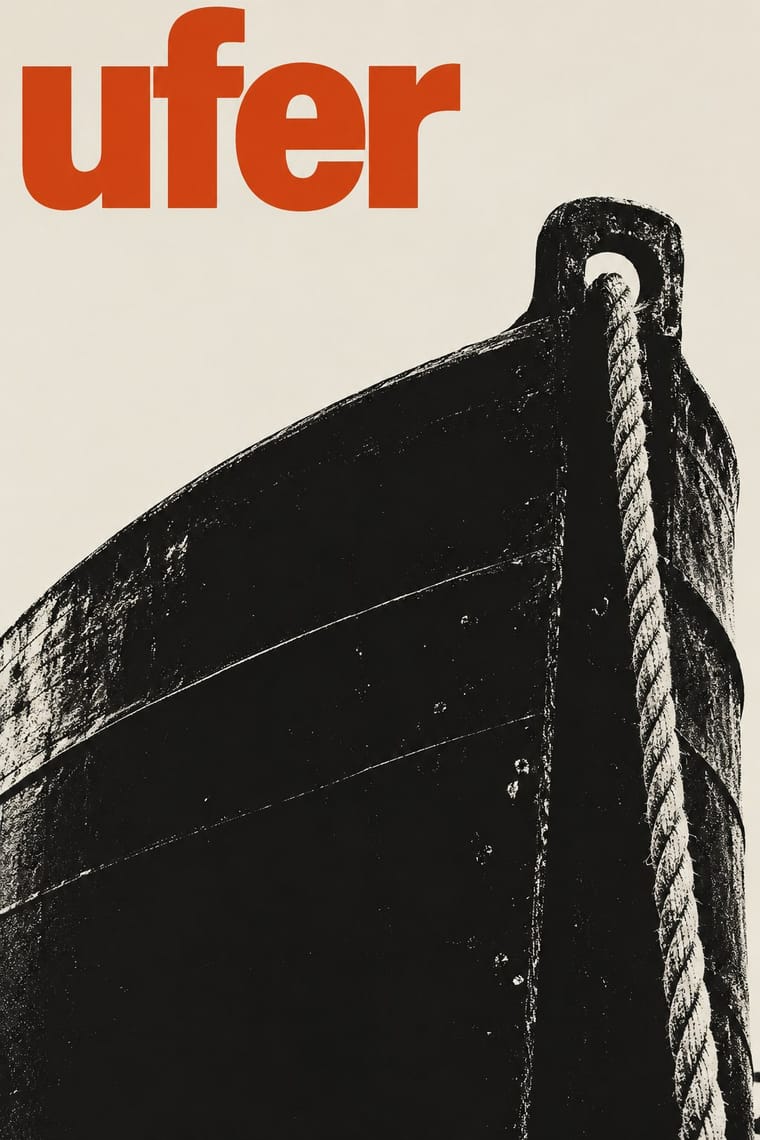
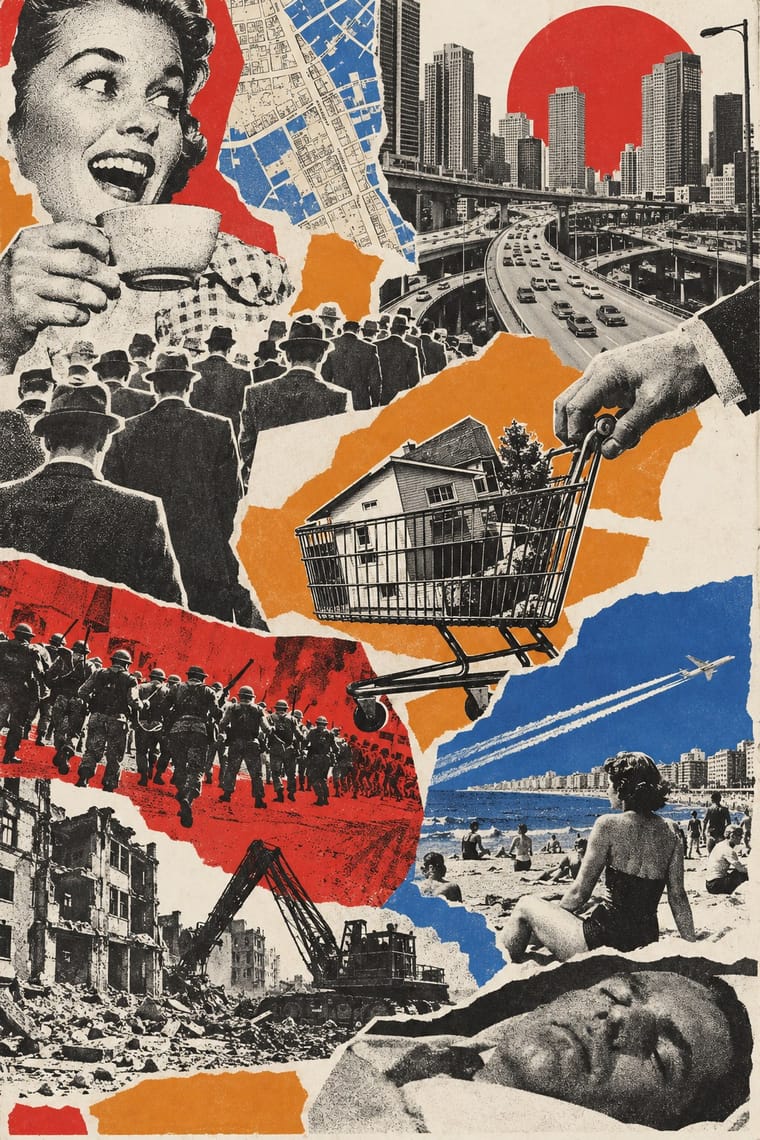
06
Combine it with
Styles Taller 4 Rojo (Bogotá Photo-Screenprint Posters) pairs well with or plays against, from the research. Each is worked out as a combination: which style gives the type, the colours and the forms.
- Chilean Unidad Popular & Nueva Canción Graphics Contrasts · Set its illustrative, folk-inflected warmth against the cold press-photo montage to see where each gets its urgency.
- Cuban Revolutionary Poster (OSPAAAL & ICAIC) Contrasts · Swap the state-commissioned single conceptual image for a halftone photographic collage built from the day's news.
- South African Resistance Poster Pairs well · Another workshop-based screenprint movement: borrow its shared-workshop model for a community poster run.
- Israeli Political Poster (Tartakover to Lemel) Contrasts · Set its single-concept typographic wit against a montage of press photographs and headlines to see how each makes an argument.
07
Often taken for
Taller 4 Rojo has no real works recorded yet, so these are its nearest styles by its choices alone, with the choices that tell them apart.
-
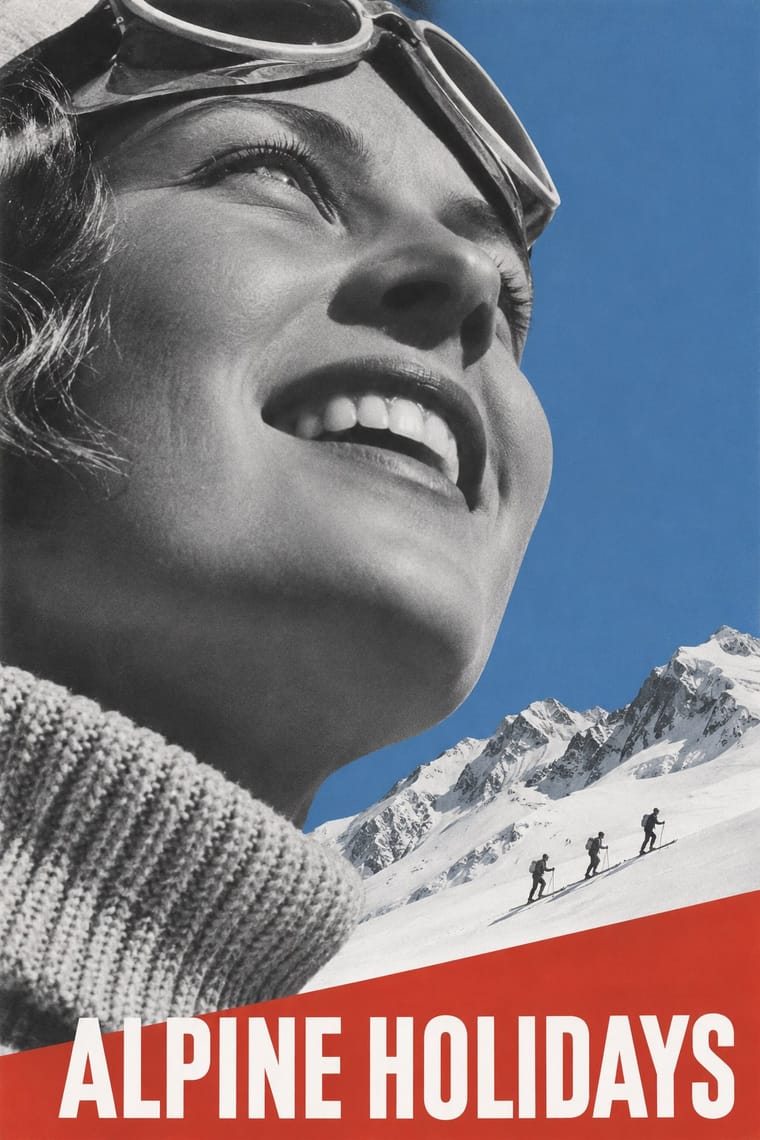
Matter Swiss Photographic Tourism Poster
Matter Swiss Photographic Tourism Poster is one of Taller 4 Rojo’s nearest styles by choices; no real work of either fits the other better.
Choices that tell Taller 4 Rojo and Matter Swiss Photographic Tourism Poster apart Choice Taller 4 Rojo Matter Swiss Photographic Tourism Poster Halftone & Ben-Day dots defining — Single focal point occasional defining Limited spot colours defining occasional Straight photography — characteristic Treated photography defining occasional No shared descent in the atlas: they reached these choices separately.
-
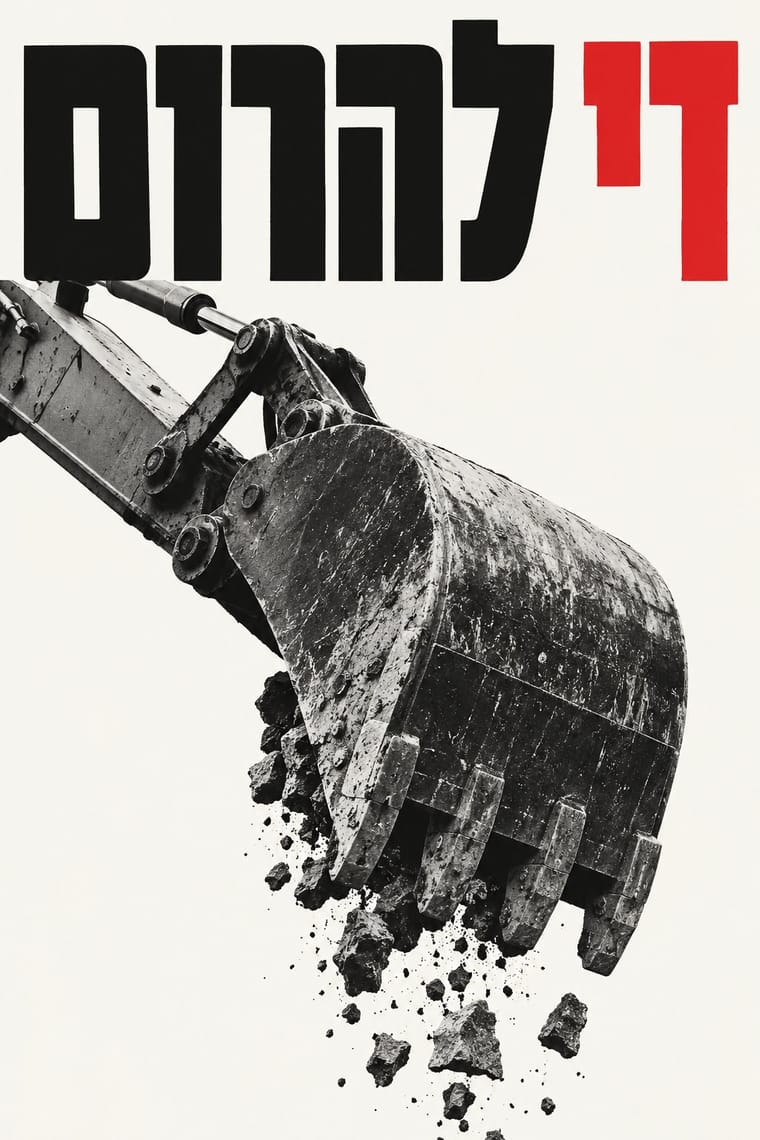
Israeli Political Poster (Tartakover to Lemel)
Israeli Political Poster is one of Taller 4 Rojo’s nearest styles by choices; no real work of either fits the other better.
Choices that tell Taller 4 Rojo and Israeli Political Poster apart Choice Taller 4 Rojo Israeli Political Poster Halftone & Ben-Day dots defining — Stylised figuration avoids occasional Collage & layering defining occasional Single focal point occasional defining Layered information characteristic — No shared descent in the atlas: they reached these choices separately.
-
West German Conceptual Film & Culture Poster (Hillmann and Rambow)
West German Conceptual Film & Culture Poster is one of Taller 4 Rojo’s nearest styles by choices; no real work of either fits the other better.
Choices that tell Taller 4 Rojo and West German Conceptual Film apart Choice Taller 4 Rojo West German Conceptual Film Collage & layering defining — Stylised figuration avoids characteristic Halftone & Ben-Day dots defining — Isolated object — defining Found & vernacular imagery characteristic — No shared descent in the atlas: they reached these choices separately.
-
Situationist Détournement Graphics
Situationist Détournement Graphics is one of Taller 4 Rojo’s nearest styles by choices; no real work of either fits the other better.
Choices that tell Taller 4 Rojo and Situationist Détournement Graphics apart Choice Taller 4 Rojo Situationist Détournement Graphics Treated photography defining — Stylised figuration avoids occasional Single focal point occasional avoids Light ground — characteristic Layered information characteristic — No shared descent in the atlas: they reached these choices separately.
— means the choice isn’t among the style’s recorded choices. Critics recorded each work’s choices with the styles’ descriptions in view, so this shows whether the descriptions hold together, not proof that they are right.
08
Sources
- Banco de la República, Taller 4 Rojo, Periódicos de ayer: https://www.banrepcultural.org/exposiciones/periodicos-de-ayer/taller-4-rojo
- Banco de la República, Enciclopedia: Nirma Zárate: https://enciclopedia.banrepcultural.org/index.php?title=Nirma_Z%C3%A1rate
- Banco de la República collections, Agresión al Imperialismo (3-piece series): https://colecciones.banrepcultural.org/es/document/agresin-al-imperialismo-serie-compuesta-por-3-piezas-fotografa/63a069165d96b8790f348ef9
How Stylogeny researches and checks a style: where the facts come from.