Typography · Display & special
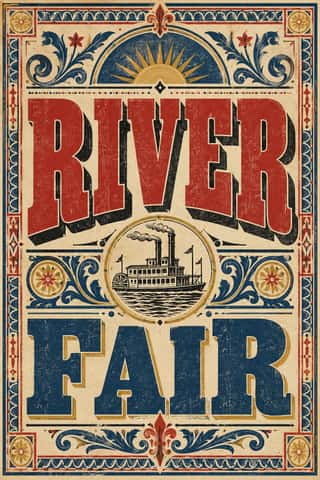
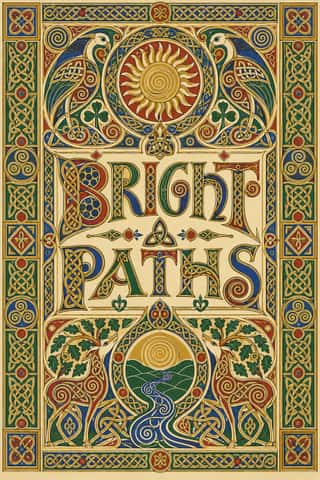
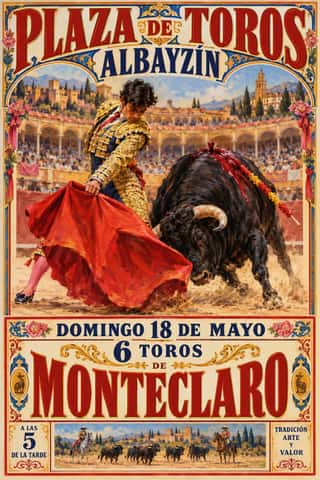
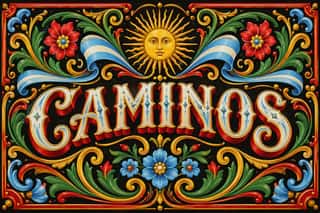
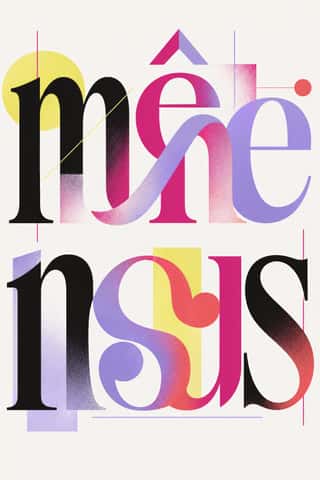
Ornamented display
Inline, shaded, Tuscan or fantasy display faces.
A design choice in Stylogeny’s vocabulary, under typography: what do the letters look like, and how are they set?
- styles make it
- 101
- as a defining choice
- 10
- as a usual one
- 46
- now and then
- 45
- avoid it
- 56
Styles defined by it 10
For these styles it is one of the choices that make the style.
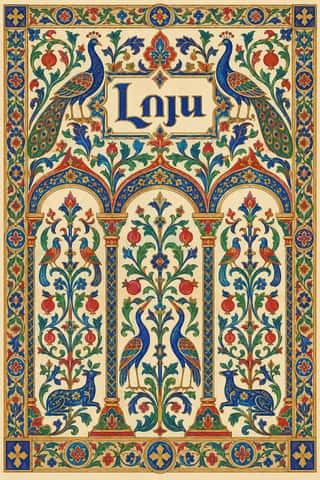

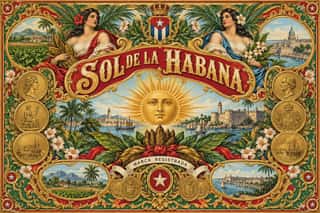
- Amazonian Boat Lettering (Abridores de Letras)The painted boat names of Pará's rivers in the Brazilian Amazon, made for about a century by self-taught riverside painters (abridores de letras).

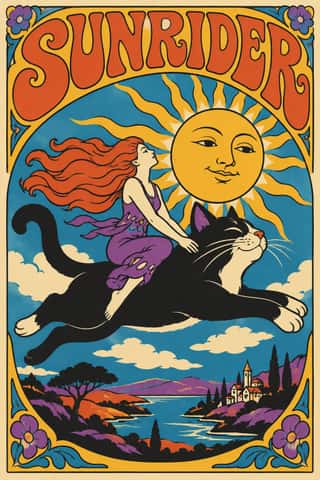
- Mexico 68 Olympic & Metro IdentityThe graphic programme of the 1968 Mexico City Olympics and the city's first Metro line.
- Roots Reggae Sleeve Art & Rasta IconographyThe record sleeves of roots reggae, from Catch a Fire (1973) until dancehall took over in the 1980s.


Styles that often use it 46
A characteristic choice: usual in these styles, though not essential.

- Mexican Popular Graphics (Posada)Cheap broadsheets, chapbooks and gazettes sold on the streets of Porfirian Mexico City by the publisher Antonio Vanegas Arroyo and illustrated by Manuel Manilla and José Guadalupe Posada.

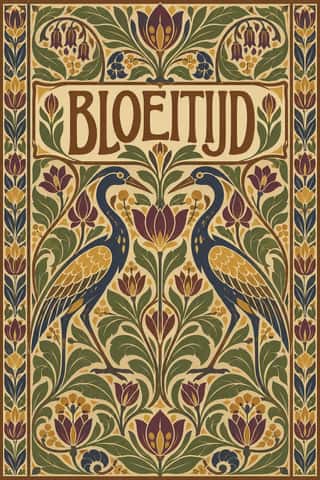
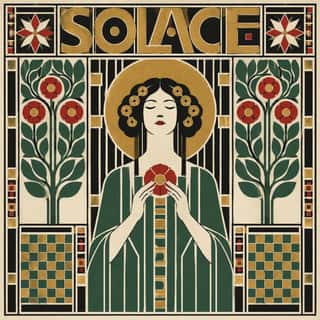

- Bezalel SchoolThe house style of the Bezalel School of Arts and Crafts, opened in Jerusalem by Boris Schatz in 1906 with E.


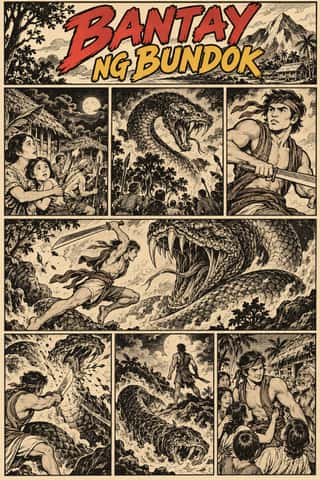
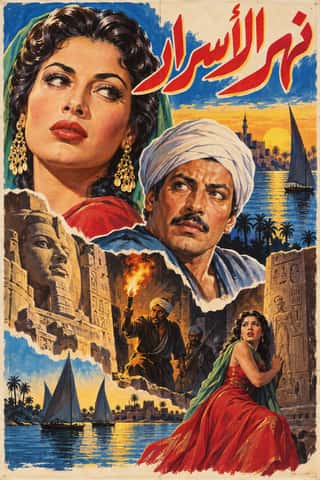
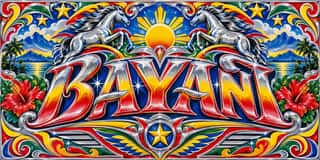

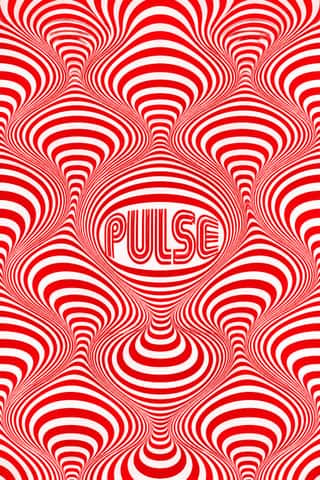
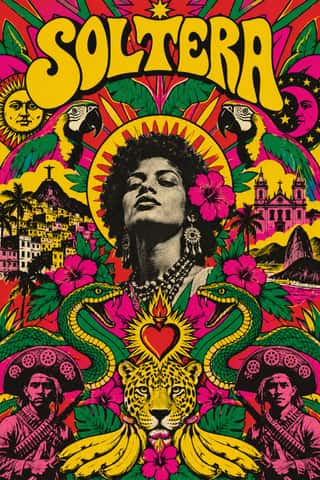

- Picó Sound-System Painting (Colombian Caribbean)The hand-painted fronts of the picós, the giant sound systems that play dances in the barrios of Barranquilla and Cartagena.

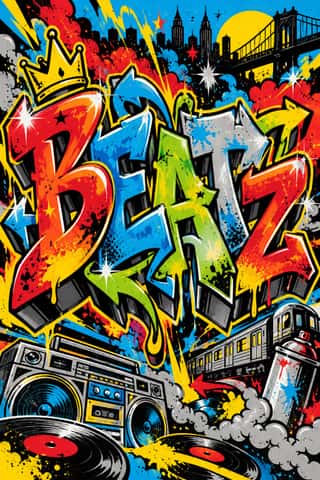
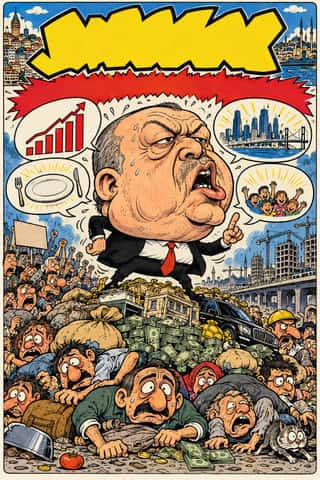
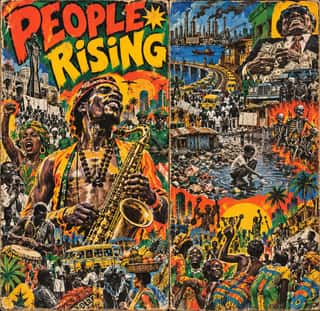

- Chicha PosterFluorescent screen-printed street posters that emerged in the 1980s to promote chicha (Andean cumbia) concerts in Lima, made by printers from Andean migrant communities.
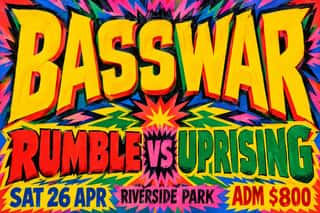
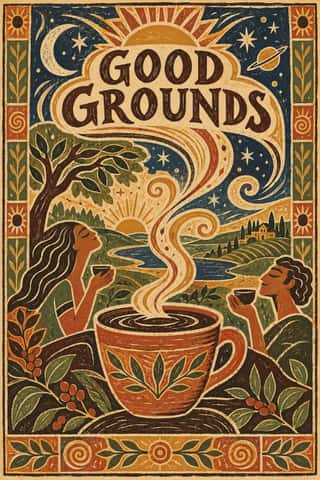
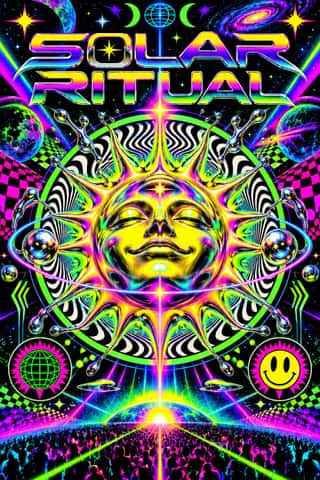
- Nigerian Pentecostal Crusade Poster & BillboardThe roadside adverts of Nigeria's Pentecostal and independent churches: billboards, banners and posters on poles, walls and bridges announcing crusades, revivals, conventions and night vigils.
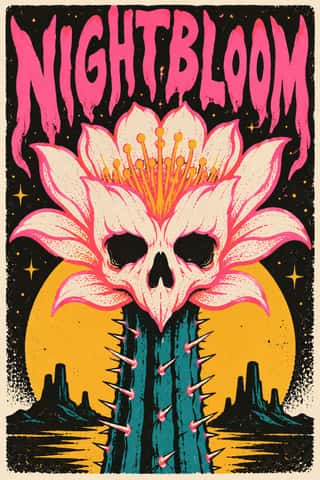
- Nollywood Video Jacket & Film PosterThe cover and poster art of Nigeria's home-video boom, from Living in Bondage (1992) on.
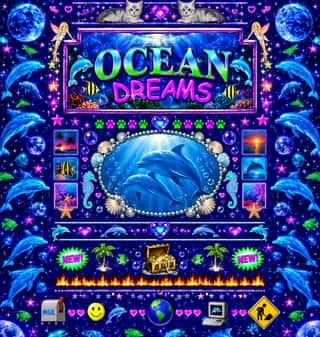
- Indian Pop-Kitsch Design (Desi Kitsch)Urban Indian gift and T-shirt design from the late 1990s into the 2010s that recasts the street and bazaar as ironic, affectionate icons: truck tails and 'Horn OK Please', auto-rickshaws, Ambassadors and Chetaks, cutting chai, old Bollywood stills and dialogues, Bhagat Singh in place of Che.
- Tamil Nadu Flex BannersThe digitally printed vinyl boards, locally called flex banners, that fan clubs, party cadres, businesses and families have put up along the roads of Tamil Nadu since about 2000, as flex displaced hand-painted cinema banners and cut-outs over the following decade.
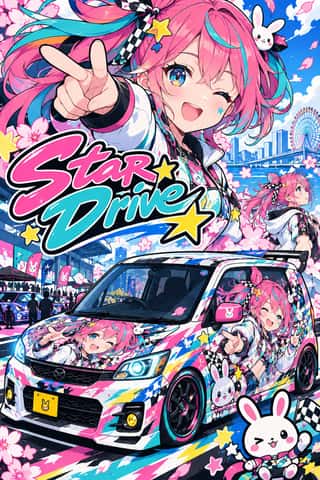

- 'Good Morning' Greeting Images (WhatsApp Forward Vernacular)The ready-made greeting pictures that millions of smartphone users, many of them older and new to the internet, forward to family, friends and groups each morning on WhatsApp, above all in India and Brazil.



Styles that use it now and then 45
An occasional choice in these styles.
- Chinese Paper-Cut (Jianzhi)c. 500–present
- Chaekgeori & Minhwa Screen Painting1776–present
- Edo-moji Commercial Lettering (Kanteiryū, Yose-moji, Sumō-ji)1779–present
- Imagerie d'Épinal & European Bilderbogen1796–1939
- Hand-Painted Signage & Vernacular Lettering1800–present
- Nirnaya Sagar Devanagari Typography (Bombay Metal Type)1864–present
- Indian Calendar & Bazaar Art1878–present
- Norwegian and Finnish National Romantic Graphics (Munthe & Karelianism)1880–1922
- Guna Mola1900–present
- Taishō Roman & Lyrical Illustration1910–1940
- Basel Object Poster (Swiss Sachplakat)1919–1955
- Estridentismo (Stridentist) Graphics1921–1927
- Brazilian Modernismo Graphics (Klaxon and the Semana de 22)1922–1929
- Republican Chinese Book Cover Design (Lu Xun & Tao Yuanqing)1923–1949
- Early Turkish Republican Graphic Design1925–1960
- Harlem Renaissance Graphic Art1925–1940
- Australian Travel Poster (ANTA Era)1929–1959
- Mexican Calendar Chromo (Cromos calendáricos)1930–1970
- Streamline Moderne1930–1945
- Hebrew Poster Lettering & Early Israeli State Design1934–1974
- Onitsha Market Pamphlets1947–1980
- Pakistani Truck Art1947–present
- Bonelli Fumetto (Italian Popular Adventure Comics)1948–present
- West African Barbershop & Hair Salon Signs1950–present
- Cairo–Beirut Arab Modernist Book & Periodical Design1952–1990
- Polish Cold War Neon (PRL Neonisation)1956–1981
- Cuban Revolutionary Poster (OSPAAAL & ICAIC)1960–1990
- Phototype Expressive Typography (Lubalin & U&lc)1962–1985
- Gráfica del 68 (Mexican Student Movement Graphics)1968
- Ultras Graphics (Curva Banners and Tifo)1968–present
- Pop Achorado (Peruvian Agrarian Reform Posters)1969–1975
- Afrofuturist Design1970–present
- Kawaii Design1970–present
- Australian Poster Collective Screenprints1971–1994
- Ghanaian Movie Poster1985–2005
- Black Metal Graphics1990–present
- Ghanaian Funeral Poster & Banner1990–present
- Bitterkomix (Afrikaans Underground Comics)1992–present
- South African Vernacular Design (Ijusi)1995–present
- Japanese Dense Web Design1999–present
- Hauntology & Ghost Box Design2004–present
- Neo-Andean Architecture (Cholets)2005–present
- Low Poly Illustration2012–present
- Newtro (Korean New-Retro)2017–present
- Generative-AI Image Aesthetic2022–present
It often goes with
Choices that the styles making it make more often than the atlas as a whole.
- Eclectic mixingin 46 of 101
- All capsin 65 of 101
- Horror vacuiin 61 of 101
- Naturalistic depictionin 54 of 101
- Full polychromein 69 of 101
- Hard offset shadowin 30 of 101
Styles that avoid it
Styles that deliberately leave it out.
- Song–Ming Woodblock Book Typography (Songti / Mincho)c. 960–present
- Tibetan Woodblock Print Culture (Pecha & Prayer Flags)c. 1410–present
- Renaissance Book Typographyc. 1460–1600
- Ma & Wabi-sabi Aesthetics1500–present
- Arts & Crafts Movement1860–1920
- German Book Art Movement (Buchkunstbewegung)1895–1933
- Vorticism & BLAST Typography1914–1920
- Bauhaus1919–1933
- Leningrad Avant-Garde Picture Book1922–1936
- Die Neue Typographie1923–1940
- Isotype Pictorial Statistics1925–1971
- Scandinavian Functionalism1930–present
- Penguin Paperback Design (Three Bands to the Marber Grid)1935–1972
- American Mid-Century Modernism1940–1970
- Machine-Age Simplified Arabic Type1947–present
- International Typographic Style1950–1975
- Japanese Postwar Modernism1950–1990
- Brazilian Concrete Design1951–1975
- HfG Ulm Systematic Design1953–1968
- West German Conceptual Film & Culture Poster (Hillmann and Rambow)1953–1990
- Corporate Identity Modernism1955–1990
- Blue Note Jazz Sleeve Modernism1956–1967
- British Road Signage (Kinneir & Calvert)1958–present
- Greek Tourism Modernism (EOT)1960–1974
- Iranian Modernist Graphic Design1960–present
- Indian Institutional Modernism (NID)1961–1990
- Total Design & Dutch Functionalism1963–1990
- Hong Kong East–West Graphic Modernism1964–present
- Minimalist Graphic Design1965–present
- Munich 1972 Olympic Design (Otl Aicher)1966–1972
- ECM Sleeve Aesthetic (Munich)1969–present
- Roman-like Thai Typography (modern loopless Thai)1973–present
- Post-Punk Record Sleeve (Stiff, Factory, 4AD)1977–1990
- South African Resistance Poster1978–1994
- Stencil Street Art1978–present
- Pixação (São Paulo Tag Reto)1980–present
- Solidarność & Polish Underground Graphics1980–1989
- Out-of-Square Hangul Typography1985–present
- ACT UP & Gran Fury AIDS Activist Graphics1987–1995
- Hype Streetwear Graphics (Box Logo to Quotation Marks)1993–present
- Arabic Calligraffiti2002–present
- Contemporary Arabic & Dual-Script Type Design2004–present
- Neo-Swiss Revival2005–present
- Seoul Independent Graphic Design (Small-Studio Scene)2005–present
- Danmaku Bullet-Comment Overlay2006–present
- Generative & Dynamic Identities2007–present
- Newsroom Data Graphics & Scrollytelling2009–present
- Flat Design2010–2016
- Slow-Living Editorial (the Kinfolk Look)2011–present
- Syrian Revolution Graphics (Kafranbel Banners & Poster Collectives)2011–2024
- DTC 'Blanding' / Millennial Minimalism2012–2022
- GOV.UK Design (GDS Style)2012–present
- Plain Tobacco Packaging2012–present
- Material Design2014–present
- Dark Tech Minimalism2019–present
- Weirdcore & Dreamcore2019–present
Other choices in typography
- Humanist & Garalde serif
- Transitional serif
- Didone
- Slab serif
- Grotesque & neo-grotesque
- Geometric sans
- Humanist sans
- Rounded sans
- Blackletter
- Script
- Brush & pen calligraphy
- Hand-lettering
- Condensed display
- Stencil
- Monospace
- Bitmap & pixel
- Experimental & distorted
- All caps
- Lowercase only
- Type as image
- Flush left, ragged right
- Rotated & vertical setting
- Eclectic mixing
- Tight setting
- Wide letterspacing