Typography · Scripts & hands
Brush & pen calligraphy
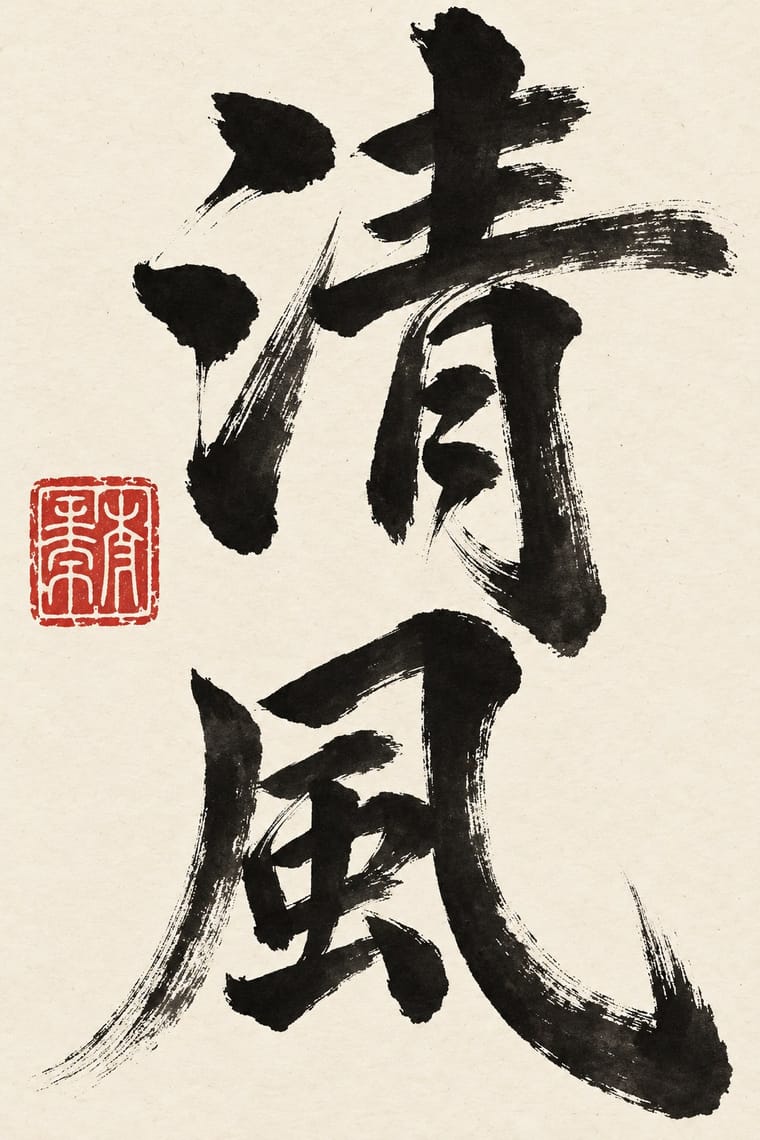
Calligraphy as structure: Arabic, East Asian, broad-pen Latin.
A design choice in Stylogeny’s vocabulary, under typography: what do the letters look like, and how are they set?
- styles make it
- 87
- as a defining choice
- 31
- as a usual one
- 31
- now and then
- 25
- avoid it
- 3
Styles defined by it 31
For these styles it is one of the choices that make the style.
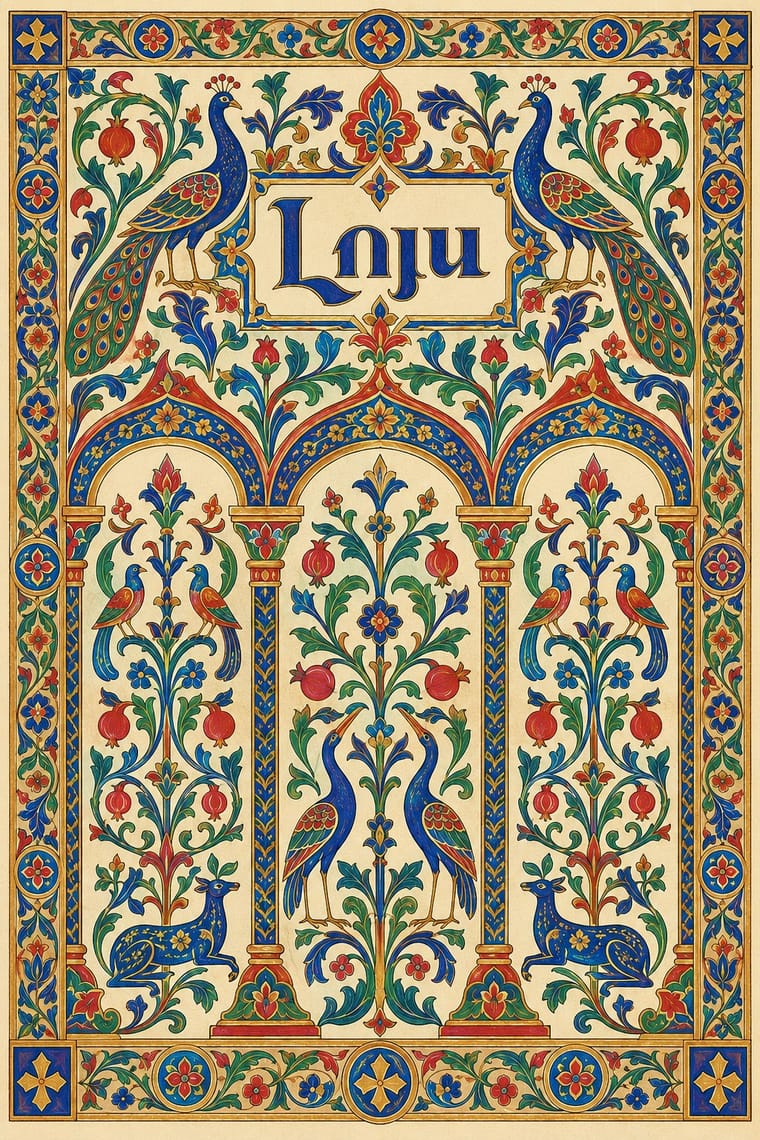
- Ethiopian Ge'ez Manuscript & Haräg IlluminationThe manuscript art of the Ethiopian and Eritrean Orthodox Tewahedo Church, written in the Ge'ez syllabary on parchment from the Garima Gospels (radiocarbon-dated to roughly the 4th–7th centuries) to the present.
- Hebrew MicrographyA Jewish scribal art in which lines of minute Hebrew script, usually the Masoretic notes that guard the biblical text, are written so that the line itself draws: interlaced frames and star rosettes on full carpet pages, and animals, knights, fish and grotesques in the margins.
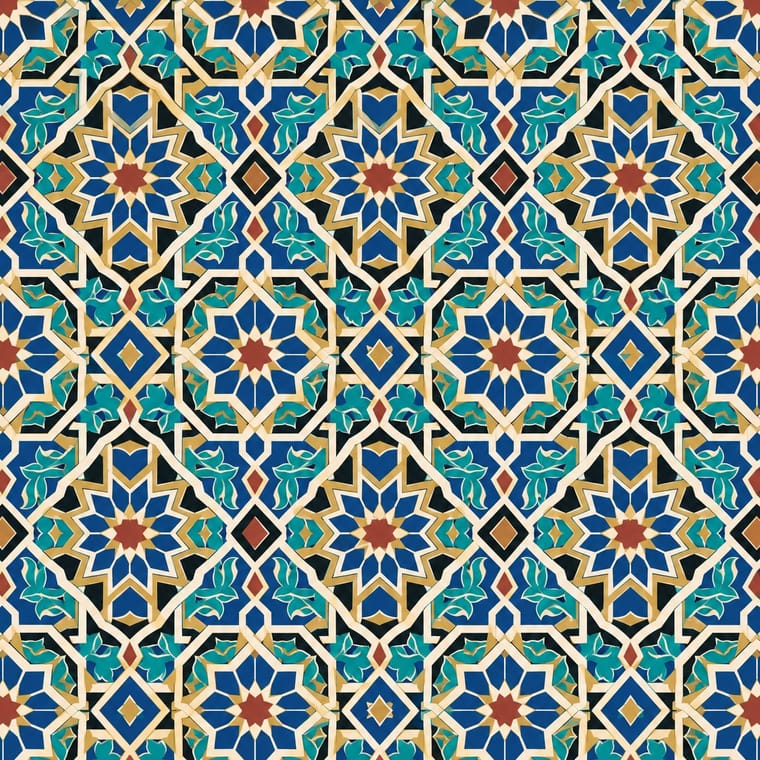
- Maghrebi Script (Maghribi Calligraphy of al-Andalus and North Africa)The family of Arabic scripts of al-Andalus and North Africa, descended from early Kufic bookhands.
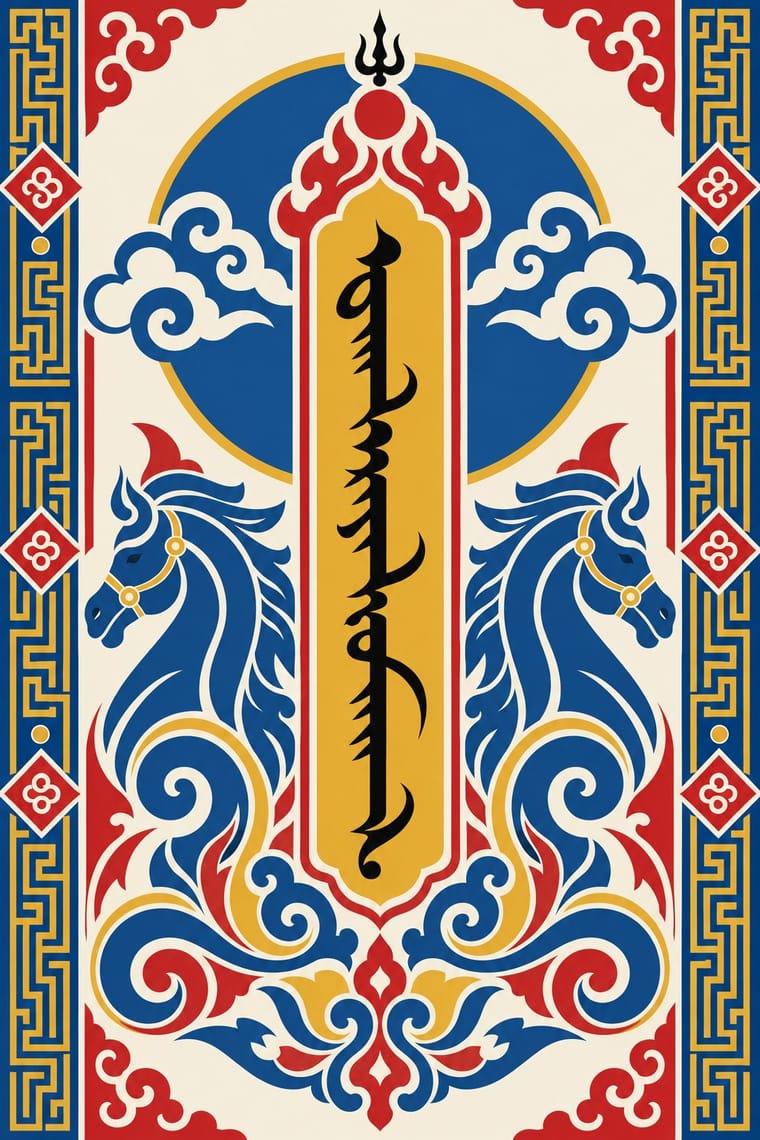
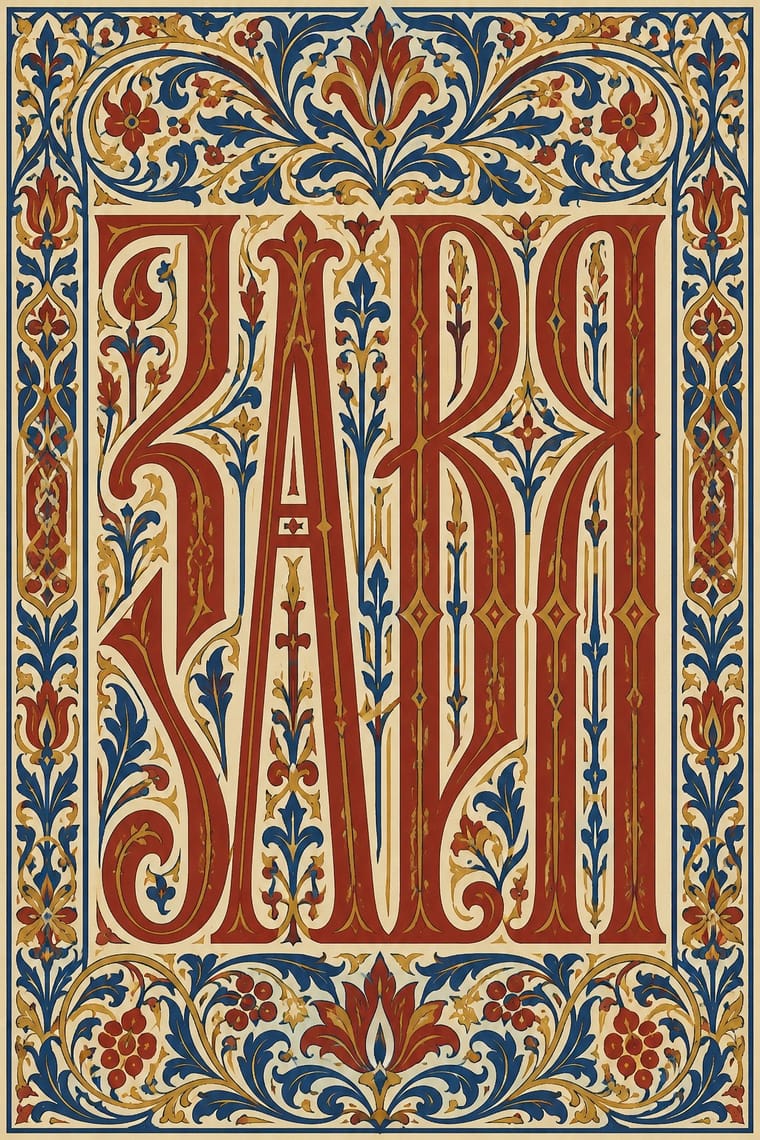
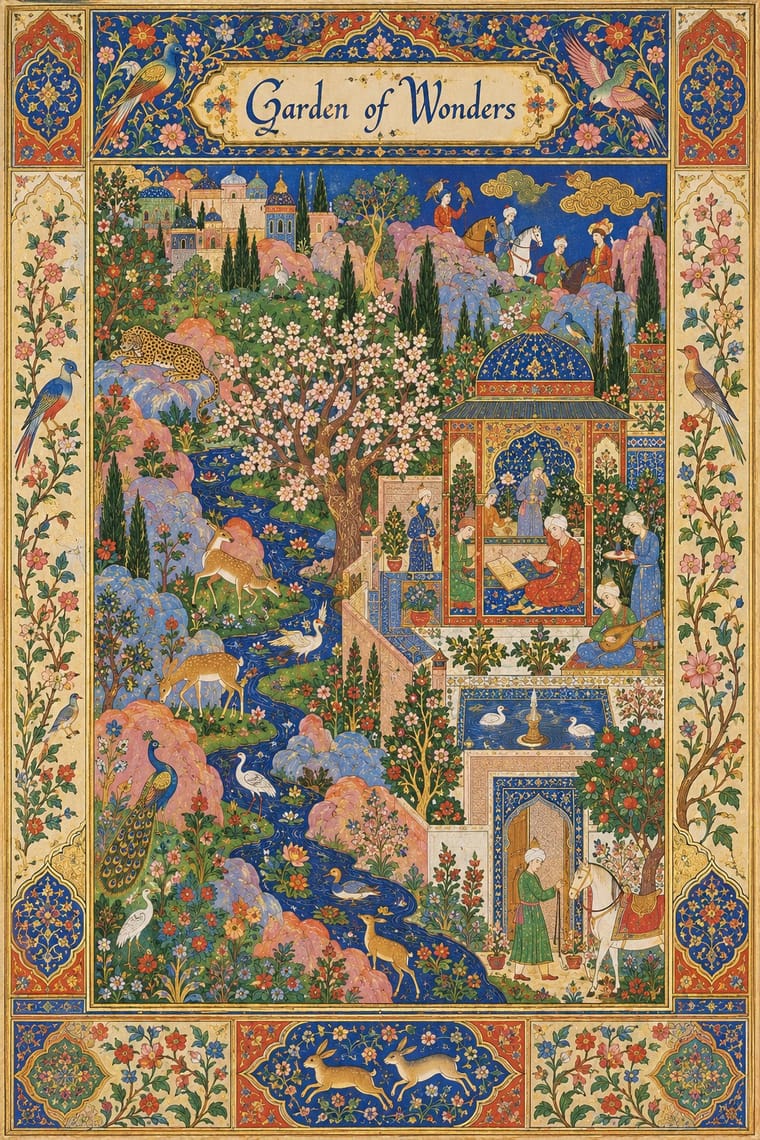
- Ottoman Tughra & Dîvânî Chancery CalligraphyThe Ottoman sultan's calligraphic monogram and the chancery hand written beneath it.
- Persian Nastaʿlīq Calligraphy (Qiṭʿa, Chalipa and Siyāh-mashq)The 'hanging' script of Persian poetry and an art of the single sheet.
- Tibetan Woodblock Print Culture (Pecha & Prayer Flags)Tibetan Buddhist and Bön woodblock printing, from the first printed Kangyur (1410, cut in China) and the 15th-century presses of Gungthang to the great printing houses of Narthang, Derge and Lhasa.
- Zoomorphic & Figural Calligraphy (Islamic Calligrams)Pictorial writing in which the strokes of a devotional text form one figure: a lion of ʿAli built from the Nad-e ʿAli prayer, a galleon whose hull spells the names of the Seven Sleepers, a peacock, a Sufi cap.
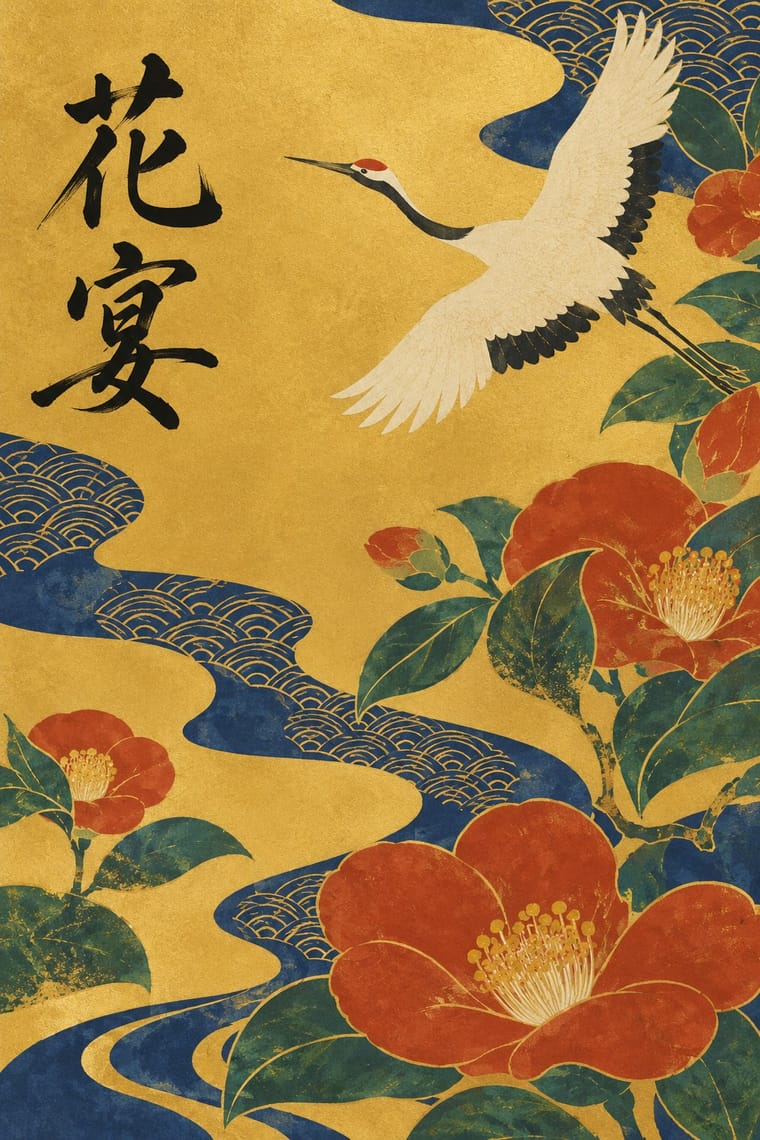
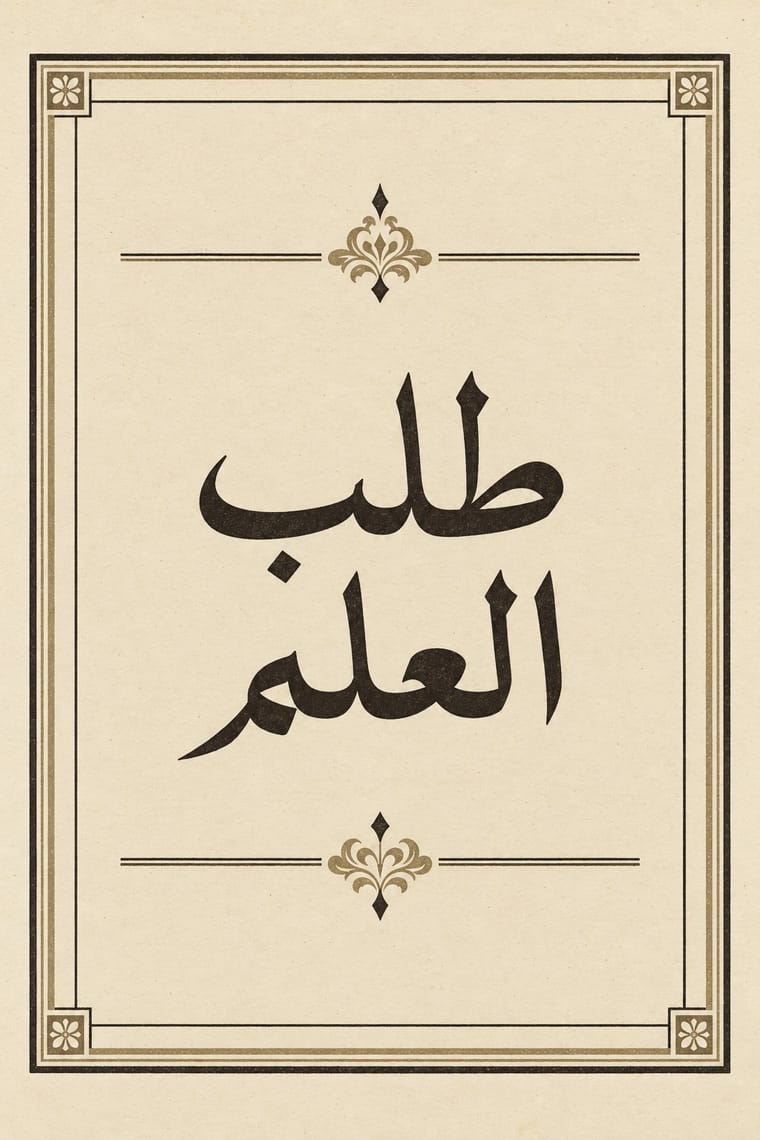
- Urdu Katib LithographyFor about a century and a half Urdu chose lithography over movable type, because metal type could not reproduce the sloping, stacked ligatures of Nastaʿlīq.
- Persian Popular Narrative (Lithographs & Coffeehouse Painting)Iran's popular picture-stories in two media.
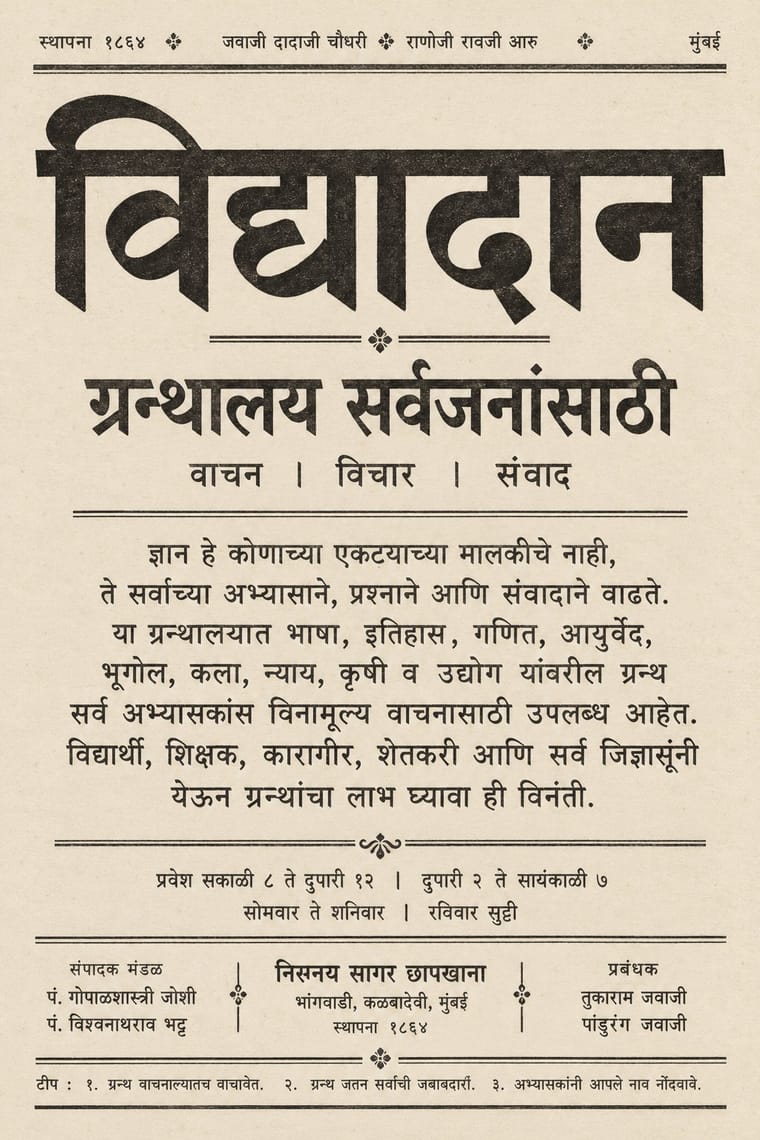
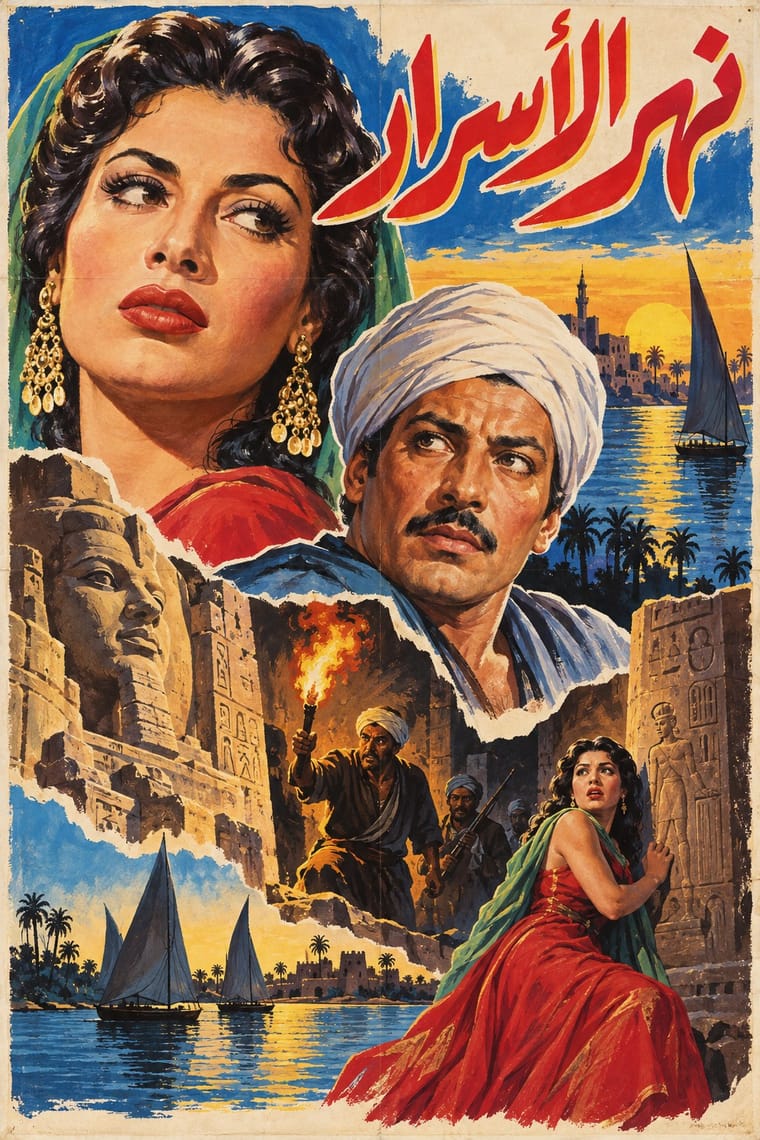
- Hurufiyya Calligraphic ModernismA pan-Arab and Iranian modern-art movement, begun by Madiha Omar in the late 1940s, that freed the letters of the Arabic script from text and used them as abstract visual units.
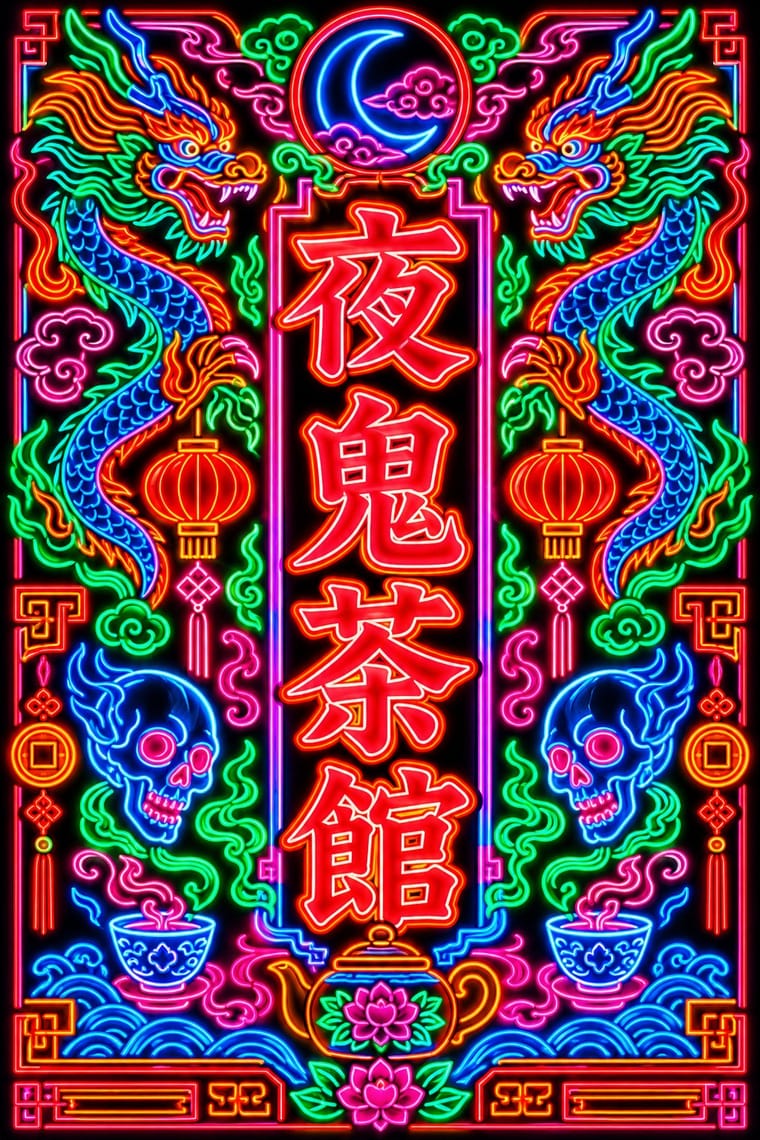
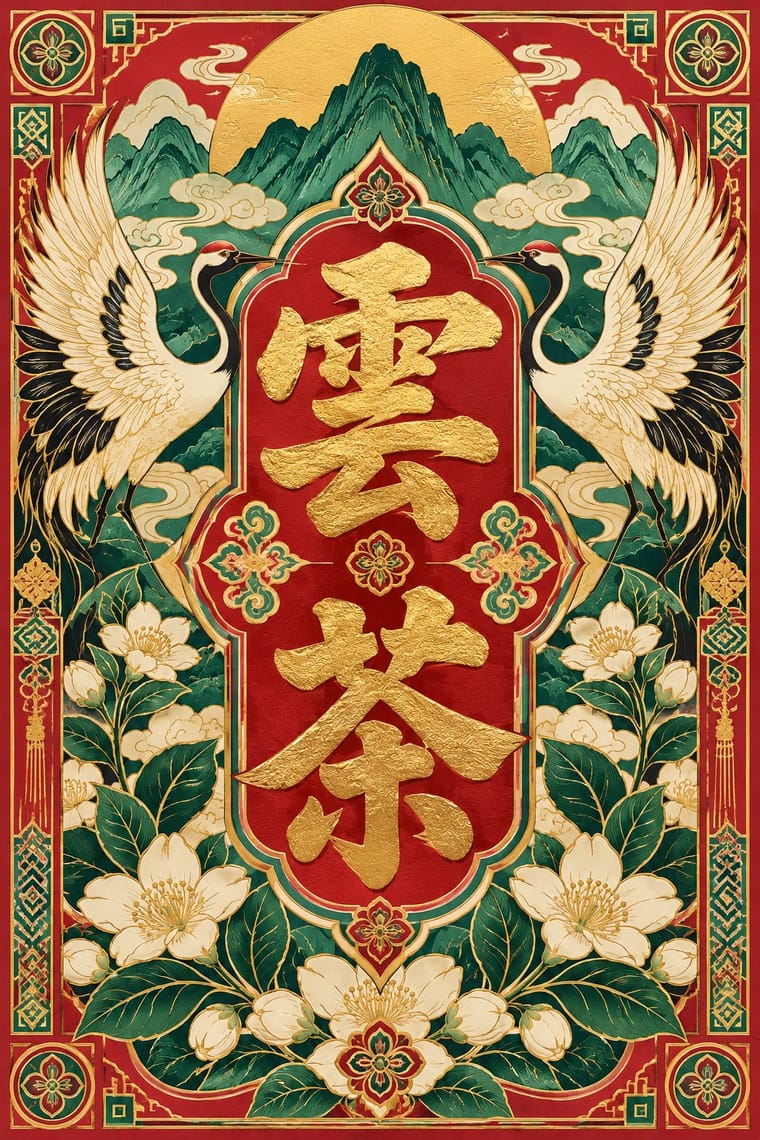
- Dazibao (Big-Character Posters)Handwritten wall posters in large brush characters that turned the walls of Mao-era China into a public forum for criticism, denunciation and, at the Democracy Wall, dissent.
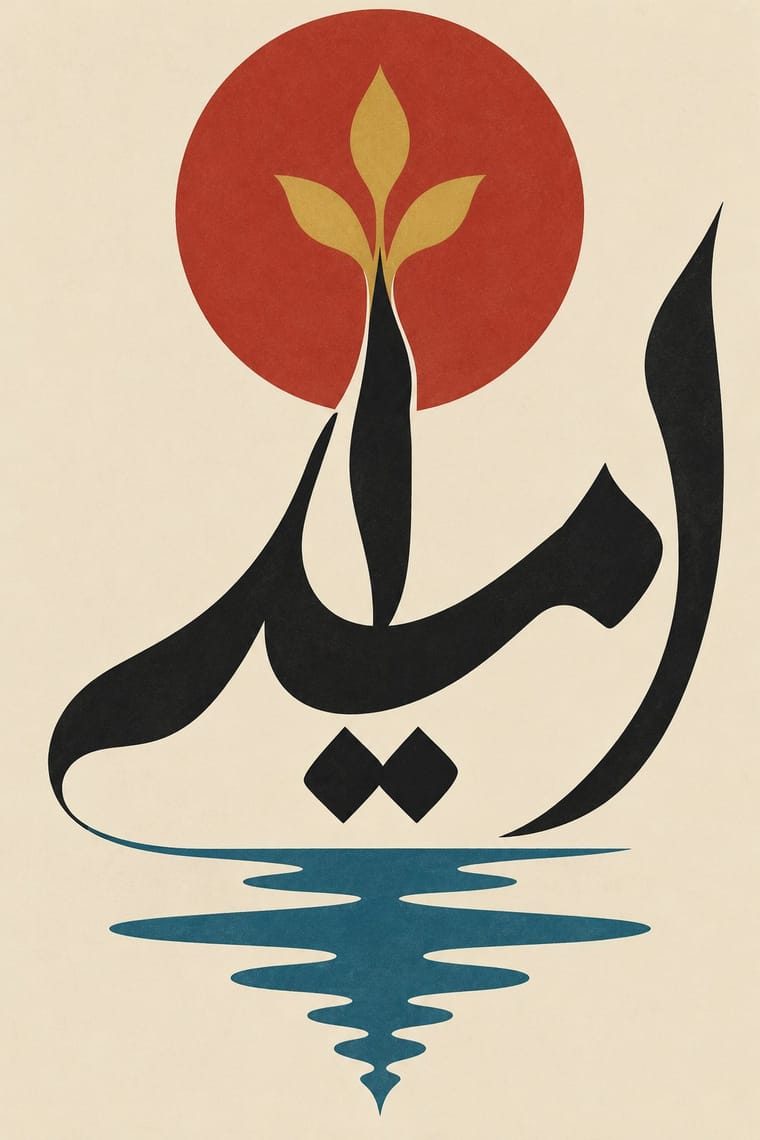
- Iranian Revolutionary & Sacred Defence PosterPosters, murals and stamps of the 1978–79 Iranian Revolution and the 1980–88 war with Iraq, which fused the red-white-black international revolutionary poster with Persian miniature and coffeehouse narrative painting.
- Madinah Mushaf (King Fahd Complex Qur'an Page)One fixed page for the Qur'an across much of the Muslim world: Uthman Taha's fully vowelled Naskh in fifteen justified lines, written so that every page ends at the end of a verse (the late Ottoman âyet-berkenar layout), inside a floral frame, with sura titles in framed cartouches and verse numbers in small round medallions.
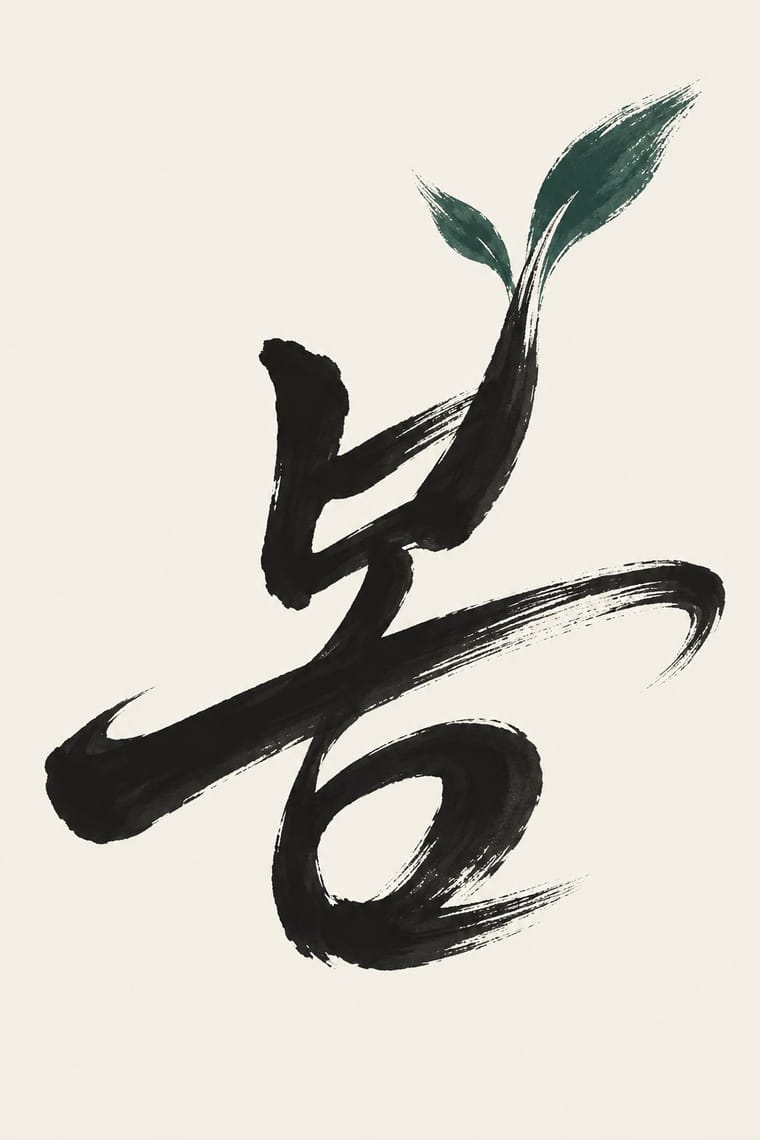
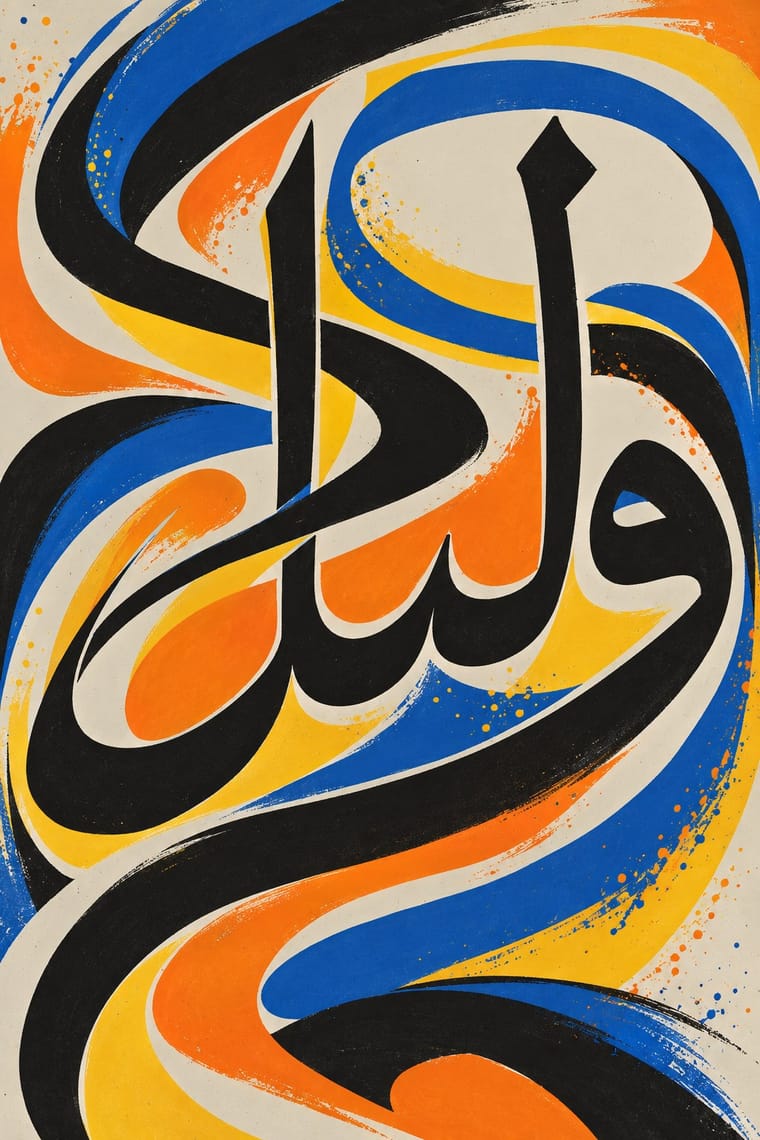
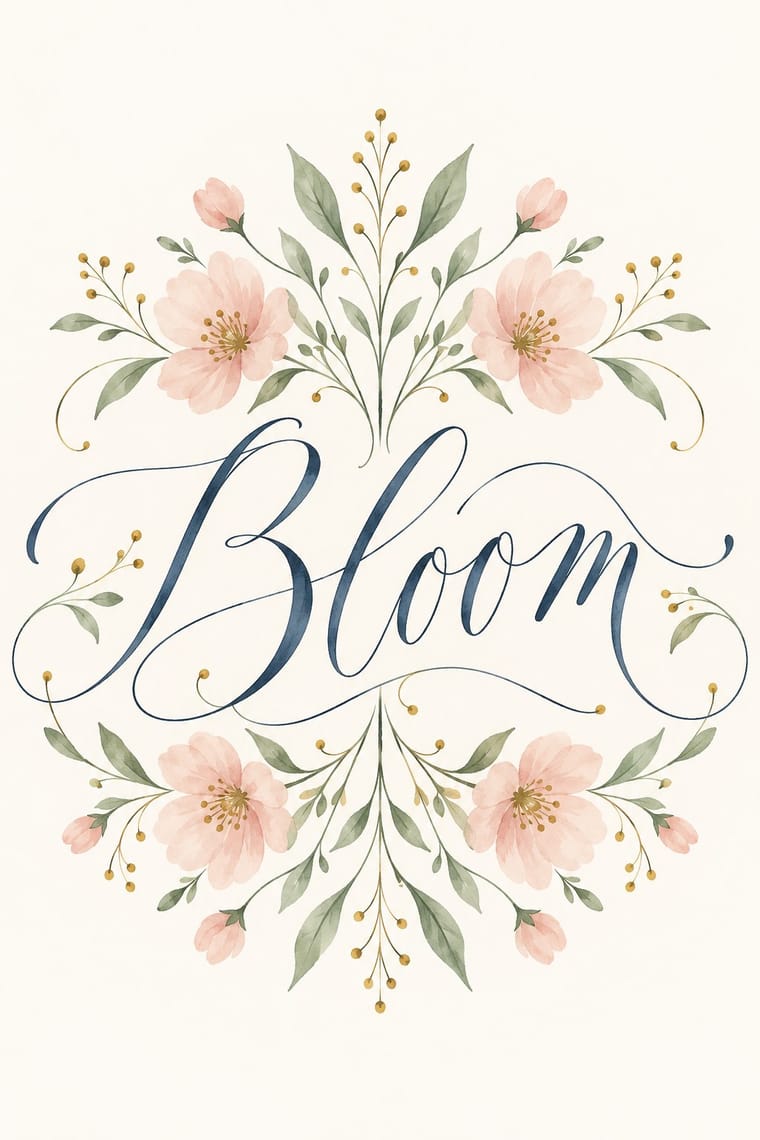
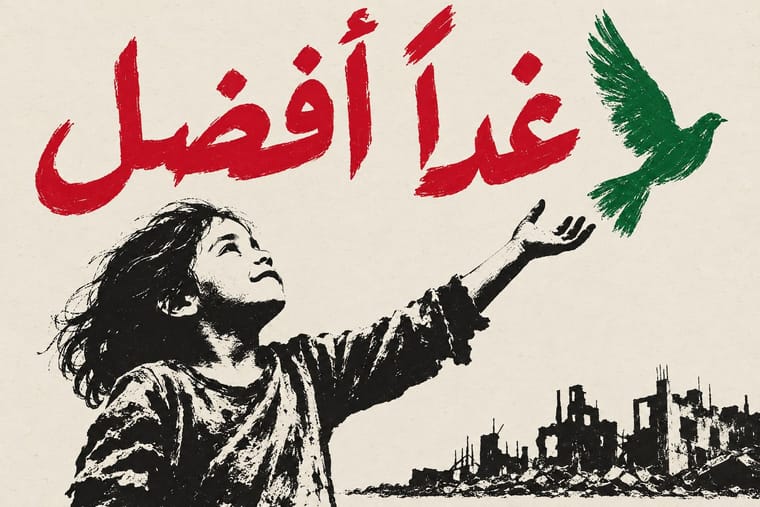
- Woman, Life, Freedom Protest Graphics (Iran and the Diaspora)Posters and digital graphics made in Iran and the diaspora after Mahsa (Jina) Amini died in morality-police custody in September 2022.
Styles that often use it 31
A characteristic choice: usual in these styles, though not essential.
- Square Kufic (Bannāʾī)Square Kufic builds Arabic script on a square grid: straight lines and right angles only, with every stroke as wide as the gap beside it.
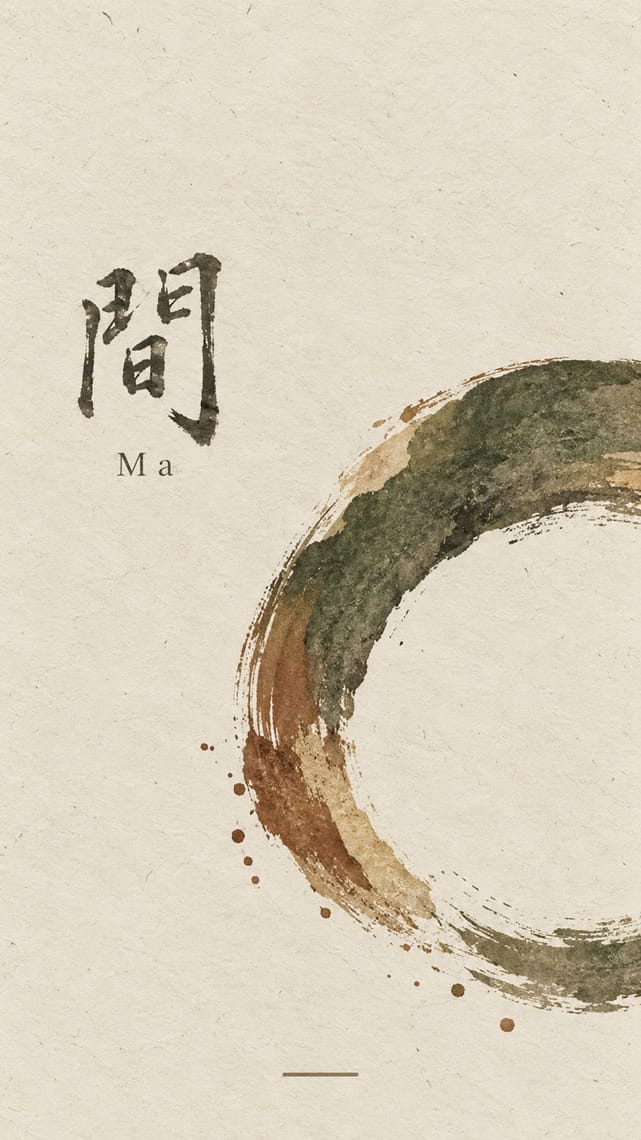
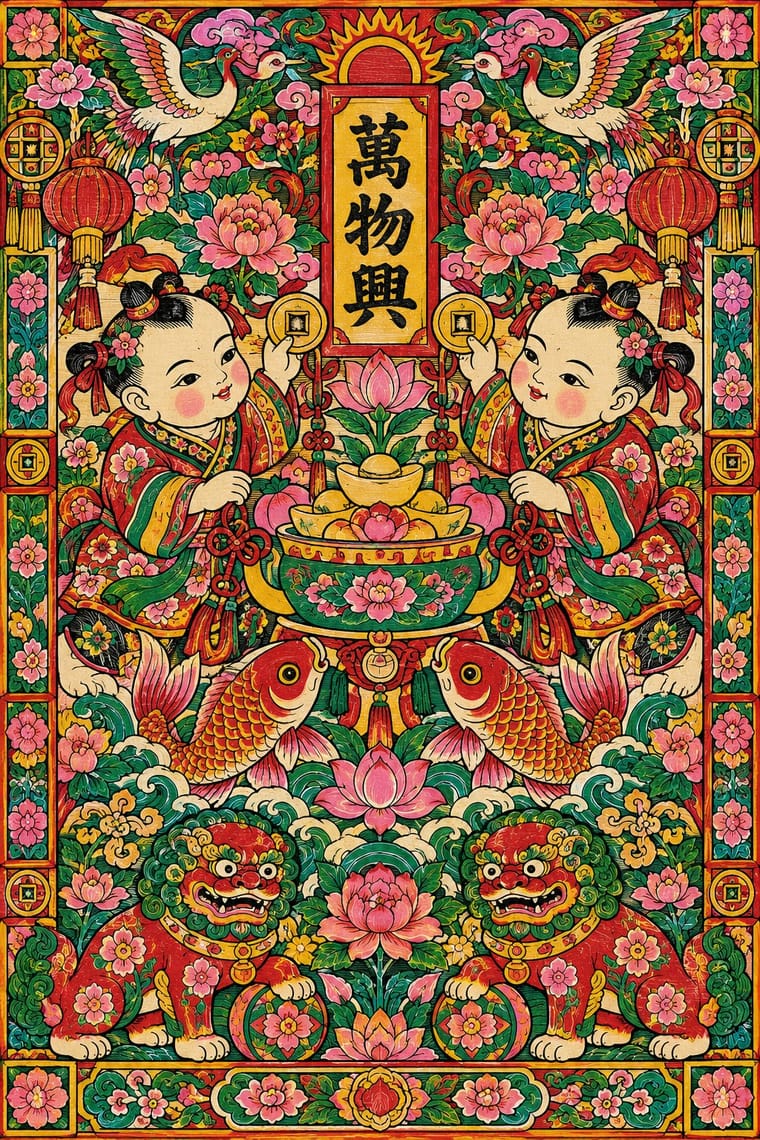
- Đông Hồ & Hàng Trống Folk PrintsVietnam's two classic folk-print schools, bought for Tết. Đông Hồ families press each colour from its own carved block onto giấy điệp, dó paper brushed with ground scallop shell whose streaked, faintly sparkling surface serves as the white, and print the black line last.
- Ten Bamboo Studio Colour Woodblock (Douban & Gonghua)A kind of colour woodblock printing begun in late-Ming Nanjing, made so that a print looks like a brush painting.
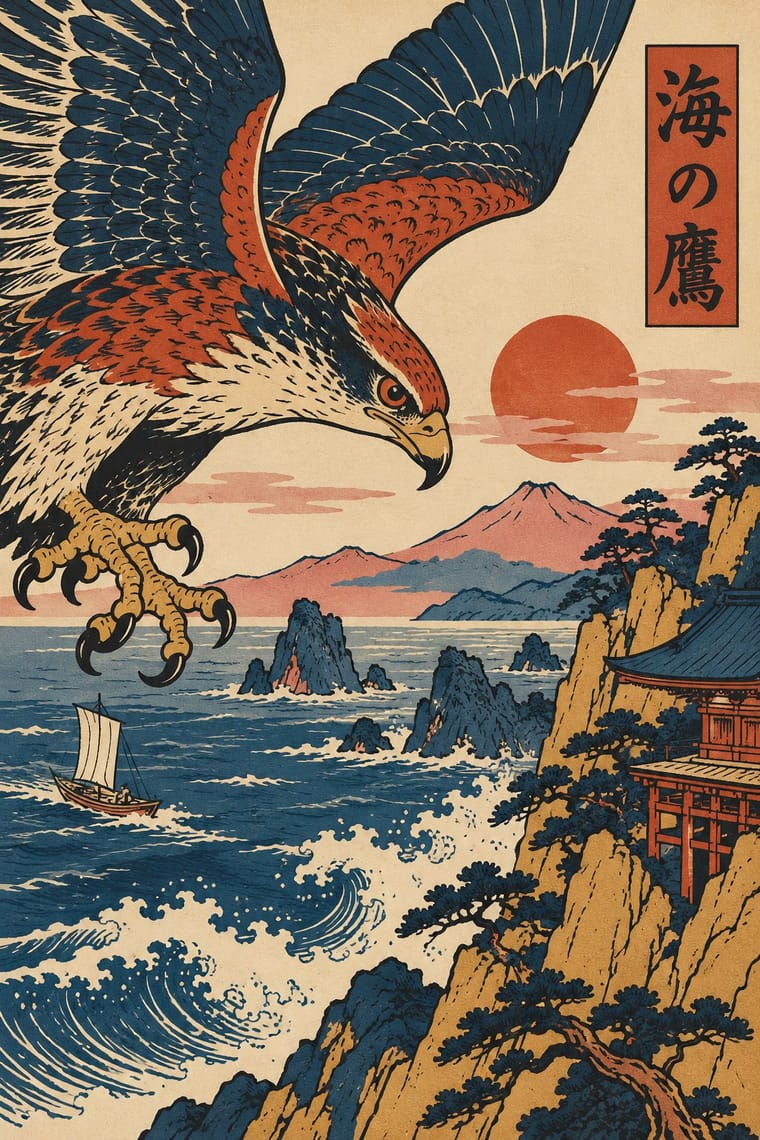
- Thai Yantra (Yant) DiagramsThai protective diagrams in which Pali formulae, written in Khom, a sacred script derived from Khmer, are packed into squares, circles, triangles, spires and the outlines of Buddhas, monks and tigers, often framed by lines of script.
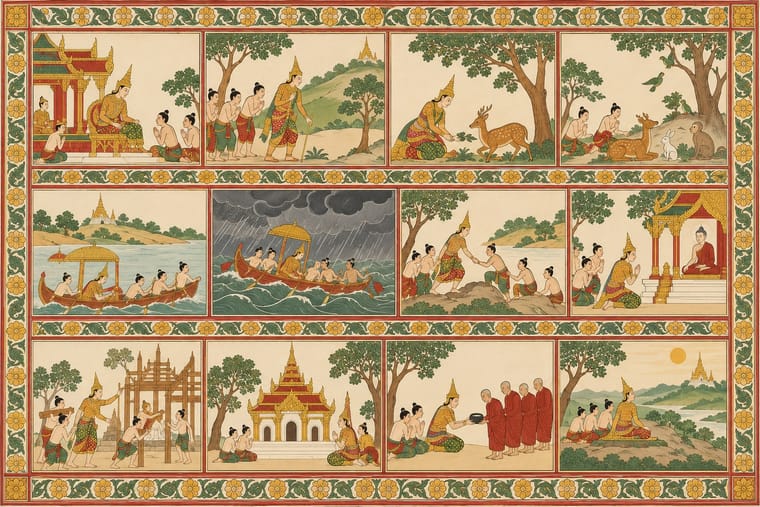
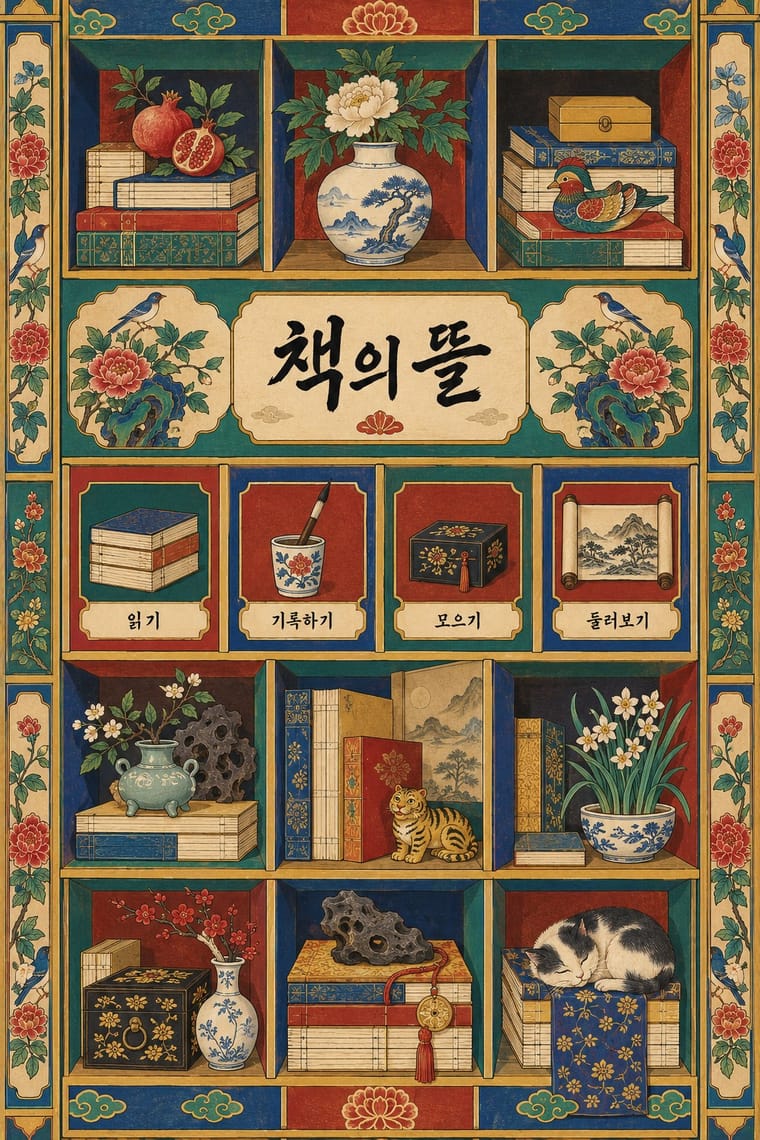
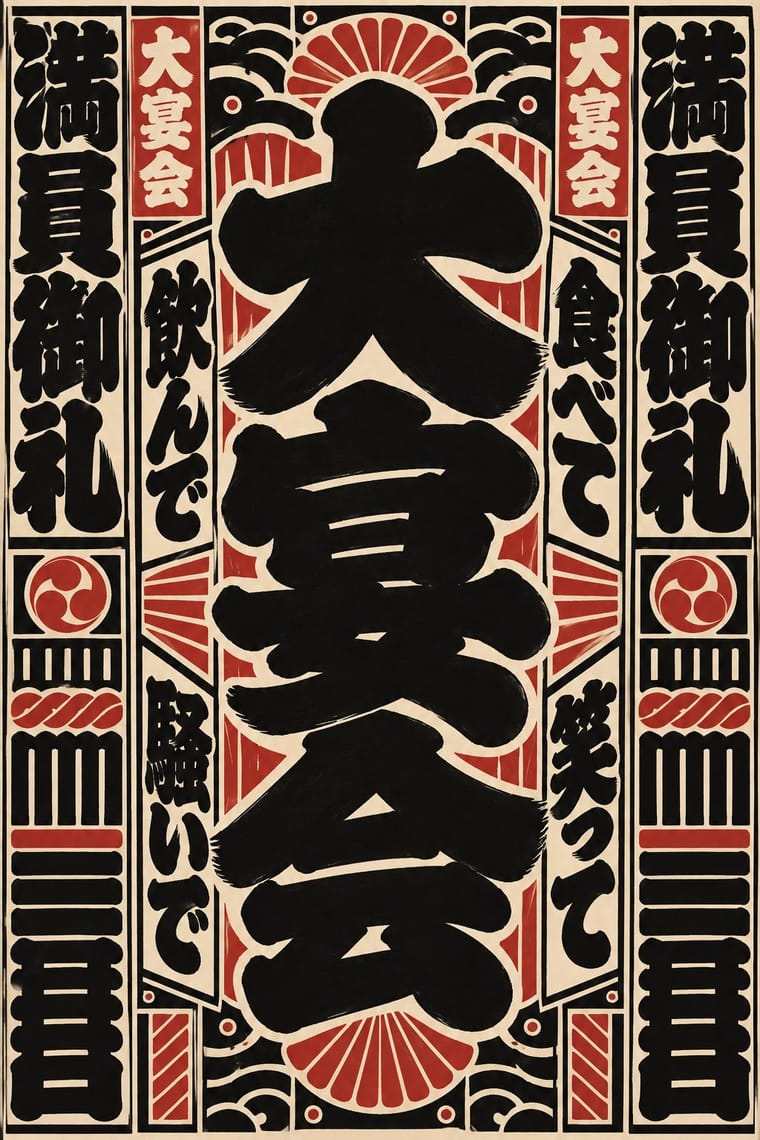
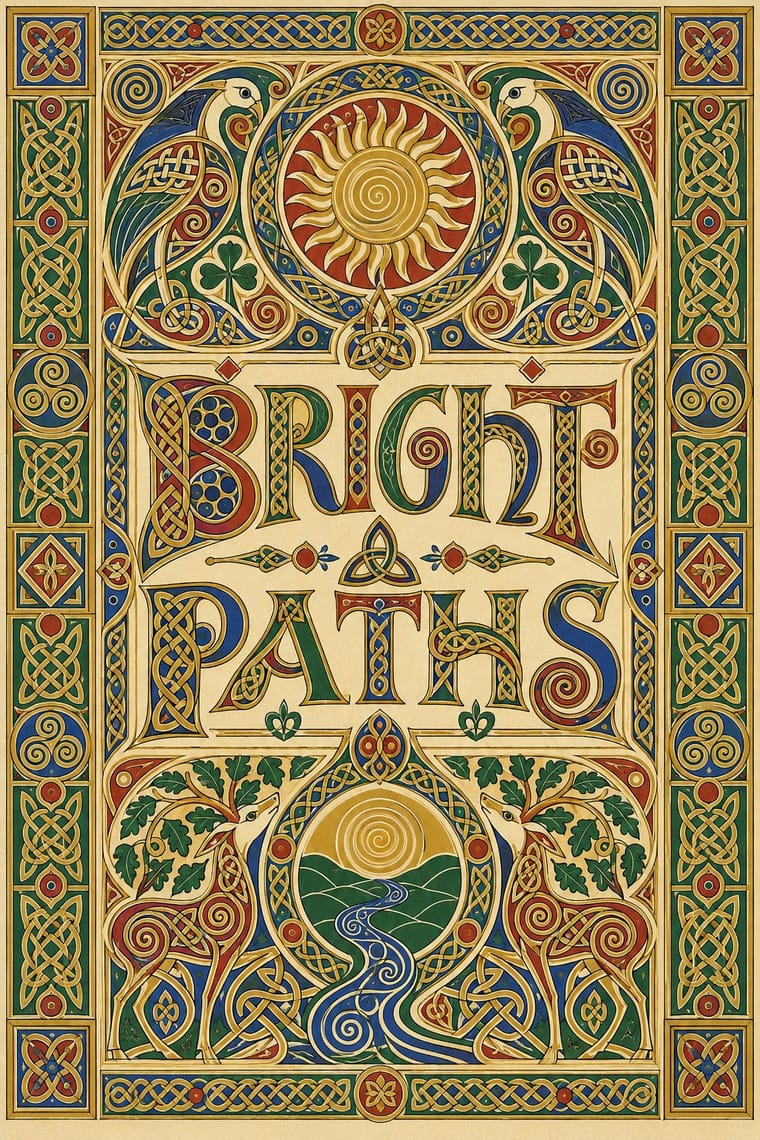
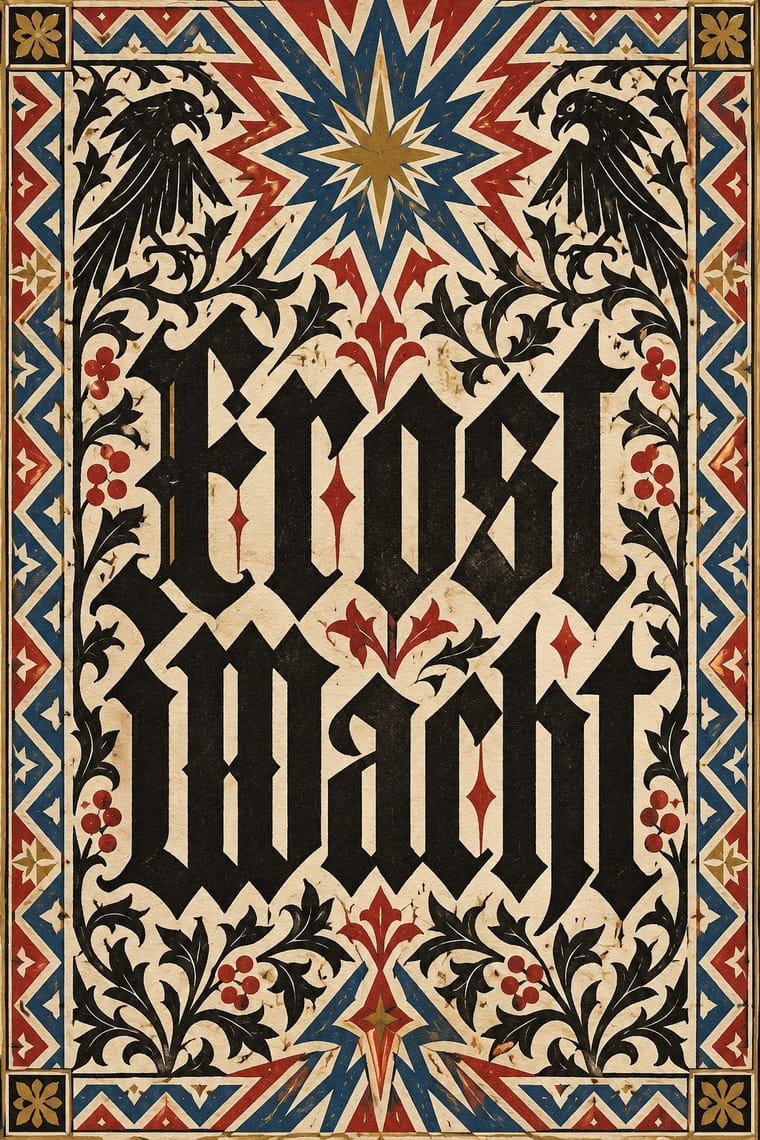
- German Book Art Movement (Buchkunstbewegung)The German reform of the book, from the magazine Pan (1895) to the private presses that ended around 1933.
- Senegalese Sufi Devotional Imagery (Souwère Glass Painting and Amadou Bamba Portraits)The devotional imagery of Senegal's Sufi brotherhoods, above all the Mourides: reverse paintings on glass (souwère), made in Senegal's cities since about 1900, and the murals, banners, prints and photocopies that multiply one 1913 photograph of Sheikh Amadou Bamba across Dakar and Touba.
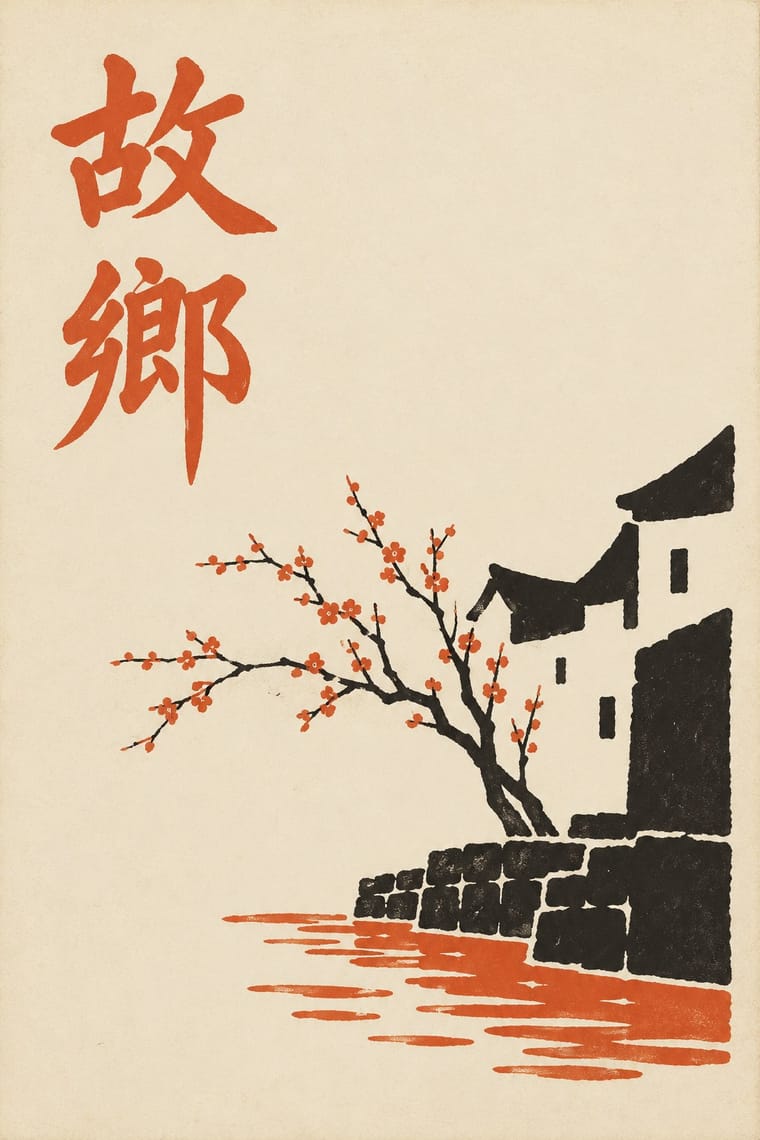
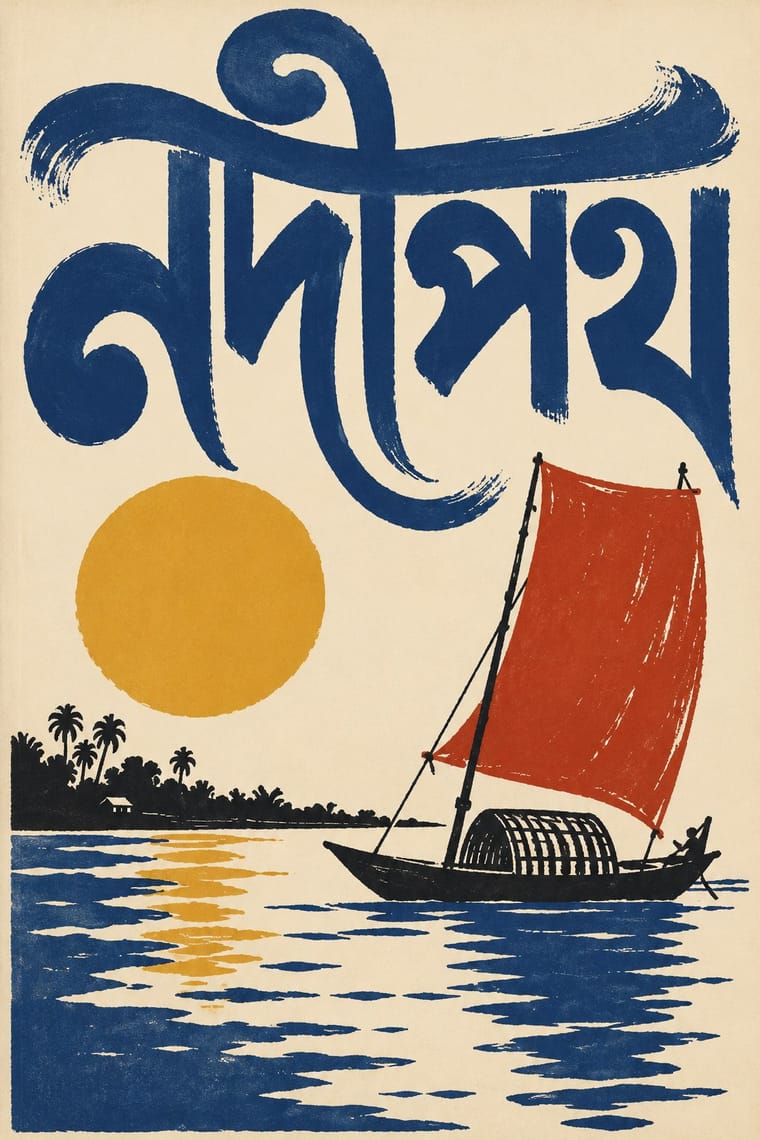
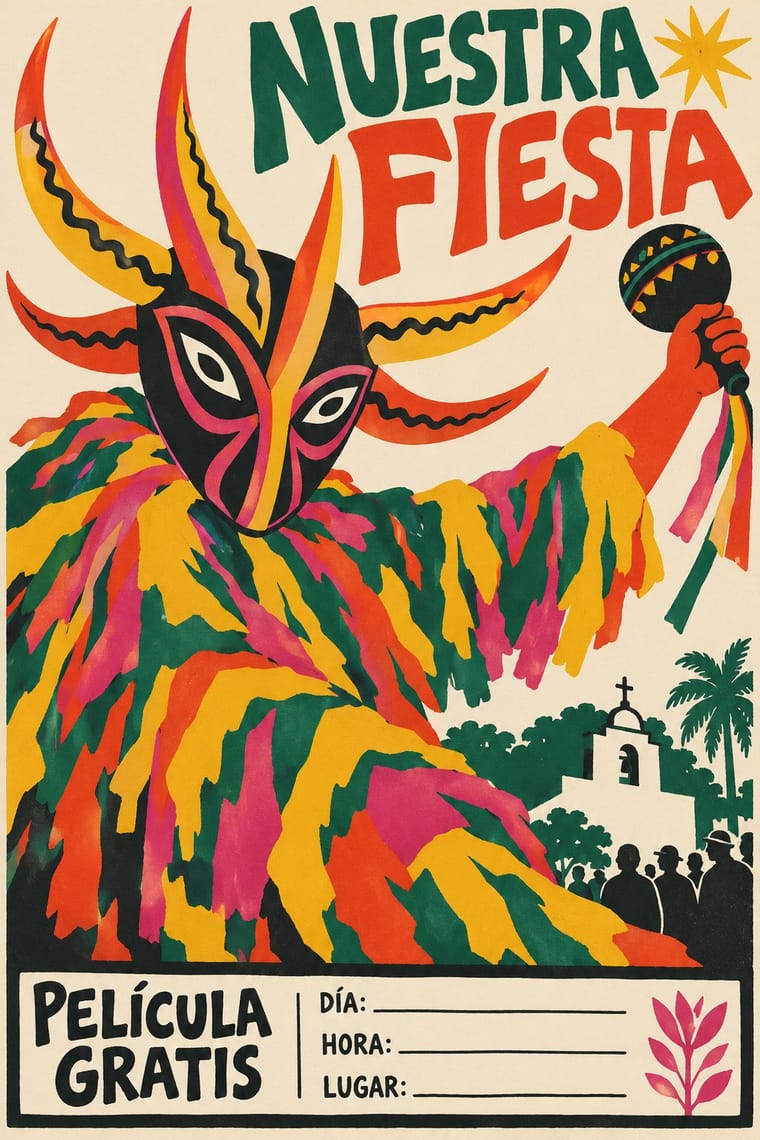
- Machine-Age Simplified Arabic TypeArabic redrawn for the machine rather than the reed pen.
- Pakistani Truck ArtThe total decoration of Pakistan's trucks and buses, which grew from company marks and saints' portraits painted in the late 1940s into a workshop art in which painters, metalworkers, woodcarvers and reflective-tape specialists collaborate on each vehicle.
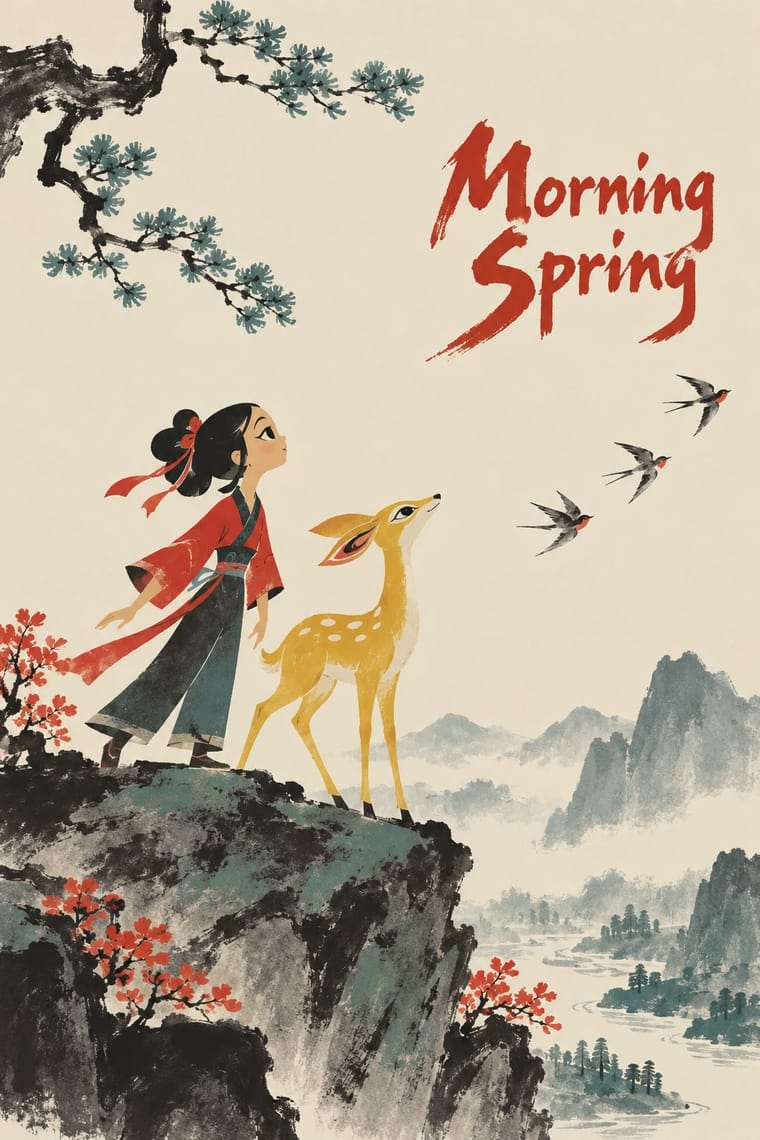
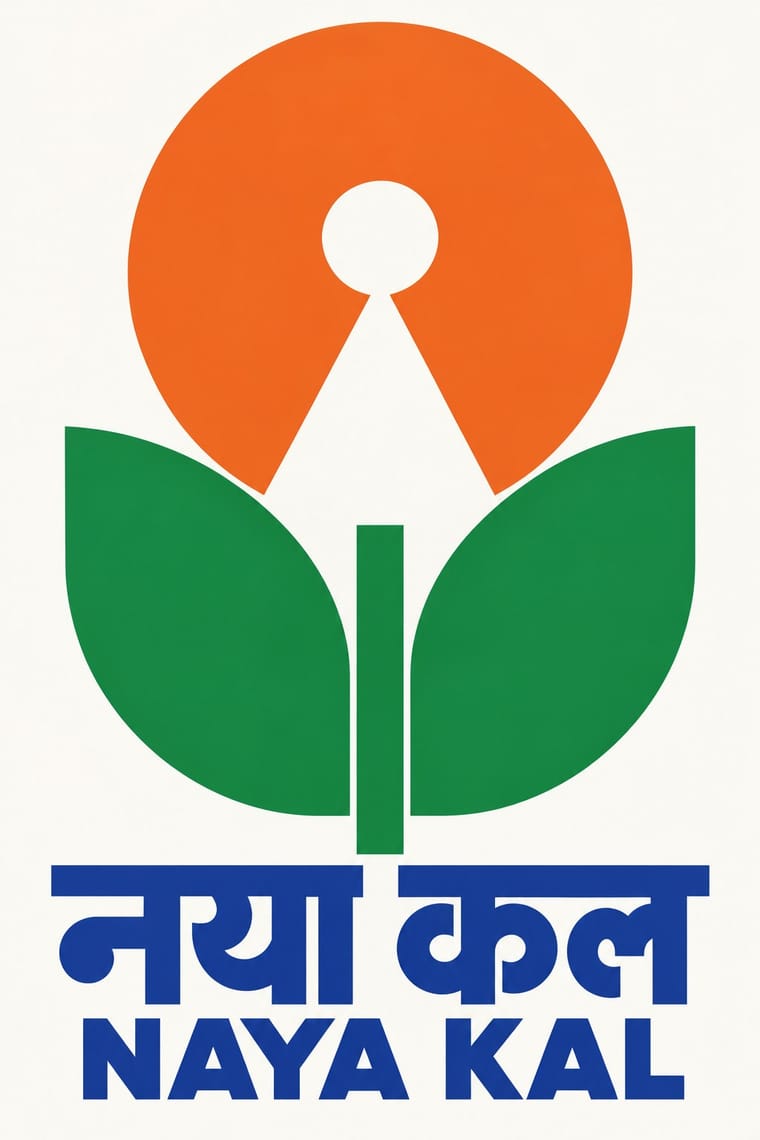
- Casablanca School Graphic ModernismA postcolonial modernism formed at the Casablanca fine-art school under Farid Belkahia, where Mohamed Melehi, Mohammed Chabâa and colleagues set Amazigh rugs and jewellery, painted ceilings and calligraphy beside a Bauhaus-style merging of art, craft and design.
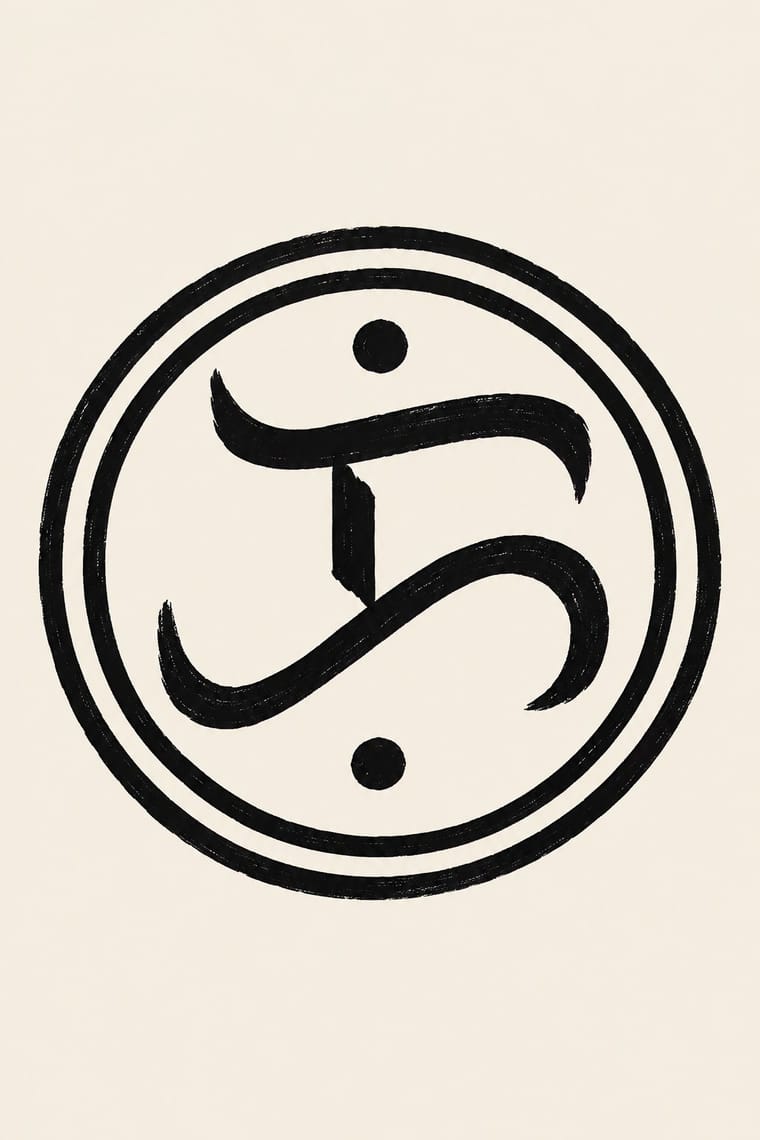
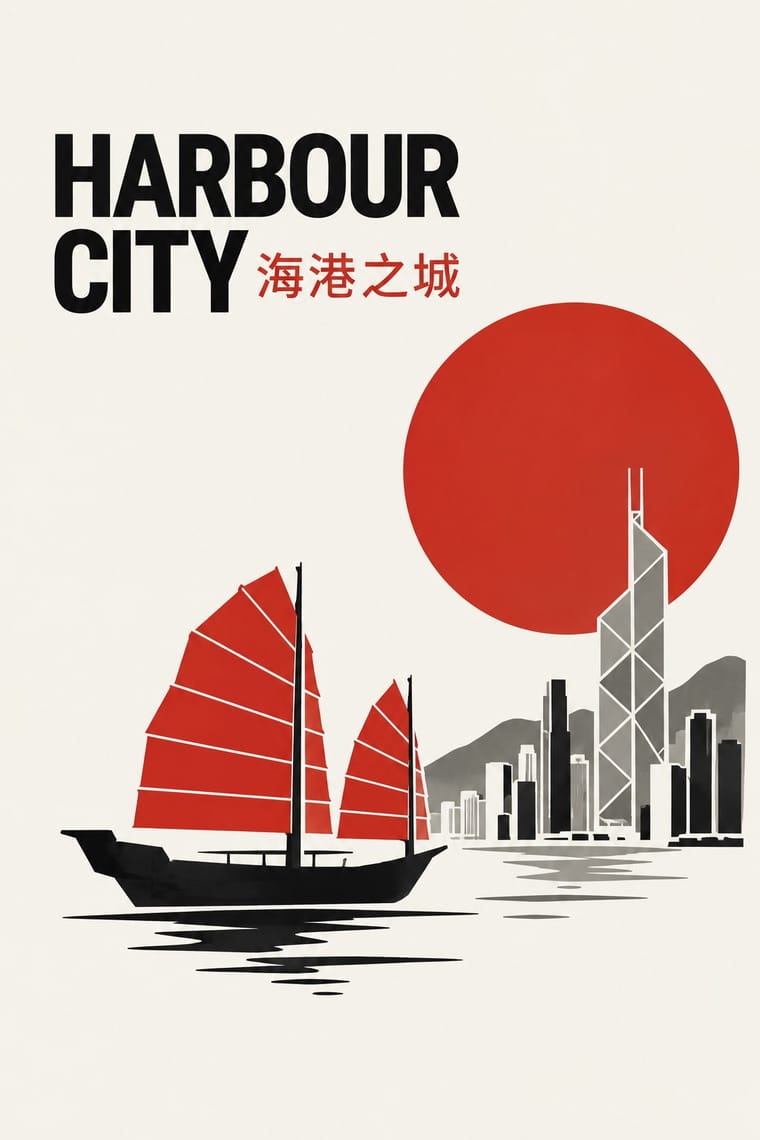
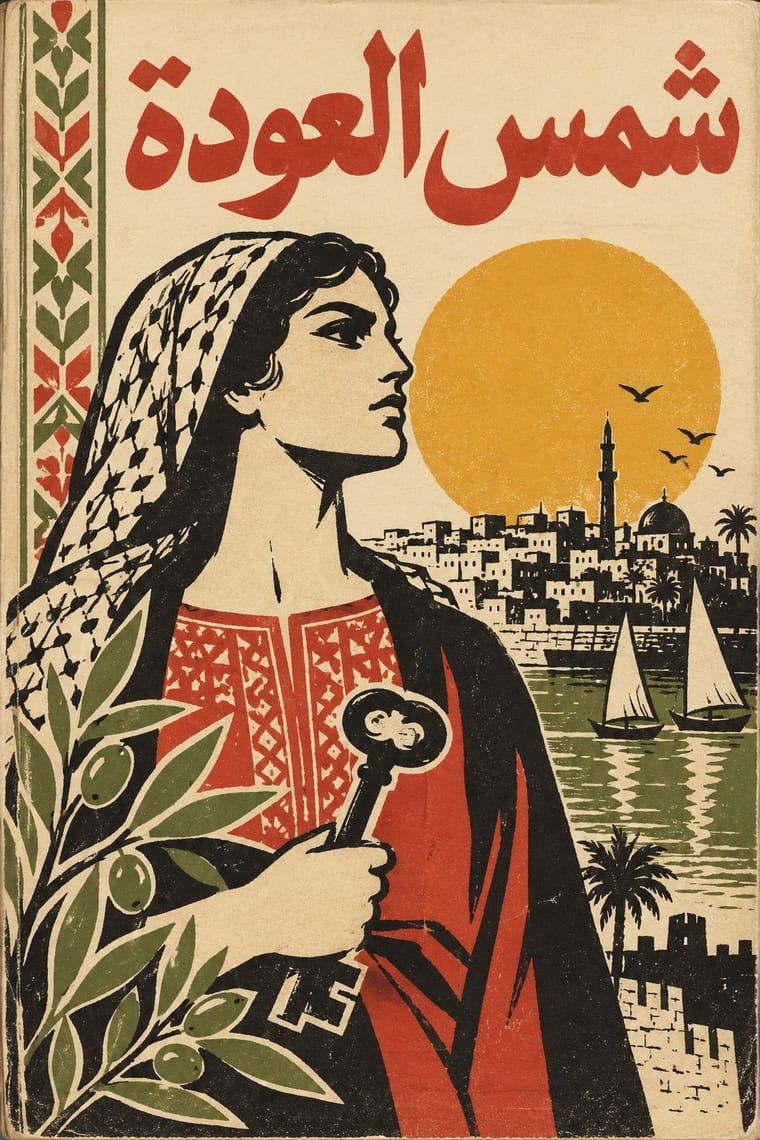
- Palestinian Resistance PosterThe poster culture of the Palestinian national movement after 1965, issued by the PLO and its factions from Beirut and other Arab capitals for refugee camps, homes and solidarity audiences abroad.
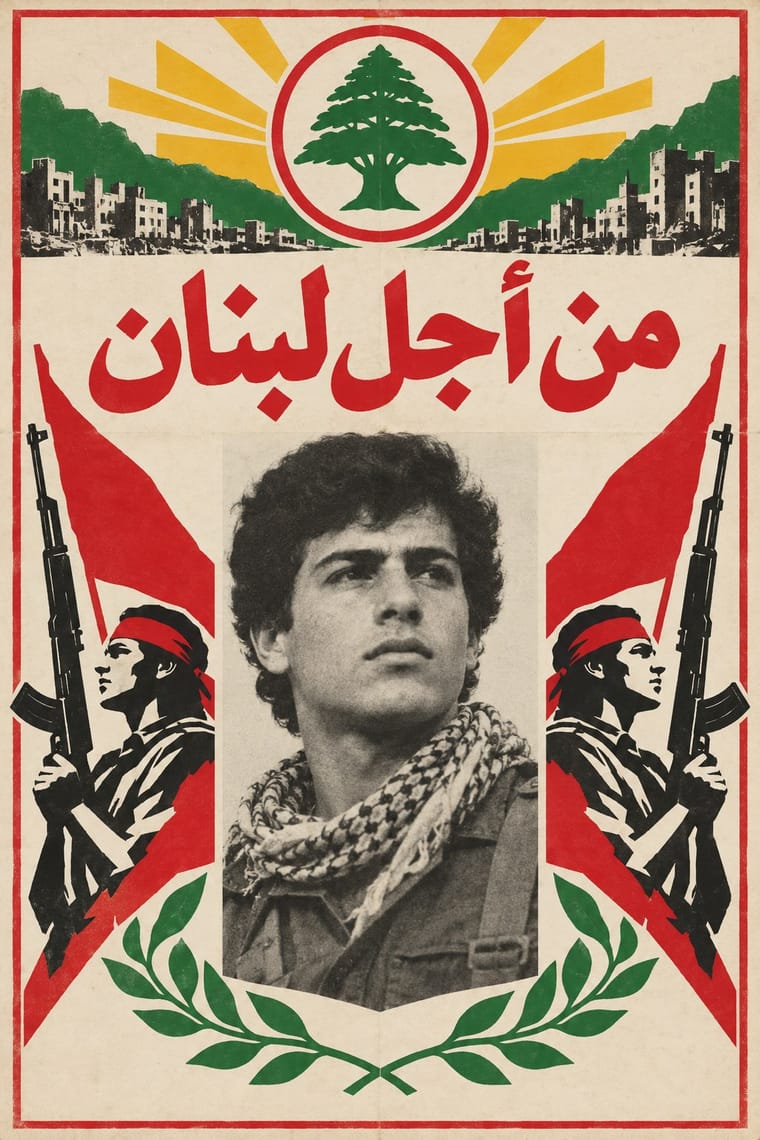
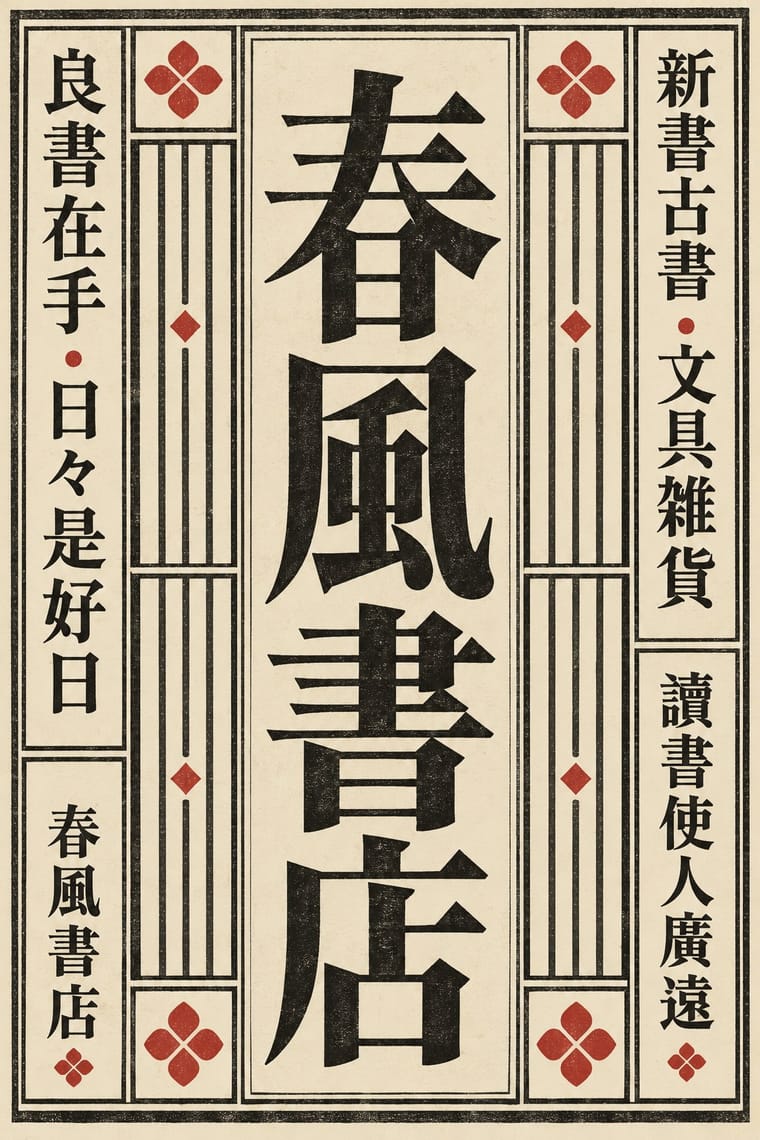
- Contemporary Chinese Book Design ('Most Beautiful Books of China')Chinese book design since 2003, when Shanghai founded the yearly 'Most Beautiful Books of China' award, whose winners go on to Leipzig.
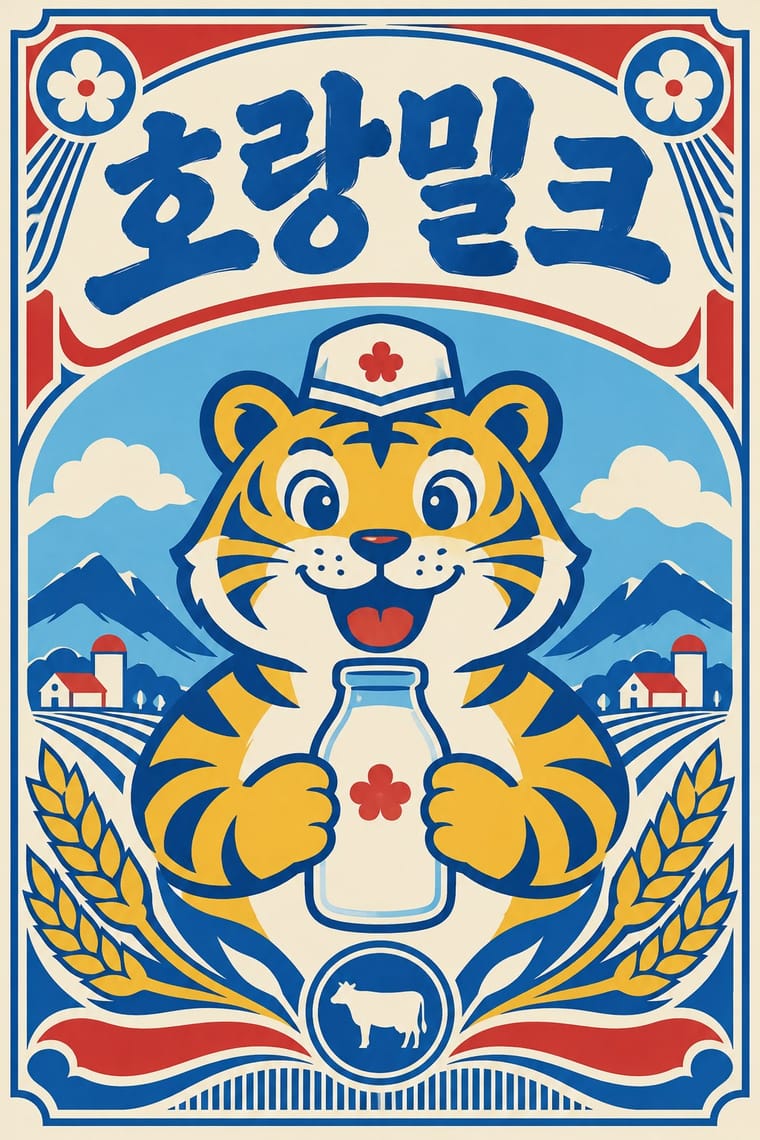
- Hong Kong Protest Art (Umbrella Movement to the 2019–20 Protests)The graphics of Hong Kong's democracy protests, from the 2014 Umbrella Movement to the national security law of 2020, in two linked media.
Styles that use it now and then 25
An occasional choice in these styles.
- Ancient Egyptian Hieroglyphic & Register Compositionc. 0–394
- Kamon (Japanese Family Crests)c. 1100–present
- Javanese Wayang Kulit (Tatah Sungging)1500–present
- Batik Pattern Tradition1600–present
- Arts & Crafts Movement1860–1920
- Japonisme1860–1910
- Santiniketan & Bengal School Graphics1905–1954
- Bezalel School1906–1929
- Shanghai Modern & Yuefenpai1910–1949
- Taishō Roman & Lyrical Illustration1910–1940
- Kultur-Lige & Yiddish Avant-Garde Book Design1917–1924
- Early Turkish Republican Graphic Design1925–1960
- Lianhuanhua Picture-Story Books1925–1990
- Chinese Modern Woodcut Movement1931–1949
- Hebrew Poster Lettering & Early Israeli State Design1934–1974
- Hand-Painted Bollywood Poster1940–1999
- Japanese Postwar Modernism1950–1990
- Taiwan Floral Cloth (Huabu)1950–present
- Arab Children's Comic Magazines (Samir to Majid)1956–present
- Contemporary Arabic & Dual-Script Type Design2004–present
- Seoul Independent Graphic Design (Small-Studio Scene)2005–present
- Arab Independent Comics (Samandal, TokTok, Lab619, Skefkef)2007–present
- Egyptian Revolutionary Street Art (Mohamed Mahmoud Murals)2011–2014
- Sudanese Revolution Graphics (Digital Illustrations and Sit-in Murals)2018–present
- Palestinian Watermelon and Keffiyeh Graphics2021–present
It often goes with
Choices that the styles making it make more often than the atlas as a whole.
- Floral & vegetalin 46 of 87
- Pen, brush & inkin 54 of 87
- Borders & framesin 53 of 87
- Typography onlyin 48 of 87
- Spiritual & sacredin 48 of 87
- Paper & letterpress bitein 46 of 87
Styles that avoid it
Styles that deliberately leave it out.
Other choices in typography
- Humanist & Garalde serif
- Transitional serif
- Didone
- Slab serif
- Grotesque & neo-grotesque
- Geometric sans
- Humanist sans
- Rounded sans
- Blackletter
- Script
- Hand-lettering
- Ornamented display
- Condensed display
- Stencil
- Monospace
- Bitmap & pixel
- Experimental & distorted
- All caps
- Lowercase only
- Type as image
- Flush left, ragged right
- Rotated & vertical setting
- Eclectic mixing
- Tight setting
- Wide letterspacing