Typography · Typographic treatment
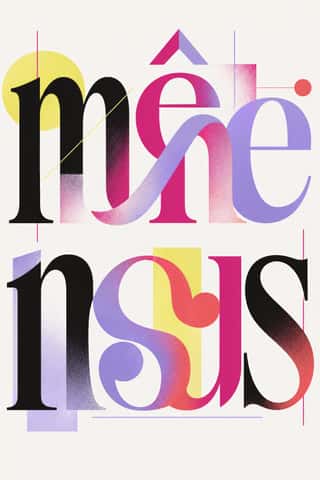
Eclectic mixing
Many typefaces and sizes combined in one composition.
A design choice in Stylogeny’s vocabulary, under typography: what do the letters look like, and how are they set?
- styles make it
- 92
- as a defining choice
- 16
- as a usual one
- 34
- now and then
- 42
- avoid it
- 36
Styles defined by it 16
For these styles it is one of the choices that make the style.
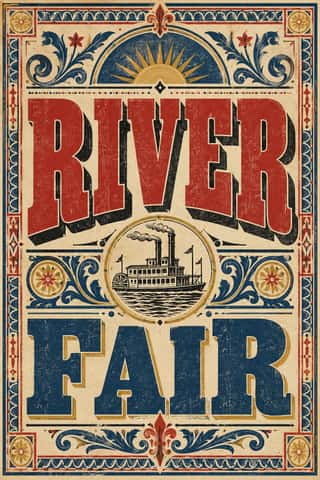
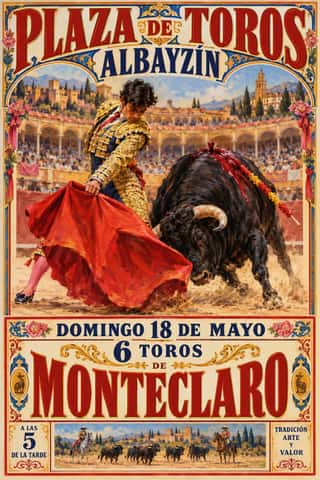
- Italian FuturismLaunched by Marinetti's 1909 manifesto, Futurism glorified speed, machines, the city and war, and turned the printed page into an explosive, noisy field.
- DadaBorn in wartime Zurich at the Cabaret Voltaire in 1916 and spreading to Berlin, Hanover, Cologne and Paris, Dada used chance, absurdity and provocation against the culture that had produced the war.
- Brazilian Modernismo Graphics (Klaxon and the Semana de 22)The print side of São Paulo's Modernismo (1922-29), set in jobbing print shops.
- MavoTokyo's anarchist avant-garde, founded in July 1923 by Murayama Tomoyoshi, back from a year in Berlin, with four former Futurists, and its magazine MAVO (seven issues, July 1924 to August 1925).
- Onitsha Market PamphletsCheap, stapled pamphlets of romance, advice, drama and political biography, written by students, clerks, journalists and traders and printed by jobbing letterpress shops around Onitsha Main Market in eastern Nigeria from the late 1940s.

- Punk & DIY ZineThe graphic voice of punk rock in fanzines, record sleeves and gig flyers: images and words cut from newspapers, typed or scrawled, pasted down and run off on a photocopier.


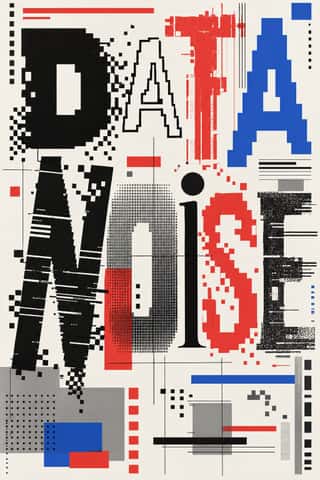
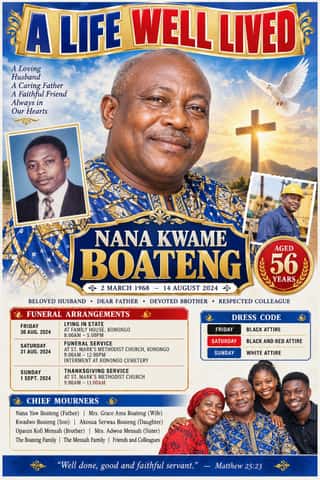
- Nigerian Pentecostal Crusade Poster & BillboardThe roadside adverts of Nigeria's Pentecostal and independent churches: billboards, banners and posters on poles, walls and bridges announcing crusades, revivals, conventions and night vigils.
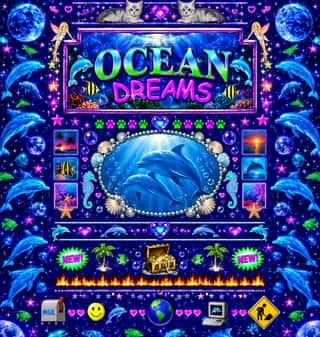
- South African Vernacular Design (Ijusi)A post-apartheid design language launched in Durban in 1995 by Garth Walker's Orange Juice Design and its free, experimental magazine Ijusi (isiZulu for 'juice'), which asked 'What makes me South African, and what does that look like?'.


Styles that often use it 34
A characteristic choice: usual in these styles, though not essential.
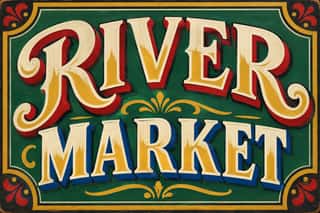
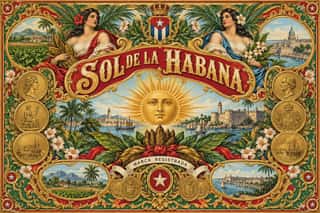
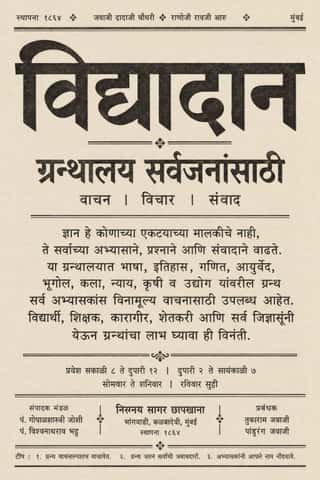
- Mexican Popular Graphics (Posada)Cheap broadsheets, chapbooks and gazettes sold on the streets of Porfirian Mexico City by the publisher Antonio Vanegas Arroyo and illustrated by Manuel Manilla and José Guadalupe Posada.
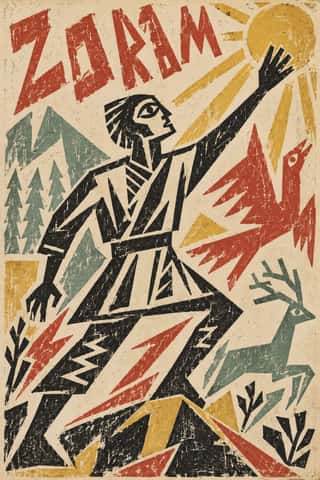
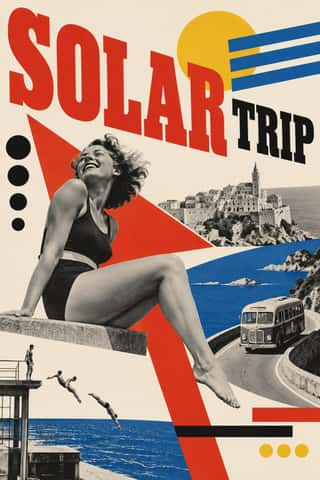

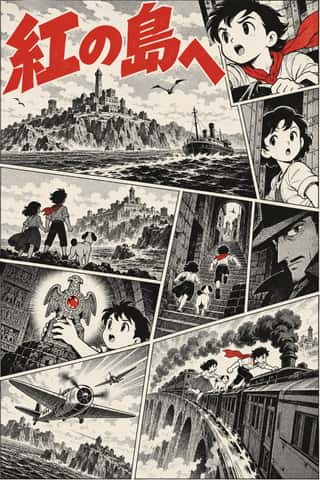
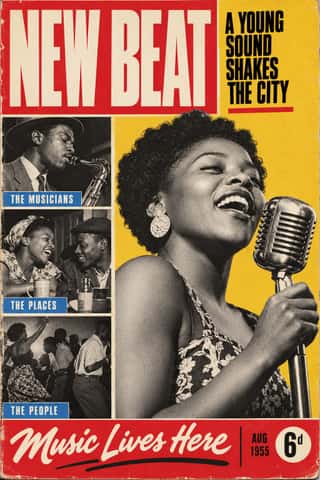
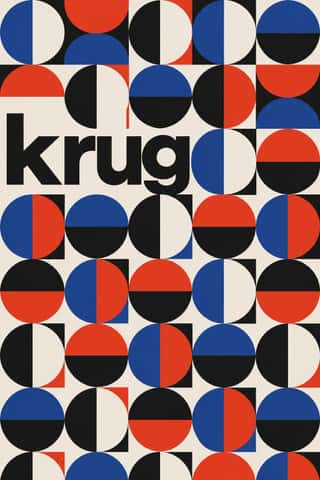
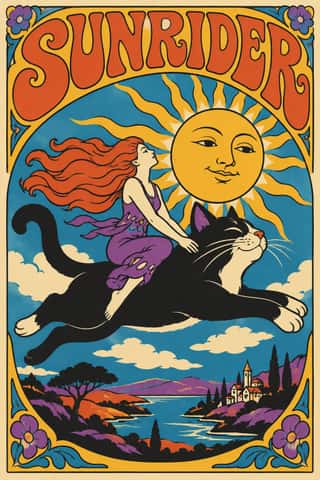
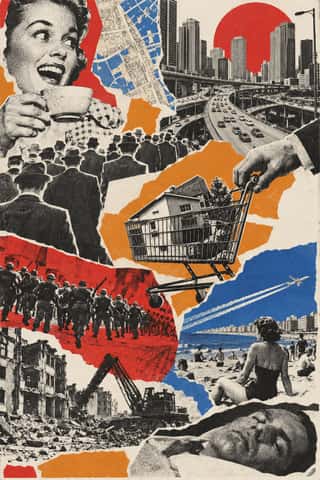


- Swiss Punk / New Wave TypographyA rebellion from inside the Swiss school: Wolfgang Weingart and his Basel students kept the grotesque and the grid but set them in motion with extreme letterspacing, stepped and angled lines, rules and bars, enlarged halftone screens and layered film montage.
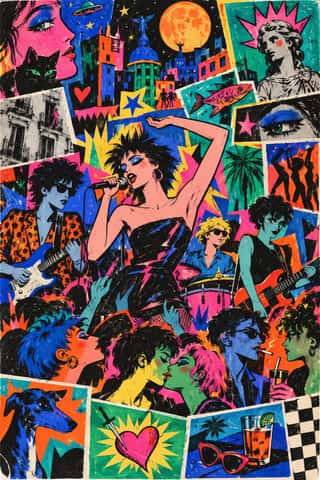
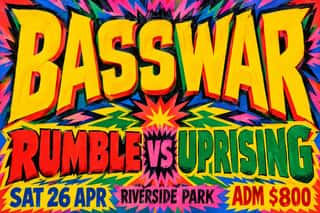
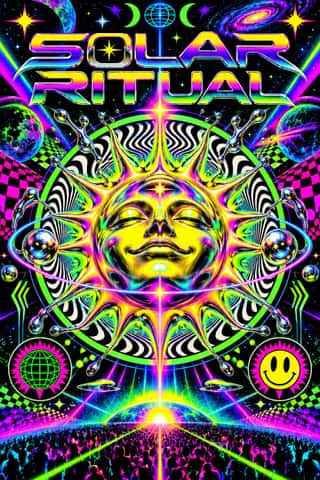


- Nollywood Video Jacket & Film PosterThe cover and poster art of Nigeria's home-video boom, from Living in Bondage (1992) on.
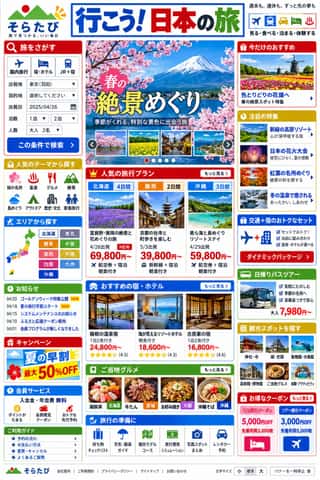
- Tamil Nadu Flex BannersThe digitally printed vinyl boards, locally called flex banners, that fan clubs, party cadres, businesses and families have put up along the roads of Tamil Nadu since about 2000, as flex displaced hand-painted cinema banners and cut-outs over the following decade.
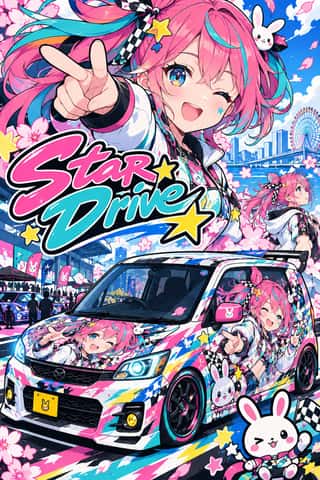
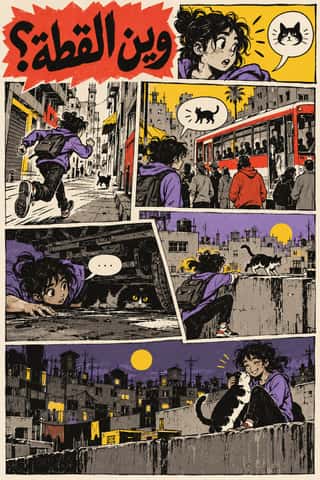

- 'Good Morning' Greeting Images (WhatsApp Forward Vernacular)The ready-made greeting pictures that millions of smartphone users, many of them older and new to the internet, forward to family, friends and groups each morning on WhatsApp, above all in India and Brazil.
- Hong Kong Protest Art (Umbrella Movement to the 2019–20 Protests)The graphics of Hong Kong's democracy protests, from the 2014 Umbrella Movement to the national security law of 2020, in two linked media.

- VTuber Avatar and Stream GraphicsThe graphic kit of virtual YouTubers, streamers who perform behind an animated anime-style character instead of their own face.



Styles that use it now and then 42
An occasional choice in these styles.
- Thai Yantra (Yant) Diagrams1700–present
- Bulaq (Amiriyya) Naskh Book Printing1822–1956
- Cubist Pictorial Space1907–1925
- Shanghai Modern & Yuefenpai1910–1949
- Taishō Roman & Lyrical Illustration1910–1940
- Vorticism & BLAST Typography1914–1920
- Estridentismo (Stridentist) Graphics1921–1927
- Australian Travel Poster (ANTA Era)1929–1959
- Mexican Calendar Chromo (Cromos calendáricos)1930–1970
- Egyptian Painted Film Poster1932–1996
- Nippon Kōbō & Tōhōsha Photo-Propaganda Magazines (NIPPON & FRONT)1933–1945
- American Four-Colour Comic Book (Golden to Bronze Age)1934–1993
- Hebrew Poster Lettering & Early Israeli State Design1934–1974
- Hand-Painted Bollywood Poster1940–1999
- Googie & Atomic Age1945–1965
- Escuela Bruguera (Spanish Humour Comics)1947–1986
- Pakistani Truck Art1947–present
- Bonelli Fumetto (Italian Popular Adventure Comics)1948–present
- Hong Kong Neon & Beiwei Shop-Sign Lettering1950–present
- West African Barbershop & Hair Salon Signs1950–present
- Arab Children's Comic Magazines (Samir to Majid)1956–present
- Shōjo Manga (Japanese Girls' Comics)1958–present
- Tropicália Graphic Design1964–1975
- Black Panther Party Graphics1967–1980
- Grapus (French Militant Graphic Collective)1970–1990
- Kinshasa Popular Painting1970–present
- Turkish Weekly Humour Magazines (Gırgır to Uykusuz)1972–2025
- Roots Reggae Sleeve Art & Rasta Iconography1973–1985
- Ethiopian Revolutionary Poster (Derg Era)1974–1991
- ACT UP & Gran Fury AIDS Activist Graphics1987–1995
- Global Village Coffeehouse1988–2003
- Screenprinted Gig & Alt-Movie Poster1991–present
- Indian Pop-Kitsch Design (Desi Kitsch)1997–present
- Korean Commercial Calligraphy (Kaelligeurapi)1999–present
- Yuru-chara (Japanese Local Mascot Design)2000–present
- Modern Calligraphy and Brush Lettering2005–present
- Risograph & Indie Print Culture2008–present
- Brutalist Web Design2014–present
- Front-of-Pack Warning Octagons (Latin American Food Warning Seals)2016–present
- Illustrated Rom-Com Book Cover (Cartoon Couple Cover)2016–present
- Guochao (China-Chic National Trend)2018–present
- Instagram Slideshow Activism (Social-Justice Infographics)2020–present
It often goes with
Choices that the styles making it make more often than the atlas as a whole.
- Collage & layeringin 51 of 92
- Found & vernacular imageryin 45 of 92
- Horror vacuiin 60 of 92
- Ornamented displayin 46 of 92
- Playful & wittyin 65 of 92
- Photomontagein 33 of 92
Styles that avoid it
Styles that deliberately leave it out.
- Renaissance Book Typographyc. 1460–1600
- Tarot de Marseille Woodcut Cards1639–present
- Neoclassical Book Typography1757–1830
- Arts & Crafts Movement1860–1920
- Japonisme1860–1910
- Glasgow Style1890–1914
- Nieuwe Kunst (Dutch Art Nouveau)1892–1914
- German Book Art Movement (Buchkunstbewegung)1895–1933
- Vienna Secession1897–1918
- Plakatstil / Sachplakat1905–1920
- London Transport Design1908–1966
- Wendingen & Amsterdam School Typography1918–1932
- AIZ Political Photomontage (Heartfield)1930–1938
- Chinese Modern Woodcut Movement1931–1949
- Penguin Paperback Design (Three Bands to the Marber Grid)1935–1972
- WPA Silkscreen Posters1935–1943
- Literatura de Cordel Woodcut1940–present
- International Typographic Style1950–1975
- Japanese Postwar Modernism1950–1990
- HfG Ulm Systematic Design1953–1968
- Vicente Rojo & Mexican Editorial Modernism1953–1990
- Corporate Identity Modernism1955–1990
- Kinngait (Cape Dorset) Inuit Printmaking1957–present
- British Road Signage (Kinneir & Calvert)1958–present
- Minimalist Graphic Design1965–present
- Munich 1972 Olympic Design (Otl Aicher)1966–1972
- Atelier Populaire (May '68 Screenprint Poster)1968
- ECM Sleeve Aesthetic (Munich)1969–present
- Post-Punk Record Sleeve (Stiff, Factory, 4AD)1977–1990
- Solidarność & Polish Underground Graphics1980–1989
- Madinah Mushaf (King Fahd Complex Qur'an Page)1985–present
- Black Metal Graphics1990–present
- Lucerne Poster Scene (Neubad & Südpol Posters)2007–present
- GOV.UK Design (GDS Style)2012–present
- YouTube Thumbnail Style (the 'YouTube Face')2012–present
- Black Lives Matter Street Murals2020–present
Other choices in typography
- Humanist & Garalde serif
- Transitional serif
- Didone
- Slab serif
- Grotesque & neo-grotesque
- Geometric sans
- Humanist sans
- Rounded sans
- Blackletter
- Script
- Brush & pen calligraphy
- Hand-lettering
- Ornamented display
- Condensed display
- Stencil
- Monospace
- Bitmap & pixel
- Experimental & distorted
- All caps
- Lowercase only
- Type as image
- Flush left, ragged right
- Rotated & vertical setting
- Tight setting
- Wide letterspacing