Counterculture · 1962–present · Global / networked, North America
Mail Art ( Correspondence Art, Rubber Stamps and Artistamps )
Also known as Correspondence art, Postal art, New York Correspondance School, Eternal Network, Artistamps
Art made to travel through the post: postcards, decorated envelopes, rubber-stamp impressions, photocopies and artist-made postage (artistamps), circulated in open, unjuried networks from Ray Johnson's New York Correspondance School onward. The handwritten address, stamps and postmarks are part of the composition, and recipients are invited to add to the work and pass it on.
Make something in this style Get advice in this style Mix it with another style
01
Make something in this style
Say what you need, and Stylogeny’s image studio draws it from Mail Art (Correspondence Art, Rubber Stamps and Artistamps)’s design choices and checks it against them. It takes about a minute, and you get a link to share.
02
How it works
Palette
-
#f1ead8 -
#1b1b1b -
#c8302a -
#2d4f9e -
#d9b43a -
#7f8a6a
Typefaces
-
Hand lettering in marker and pen on envelopes and postcards, the handwritten address as design
-
Rubber-stamp type sets
rubber stamp alphabets and ready-made stamp faces used for titles, dates and marks
-
Typewriter faces and typed addresses
-
Dry-transfer and cut-out lettering from magazines
- Design for the postal journey: let the address, stamps, postmarks and franking marks be part of the composition.
- Keep the work small and mailable, a postcard, envelope or stamp sheet that fits a letterbox.
- Build with found and recycled images, rubber stamps and photocopies rather than original finished artwork.
- Write by hand, mixing marker, pen and stamped lettering, so that a person is audible.
- Invite a reply: set a task, a call or a blank for the recipient to continue, and give the work away.
Where and when New York.
New York. Ray Johnson, considered the first mail artist, began mailing art in 1943, sent 'moticos' asking recipients to act from 1955, and made his first please-send-to mailing in 1958. The period starts at 1962, the year of the New York Correspondence School naming, though his practice is earlier. In 1962 Edward M. Plunkett coined 'New York Correspondence School' for his activities (Johnson sometimes spelled it 'Correspondance'). Fluxus artists made early postal works such as Robert Watts's Stamp Dispenser (1963) and Ben Vautier's The Postman's Choice (1965); Robert Filliou coined the 'Eternal Network'. Johnson and Marcia Tucker staged the exhibition 'Ray Johnson - New York Correspondence School' at the Whitney Museum in 1970, showing mail from 107 participants sent to Tucker. The practice spread in the 1970s and 1980s, especially where censorship limited expression (the Iron Curtain, South America), with gatherings such as the Decentralized Mail Art Congress (1986), and by the 1990s global postal activity peaked before rising postage pushed projects online. Its convergence with punk-diy photocopy culture came later, in the 1970s and 1980s, so punk-diy is an affinity rather than an influence. Participation norms: no jury, no fee, no censorship, all works shown
Effects on its surface Photocopy
- Photocopy From its design choice “Photocopy & distress”.
Change it with an idea. Any of the 73 moves that make a design say something can go on this style.
03
Its design choices
From Stylogeny’s vocabulary of design choices: defining choices make the style, characteristic ones are usual, occasional ones turn up now and then.
- Layout & composition
- Space & hierarchy
- Typography
- Form & shape
- Surface & texture
- Imagery
- Medium & production
- Tone & intent
- Avoids
- Modular grid, Generous white space, Ornament-free, Grotesque & neo-grotesque, Authoritative & institutional, Luxurious & glamorous, Gloss & highlights, Offset printing
How its pictures are made Synthetic & found, Drawn & painted
Kind of picture: Synthetic & found · Drawn & painted
Known for
-
Ray Johnson, New York Correspondance School
named 1962
-
The New York Correspondence School Exhibition, Whitney Museum
1970
-
Ben Vautier, The Postman's Choice
1965
-
Robert Watts, Stamp Dispenser
1963
-
Anna Banana, BananaPost '89 artistamp sheets
1989
-
Decentralized Mail Art Congress
1986
04
Where it comes from, and what it’s close to
Grew out of
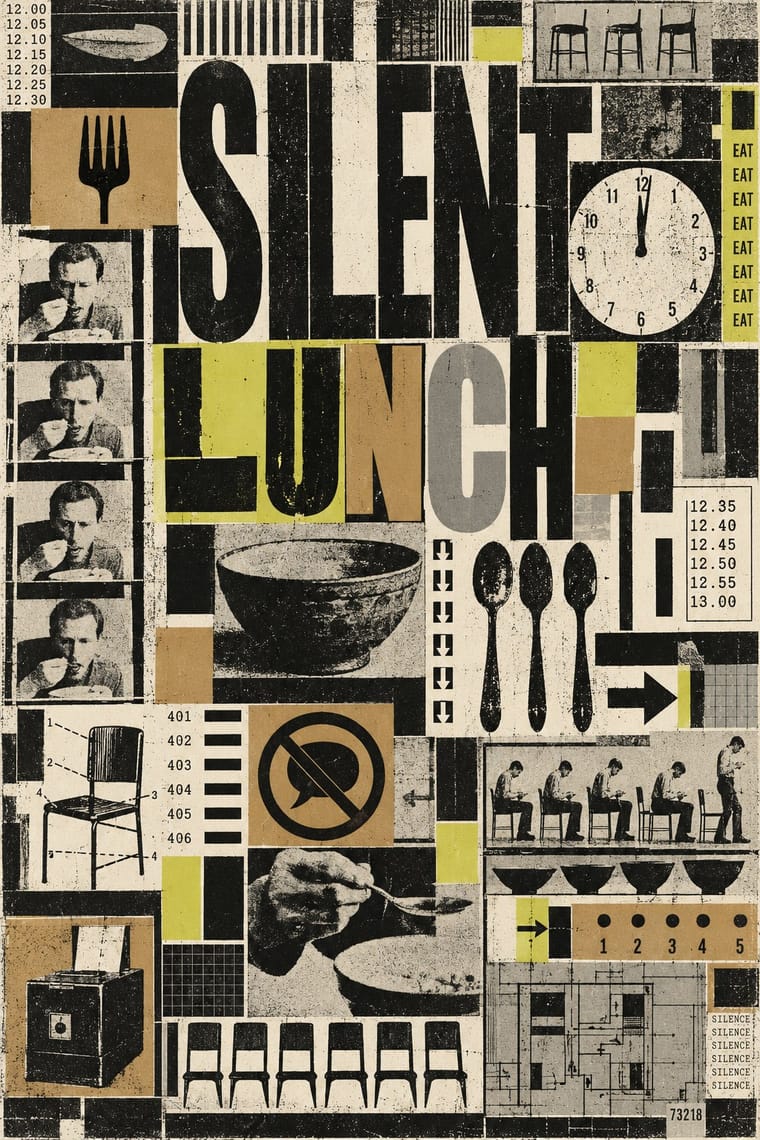
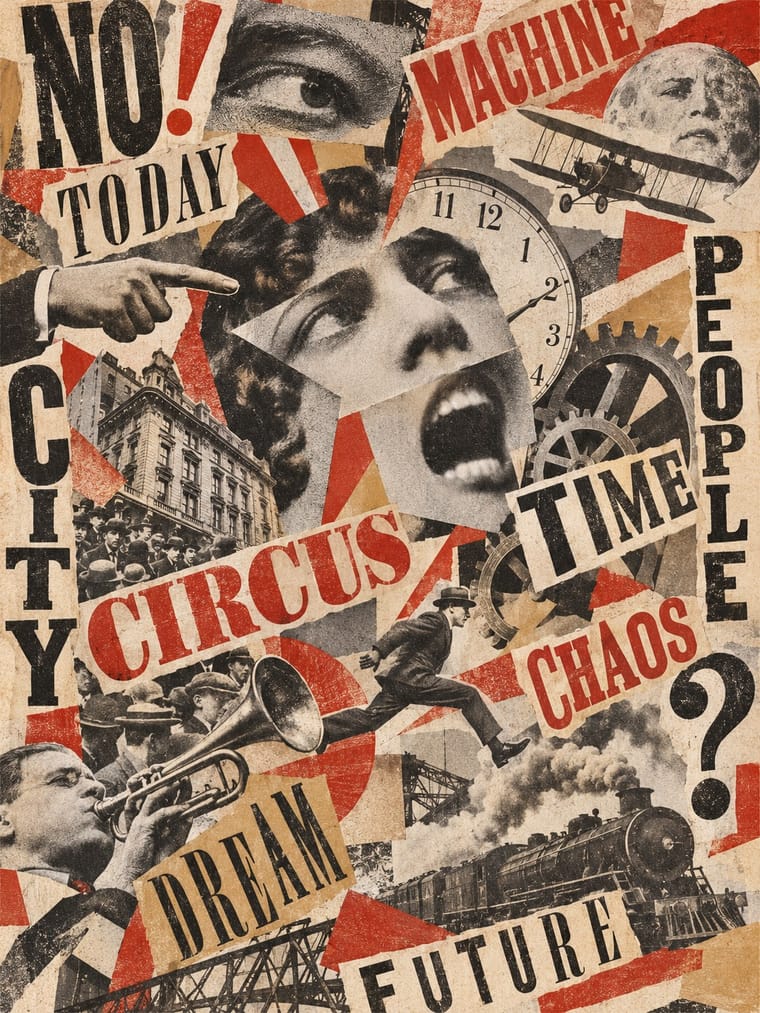
Borrowed from
Mail Art (Correspondence Art, Rubber Stamps and Artistamps) 1962–present
No later style in the atlas grew out of it yet.
Alike in its design choices
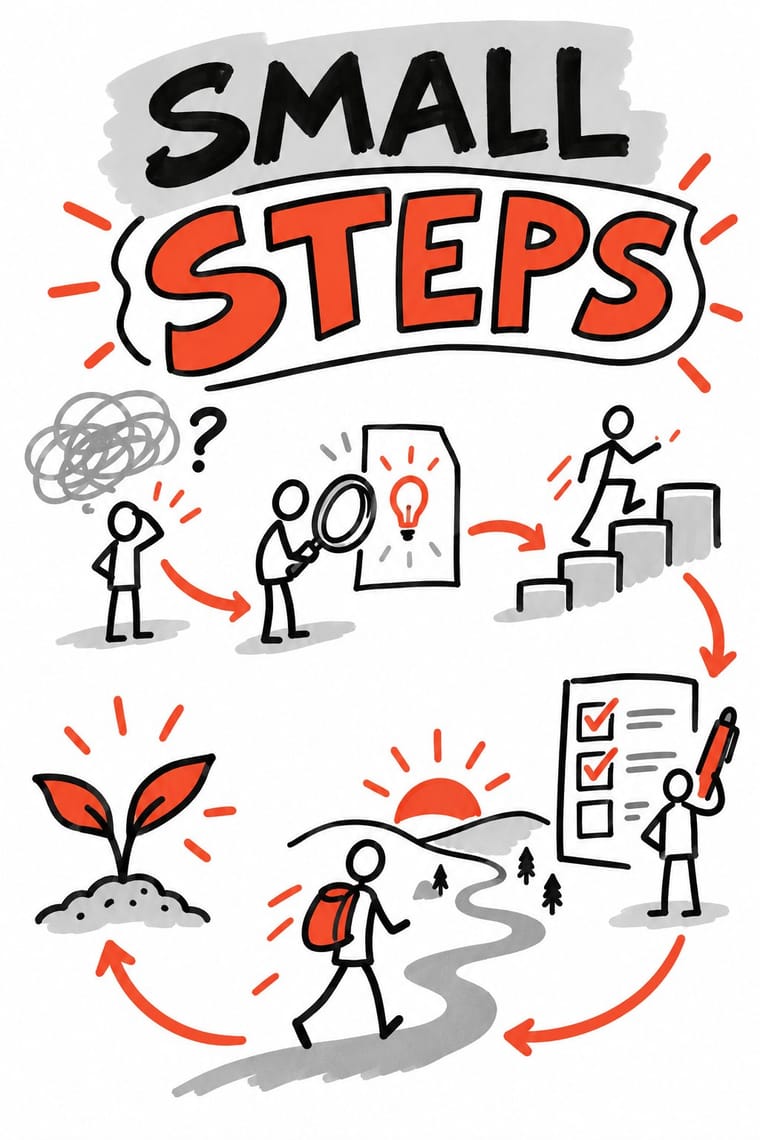
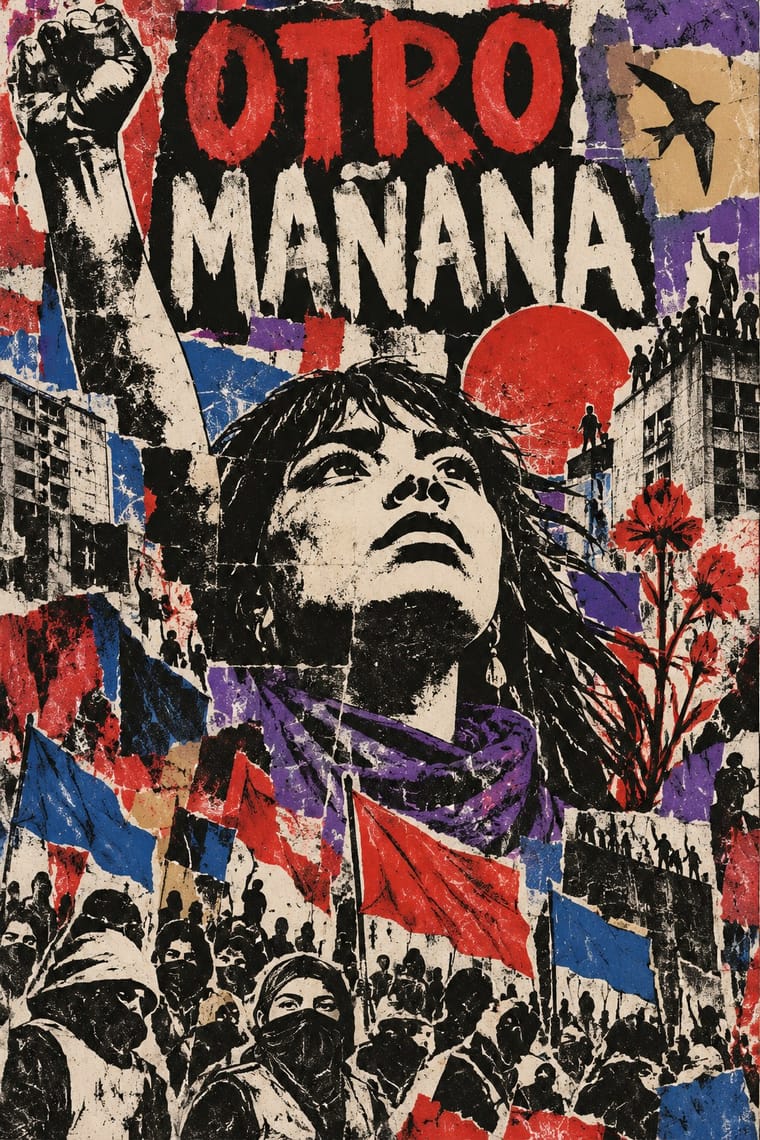
05
Combine it with
Styles Mail Art (Correspondence Art, Rubber Stamps and Artistamps) pairs well with or plays against, from the research. Each is worked out as a combination: which style gives the type, the colours and the forms.
- International Typographic Style Contrasts · A rigid grid and neutral sans make the opposite of a hand-addressed, stamp-covered envelope; use one clean panel to calm a crowded mail-art page.
- Fluxus Graphics (Maciunas) Pairs well · Add Fluxus's boxes, events and instruction-card wit to a postal object to make the sending itself the work.
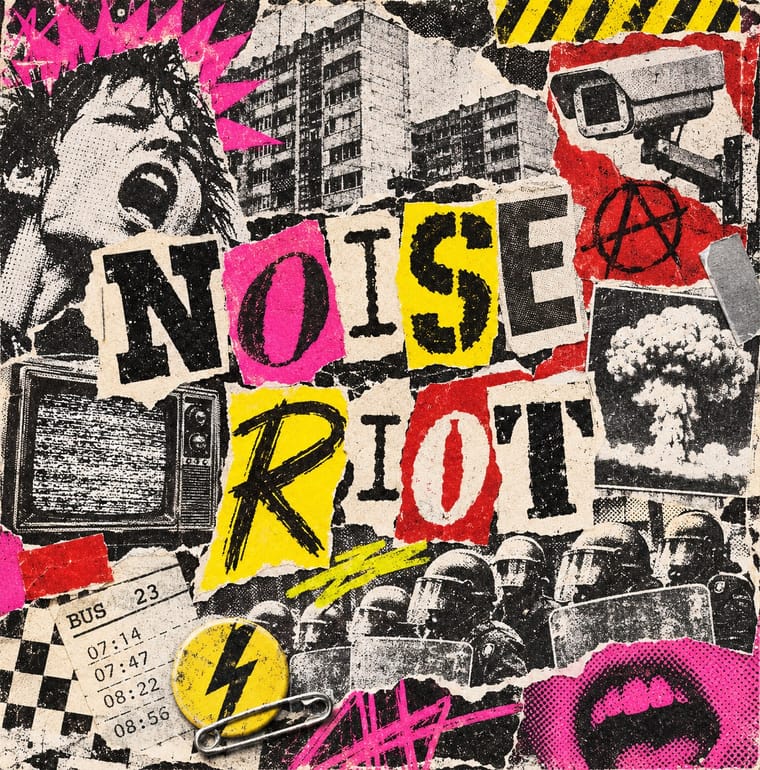
- Punk & DIY Zine Pairs well · Borrow the photocopied cut-and-paste surface for multiples that can be mailed in bulk.
- Dada Pairs well · Use Dada's collage and nonsense to make an envelope that reads as both address and artwork.
06
Often taken for
Mail Art has no real works recorded yet, so these are its nearest styles by its choices alone, with the choices that tell them apart.
-
La Nueva Gráfica Chilena (Independent Vernacular Print)
La Nueva Gráfica Chilena is one of Mail Art’s nearest styles by choices; no real work of either fits the other better.
Choices that tell Mail Art and La Nueva Gráfica Chilena apart Choice Mail Art La Nueva Gráfica Chilena Light ground characteristic — Comic & cartoon — defining Squiggles & confetti characteristic — Flat fields — characteristic Borders & frames characteristic — Both descend from Dada in the family tree.
-
Sketchnoting and Graphic Recording
Sketchnoting and Graphic Recording is one of Mail Art’s nearest styles by choices; no real work of either fits the other better.
Choices that tell Mail Art and Sketchnoting and Graphic Recording apart Choice Mail Art Sketchnoting and Graphic Recording Found & vernacular imagery defining — Pictogram — defining Collage & layering defining — Icons & pictograms — defining Emblems & badges characteristic — No shared descent in the atlas: they reached these choices separately.
-
Chilean Estallido Social Graphics (Revuelta Popular of 2019–20)
Chilean Estallido Social Graphics is one of Mail Art’s nearest styles by choices; no real work of either fits the other better.
Choices that tell Mail Art and Chilean Estallido Social Graphics apart Choice Mail Art Chilean Estallido Social Graphics Squiggles & confetti characteristic — Stylised figuration — defining Framed panels characteristic — Monochrome — characteristic Borders & frames characteristic — Both descend from Dada in the family tree.
-
Punk & DIY Zine
Punk & DIY Zine is one of Mail Art’s nearest styles by choices; no real work of either fits the other better.
Choices that tell Mail Art and Punk apart Choice Mail Art Punk Light ground characteristic — Monochrome — defining Squiggles & confetti characteristic — Fluorescent & neon — characteristic Framed panels characteristic — Both descend from Dada in the family tree.
— means the choice isn’t among the style’s recorded choices. Critics recorded each work’s choices with the styles’ descriptions in view, so this shows whether the descriptions hold together, not proof that they are right.
07
Sources
- https://en.wikipedia.org/wiki/Mail_art
- https://en.wikipedia.org/wiki/Ray_Johnson
- https://en.wikipedia.org/wiki/Artistamp
1 more source
- Scout brief: research/scout-briefs/backlog.json (mail-art)
How Stylogeny researches and checks a style: where the facts come from.