Counterculture · 2011–present · Middle East & North Africa
Tunisian Post-Revolution Street Graphics ( Ahl El Kahf )
Also known as Ahl Al Kahf graphics, Tunisian revolutionary street art, Post-2011 Tunis street graphics
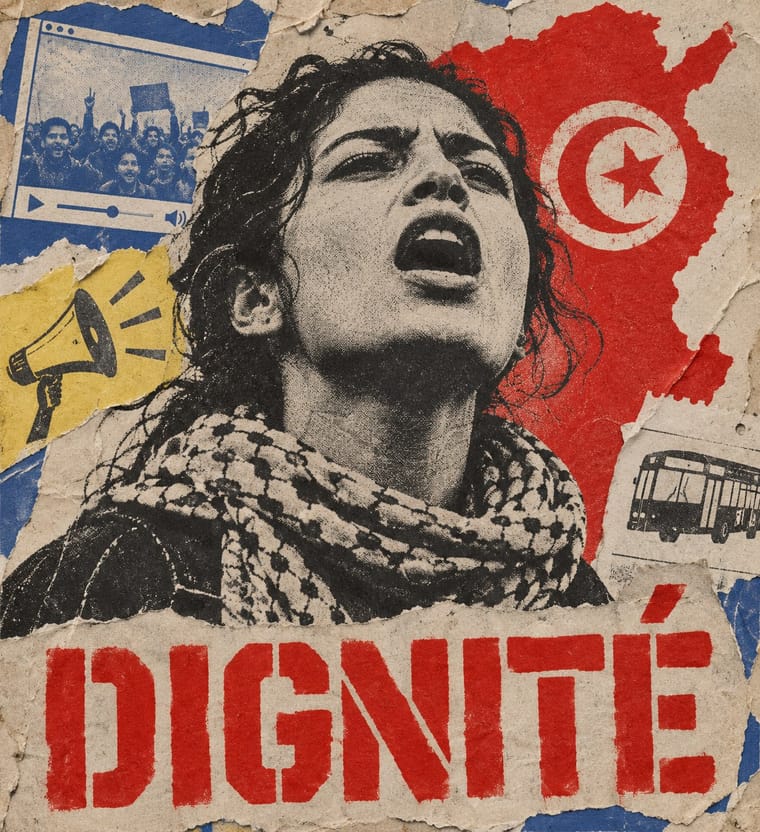
Street graphics that emerged in Tunis in 2011, after Ben Ali's fall, when the Ahl El Kahf collective cut stencils from radiographic film and sprayed them beside the Kasbah sit-ins. Portraits, short slogans, altered commercial labels and painted jokes that exploit the wall's own cracks and stones turn a site into a one-off public argument.
Make something in this style Get advice in this style Mix it with another style
Use it with care
A living political protest tradition. Do not imply endorsement by Ahl El Kahf or other real activists, and do not reproduce their works: image licences are unconfirmed. Later commissioned murals and Gaza-related imagery in Tunisia's streets are a separate matter and not covered here.
01
Its picture in other colours
Change a colour and every picture on this page follows. It happens in your browser, from the same pictures: nothing new is made or saved.
Choose a colour to change it
-
#c9c3b4 -
#161616 -
#d6281e -
#2f5fa8 -
#e8d44d
A faded colour isn’t in these pictures, so changing it changes nothing.
Light and dark stay where they are; greys hardly move.
More colours: any style’s, or your own
The pictures show the style’s own colours.
02
Make something in this style
Say what you need, and Stylogeny’s image studio draws it from Tunisian Post-Revolution Street Graphics (Ahl El Kahf)’s design choices and checks it against them. It takes about a minute, and you get a link to share.
03
How it works
Palette
-
#c9c3b4ground · 30% -
#161616ink · 10% -
#d6281eaccent · 22% -
#2f5fa8not in its pictures -
#e8d44daccent · 2%
Shares measured from its picture. The ground is what the pictures sit on (of the colours covering most, the most neutral), the ink stands out from it most, the rest are accents.
Typefaces
-
Hand-cut stencil capitals, as in the French-language Essebsi slogan reported by France 24
-
Imitated commercial logotypes and label lettering, reworked as a joke
- Choose the wall for its symbolism and surface, and let its cracks, stones and edges complete the picture.
- Cut the stencil from tough, precise sheet so the image can be repeated at speed.
- Pair a recognisable face or object with one short, pointed slogan.
- Hijack a familiar commercial label or sign and turn its message against itself.
- Add hand-painted elements around the sprayed image so the whole wall reads as one intervention.
- Keep the palette tight and the image bold so it reads from across a square (an inference; France 24 reports only blue on the Essebsi stencil).
Tunis: the Kasbah sit-ins of 2011 and the Ahl El Kahf collective, founded by three Tunis fine-arts students, with a later decentralised street-graphics scene across Tunisia
Change it with an idea. Any of the 73 moves that make a design say something can go on this style.
04
Its design choices
From Stylogeny’s vocabulary of design choices: defining choices make the style, characteristic ones are usual, occasional ones turn up now and then.
- Layout & composition
- Space & hierarchy
- Typography
- Surface & texture
- Ornament
- Imagery
- Medium & production
- Tone & intent
- Avoids
- Modular grid, Gradients, Gloss & highlights, Abundant decoration, Luxurious & glamorous, Authoritative & institutional, Generous white space
How its pictures are made Synthetic & found
Kind of picture: Synthetic & found
Known for
-
Ahl El Kahf, stencil of Prime Minister Beji Caid Essebsi outside Tunis's municipal theatre with the injunction not to fall in love with power (reported by France 24, May 2011)
-
Ahl El Kahf, painted scissors apparently cutting a real wall stone
Institute for Public Art case study
-
Ahl El Kahf, 'Enjoy Capitalism' adaptation of a Coca-Cola label
Institute for Public Art case study
-
Ahl El Kahf, 'Where are the snipers?' wall graphic
named in a France 24 heading; the design itself is not described, so a thin exemplar
05
Where it comes from, and what it’s close to
Grew out of
Tunisian Post-Revolution Street Graphics (Ahl El Kahf) 2011–present
No later style in the atlas grew out of it yet.
Alike in its design choices
06
Combine it with
Styles Tunisian Post-Revolution Street Graphics (Ahl El Kahf) pairs well with or plays against, from the research. Each is worked out as a combination: which style gives the type, the colours and the forms.
- Egyptian Revolutionary Street Art (Mohamed Mahmoud Murals) Contrasts · Cairo's walls became epic commemorative murals; Tunis's core is small stencil-and-intervention work. Choose a witty one-liner or a memorial painting, not both.
- Arabic Calligraffiti Contrasts · There the script itself becomes the image; here a slogan captions a picture. Decide whether letters or pictures carry the message.
- Situationist Détournement Graphics Pairs well · An interpretive affinity, not a documented influence (the sources do not mention the Situationists): lift a familiar brand label and alter it to turn it against itself, as in the Enjoy Capitalism piece.
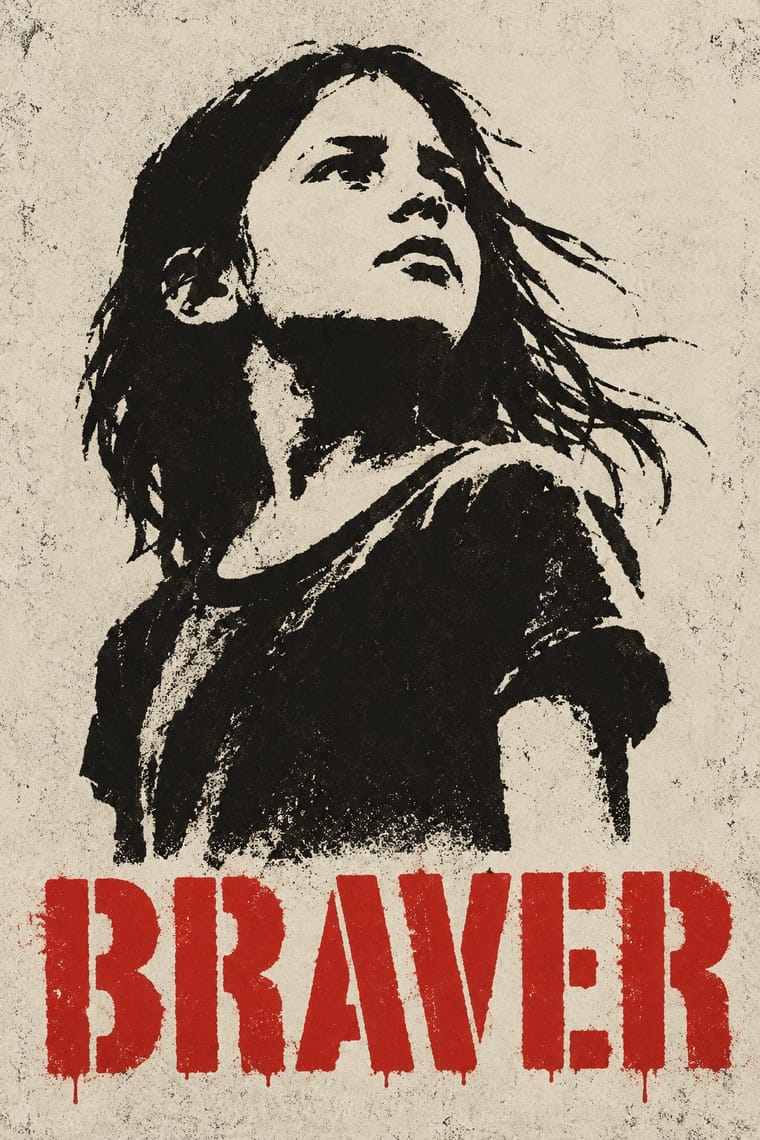
- Stencil Street Art Pairs well · The shared cut-and-spray technique; borrow its single-focal portrait, then add a site-specific hand-painted element.
- Algerian Hirak Humorous Poster and Meme Graphics Contrasts · Tunisian street graphics are site-specific wall interventions; take the portable, photographable sign from Hirak instead.
07
Often taken for
Tunisian Post-Revolution Street Graphics has no real works recorded yet, so these are its nearest styles by its choices alone, with the choices that tell them apart.
-
Stencil Street Art
Stencil Street Art is one of Tunisian Post-Revolution Street Graphics’s nearest styles by choices; no real work of either fits the other better.
Choices that tell Tunisian Post-Revolution Street Graphics and Stencil Street Art apart Choice Tunisian Post-Revolution Street Graphics Stencil Street Art Generous white space avoids occasional Flat fields occasional defining Monochrome occasional defining Treated photography occasional defining Isolated object occasional defining Tunisian Post-Revolution Street Graphics descends from Stencil Street Art: a shared line, so the likeness is inherited.
-
BUGA UP Billboard Alteration
BUGA UP Billboard Alteration is one of Tunisian Post-Revolution Street Graphics’s nearest styles by choices; no real work of either fits the other better.
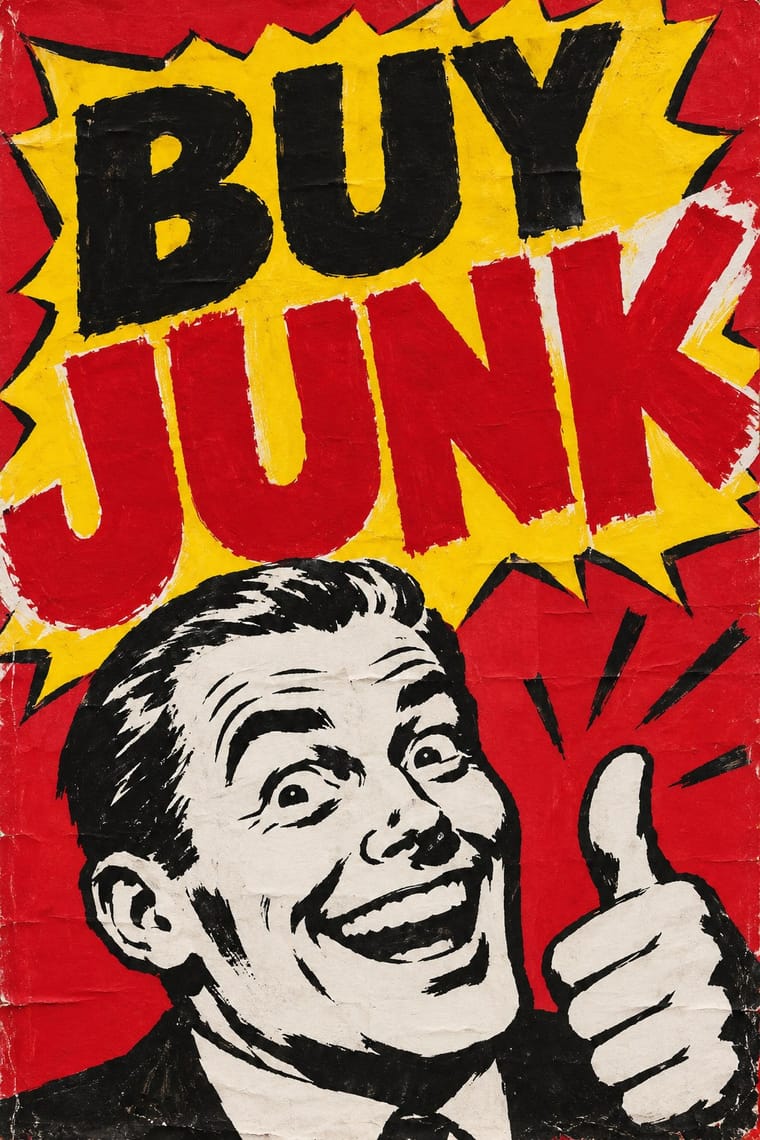
Choices that tell Tunisian Post-Revolution Street Graphics and BUGA UP Billboard Alteration apart Choice Tunisian Post-Revolution Street Graphics BUGA UP Billboard Alteration Stencil defining — Type as image — defining Agitational & persuasive characteristic — Hand-lettering occasional defining Communal & popular characteristic — Both descend from Dada in the family tree.
-
Gezi Park Protest Graphics (Turkey, 2013)
Gezi Park Protest Graphics is one of Tunisian Post-Revolution Street Graphics’s nearest styles by choices; no real work of either fits the other better.
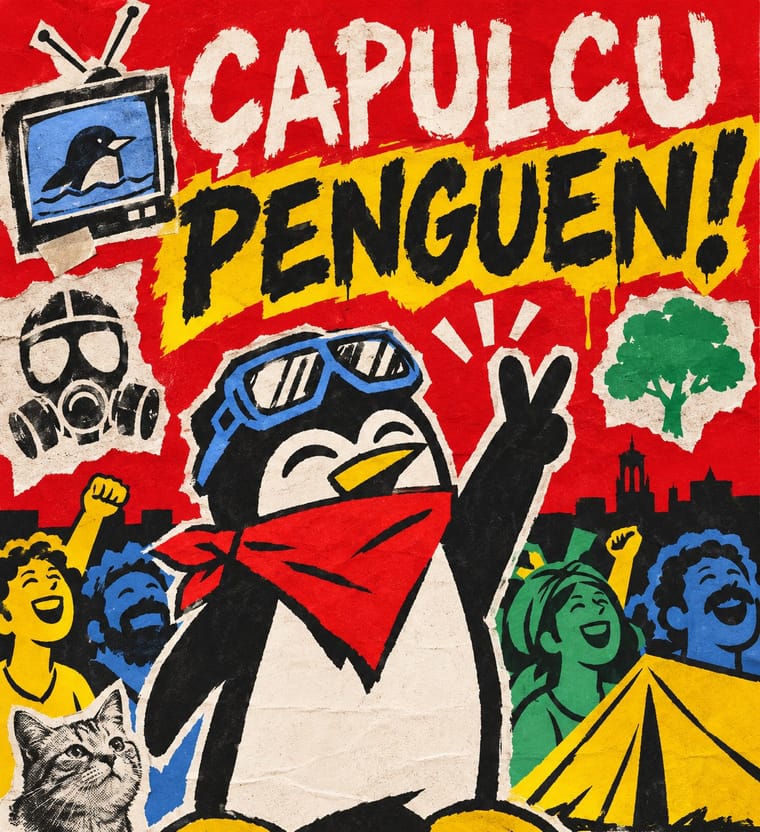
Choices that tell Tunisian Post-Revolution Street Graphics and Gezi Park Protest Graphics apart Choice Tunisian Post-Revolution Street Graphics Gezi Park Protest Graphics Single focal point defining — Hand-lettering occasional defining Stencil defining occasional Full polychrome — characteristic Naturalistic depiction characteristic — Both descend from Stencil Street Art in the family tree.
-
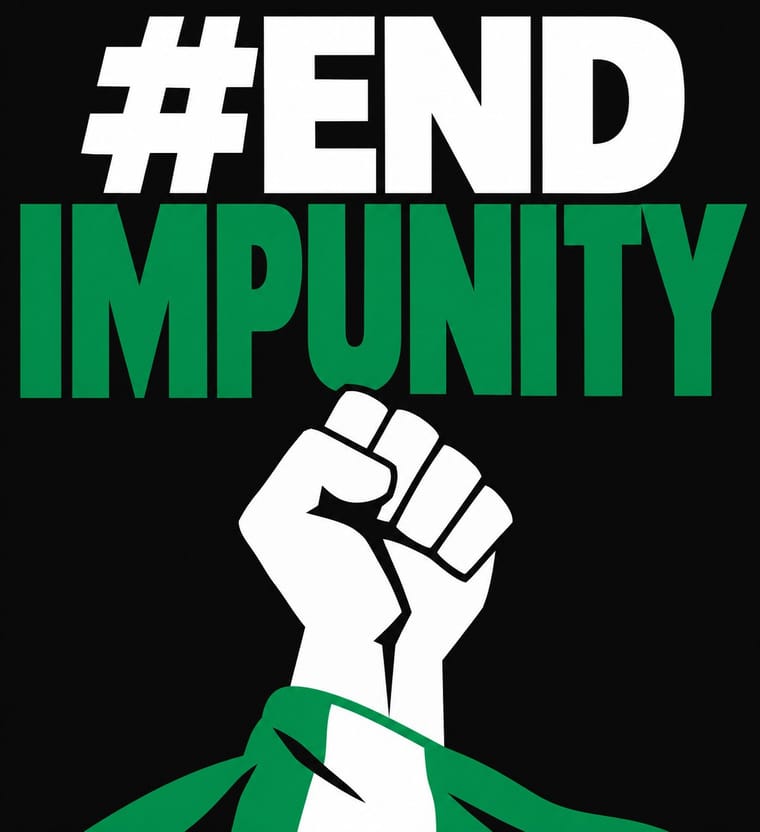
EndSARS Protest Graphics (Nigeria, 2020)
EndSARS Protest Graphics is one of Tunisian Post-Revolution Street Graphics’s nearest styles by choices; no real work of either fits the other better.
Choices that tell Tunisian Post-Revolution Street Graphics and EndSARS Protest Graphics apart Choice Tunisian Post-Revolution Street Graphics EndSARS Protest Graphics Stencil defining — Type as image — defining Architecture & signage defining — All caps occasional defining Ironic & self-aware defining — No shared descent in the atlas: they reached these choices separately.
— means the choice isn’t among the style’s recorded choices. Critics recorded each work’s choices with the styles’ descriptions in view, so this shows whether the descriptions hold together, not proof that they are right.
08
Sources
- https://observers.france24.com/fr/20110527-revolution-tunisienne-bombe-murs-pays-graffitis-tunis-art-urbain-Ahl-El-Kahf
- https://www.instituteforpublicart.org/case-studies/ahl-alkahf/
- https://digitalcollections.sit.edu/isp_collection/1134/
1 more source
How Stylogeny researches and checks a style: where the facts come from.