Digital native · 2000–present · East Asia, North America, Western Europe, Global / networked
Cel-Shaded Game Graphics (Toon-Shaded Real-Time 3D)
Also known as Cel shading, Toon shading, Toon rendering
A look for real-time 3D video games in which normally lit models are quantised into two or three hard bands of flat, saturated colour and ringed with ink outlines, so a freely moving 3D world reads as a moving cartoon, anime cel or comic panel. Each game pairs the rendering with one borrowed graphic idiom: graffiti in Jet Set Radio, comic balloons in XIII, sumi-e brush and parchment in Okami, hand-drawn comic textures in Borderlands. It carries into key art, box art and logos.
Make something in this style Get advice in this style Mix it with another style
Use it with care
The characters, worlds and logos of these games (Link and The Wind Waker, Okami's Amaterasu, Borderlands, Guilty Gear, Eric Haze's Jet Set Radio logo) are owned by their publishers and artists, and Okami's gods and brush art draw on Shinto myth and Japanese ink painting: draw original characters, logos and tags in the shared idiom, never ask an image model for a named game, character or artist, and never present a generated picture as studio key art.
01
How it works
- Light the 3D model, then quantise the shading into two or three flat bands with sharp edges instead of smooth gradation.
- Draw a dark ink outline around silhouettes and major features, thicker on whatever must stand out.
- Keep a single controlled key light and full volumetric form, so the camera can move freely while every frame still reads as a drawing.
- Use flat, saturated, many-coloured fields and exaggerated, simplified figures rather than photoreal detail.
- Pair the rendering with one borrowed graphic idiom (graffiti tags, comic balloons and onomatopoeia, ink-brush strokes on parchment) and carry it into the logo and key art.
Japan: Sega's studio Smilebit, whose Dreamcast game Jet Set Radio (shown at the 1999 Tokyo Game Show, released 29 June 2000) drew attention for its cel-shaded look; taken up by Nintendo, Ubisoft Paris, Clover Studio, Gearbox Software and Arc System Works
02
Its design choices
From Stylogeny’s vocabulary of design choices: defining choices make the style, characteristic ones are usual, occasional ones turn up now and then.
- Layout & composition
- Space & hierarchy
- Typography
- Colour
- Form & shape
- Surface & texture
- Imagery
- Medium & production
- Tone & intent
- Avoids
- Naturalistic depiction, Straight photography, Chrome & 3D render, Frosted glass, Soft extrusion, Non-representational, Typography only, Rational & objective, Gradients
Palette
-
#111111 -
#1e88d8 -
#ffd23f -
#e8402a -
#3fae49 -
#f4e9d0
Typefaces
-
Graffiti handstyles and hand-drawn logo lettering
Jet Set Radio's logo by the graffiti artist Eric Haze, with tags sprayed across the 3D city
-
Comic-book onomatopoeia lettered in bubbles, popping up over the 3D scene
XIII
-
Brush-and-ink lettering in the sumi-e register, echoing the strokes the player paints with the Celestial Brush
Okami
-
Heavy outlined display lettering for title logos and key art, drawn with the same ink outline as the characters
a working recommendation: the style has no settled typographic canon
Known for
-
Jet Set Radio (Smilebit/Sega, Dreamcast, Japan 29 June 2000; Jet Grind Radio in North America)
artists Ryuta Ueda and Kazuki Hosokawa, graffiti by several artists including Eric Haze, who also designed the logo
-
The Legend of Zelda
The Wind Waker (Nintendo EAD, GameCube, Japan 13 December 2002): director Eiji Aonuma, cartoon Link drawn by designer Yoshiki Haruhana, design manager Satoru Takizawa; shown at Space World 2001, where its cel-shaded look divided fans and critics derisively dubbed it 'Celda'; featured in the Smithsonian American Art Museum's The Art of Video Games (2012)
-
XIII (Ubisoft Paris, November 2003), after the Belgian comic series by Jean Van Hamme and William Vance
comic-strip insets and onomatopoeia in bubbles
-
Okami (Clover Studio/Capcom, PlayStation 2, Japan 20 April 2006)
director Hideki Kamiya, lead character designer Sawaki Takeyasu; sumi-e-inspired cel shading under a parchment filter; BAFTA Artistic Achievement 2007; featured in The Art of Video Games (2012)
-
Borderlands (Gearbox Software, October 2009)
switched late in development to hand-drawn textures with engine-drawn outlines, a change led by Brian Martel
-
Guilty Gear Xrd Sign (Arc System Works, Japanese arcades 20 February 2014)
cel-shaded 3D on Unreal Engine 3 made to look like 2D anime, with frames deliberately cut
-
Genshin Impact (miHoYo, China, 28 September 2020, Unity)
an anime-style open world, listed among cel-shaded video games; criticised on its 2019 unveiling for its similarities to The Legend of Zelda: Breath of the Wild, one of its main inspirations
-
Hi-Fi Rush (Tango Gameworks, 25 January 2023), whose art style Polygon called 'Jet Set Radio-esque'
03
Make something in this style
Say what you need, and Stylogeny’s image studio draws it from Cel-Shaded Game Graphics (Toon-Shaded Real-Time 3D)’s design choices and checks it against them. It takes about a minute, and you get a link to share.
04
Where it comes from, and what it’s close to
Before it
The style it grew out of, and the styles it borrowed from.
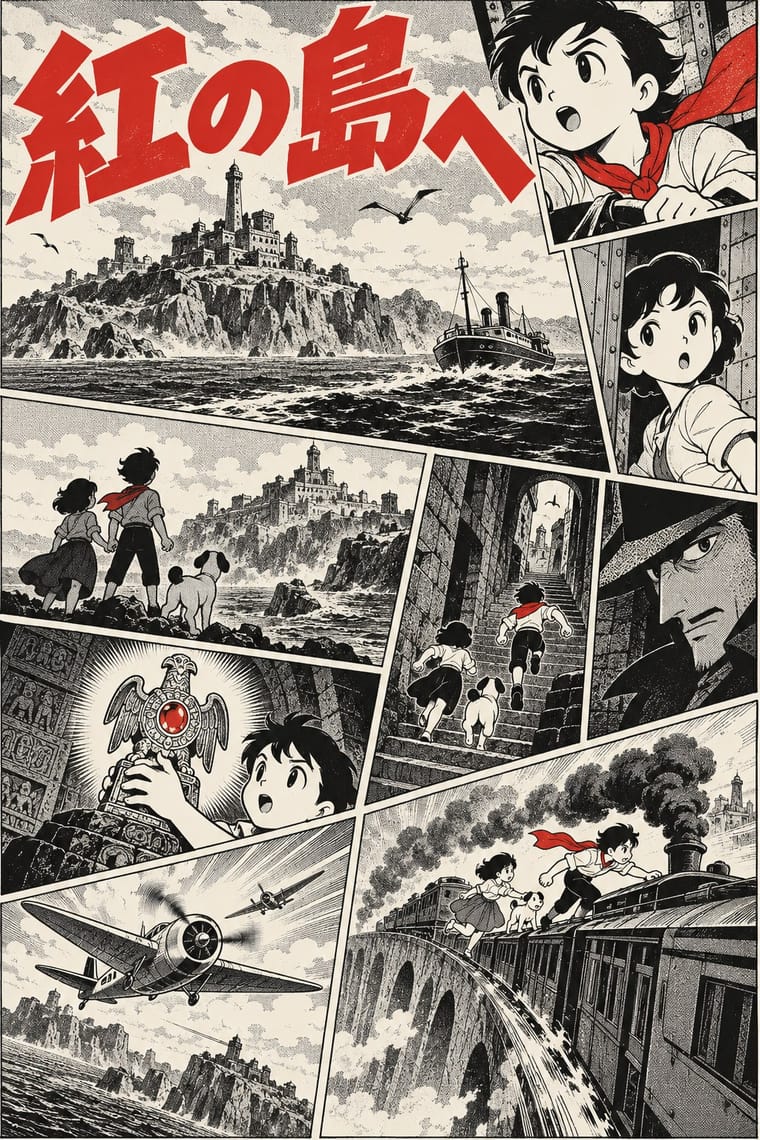
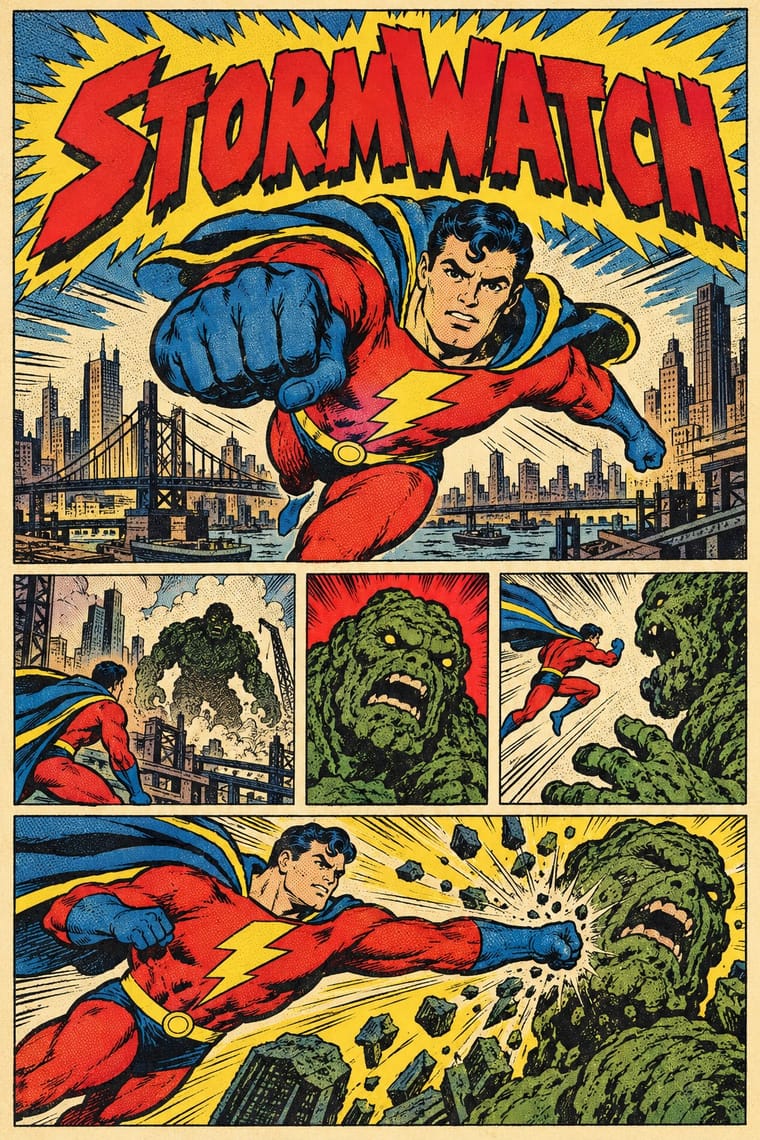
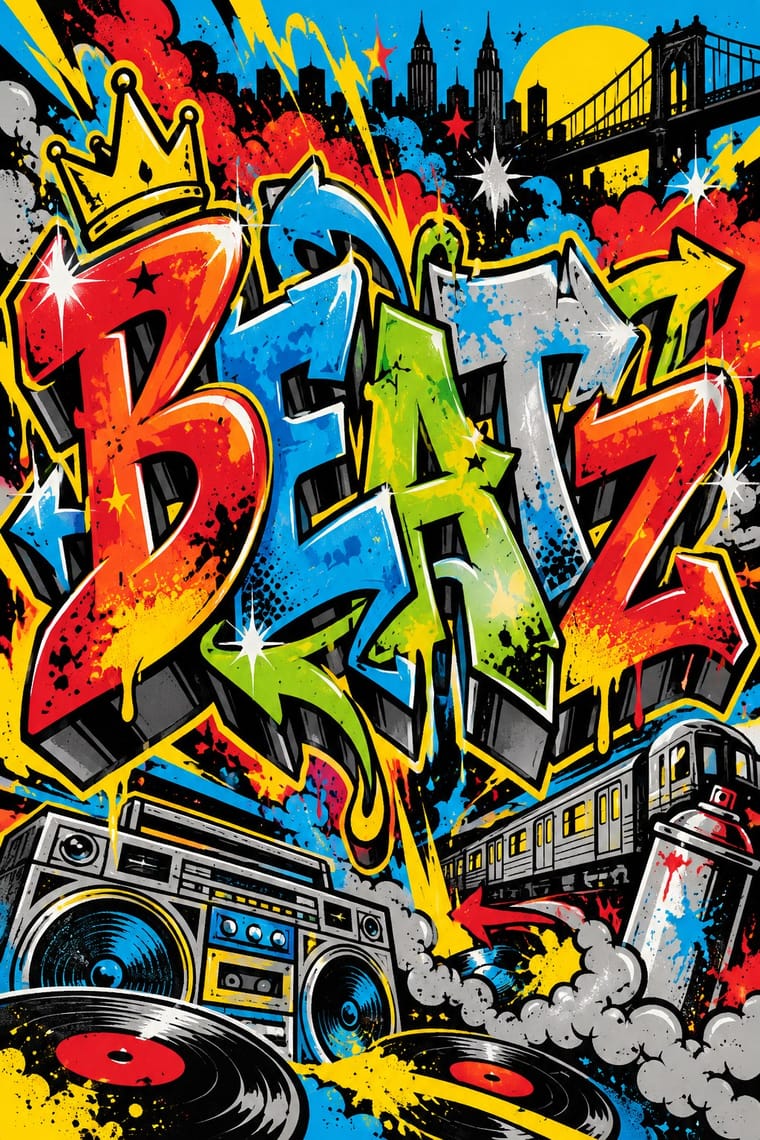
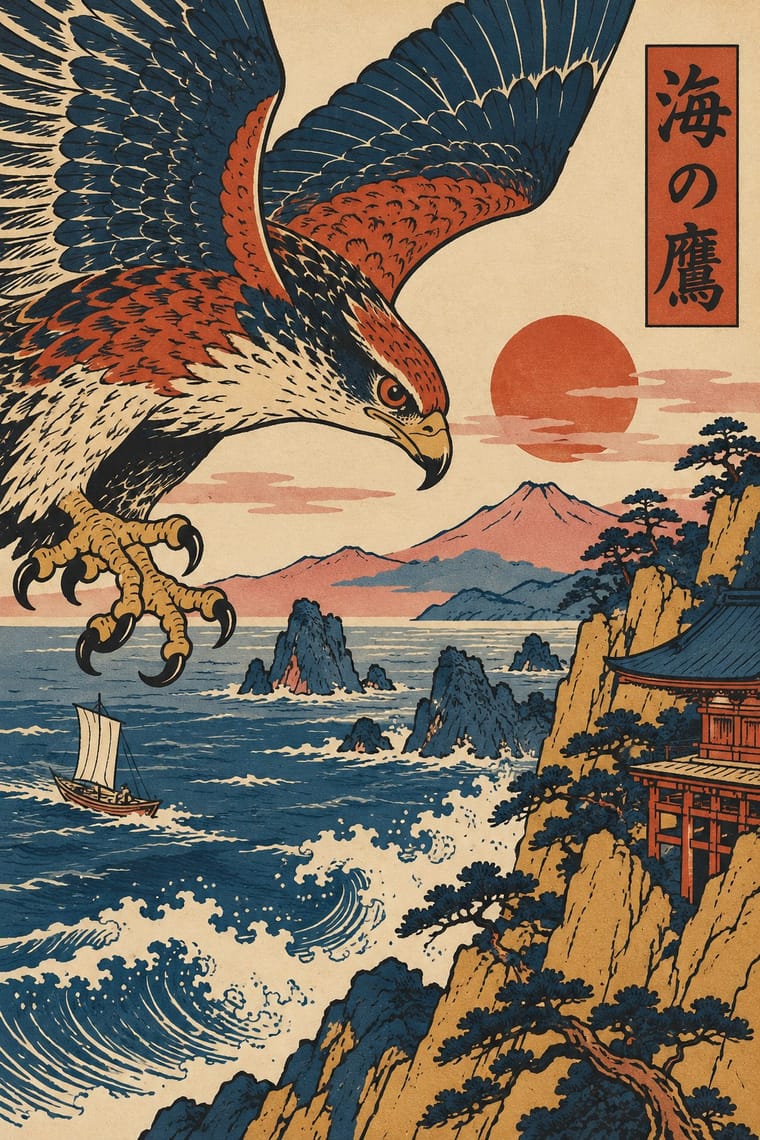
After it
The styles that grew out of it.
No later style in the atlas grew out of it yet.
Alike in its design choices
Styles that make many of the same choices, related or not, besides those above.

05
Often taken for
Cel-Shaded Game Graphics has no real works recorded yet, so these are its nearest styles by its choices alone, with the choices that tell them apart.
-
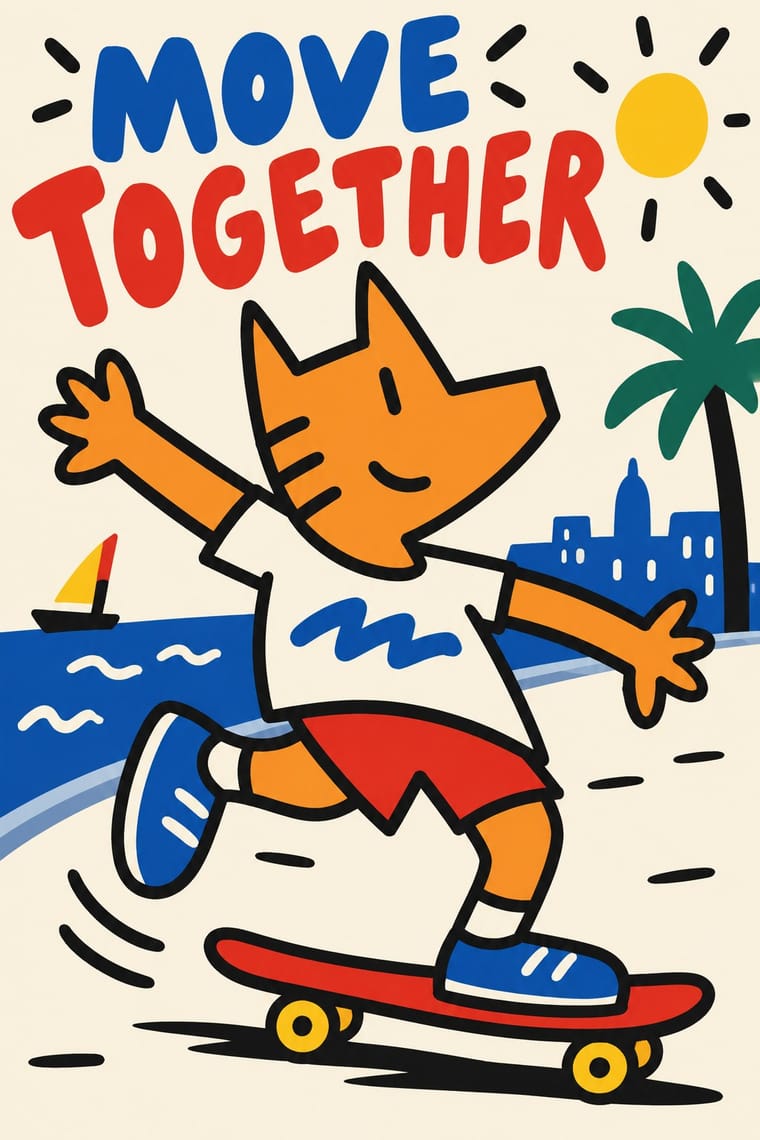
Cobi and Mariscal's Barcelona '92 Mascot Graphics
Cobi and Mariscal's Barcelona '92 Mascot Graphics is one of Cel-Shaded Game Graphics’s nearest styles by choices; no real work of either fits the other better.
Choices that tell Cel-Shaded Game Graphics and Cobi and Mariscal's Barcelona '92 Mascot Graphics apart Choice Cel-Shaded Game Graphics Cobi and Mariscal's Barcelona '92 Mascot Graphics 3D render defining — Light ground — characteristic Illusion of depth defining — Communal & popular — defining Hard offset shadow defining — No shared descent in the atlas: they reached these choices separately.
-
Push Pin Style
Push Pin Style is one of Cel-Shaded Game Graphics’s nearest styles by choices; no real work of either fits the other better.
Choices that tell Cel-Shaded Game Graphics and Push Pin Style apart Choice Cel-Shaded Game Graphics Push Pin Style 3D render defining — Limited spot colours — characteristic Illusion of depth defining — Borders & frames — characteristic Hard offset shadow defining — No shared descent in the atlas: they reached these choices separately.
-
VTuber Avatar and Stream Graphics
VTuber Avatar and Stream Graphics is one of Cel-Shaded Game Graphics’s nearest styles by choices; no real work of either fits the other better.
Choices that tell Cel-Shaded Game Graphics and VTuber Avatar and Stream Graphics apart Choice Cel-Shaded Game Graphics VTuber Avatar and Stream Graphics Flat fields defining — Gradients avoids characteristic Earth & mineral occasional avoids Layered information occasional defining Distortion & exaggeration characteristic — No shared descent in the atlas: they reached these choices separately.
-
Rubber-Hose Revival (Cartoon Mascot Graphics)
Rubber-Hose Revival is one of Cel-Shaded Game Graphics’s nearest styles by choices; no real work of either fits the other better.
Choices that tell Cel-Shaded Game Graphics and Rubber-Hose Revival apart Choice Cel-Shaded Game Graphics Rubber-Hose Revival 3D render defining avoids Rounded & pill occasional defining Illusion of depth defining — Isolated object occasional defining Hard offset shadow defining — No shared descent in the atlas: they reached these choices separately.
— means the choice isn’t among the style’s recorded choices. Critics recorded each work’s choices with the styles’ descriptions in view, so this shows whether the descriptions hold together, not proof that they are right.
06
Combine it with
Styles Cel-Shaded Game Graphics (Toon-Shaded Real-Time 3D) pairs well with or plays against, from the research. Each is worked out as a combination: which style gives the type, the colours and the forms.
- Ukiyo-e Woodblock Prints Pairs well · Borrow woodblock outline, flat colour and paper tone to push the bands towards the painted register of Okami.
- American Four-Colour Comic Book (Golden to Bronze Age) Pairs well · Add panel insets, sound-effect lettering and halftone to make the 3D frame read as a comic page.
- Low Poly Illustration Contrasts · Both stylise real-time 3D, but low poly shows faceted polygons with no outlines; contrast inked silhouettes with bare facets.
- Claymorphism & Soft 3D Contrasts · Soft gradients and blurred shadows on inflated forms against hard-edged light bands and ink lines.
- Graffiti & Hip-Hop Graphics Pairs well · Spray tags and wildstyle pieces onto toon-shaded walls for the street register that Jet Set Radio set.
07
Sources
- Wikipedia, Cel shading, en.wikipedia.org/wiki/Cel_shading
- Wikipedia, Jet Set Radio, en.wikipedia.org/wiki/Jet_Set_Radio
- Wikipedia, The Legend of Zelda: The Wind Waker, en.wikipedia.org/wiki/The_Legend_of_Zelda:_The_Wind_Waker
- Wikipedia, XIII (2003 video game), en.wikipedia.org/wiki/XIII_(2003_video_game)
- Wikipedia, Okami, en.wikipedia.org/wiki/%C5%8Ckami
- Wikipedia, Borderlands (video game), en.wikipedia.org/wiki/Borderlands_(video_game)
- Wikipedia, Guilty Gear Xrd, en.wikipedia.org/wiki/Guilty_Gear_Xrd
- Junya Christopher Motomura (Arc System Works), GuiltyGear Xrd's Art Style: The X Factor Between 2D and 3D, Game Developers Conference talk, 2015 (cited in Wikipedia, Guilty Gear Xrd)
- Wikipedia, List of cel-shaded video games, en.wikipedia.org/wiki/List_of_cel-shaded_video_games
- Wikipedia, Genshin Impact, en.wikipedia.org/wiki/Genshin_Impact
- Wikipedia, Hi-Fi Rush, en.wikipedia.org/wiki/Hi-Fi_Rush
- Smithsonian American Art Museum, The Art of Video Games (16 March - 30 September 2012, curator Chris Melissinos), americanart.si.edu/exhibitions/games
How Stylogeny researches and checks a style: where the facts come from.