Tone & intent · Reason
Authoritative & institutional
Confident, official, trustworthy.
A design choice in Stylogeny’s vocabulary, under tone & intent: what should the work make people feel or do?
- styles make it
- 107
- as a defining choice
- 28
- as a usual one
- 47
- now and then
- 32
- avoid it
- 44
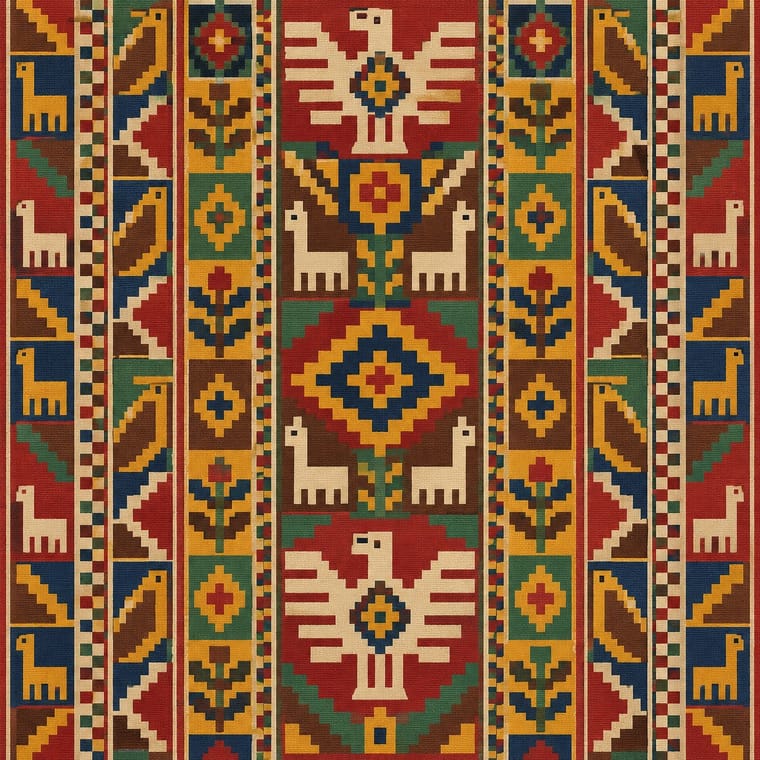
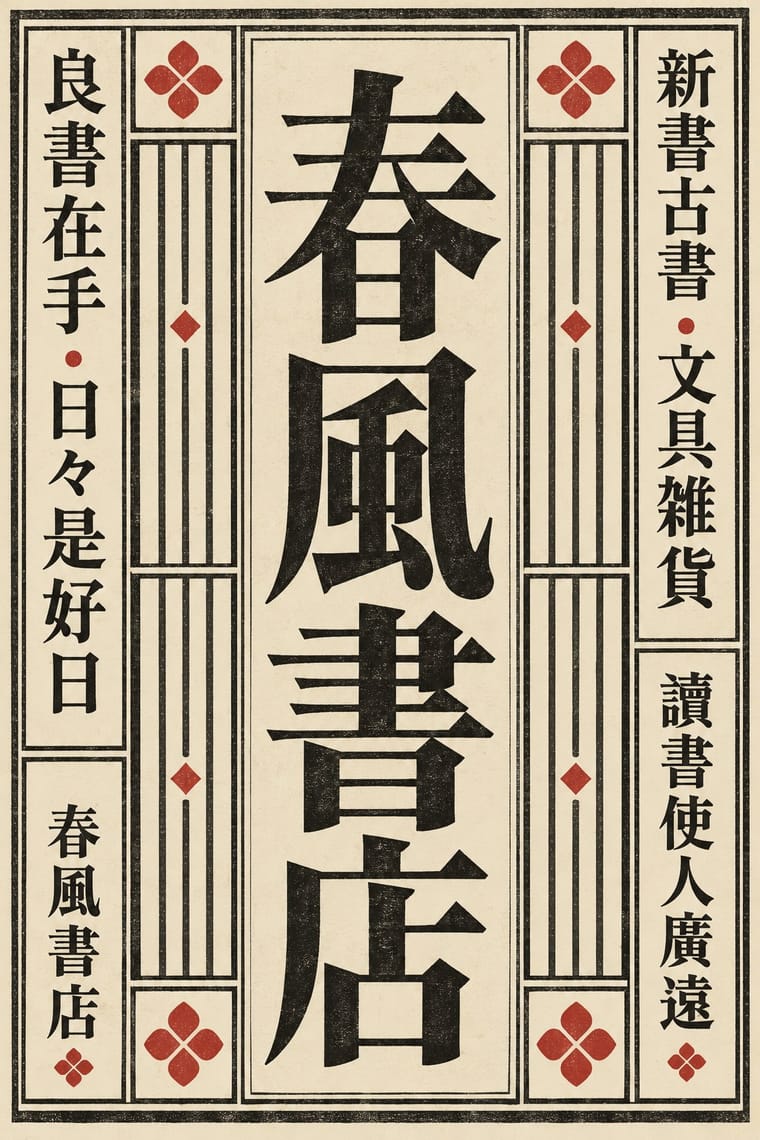
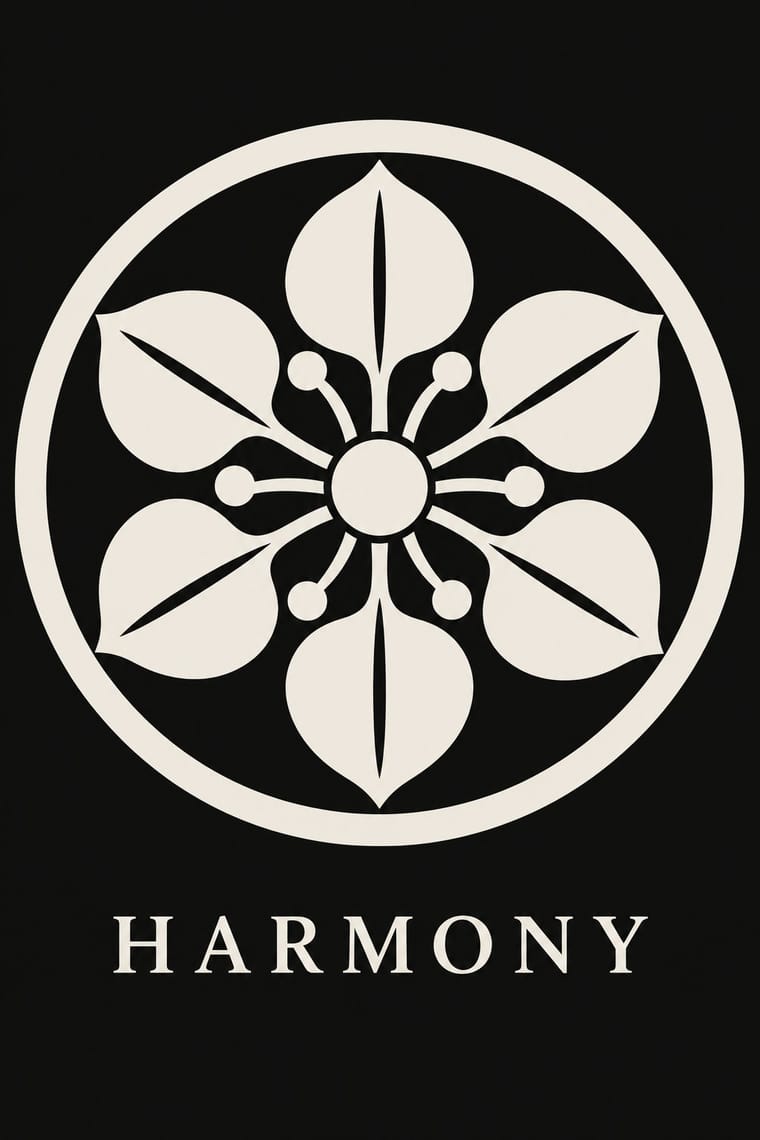
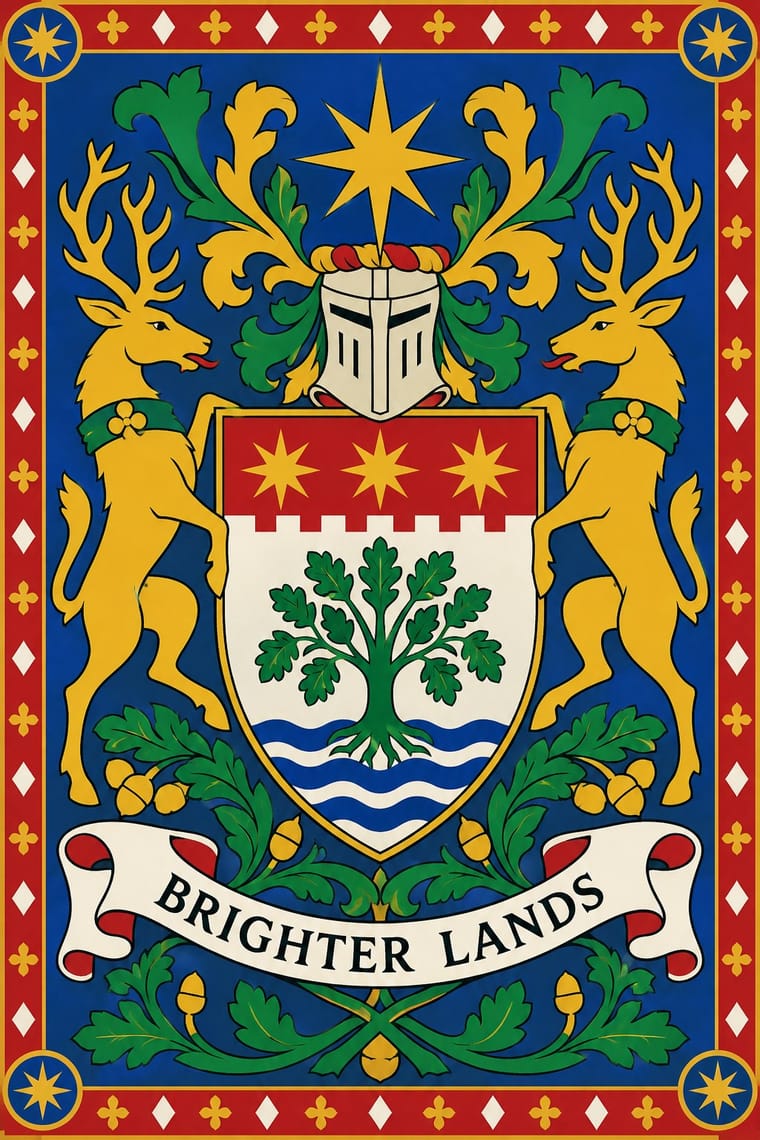
Styles defined by it 28
For these styles it is one of the choices that make the style.
- Ancient Egyptian Hieroglyphic & Register CompositionThe visual system of pharaonic Egypt, in which writing is made of pictures and pictures are ruled like writing.
- Ottoman Tughra & Dîvânî Chancery CalligraphyThe Ottoman sultan's calligraphic monogram and the chancery hand written beneath it.
- Italian Fascist Graphics (Romanità & Exhibition Photomontage)The visual language of Italian Fascism, which turned modernist means to a cult of Rome and of the Duce.
- Nippon Kōbō & Tōhōsha Photo-Propaganda Magazines (NIPPON & FRONT)Luxury photo-propaganda magazines that imperial Japan sent abroad, 1934–45.
- Ethiopian Revolutionary Poster (Derg Era)The poster and mural art of the Derg military government and its successor, Mengistu's People's Democratic Republic of Ethiopia (1974–1991), made mostly by teachers and students of the Addis Ababa School of Fine Arts.
- Madinah Mushaf (King Fahd Complex Qur'an Page)One fixed page for the Qur'an across much of the Muslim world: Uthman Taha's fully vowelled Naskh in fifteen justified lines, written so that every page ends at the end of a verse (the late Ottoman âyet-berkenar layout), inside a floral frame, with sura titles in framed cartouches and verse numbers in small round medallions.
- Nigerian Pentecostal Crusade Poster & BillboardThe roadside adverts of Nigeria's Pentecostal and independent churches: billboards, banners and posters on poles, walls and bridges announcing crusades, revivals, conventions and night vigils.
- Front-of-Pack Warning Octagons (Latin American Food Warning Seals)A state warning system stacked on commercial food packs.
Styles that often use it 47
A characteristic choice: usual in these styles, though not essential.
- Ethiopian Ge'ez Manuscript & Haräg IlluminationThe manuscript art of the Ethiopian and Eritrean Orthodox Tewahedo Church, written in the Ge'ez syllabary on parchment from the Garima Gospels (radiocarbon-dated to roughly the 4th–7th centuries) to the present.
- Maghrebi Script (Maghribi Calligraphy of al-Andalus and North Africa)The family of Arabic scripts of al-Andalus and North Africa, descended from early Kufic bookhands.
- Square Kufic (Bannāʾī)Square Kufic builds Arabic script on a square grid: straight lines and right angles only, with every stroke as wide as the gap beside it.
- Tibetan Woodblock Print Culture (Pecha & Prayer Flags)Tibetan Buddhist and Bön woodblock printing, from the first printed Kangyur (1410, cut in China) and the 15th-century presses of Gungthang to the great printing houses of Narthang, Derge and Lhasa.
- Javanese Wayang Kulit (Tatah Sungging)The visual language of Javanese shadow puppets: flat figures cut from buffalo parchment, with head and legs in profile, shoulders turned to the front and long jointed arms worked by horn rods.
- Northwest Coast Formline DesignThe two-dimensional design system of the northern Northwest Coast nations, painted, carved and woven onto boxes, house fronts, robes and hats, and printed as serigraphs since the 1960s.
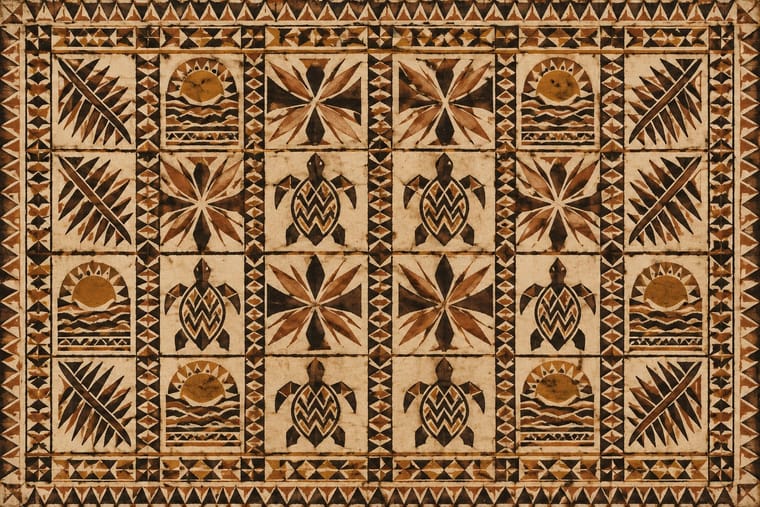
- Thai Yantra (Yant) DiagramsThai protective diagrams in which Pali formulae, written in Khom, a sacred script derived from Khmer, are packed into squares, circles, triangles, spires and the outlines of Buddhas, monks and tigers, often framed by lines of script.
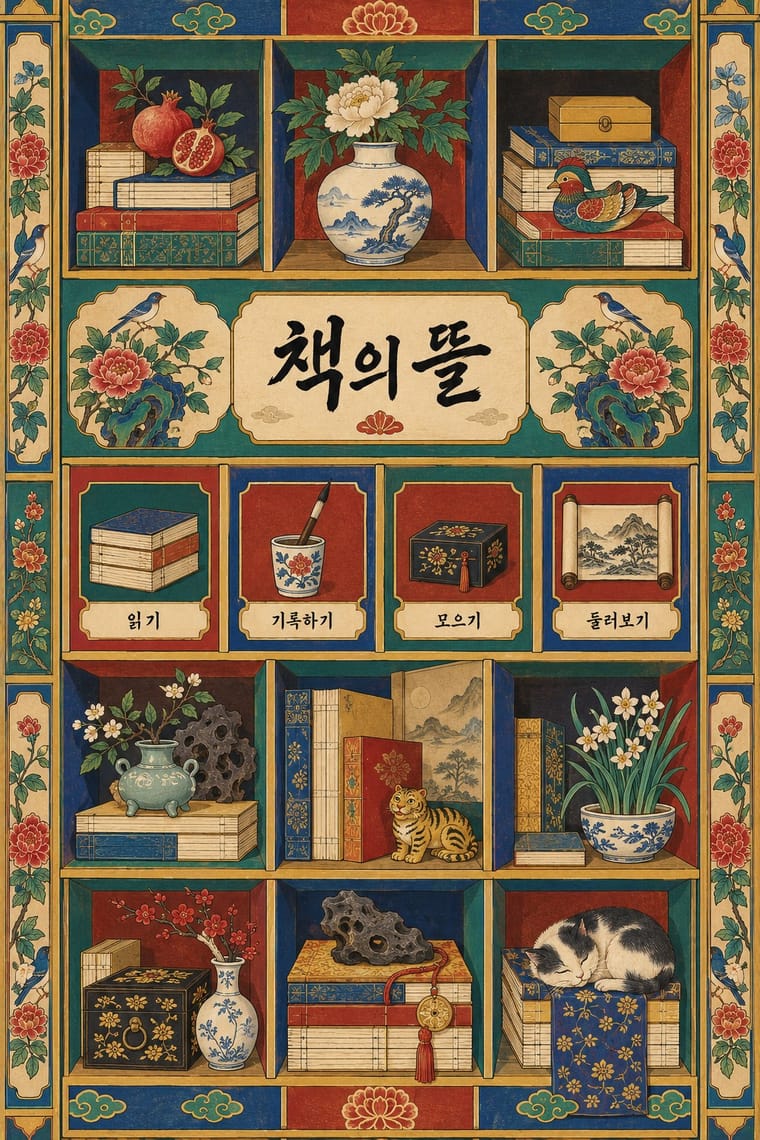
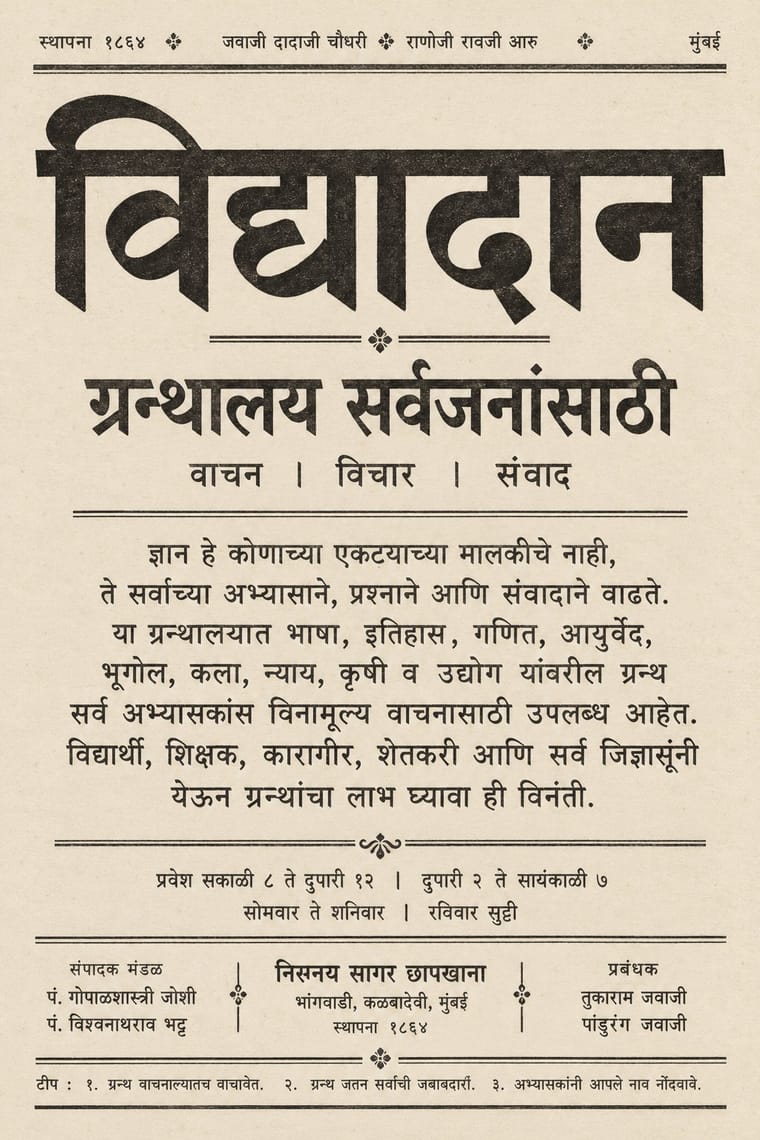
- Urdu Katib LithographyFor about a century and a half Urdu chose lithography over movable type, because metal type could not reproduce the sloping, stacked ligatures of Nastaʿlīq.
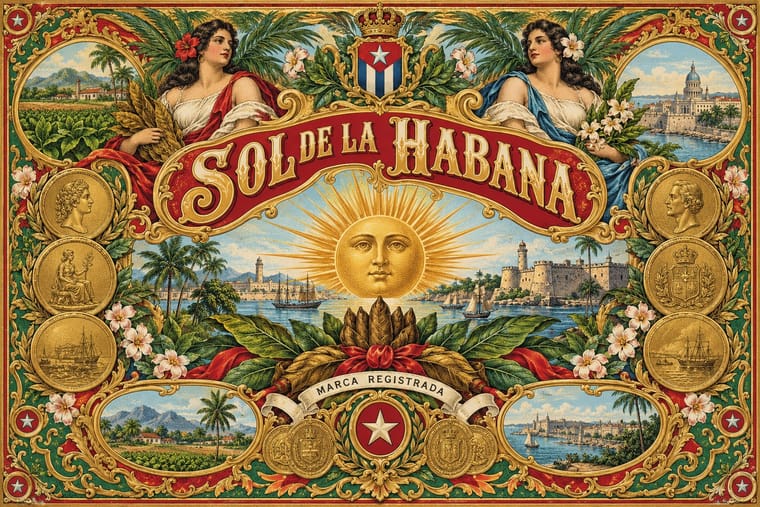
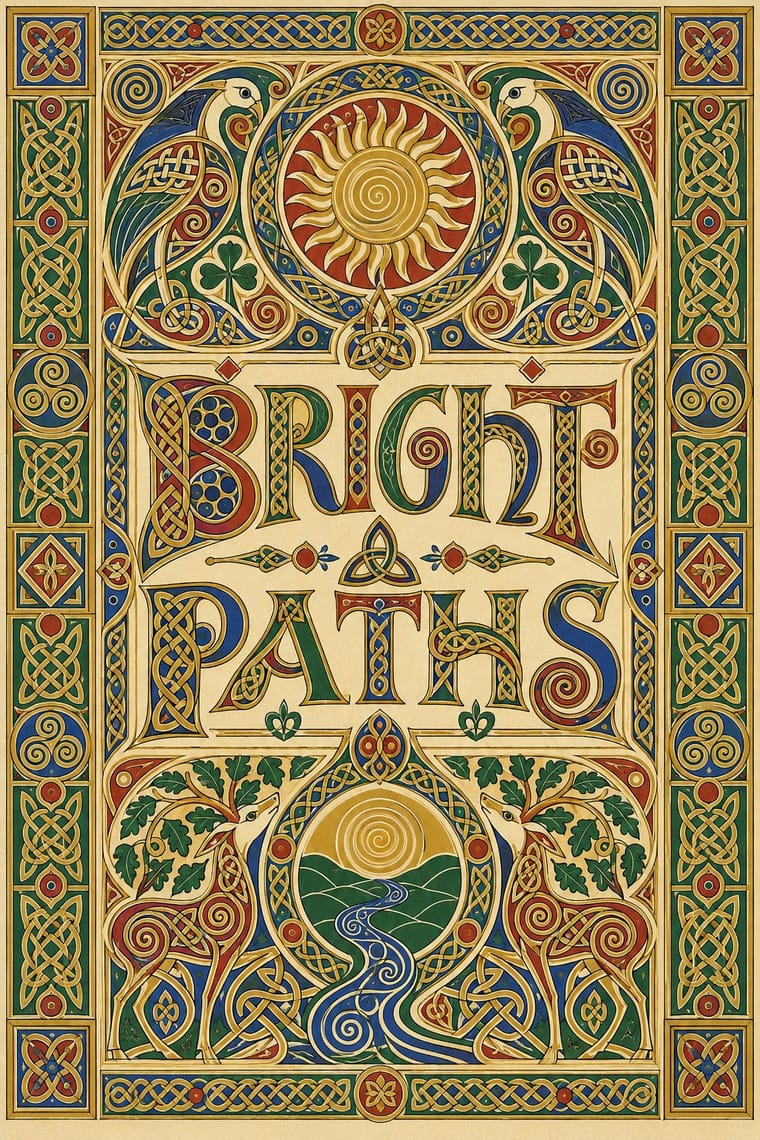
- Norwegian and Finnish National Romantic Graphics (Munthe & Karelianism)The flat, decorative branch of Norway's and Finland's national romanticism, which turned Viking carving, the sagas, the Kalevala and old peasant weaving into modern ornament.
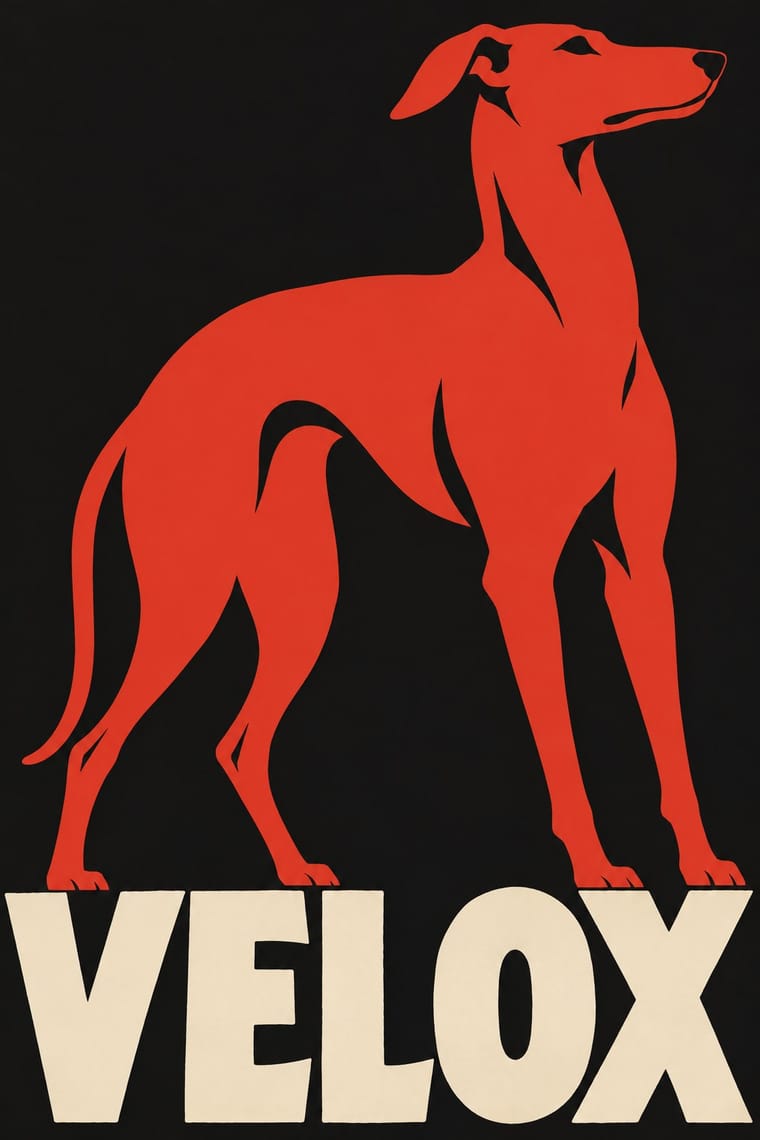
- London Transport DesignThe design programme Frank Pick built for London's Underground from 1908 and the London Passenger Transport Board (1933–40), continued by Harold Hutchison (1947–66).
- Arnhem Land Bark Painting & RarrkPainting in ochres on flattened stringybark by Yolŋu, Kunwinjku, Kuninjku and other clans of Arnhem Land, carrying ceremonial designs into portable form; collected from 1912, painted through art centres since the 1970s.
- Vietnamese Propaganda Poster (Tranh cổ động)The state poster art of Vietnam from the 1945 August Revolution to today.
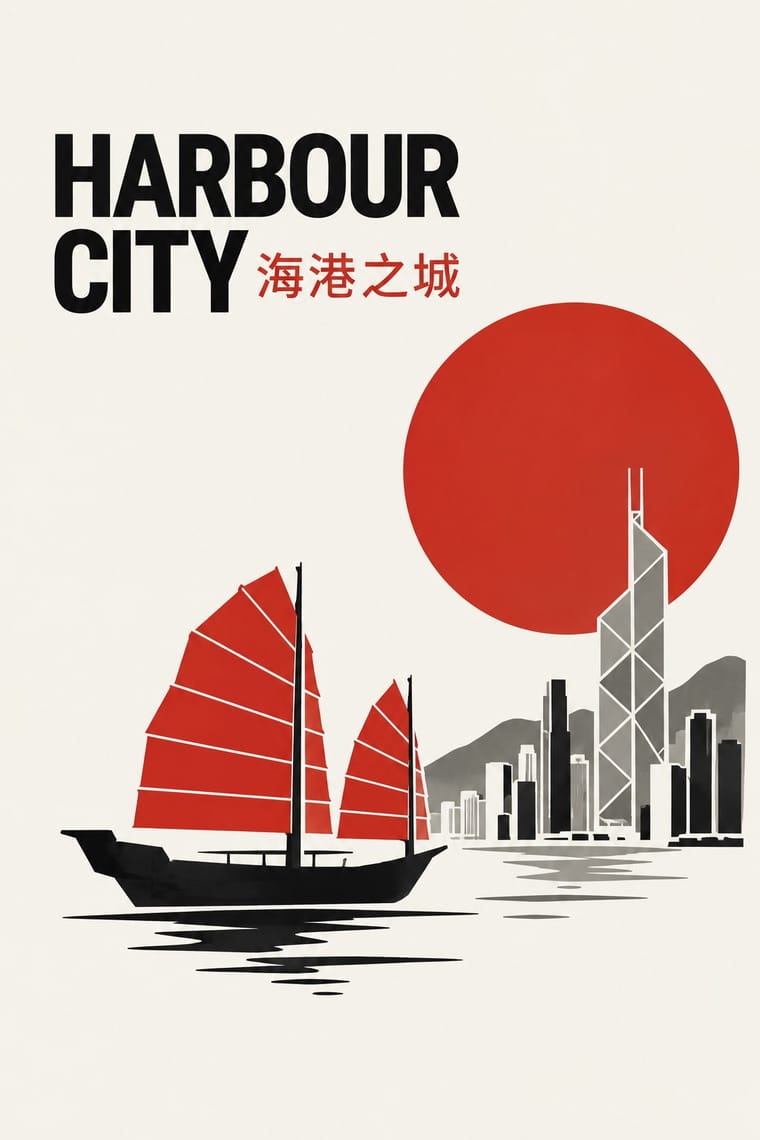
- Mexico 68 Olympic & Metro IdentityThe graphic programme of the 1968 Mexico City Olympics and the city's first Metro line.
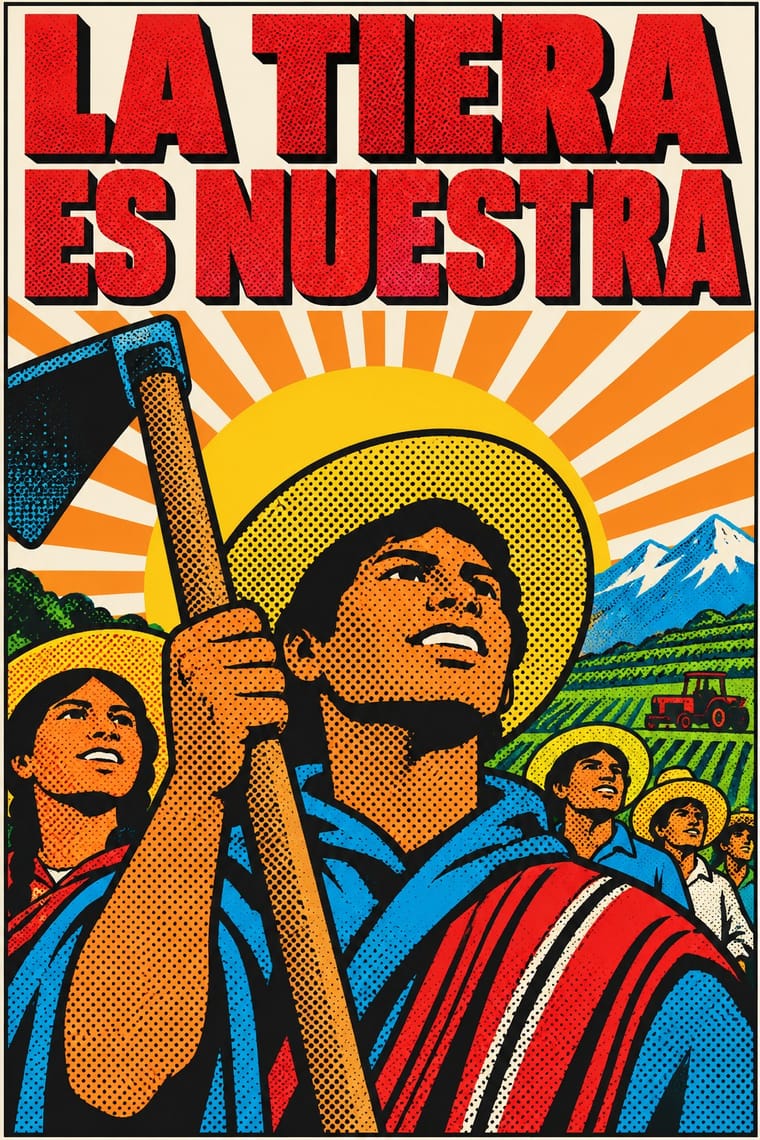
- Western Desert IconographyThe acrylic painting movement that took form at Papunya in 1971, when men there painted the Honey Ant Dreaming on the school wall and then on board, carrying an older practice of sand, body and ceremonial designs into lasting form. 'Western Desert' is an umbrella name: the movement also includes Warlpiri, Anmatyerre and Arrernte painters of the Central Desert.
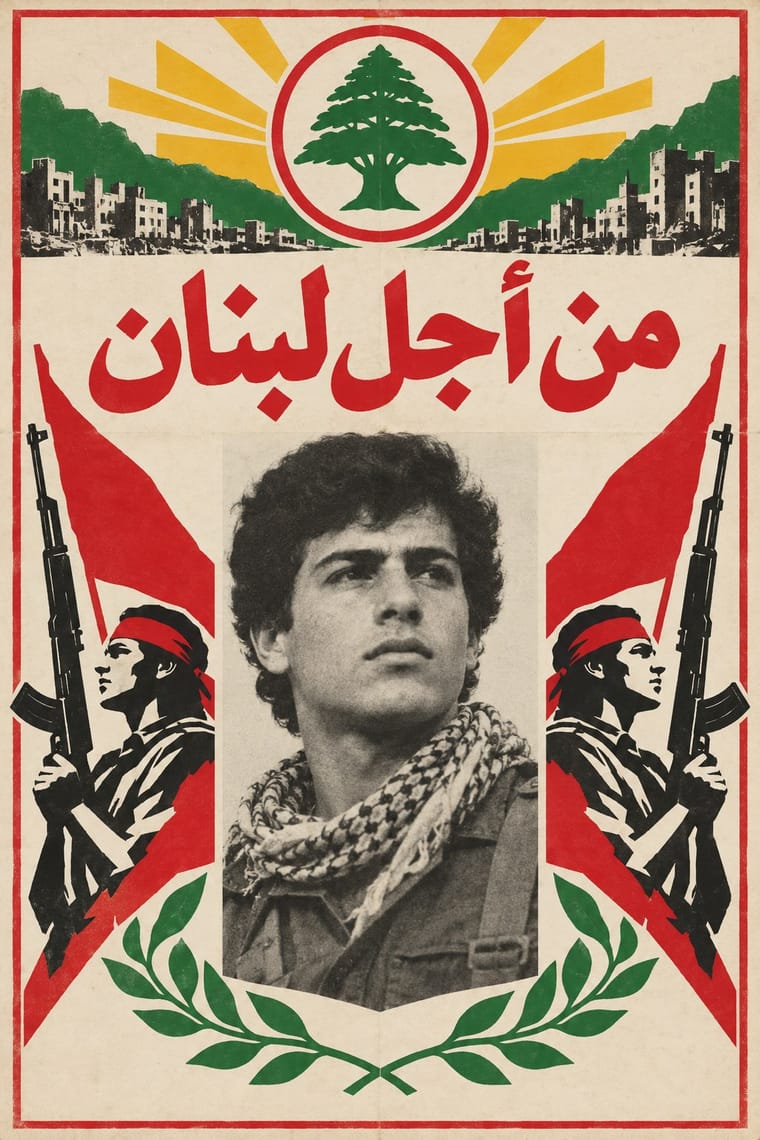
- Iranian Revolutionary & Sacred Defence PosterPosters, murals and stamps of the 1978–79 Iranian Revolution and the 1980–88 war with Iraq, which fused the red-white-black international revolutionary poster with Persian miniature and coffeehouse narrative painting.
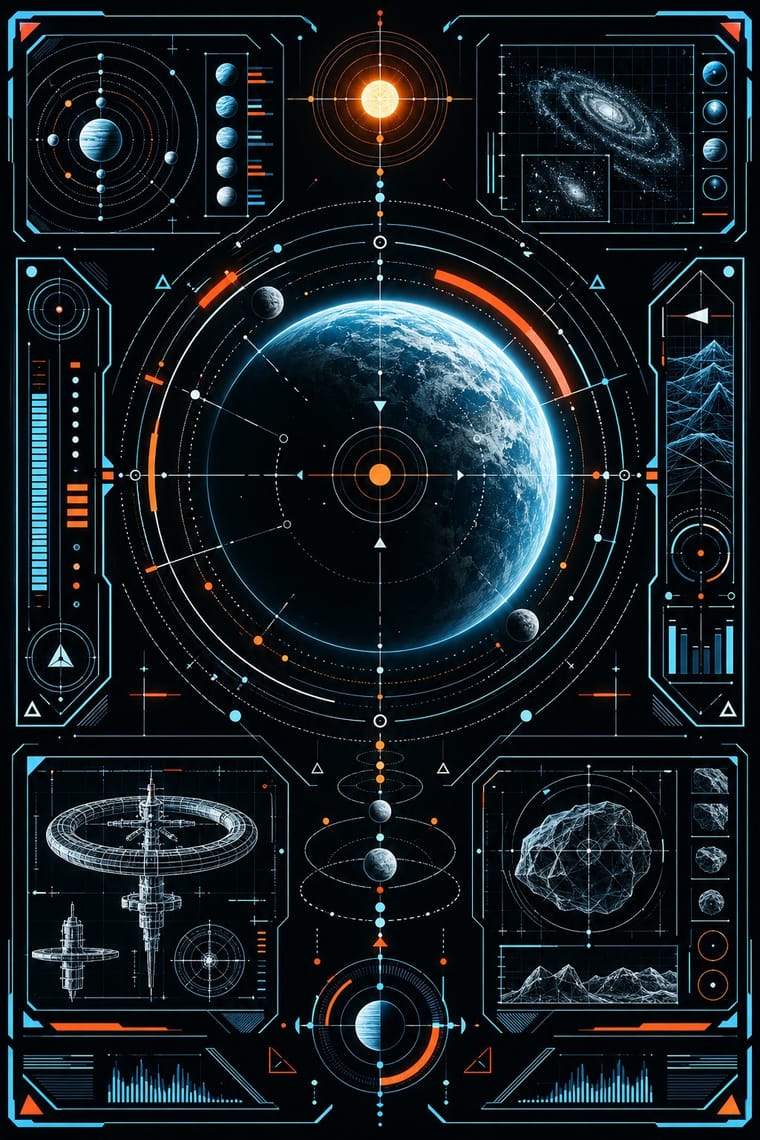
- Tamil Nadu Flex BannersThe digitally printed vinyl boards, locally called flex banners, that fan clubs, party cadres, businesses and families have put up along the roads of Tamil Nadu since about 2000, as flex displaced hand-painted cinema banners and cut-outs over the following decade.
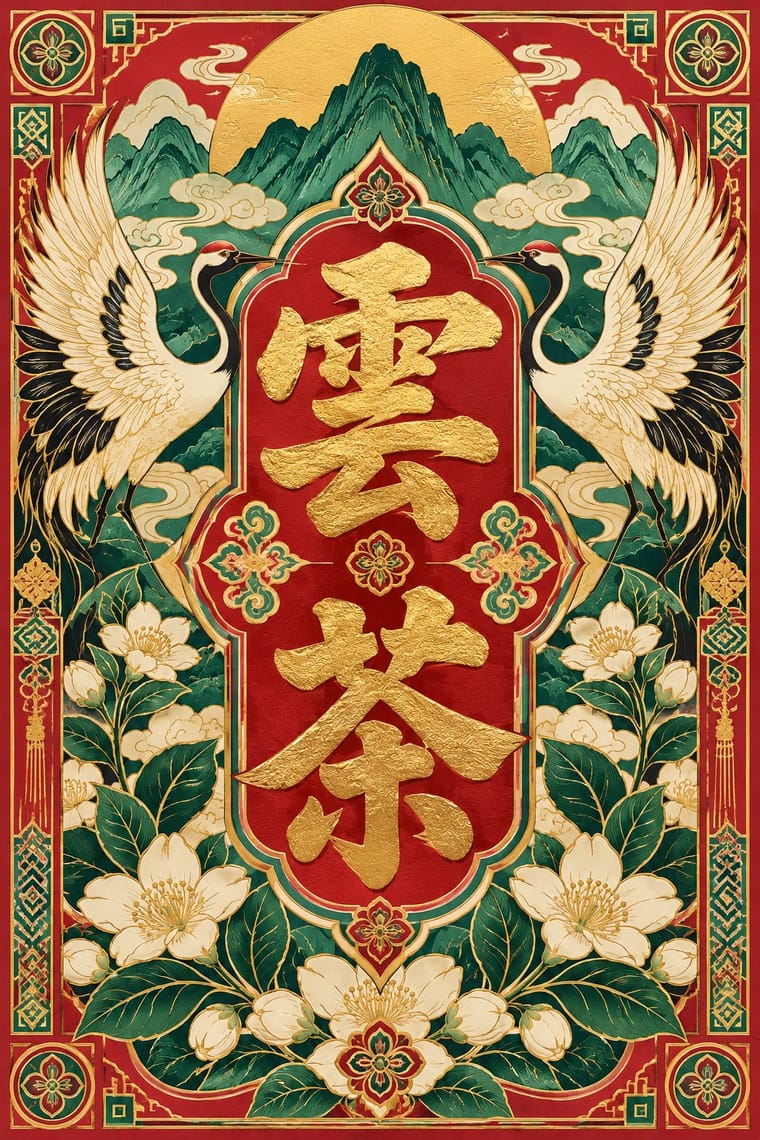
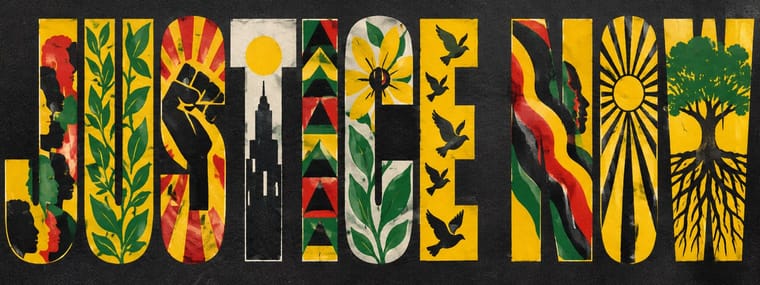
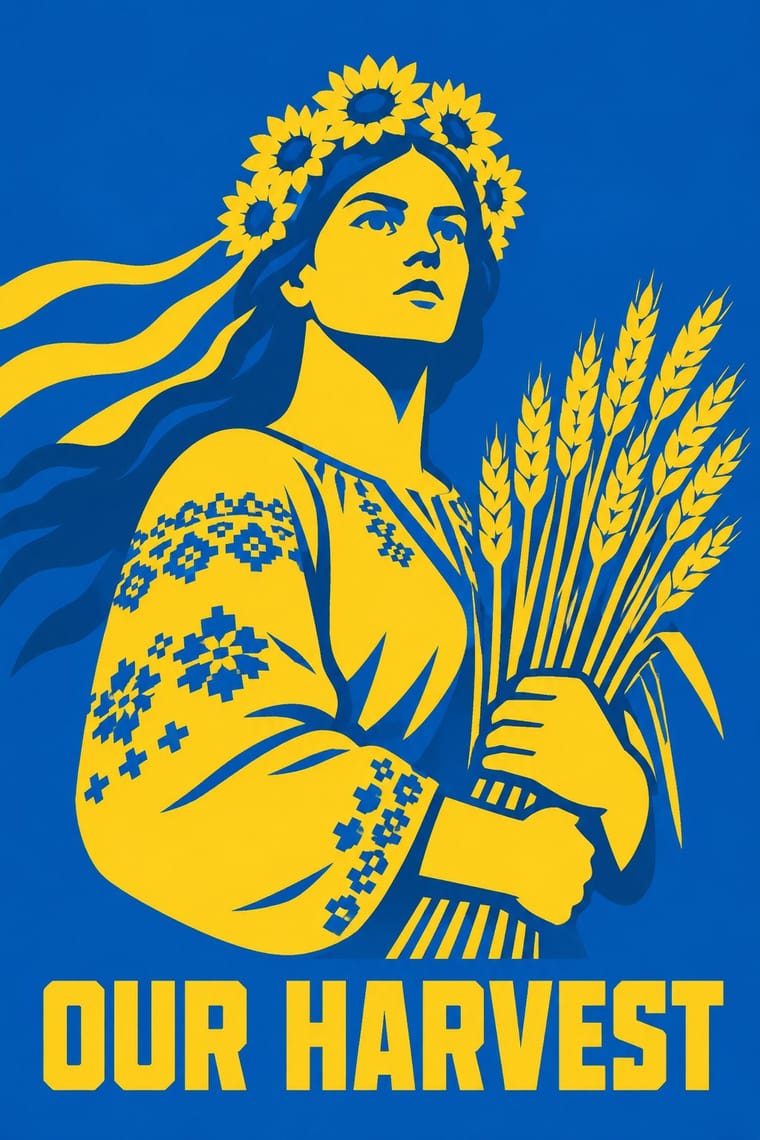
Styles that use it now and then 32
An occasional choice in these styles.
- Amazigh Sign System & Tifinaghc. 0–present
- Islamic Geometric & Calligraphic Traditionc. 690–present
- Armenian Manuscript Illuminationc. 862–1800
- Hebrew Micrographyc. 895–present
- Persian Miniature (Ilkhanid, Timurid and Safavid Book Painting)c. 1300–1700
- Kōwhaiwhai & Toi Māori Design1500–present
- Emblem Book (Motto, Picture & Epigram)1531–1724
- Batik Pattern Tradition1600–present
- Sápmi Graphic Identity (Duodji & Gákti Colour Code)1600–present
- Diné (Navajo) Weaving Design1700–present
- Edo-moji Commercial Lettering (Kanteiryū, Yose-moji, Sumō-ji)1779–present
- Imagerie d'Épinal & European Bilderbogen1796–1939
- Spanish Bullfight Poster (Cartel Taurino)1879–present
- African Wax & Fancy Print1880–present
- German Book Art Movement (Buchkunstbewegung)1895–1933
- Uli & Nsibidi Line and Sign Tradition1900–present
- Santiniketan & Bengal School Graphics1905–1954
- Hungarian Revolutionary Poster1912–1919
- WPA Silkscreen Posters1935–1943
- Spanish Civil War Poster1936–1939
- Machine-Age Simplified Arabic Type1947–present
- Onitsha Market Pamphlets1947–1980
- Hong Kong Neon & Beiwei Shop-Sign Lettering1950–present
- Japanese Postwar Modernism1950–1990
- Polish Cold War Neon (PRL Neonisation)1956–1981
- Thaw Modernism (Soviet and Czechoslovak)1956–1968
- Soviet Central Asian Ornamental Modernism1966–1999
- Roman-like Thai Typography (modern loopless Thai)1973–present
- Dutch Expressive Postmodernism (Studio Dumbar & Hard Werken)1977–1994
- ACT UP & Gran Fury AIDS Activist Graphics1987–1995
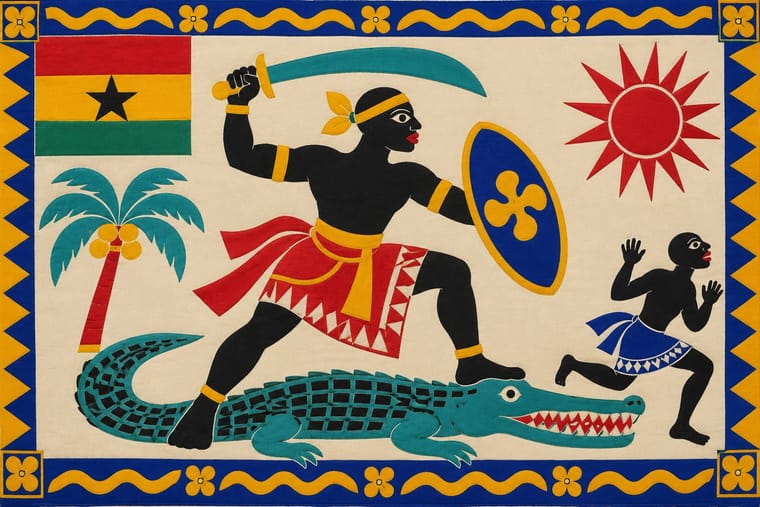
- Ghanaian Funeral Poster & Banner1990–present
- Hipster Artisanal Revival2007–2018
It often goes with
Choices that the styles making it make more often than the atlas as a whole.
- Borders & framesin 65 of 107
- Emblems & badgesin 67 of 107
- Central symmetryin 83 of 107
- Spiritual & sacredin 56 of 107
- Layered informationin 55 of 107
- Framed panelsin 71 of 107
Styles that avoid it
Styles that deliberately leave it out.
- Dada1916–1924
- Brazilian Modernismo Graphics (Klaxon and the Semana de 22)1922–1929
- Czech Poetist Book Design (Devětsil)1922–1938
- Surrealist Graphics1924–1960
- Bengali Modernist Book Cover (Prachchhad)1943–present
- Situationist Détournement Graphics1956–1972
- Gráfica del 68 (Mexican Student Movement Graphics)1968
- Underground Comix1968–1982
- Kawaii Design1970–present
- Australian Poster Collective Screenprints1971–1994
- Turkish Weekly Humour Magazines (Gırgır to Uykusuz)1972–2025
- Métal hurlant Science-Fiction Comics (Mœbius, Druillet & Les Humanoïdes Associés)1974–1987
- La Movida Madrileña Graphics1977–1988
- Cranbrook & Deconstructivist Typography1980–1998
- Demoscene Graphics (Cracktros, Demos & Text-Mode Art)1985–present
- Rave & Acid House Graphics1988–2000
- Grunge Typography1990–2000
- Screenprinted Gig & Alt-Movie Poster1991–present
- Bitterkomix (Afrikaans Underground Comics)1992–present
- Early Web Vernacular1994–2004
- South African Vernacular Design (Ijusi)1995–present
- Emoji Pictographic Language1997–present
- Indonesian Woodcut Activism (Taring Padi)1998–present
- Cartonera Books (Latin American Cardboard Publishing)2003–present
- Internet Ugly & Meme Vernacular2003–present
- Itasha (Anime Character Car Graphics)2005–present
- Danmaku Bullet-Comment Overlay2006–present
- Oaxacan Protest Printmaking & Street Graphics (ASARO)2006–present
- Arab Independent Comics (Samandal, TokTok, Lab619, Skefkef)2007–present
- Lucerne Poster Scene (Neubad & Südpol Posters)2007–present
- Natural Wine Label Art2007–present
- Risograph & Indie Print Culture2008–present
- Egyptian Revolutionary Street Art (Mohamed Mahmoud Murals)2011–2014
- Syrian Revolution Graphics (Kafranbel Banners & Poster Collectives)2011–2024
- Vaporwave2011–2017
- DTC 'Blanding' / Millennial Minimalism2012–2022
- Data Humanism2014–present
- Hong Kong Protest Art (Umbrella Movement to the 2019–20 Protests)2014–2020
- VTuber Avatar and Stream Graphics2016–present
- Post-Binary Typography (Bye Bye Binary and Inclusive French Type)2018–present
- Sudanese Revolution Graphics (Digital Illustrations and Sit-in Murals)2018–present
- Chilean Estallido Social Graphics (Revuelta Popular of 2019–20)2019–2022
- Palestinian Watermelon and Keffiyeh Graphics2021–present
- Woman, Life, Freedom Protest Graphics (Iran and the Diaspora)2022–present