Tone & intent · Emotion
Calm & contemplative
Quiet, slow, meditative.
A design choice in Stylogeny’s vocabulary, under tone & intent: what should the work make people feel or do?
- styles make it
- 66
- as a defining choice
- 8
- as a usual one
- 32
- now and then
- 26
- avoid it
- 44
Styles defined by it 8
For these styles it is one of the choices that make the style.

- Ten Bamboo Studio Colour Woodblock (Douban & Gonghua)A kind of colour woodblock printing begun in late-Ming Nanjing, made so that a print looks like a brush painting.
- Contemporary Chinese Book Design ('Most Beautiful Books of China')Chinese book design since 2003, when Shanghai founded the yearly 'Most Beautiful Books of China' award, whose winners go on to Leipzig.
- Lo-fi Anime AestheticThe look of YouTube's 24/7 lo-fi hip hop streams.


Styles that often use it 32
A characteristic choice: usual in these styles, though not essential.
- Ethiopian Ge'ez Manuscript & Haräg IlluminationThe manuscript art of the Ethiopian and Eritrean Orthodox Tewahedo Church, written in the Ge'ez syllabary on parchment from the Garima Gospels (radiocarbon-dated to roughly the 4th–7th centuries) to the present.

- Hebrew MicrographyA Jewish scribal art in which lines of minute Hebrew script, usually the Masoretic notes that guard the biblical text, are written so that the line itself draws: interlaced frames and star rosettes on full carpet pages, and animals, knights, fish and grotesques in the margins.

- Square Kufic (Bannāʾī)Square Kufic builds Arabic script on a square grid: straight lines and right angles only, with every stroke as wide as the gap beside it.
- Persian Nastaʿlīq Calligraphy (Qiṭʿa, Chalipa and Siyāh-mashq)The 'hanging' script of Persian poetry and an art of the single sheet.
- Tibetan Woodblock Print Culture (Pecha & Prayer Flags)Tibetan Buddhist and Bön woodblock printing, from the first printed Kangyur (1410, cut in China) and the 15th-century presses of Gungthang to the great printing houses of Narthang, Derge and Lhasa.

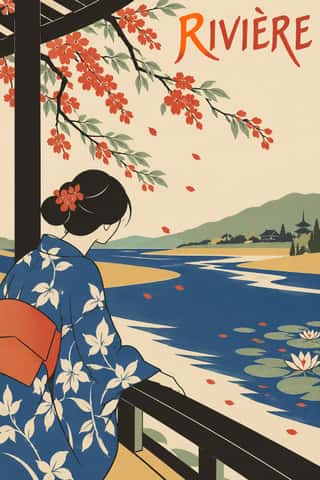
- German Book Art Movement (Buchkunstbewegung)The German reform of the book, from the magazine Pan (1895) to the private presses that ended around 1933.
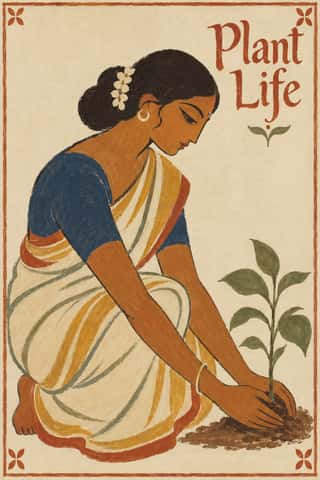
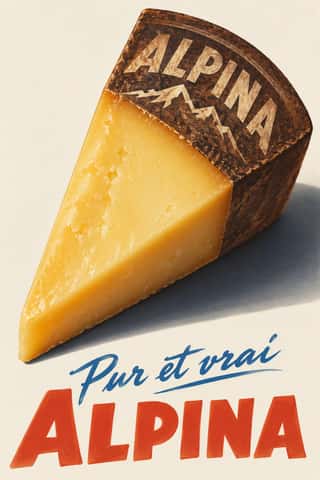
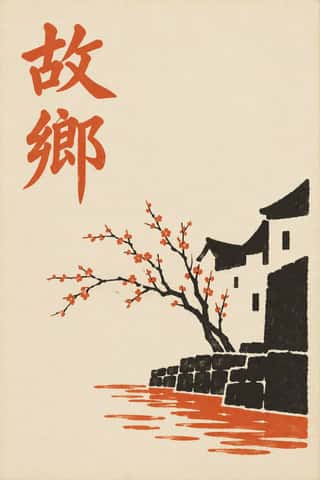
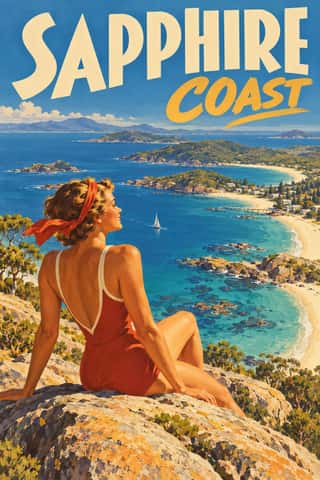

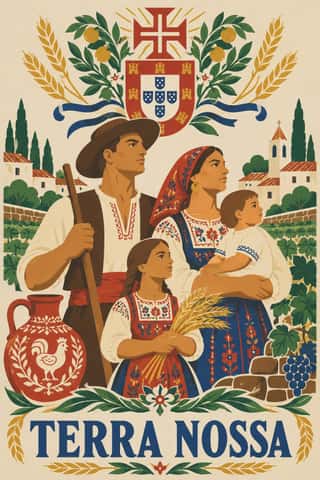
- Hurufiyya Calligraphic ModernismA pan-Arab and Iranian modern-art movement, begun by Madiha Omar in the late 1940s, that freed the letters of the Arabic script from text and used them as abstract visual units.
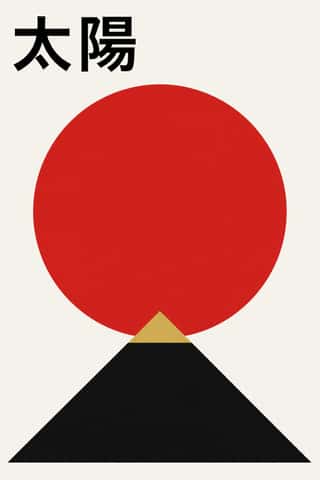
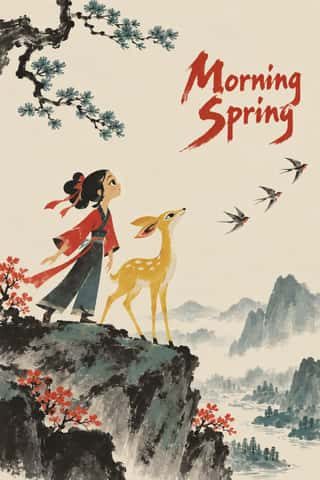
- Greek Tourism Modernism (EOT)The modernist image of Greece made for the National Tourism Organisation (EOT) by Michalis Katzourakis, its art adviser in 1960-1967, and by Frederick Carabott, who advised it until 1967; in 1962 the two also founded the K&K Athens Advertising Centre.

- Madinah Mushaf (King Fahd Complex Qur'an Page)One fixed page for the Qur'an across much of the Muslim world: Uthman Taha's fully vowelled Naskh in fifteen justified lines, written so that every page ends at the end of a verse (the late Ottoman âyet-berkenar layout), inside a floral frame, with sura titles in framed cartouches and verse numbers in small round medallions.
- Frutiger AeroThe glossy, optimistic look of consumer technology from the mid-2000s to the early 2010s, retrospectively named in 2017 by the Consumer Aesthetics Research Institute after Windows Vista's Aero interface and Adrian Frutiger's humanist sans.


Styles that use it now and then 26
An occasional choice in these styles.
- Ancient Egyptian Hieroglyphic & Register Compositionc. 0–394
- Maghrebi Script (Maghribi Calligraphy of al-Andalus and North Africa)c. 900–present
- Emblem Book (Motto, Picture & Epigram)1531–1724
- Rinpa & Saga-bon1600–present
- Ukiyo-e Woodblock Prints1670–1900
- Diné (Navajo) Weaving Design1700–present
- Thai Yantra (Yant) Diagrams1700–present
- Bulaq (Amiriyya) Naskh Book Printing1822–1956
- Nirnaya Sagar Devanagari Typography (Bombay Metal Type)1864–present
- Glasgow Style1890–1914
- Nieuwe Kunst (Dutch Art Nouveau)1892–1914
- Bògòlanfini Mud Cloth1900–present
- Uli & Nsibidi Line and Sign Tradition1900–present
- De Stijl1917–1931
- Bossa Nova Sleeve Modernism (César Villela and Elenco)1960–1968
- Munich 1972 Olympic Design (Otl Aicher)1966–1972
- Hipgnosis Photographic Concept Sleeve1968–1983
- Western Desert Iconography1971–present
- Korean Commercial Calligraphy (Kaelligeurapi)1999–present
- Modern Calligraphy and Brush Lettering2005–present
- DTC 'Blanding' / Millennial Minimalism2012–2022
- 'Good Morning' Greeting Images (WhatsApp Forward Vernacular)2013–present
- Data Humanism2014–present
- Solarpunk2014–present
- Weirdcore & Dreamcore2019–present
- Glassmorphism2020–present
It often goes with
Choices that the styles making it make more often than the atlas as a whole.
- Generous white spacein 42 of 66
- Brush & pen calligraphyin 32 of 66
- Analogous harmonyin 21 of 66
- Biomorphic curvesin 32 of 66
- Earth & mineralin 30 of 66
- Spiritual & sacredin 34 of 66
Styles that avoid it
Styles that deliberately leave it out.
- African Wax & Fancy Print1880–present
- Simplicissimus Satirical Style (Munich)1896–1944
- Italian Futurism1909–1944
- Vorticism & BLAST Typography1914–1920
- Dada1916–1924
- Mavo1923–1925
- AIZ Political Photomontage (Heartfield)1930–1938
- American Four-Colour Comic Book (Golden to Bronze Age)1934–1993
- Spanish Civil War Poster1936–1939
- Escuela Bruguera (Spanish Humour Comics)1947–1986
- Argentine Adventure Historieta (Oesterheld–Breccia)1948–1996
- Drum Magazine & Sophiatown Photojournalism1951–1965
- Pop Art Graphics1955–1975
- Situationist Détournement Graphics1956–1972
- Tropicália Graphic Design1964–1975
- Angura Theatre Poster1965–1985
- Black Panther Party Graphics1967–1980
- Picó Sound-System Painting (Colombian Caribbean)1967–present
- Ultras Graphics (Curva Banners and Tifo)1968–present
- Underground Comix1968–1982
- Kinshasa Popular Painting1970–present
- Graffiti & Hip-Hop Graphics1972–present
- Turkish Weekly Humour Magazines (Gırgır to Uykusuz)1972–2025
- Afrobeat Sleeve Art1974–present
- Punk & DIY Zine1976–1986
- Dutch Expressive Postmodernism (Studio Dumbar & Hard Werken)1977–1994
- La Movida Madrileña Graphics1977–1988
- Memphis Design1981–1988
- ACT UP & Gran Fury AIDS Activist Graphics1987–1995
- Rave & Acid House Graphics1988–2000
- Matatu & Nganya Art1990–present
- Bitterkomix (Afrikaans Underground Comics)1992–present
- Nollywood Video Jacket & Film Poster1992–present
- Hype Streetwear Graphics (Box Logo to Quotation Marks)1993–present
- Japanese Dense Web Design1999–present
- Neo-Andean Architecture (Cholets)2005–present
- Danmaku Bullet-Comment Overlay2006–present
- Arab Independent Comics (Samandal, TokTok, Lab619, Skefkef)2007–present
- YouTube Thumbnail Style (the 'YouTube Face')2012–present
- Hong Kong Protest Art (Umbrella Movement to the 2019–20 Protests)2014–2020
- Acid Graphics / New Ugly2016–present
- NFT Profile-Picture Collections (CryptoPunks to Bored Apes)2017–present
- Chilean Estallido Social Graphics (Revuelta Popular of 2019–20)2019–2022
- Neo-Brutalism2020–present