Traditions & vernacular · 1787–present · Western Europe
Botanical Specimen-Plate Illustration
Also known as Scientific botanical illustration, Botanical specimen plates
The compositional grammar of the scientific botanical plate: one recognisable plant or specimen group drawn naturalistically in colour on an empty paper ground, with detached numbered details beside it and identifying text kept small and subordinate. Born in periodicals such as Curtis's Botanical Magazine (1787), it persists in floras and botanical publishing.
Make something in this style Get advice in this style Mix it with another style
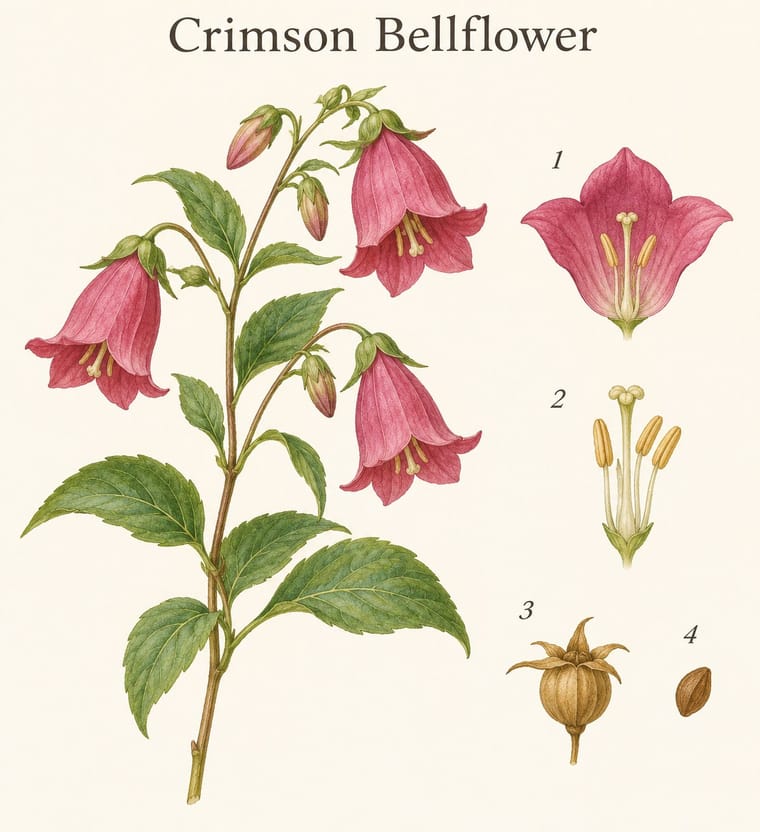
01
Its picture in other colours
Change a colour and every picture on this page follows. It happens in your browser, from the same pictures: nothing new is made or saved.
Choose a colour to change it
-
#f3ecd9 -
#3f6b3a -
#b8456a -
#8a6a3b -
#2b2a26
A faded colour isn’t in these pictures, so changing it changes nothing.
Light and dark stay where they are; greys hardly move.
More colours: any style’s, or your own
The pictures show the style’s own colours.
02
Make something in this style
Say what you need, and Stylogeny’s image studio draws it from Botanical Specimen-Plate Illustration’s design choices and checks it against them. It takes about a minute, and you get a link to share.
03
How it works
Palette
-
#f3ecd9ground · 76% -
#3f6b3aink · 3% -
#b8456aaccent · 6% -
#8a6a3baccent · 4% -
#2b2a26not in its pictures
Shares measured from its picture. The ground is what the pictures sit on (of the colours covering most, the most neutral), the ink stands out from it most, the rest are accents.
Typefaces
-
Baskerville
-
Caslon
- Isolate the specimen on an unpictured light ground, with no scenery behind it.
- Draw the plant naturalistically, in true colour, so that it can be identified.
- Place enlarged diagnostic details (flower parts, seed, root) beside the main figure and number them.
- Keep identification text, Latin names and captions small, in a quiet serif, subordinate to the organism.
- Leave generous margins and let the plant's own shape set the composition.
Where and when A long-lived scientific publishing convention rather than a single movement.
A long-lived scientific publishing convention rather than a single movement. A documented anchor is William Curtis's Botanical Magazine, issued in London in parts from 1787 as hand-coloured engravings with letterpress descriptions. The tradition grew out of natural-history illustration and the collecting of plants from across the world for European gardens and collections, a colonial context that the plates' neutral, isolated specimens leave unstated.
Change it with an idea. Any of the 73 moves that make a design say something can go on this style.
04
Its design choices
From Stylogeny’s vocabulary of design choices: defining choices make the style, characteristic ones are usual, occasional ones turn up now and then.
- Layout & composition
- Space & hierarchy
- Typography
- Surface & texture
- Imagery
- Medium & production
- Tone & intent
- Avoids
- Full bleed, Horror vacui, Dark ground, Fluorescent & neon, Ornamented display, Gloss & highlights, Abundant decoration, Straight photography
How its pictures are made Drawn & painted
Kind of picture: Drawn & painted
Known for
-
William Curtis, The Botanical Magazine, first part (1787), hand-coloured engraved plates with letterpress descriptions
-
Frederick William Burbidge (artist) and John Nugent Fitch (engraver), Xiphion kolpakowskianum, Curtis's Botanical Magazine, vol. 36
1880
-
Frederick William Burbidge, watercolour of Xiphion kolpakowskianum for the 1880 volume of Curtis's Botanical Magazine, Royal Botanic Gardens, Kew
05
Where it comes from, and what it’s close to
Borrowed from

Botanical Specimen-Plate Illustration 1787–present
No later style in the atlas grew out of it yet.
Alike in its design choices
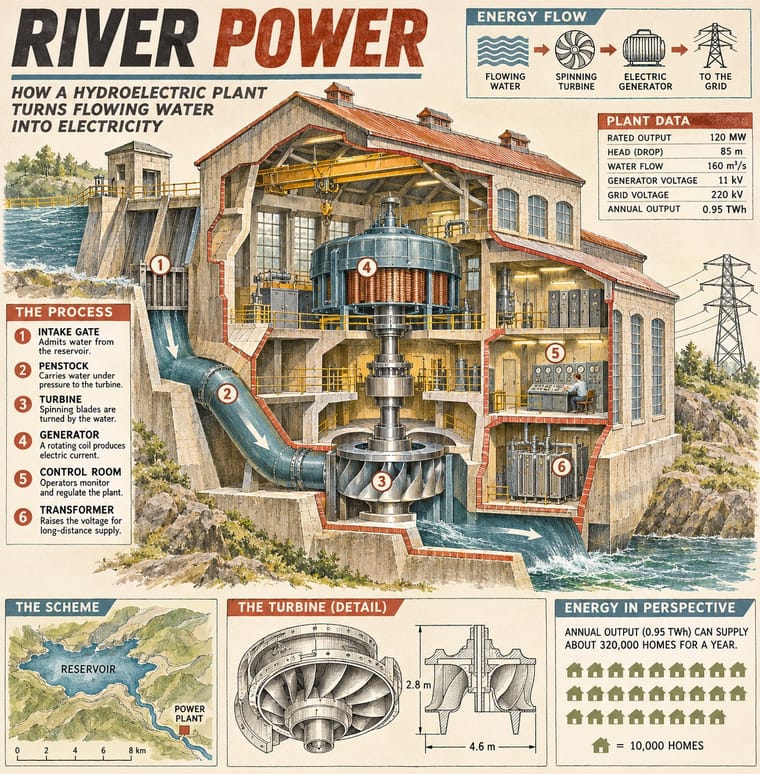
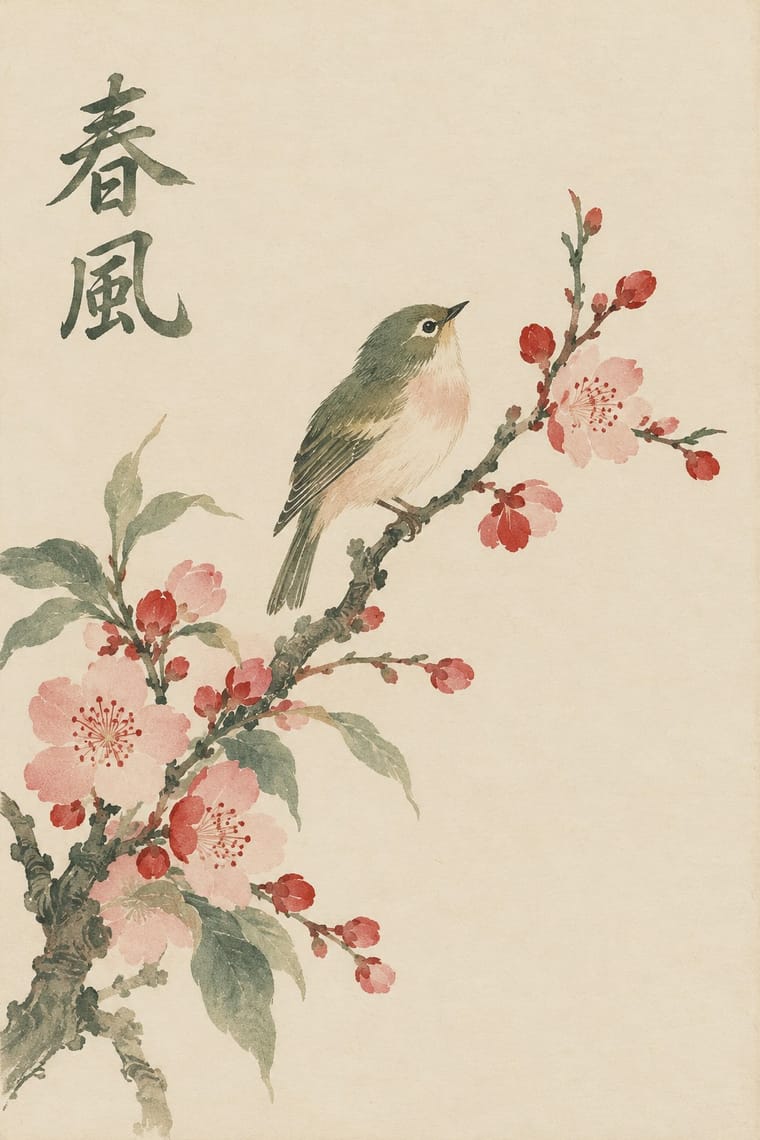
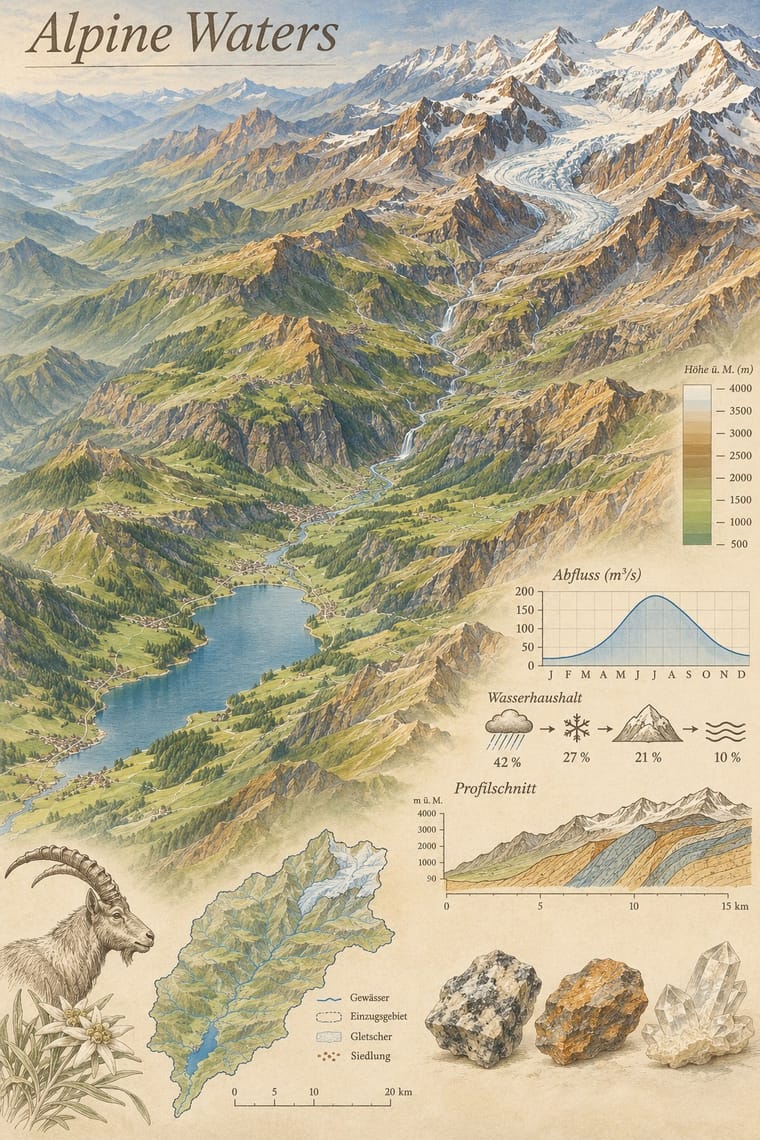
06
Combine it with
Styles Botanical Specimen-Plate Illustration pairs well with or plays against, from the research. Each is worked out as a combination: which style gives the type, the colours and the forms.
- Antique Engraved Illustration & Revival Pairs well · Pair the plate layout with engraved hatching for a monochrome antiquarian variant; the plate itself favours colour and identification over texture.
- Scientific-Diagram Graphics (Contemporary Revival) Contrasts · Diagram graphics fuse invention drawings with oversized lettering; the plate keeps the organism as subject and the text small.
- Contemporary Folk Botanical Illustration (Elemental Folk) Contrasts · Choose invented patterned petals and ornamental density rather than diagnostic plant detail, numbered dissections and small identification captions.
- Frasurbane Revival Pairs well · Victorian-style scientific plates are a named motif of the look and sit well beside a sepia photograph.
07
Often taken for
Botanical Specimen-Plate Illustration has no real works recorded yet, so these are its nearest styles by its choices alone, with the choices that tell them apart.
-
Explanatory Cutaway & Cross-Section Illustration
Explanatory Cutaway & Cross-Section Illustration is one of Botanical Specimen-Plate Illustration’s nearest styles by choices; no real work of either fits the other better.
Choices that tell Botanical Specimen-Plate Illustration and Explanatory Cutaway apart Choice Botanical Specimen-Plate Illustration Explanatory Cutaway Generous white space defining — Horror vacui avoids characteristic Biomorphic curves characteristic — Illusion of depth — defining Transitional serif characteristic — No shared descent in the atlas: they reached these choices separately.
-
Ten Bamboo Studio Colour Woodblock (Douban & Gonghua)
Ten Bamboo Studio Colour Woodblock is one of Botanical Specimen-Plate Illustration’s nearest styles by choices; no real work of either fits the other better.
Choices that tell Botanical Specimen-Plate Illustration and Ten Bamboo Studio Colour Woodblock apart Choice Botanical Specimen-Plate Illustration Ten Bamboo Studio Colour Woodblock Ornament-free characteristic — Gradients — defining Layered information characteristic — Painterly brushwork occasional defining Transitional serif characteristic — No shared descent in the atlas: they reached these choices separately.
-
Antique Engraved Illustration & Revival
Antique Engraved Illustration & Revival is one of Botanical Specimen-Plate Illustration’s nearest styles by choices; no real work of either fits the other better.
Choices that tell Botanical Specimen-Plate Illustration and Antique Engraved Illustration apart Choice Botanical Specimen-Plate Illustration Antique Engraved Illustration Generous white space defining occasional Monochrome — defining Analogous harmony characteristic — Illusion of depth — defining Biomorphic curves characteristic — Botanical Specimen-Plate Illustration borrowed from Antique Engraved Illustration & Revival, but neither descends from the other.
-
Swiss Relief Cartography (Becker–Imhof School)
Swiss Relief Cartography is one of Botanical Specimen-Plate Illustration’s nearest styles by choices; no real work of either fits the other better.
Choices that tell Botanical Specimen-Plate Illustration and Swiss Relief Cartography apart Choice Botanical Specimen-Plate Illustration Swiss Relief Cartography Isolated object defining — Full bleed avoids characteristic Generous white space defining — Gradients — defining Light ground defining occasional No shared descent in the atlas: they reached these choices separately.
— means the choice isn’t among the style’s recorded choices. Critics recorded each work’s choices with the styles’ descriptions in view, so this shows whether the descriptions hold together, not proof that they are right.
08
Sources
- University of Florida Libraries, Early Botany Illustrated, periodicals: https://www.uflib.ufl.edu/spec/rarebook/botany/periodicals.htm
- University of Glasgow Archives & Special Collections, Curtis's Botanical Magazine: https://www.gla.ac.uk/myglasgow/archivespecialcollections/digitisedcollections/birdsbeesandblooms/blooms/curtissbotanicalmagazine/
- National Gallery of Ireland, Curtis's Botanical Magazine: https://www.nationalgallery.ie/art-and-artists/exhibitions/drawn-nature-irish-botanical-art/curtiss-botanical-magazine
How Stylogeny researches and checks a style: where the facts come from.