Traditions & vernacular · 1790–present · Western Europe, North America
Antique Engraved Illustration & Revival
Also known as Antique engraving illustration, Victorian engraved illustration, Engraving-style illustration
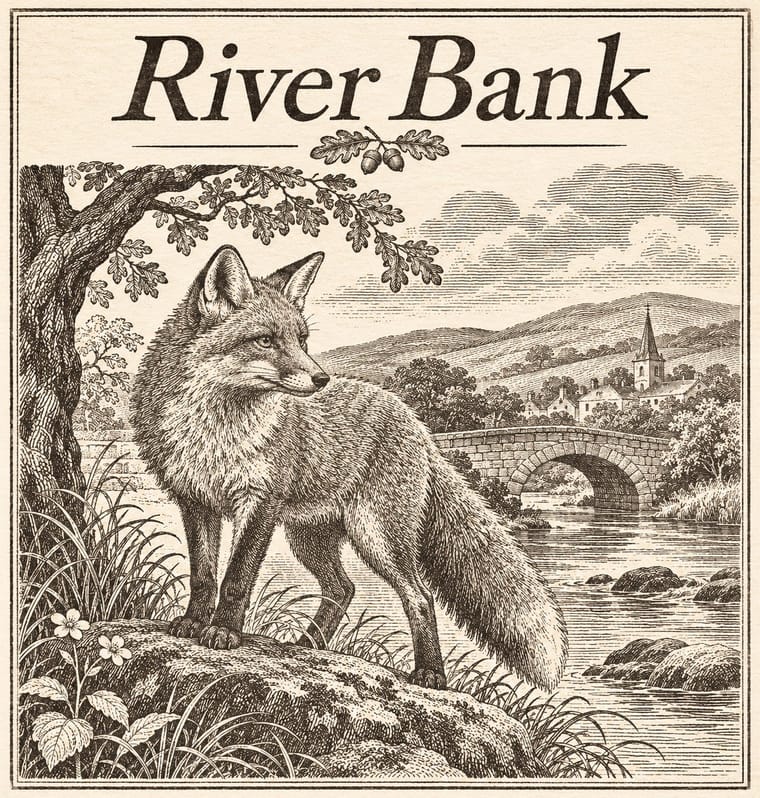
A pictorial idiom in which animals, objects, portraits and small scenes are modelled in closely spaced, contour-following lines and reserved white highlights, printed in one dark ink on a light page. Bewick's natural-history books set the pattern with white-line cutting on boxwood; hatching and crossed hatching are more a metal-engraving trait that the look also borrows, and contemporary scratchboard and digital work revives it.
Make something in this style Get advice in this style Mix it with another style
01
Its picture in other colours
Change a colour and every picture on this page follows. It happens in your browser, from the same pictures: nothing new is made or saved.
Choose a colour to change it
-
#f4efe2 -
#1c1a17 -
#4a4137 -
#8c8472
A faded colour isn’t in these pictures, so changing it changes nothing.
Light and dark stay where they are; greys hardly move.
More colours: any style’s, or your own
The pictures show the style’s own colours.
Made with this style: A cat leaps through twenty styles · Old engravings with new things in them
02
Make something in this style
Say what you need, and Stylogeny’s image studio draws it from Antique Engraved Illustration & Revival’s design choices and checks it against them. It takes about a minute, and you get a link to share.
03
How it works
Palette
-
#f4efe2ground · 31% -
#1c1a17not in its pictures -
#4a4137ink · 9% -
#8c8472accent · 33%
Shares measured from its picture. The ground is what the pictures sit on (of the colours covering most, the most neutral), the ink stands out from it most, the rest are accents.
Typefaces
-
Caslon
-
Baskerville
-
Bulmer
-
Scotch Roman
- Model every form with fine contour-following lines, parallel or cross-hatched; hatching is the metal-engraving habit, while Bewick's wood engraving cuts white lines into end-grain boxwood.
- Reserve the lightest tones as paper white and let line weight carry shadow.
- Print in a single dark ink on a light ground.
- Isolate a named subject or small vignette and caption it beneath in a compact serif.
- Keep the hand-cut line visible and treat the picture, not the type, as the identity.
Late-eighteenth-century British wood-engraved book illustration, above all Thomas Bewick in Newcastle upon Tyne, who cut end-grain boxwood blocks in white line, then nineteenth-century London illustrated publishing; later scratchboard and digital illustrators revive the fine engraved-line look without a block.
Change it with an idea. Any of the 73 moves that make a design say something can go on this style.
04
Its design choices
From Stylogeny’s vocabulary of design choices: defining choices make the style, characteristic ones are usual, occasional ones turn up now and then.
- Layout & composition
- Space & hierarchy
- Typography
- Form & shape
- Surface & texture
- Ornament
- Medium & production
- Tone & intent
- Avoids
- Straight photography, Fluorescent & neon, Gradients, Gloss & highlights, Chrome & 3D render, Eclectic mixing, Broken grid, Flat, Abundant decoration
How its pictures are made Drawn & painted
Kind of picture: Drawn & painted
Known for
-
Thomas Bewick, A General History of Quadrupeds
Newcastle, 1790
-
Thomas Bewick, History of British Birds
Newcastle, 1797-1804
-
John Bewick, illustrations to Poems by Goldsmith and Parnell
London: W. Bulmer, 1795
-
Steven Noble, illustrations hand drawn in the old engraving woodcut style and supplied digitally, with Photoshop layers for shadows, for Kraken Rum advertising (2012)
05
Where it comes from, and what it’s close to
Borrowed from
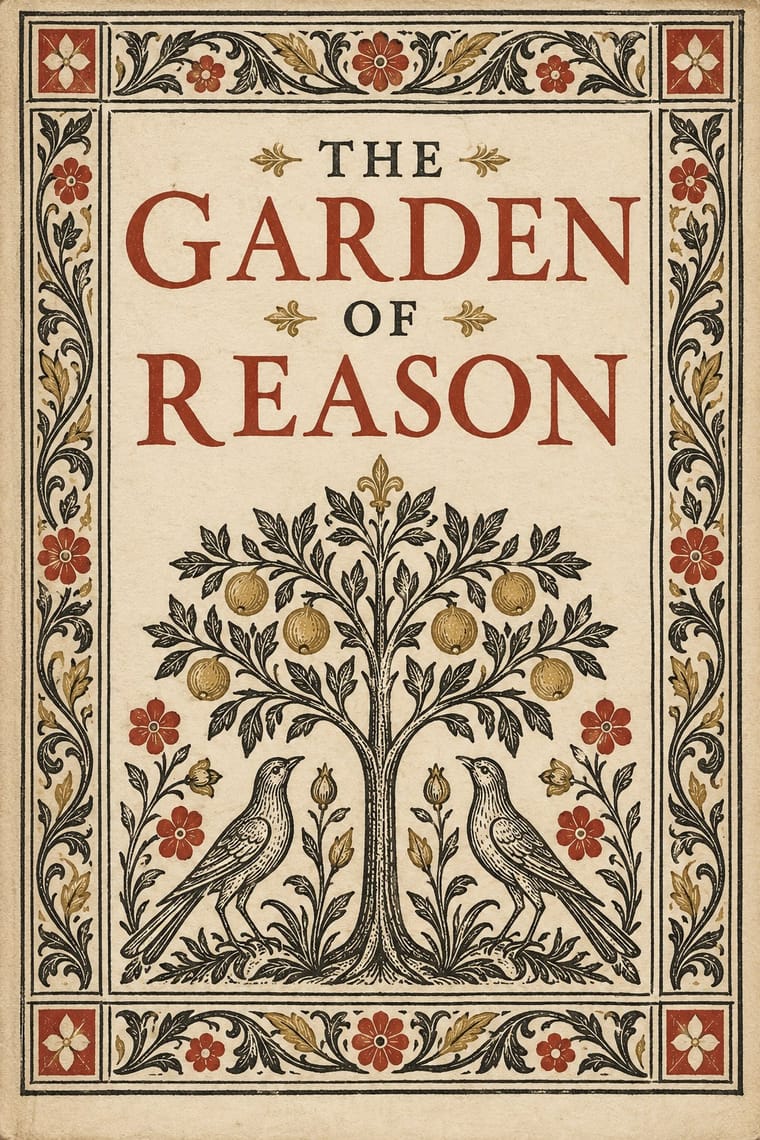
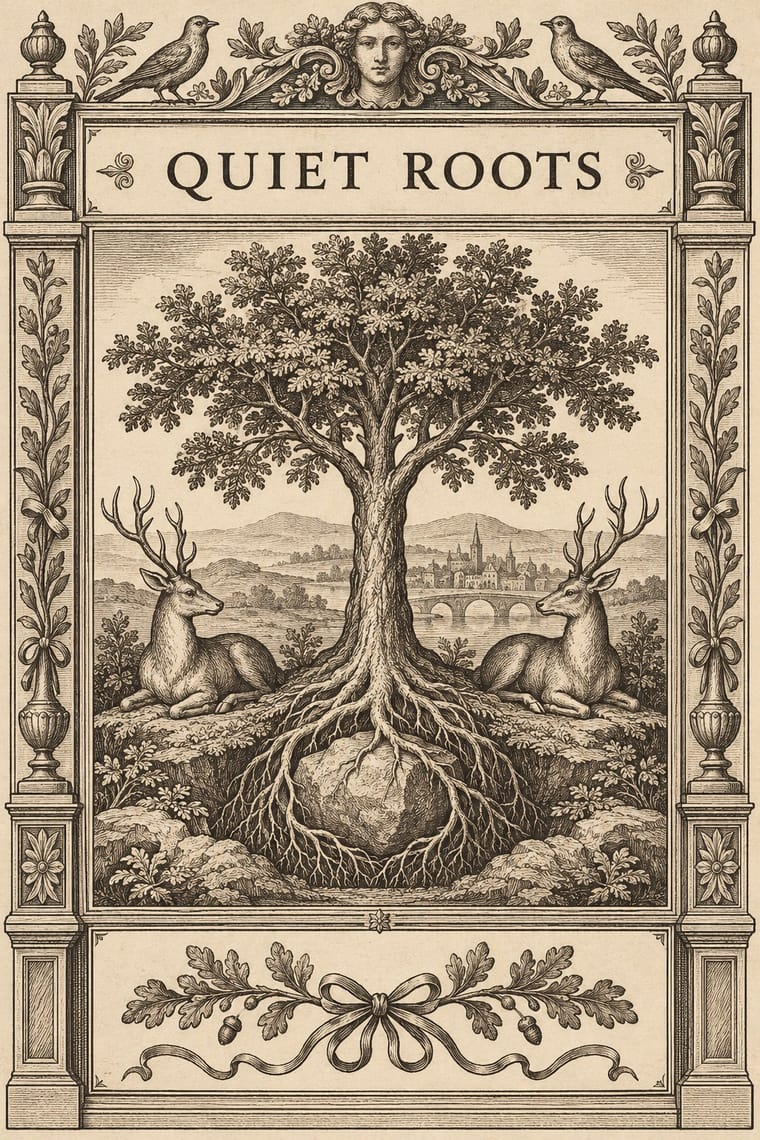
Antique Engraved Illustration & Revival 1790–present
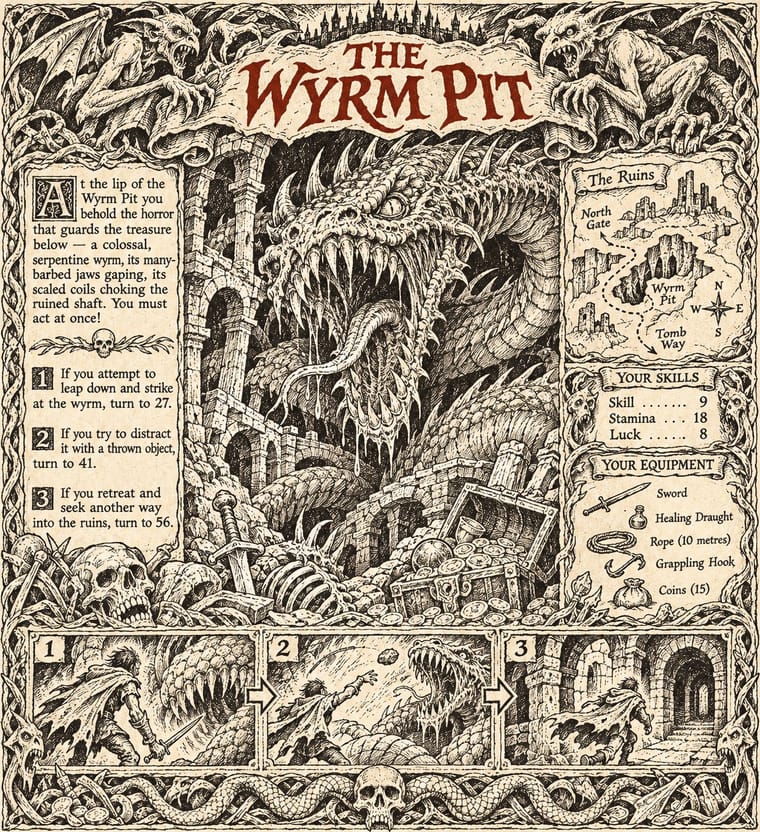
Alike in its design choices
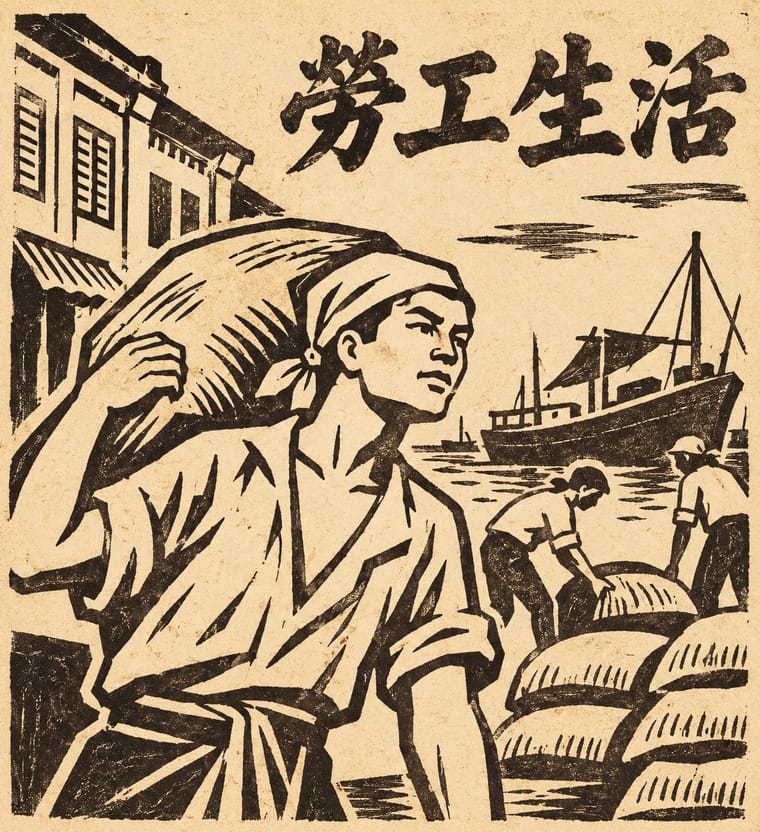
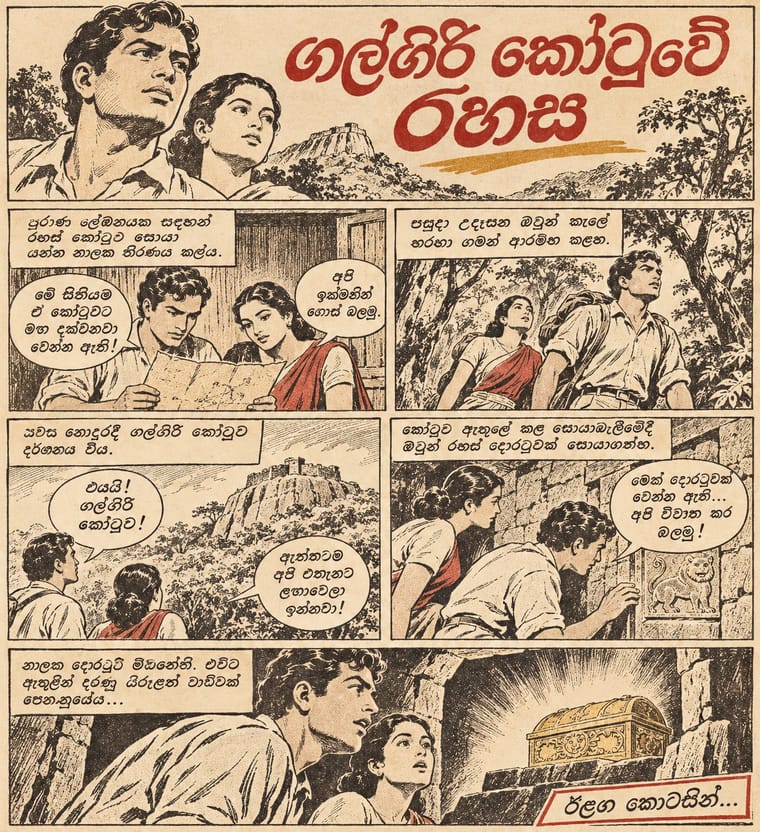
06
Combine it with
Styles Antique Engraved Illustration & Revival pairs well with or plays against, from the research. Each is worked out as a combination: which style gives the type, the colours and the forms.
- Hipster Artisanal Revival Contrasts · Flat badge marks against tonal engraved modelling.
- Victorian Letterpress & Wood Type Pairs well · Set an engraved vignette within jobbing display type for a period broadside.
- Emblem Book (Motto, Picture & Epigram) Pairs well · Add a motto and verse to a cut for a moral picture.
- Botanical Specimen-Plate Illustration Pairs well · Pair the plate layout with engraved hatching for a monochrome antiquarian variant; the plate itself favours colour and identification over texture.
- Fighting Fantasy Gamebook Illustration Pairs well · Borrow engraving's disciplined hatching to give the grotesques a darker, more Victorian bite.
07
Often taken for
Antique Engraved Illustration & Revival has no real works recorded yet, so these are its nearest styles by its choices alone, with the choices that tell them apart.
-
Emblem Book (Motto, Picture & Epigram)
Emblem Book is one of Antique Engraved Illustration & Revival’s nearest styles by choices; no real work of either fits the other better.
Choices that tell Antique Engraved Illustration and Emblem Book apart Choice Antique Engraved Illustration Emblem Book Pen, brush & ink characteristic — Framed panels — defining Nostalgic & retro characteristic — Central symmetry — defining Rational & objective characteristic — Antique Engraved Illustration & Revival borrowed from Emblem Book, but neither descends from the other.
-
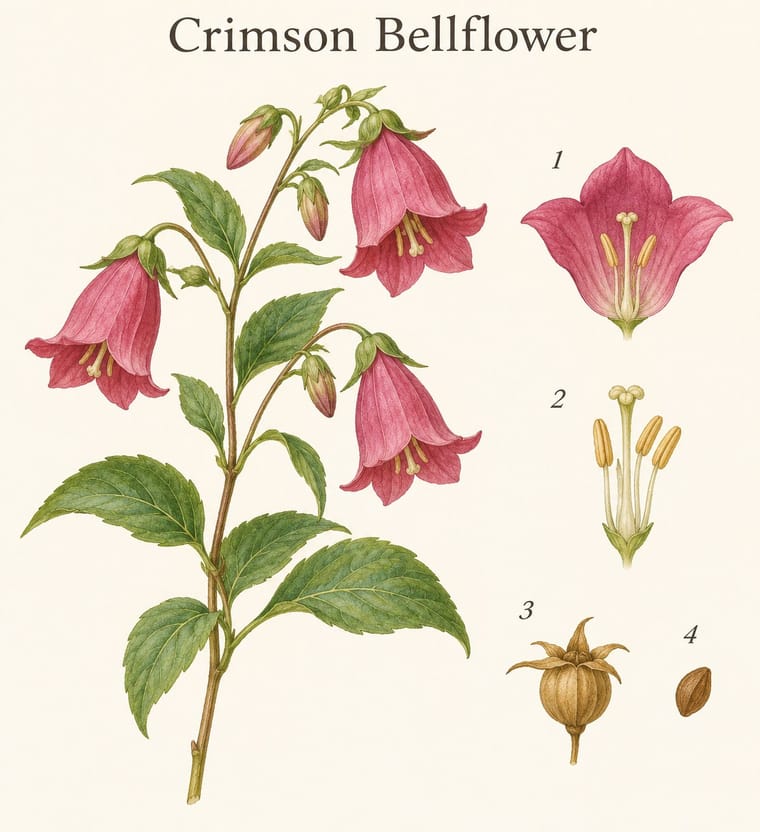
Botanical Specimen-Plate Illustration
Botanical Specimen-Plate Illustration is one of Antique Engraved Illustration & Revival’s nearest styles by choices; no real work of either fits the other better.
Choices that tell Antique Engraved Illustration and Botanical Specimen-Plate Illustration apart Choice Antique Engraved Illustration Botanical Specimen-Plate Illustration Monochrome defining — Generous white space occasional defining Illusion of depth defining — Analogous harmony — characteristic Carved line defining — Botanical Specimen-Plate Illustration borrowed from Antique Engraved Illustration & Revival, but neither descends from the other.
-
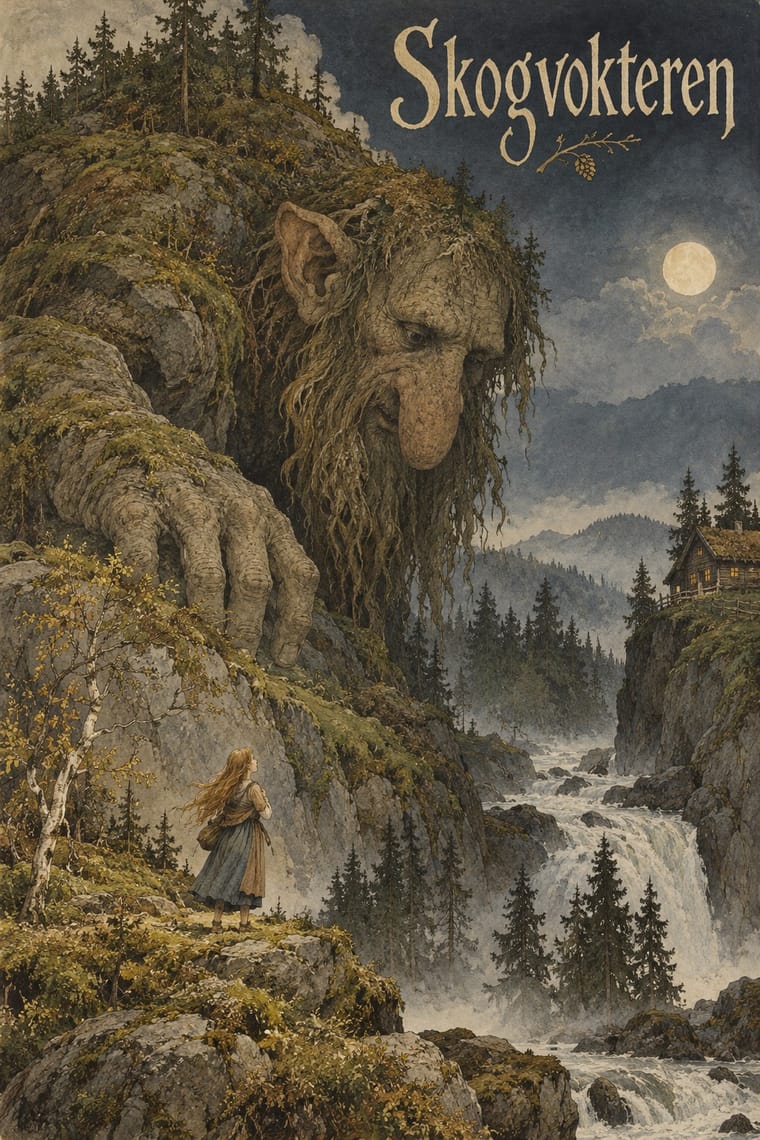
Nordic Fairy-Tale and Troll Illustration (Werenskiold, Kittelsen, Bauer)
Nordic Fairy-Tale and Troll Illustration is one of Antique Engraved Illustration & Revival’s nearest styles by choices; no real work of either fits the other better.
Choices that tell Antique Engraved Illustration and Nordic Fairy-Tale and Troll Illustration apart Choice Antique Engraved Illustration Nordic Fairy-Tale and Troll Illustration Isolated object characteristic — Earth & mineral — defining Layered information characteristic — Distortion & exaggeration — defining Authoritative & institutional characteristic — No shared descent in the atlas: they reached these choices separately.
-
Renaissance Book Typography
Renaissance Book Typography is one of Antique Engraved Illustration & Revival’s nearest styles by choices; no real work of either fits the other better.
Choices that tell Antique Engraved Illustration and Renaissance Book Typography apart Choice Antique Engraved Illustration Renaissance Book Typography Illusion of depth defining — Central symmetry — defining Naturalistic depiction defining occasional Humanist & Garalde serif — defining Isolated object characteristic — Antique Engraved Illustration & Revival borrowed from Renaissance Book Typography, but neither descends from the other.
— means the choice isn’t among the style’s recorded choices. Critics recorded each work’s choices with the styles’ descriptions in view, so this shows whether the descriptions hold together, not proof that they are right.
08
Sources
- University of North Texas Libraries, History of Wood Engraving: Early Period (1790-1860): https://www.library.unt.edu/rarebooks/exhibits/exhibits/woodengr/early.htm
- Steven Noble, Kraken Rum Advertising Animation Spots, 6 March 2012 (hand drawn in the old engraving woodcut style, Photoshop shadow layers): https://stevennoble.com/blog/category/kraken-rum/
- Steven Noble, Scratchboard Illustration Technique, 23 December 2008 (scratchboard engraving style tied to 19th-century engravings): https://stevennoble.com/blog/30/
How Stylogeny researches and checks a style: where the facts come from.