Style combination · Contrasts
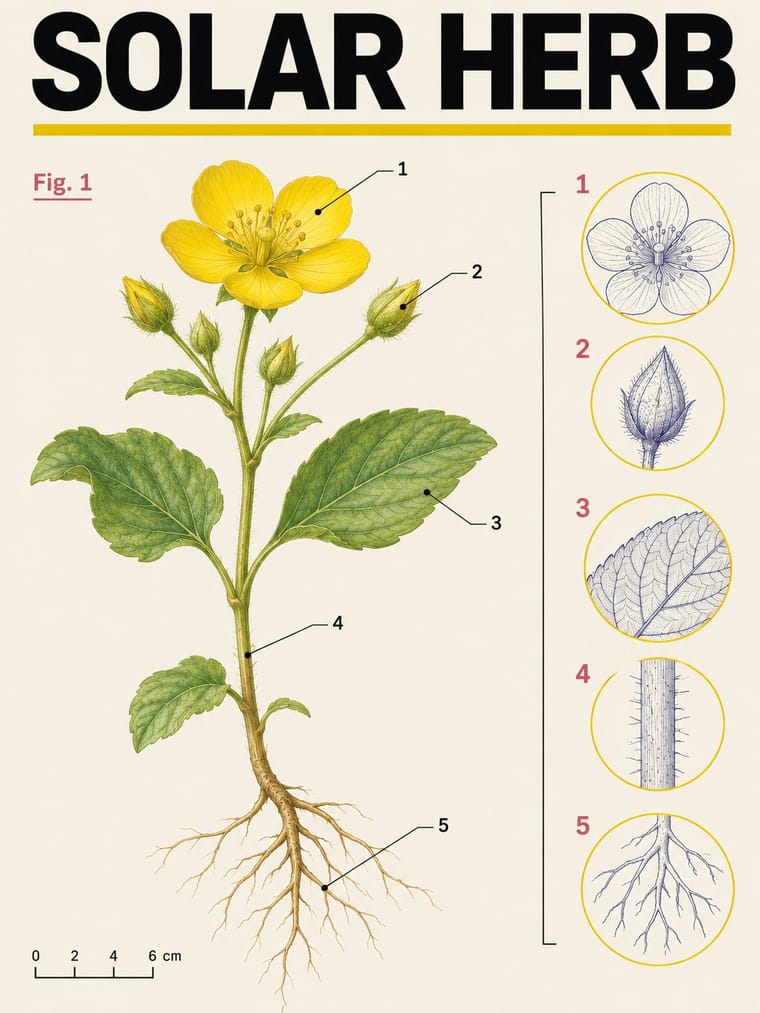
Botanical Specimen-Plate Illustration × Scientific-Diagram Graphics
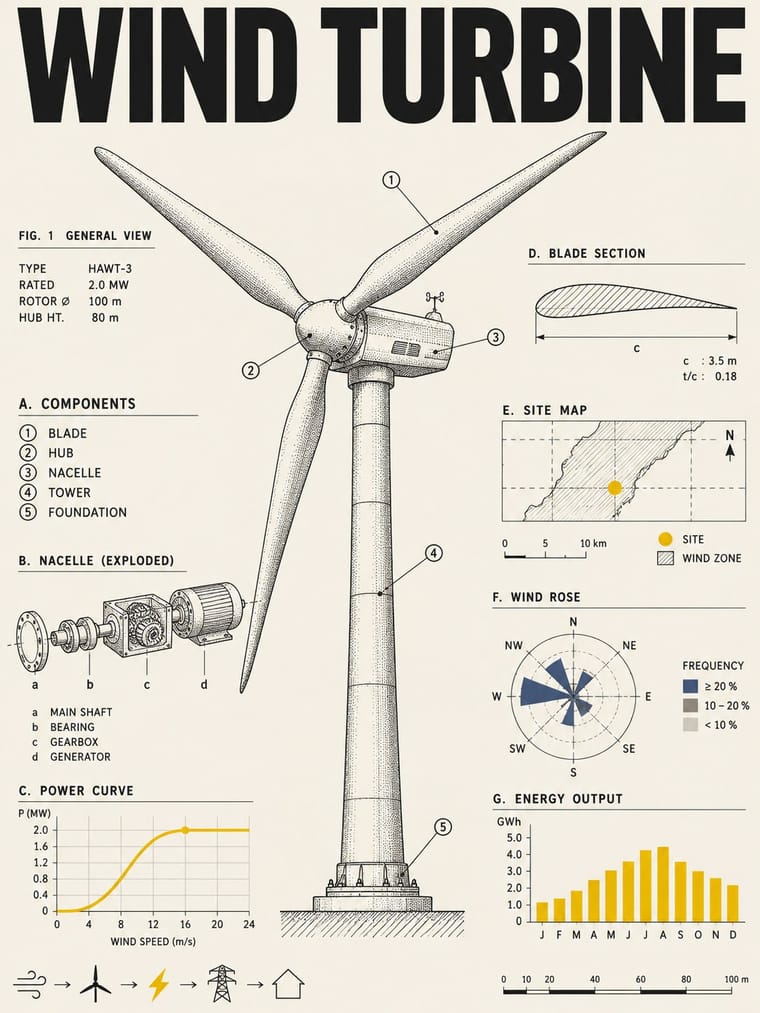
Diagram graphics fuse invention drawings with oversized lettering; the plate keeps the organism as subject and the text small.
Mix them and make something Botanical Specimen-Plate Illustration Scientific-Diagram Graphics
01
What each style brings
Each part of the design comes from the style with the stronger say in it, and each style gives at least two.
Botanical Specimen-Plate Illustration Scientific-Diagram Graphics (Contemporary Revival)
- Type from Scientific-Diagram Graphics
- Colour from Scientific-Diagram Graphics
- Form from Botanical Specimen-Plate Illustration
- Composition from Botanical Specimen-Plate Illustration
- Surface from Botanical Specimen-Plate Illustration
-
02
The type
Open fonts standing in for each style’s own type, which is often hand-drawn or commercial.
Text · Botanical Specimen-Plate Illustration
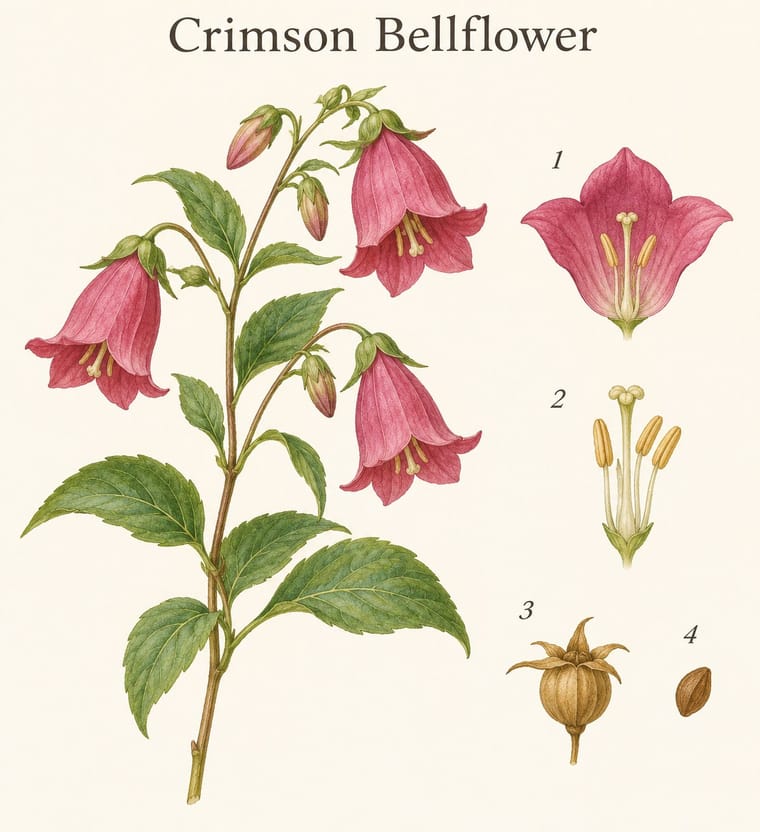
The compositional grammar of the scientific botanical plate: one recognisable plant or specimen group drawn naturalistically in colour on an empty paper ground, with detached numbered details beside it and identifying text kept small and subordinate. Born in periodicals such as Curtis's Botanical Magazine (1787), it persists in floras and botanical publishing.
Libre Baskerville; Botanical Specimen-Plate Illustration used Baskerville and Caslon
03
The colours
The ground and leading colours come from Scientific-Diagram Graphics, with a counter-accent from Botanical Specimen-Plate Illustration. The ink reads on the ground at 4.5:1 or more.
Botanical Specimen-Plate Illustration Scientific-Diagram Graphics (Contemporary Revival)
-
#f4f1e8ground · 36% -
#141414ink · 14% -
#f2c200accent · 18% -
#b8456aaccent · 14% -
#3b4a6baccent · 10% -
#8a6a3baccent · 8%
As CSS
:root {
  --ground: #f4f1e8;
  --ink: #141414;
  --accent-1: #f2c200;
  --accent-2: #b8456a;
  --accent-3: #3b4a6b;
  --accent-4: #8a6a3b;
  --font-display: "Inter Tight", sans-serif;
  --font-text: "Libre Baskerville", serif;
}
04
The two styles
05
More combinations
With Botanical Specimen-Plate Illustration
- Antique Engraved Illustration & Revival Pairs well · Pair the plate layout with engraved hatching for a monochrome antiquarian variant; the plate itself favours colour and identification over texture.
- Contemporary Folk Botanical Illustration (Elemental Folk) Contrasts · Choose invented patterned petals and ornamental density rather than diagnostic plant detail, numbered dissections and small identification captions.
- Frasurbane Revival Pairs well · Victorian-style scientific plates are a named motif of the look and sit well beside a sepia photograph.
With Scientific-Diagram Graphics
- Data Humanism Pairs well · Combine its hand-drawn observation with the textbook figure's labelled precision.
- Explanatory Cutaway & Cross-Section Illustration Contrasts · Cutaways reveal the inside of one rendered object; this idiom borrows the labelled textbook figure as graphic material, often fused with lettering.
- Techno-Futurist Graphics Contrasts · Shares diagrams but swaps its irony, warning symbols and neon for sober, explanatory line work.
- Wordless Flat-Pack Assembly Instructions Contrasts · Assembly sheets drop text to instruct; here labels and callouts stay as the main image and need not instruct.
- Neo-Swiss Revival Pairs well · A neo-grotesque grid gives the diagrams a calm frame for labels and instructions.
- Fantasy User Interface (FUI) & Sci-Fi HUD Contrasts · Luminous animated HUDs and targeting rings are the opposite of a flat printed figure.
- Visual Index (Cut-Out Object Collections) Contrasts · Use photographs of many comparable things rather than an engraved technical figure; retain simple inventory numbers without importing explanatory construction lines.