Pictorial & machine age · 1936–1956 · Latin America & Caribbean
Mexican Golden Age Film Poster
Also known as Cartel de cine mexicano, Cartel de la Época de Oro, Mexican Golden Age cinema poster
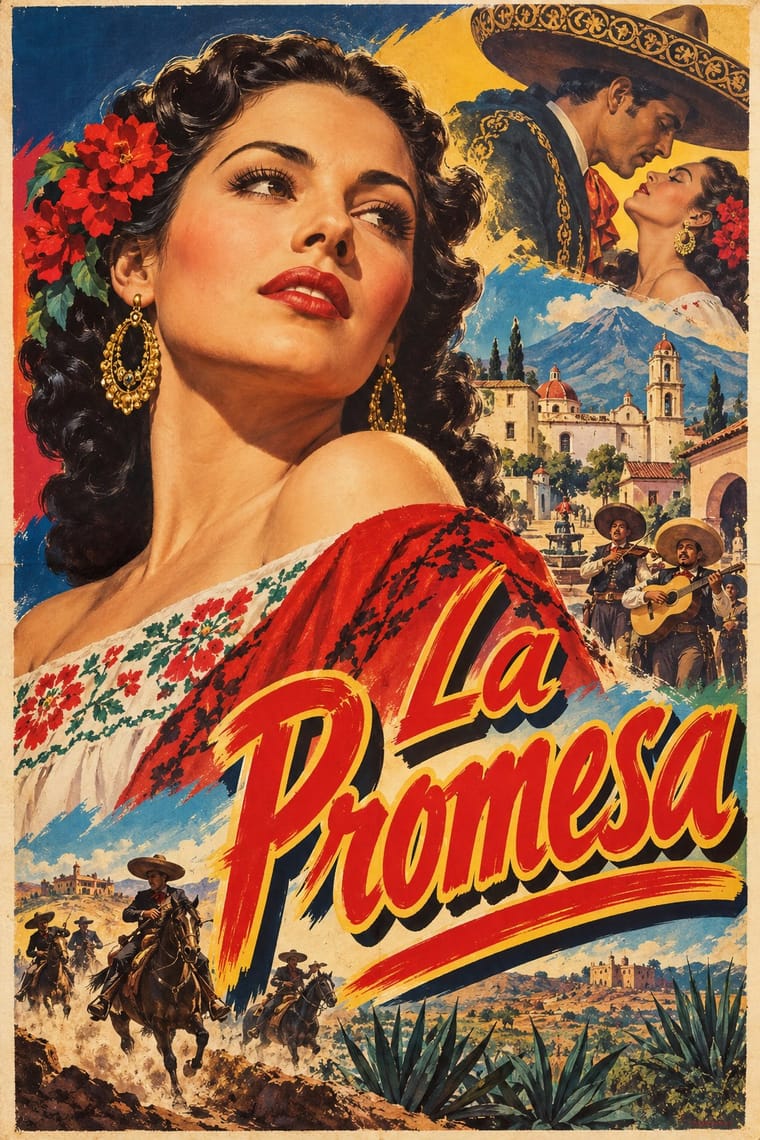
Painted posters for Mexico City's studio-era films, built from star portraits and melodrama scenes in saturated colour. They give heroes, beauties and villains a heightened, emotive realism with bold hand-lettered titles.
Make something in this style Get advice in this style Mix it with another style
01
How it works
- Paint the star as a heroic, glamorous portrait and place it large in the foreground.
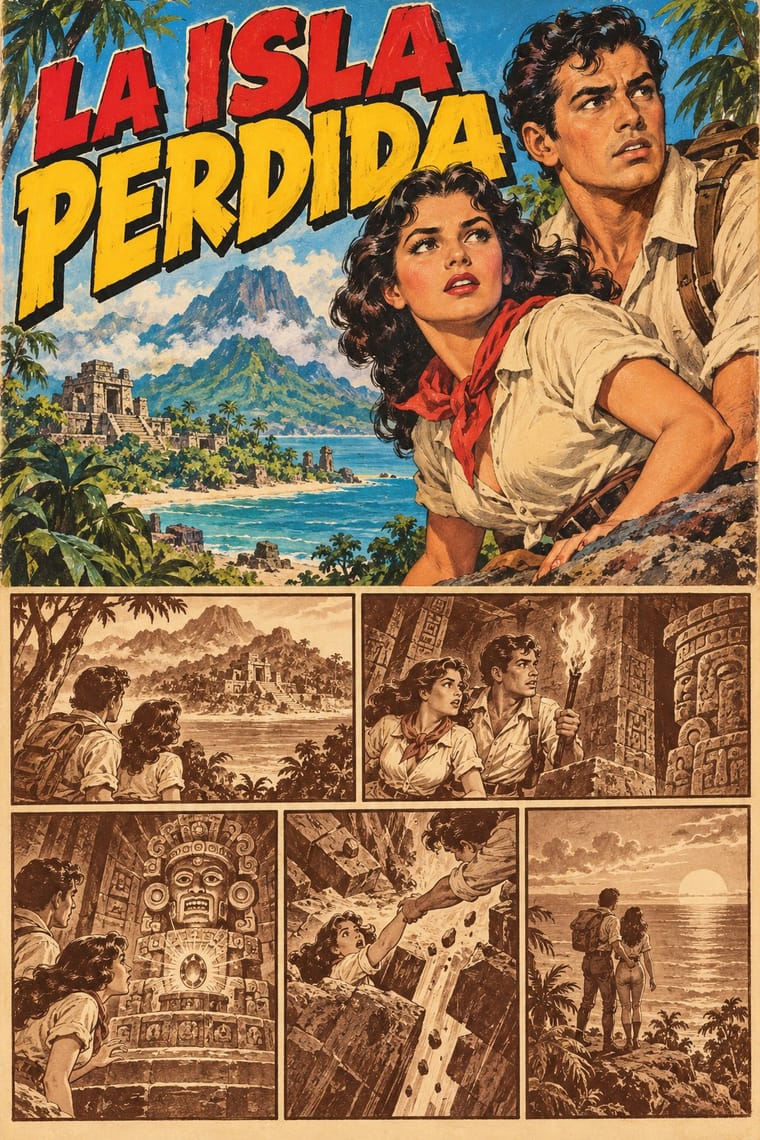
- Stage the film's melodrama in smaller scenes grouped around the star in a layered collage.
- Letter the title by hand in tall, shadowed or script forms that carry the genre's mood.
- Heighten emotion with saturated reds, yellows and strong contrast rather than naturalistic colour.
- Put the cast and credits in a compact block at the foot of the sheet.
Mexico City, for the studios of the Golden Age of Mexican cinema, which began with Allá en el Rancho Grande (1936). The Agrasánchez book that anchors this entry covers posters from 1936 to 1956; its page names commercial designers and cartoonists, and the El Ceniciento (1952) poster is credited to the Spanish exile Josep Renau.
02
Its design choices
From Stylogeny’s vocabulary of design choices: defining choices make the style, characteristic ones are usual, occasional ones turn up now and then.
- Layout & composition
- Space & hierarchy
- Typography
- Surface & texture
- Ornament
- Medium & production
- Tone & intent
- Avoids
- Typography only, Modular grid, Non-representational, Monochrome, Generous white space, Grotesque & neo-grotesque, Rational & objective, Flat, Fluorescent & neon
Palette
-
#c8201e -
#f2b81c -
#1d3f6e -
#f3e3c0 -
#2a1a14 -
#3f8a6a
Typefaces
-
Hand-lettered shadowed display titles
-
Tall condensed poster lettering
-
Brush script titles
-
Block credit lettering
Known for
-
Josep Renau
El Ceniciento, 1952, with Tin Tan
-
Ernesto García Cabral
-
Antonio Arias Bernal
-
Rogelio Agrasánchez Jr., Poster Art from the Golden Age of Mexican Cinema, 1936–1956
Agrasánchez Film Archive; introduction by Charles Ramirez Berg
03
Make something in this style
Say what you need, and Stylogeny’s image studio draws it from Mexican Golden Age Film Poster’s design choices and checks it against them. It takes about a minute, and you get a link to share.
04
Where it comes from, and what it’s close to
Before it
The style it grew out of, and the styles it borrowed from.
After it
The styles that grew out of it.
No later style in the atlas grew out of it yet.
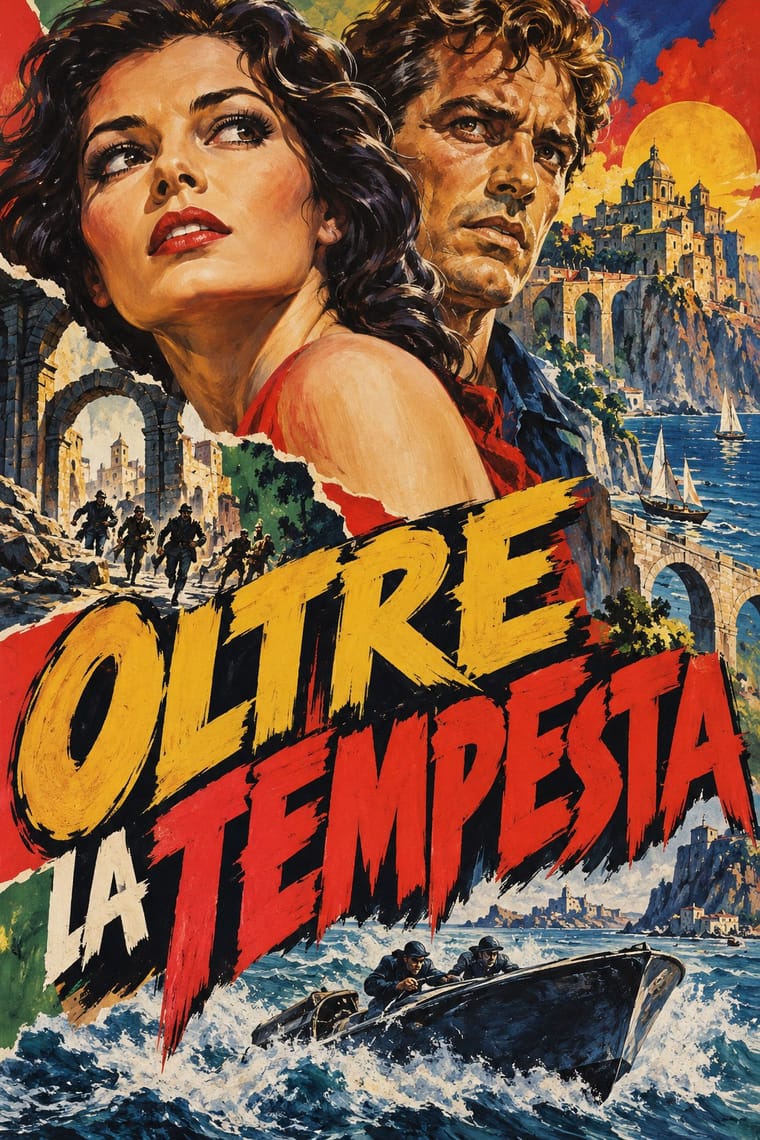
Alike in its design choices
Styles that make many of the same choices, related or not, besides those above.
-
-
-
-
-
-
05
Often taken for
Mexican Golden Age Film Poster has no real works recorded yet, so these are its nearest styles by its choices alone, with the choices that tell them apart.
-
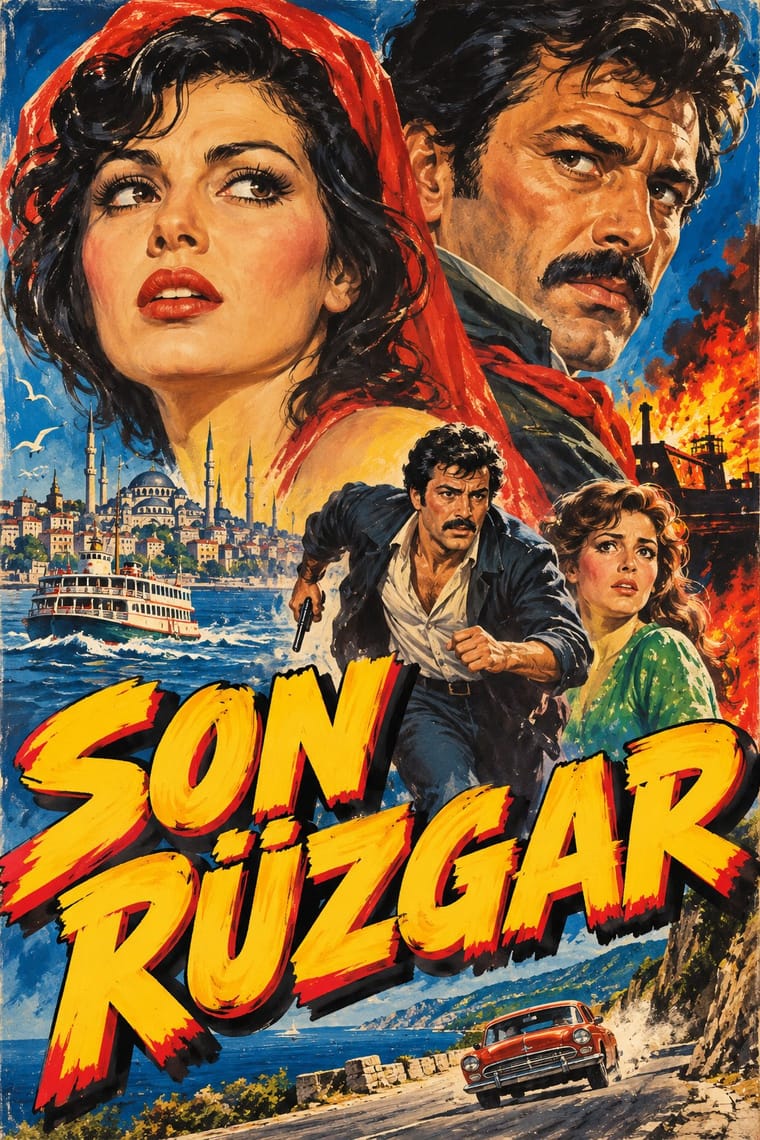
Yeşilçam Film Poster (Turkish Hand-Painted Afiş)
Yeşilçam Film Poster is one of Mexican Golden Age Film Poster’s nearest styles by choices; no real work of either fits the other better.
Choices that tell Mexican Golden Age Film Poster and Yeşilçam Film Poster apart Choice Mexican Golden Age Film Poster Yeşilçam Film Poster Illusion of depth characteristic — Full bleed — characteristic Single focal point characteristic — Horror vacui — characteristic Gloss & highlights characteristic — No shared descent in the atlas: they reached these choices separately.
-
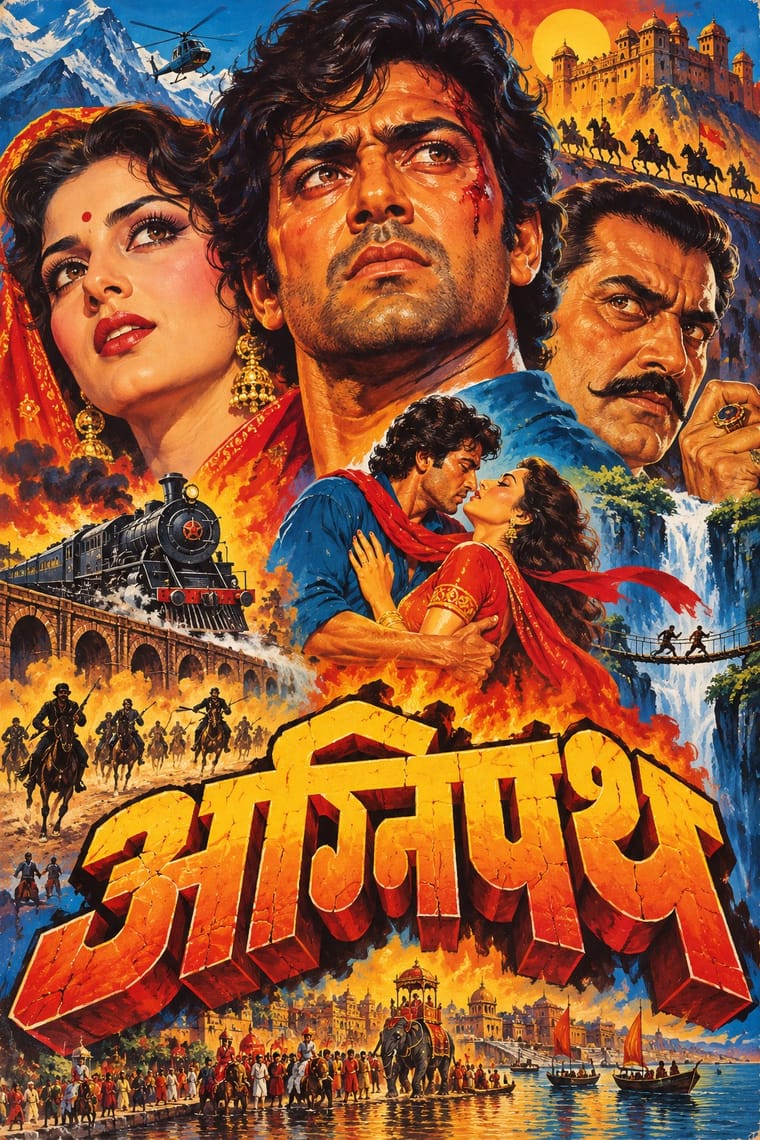
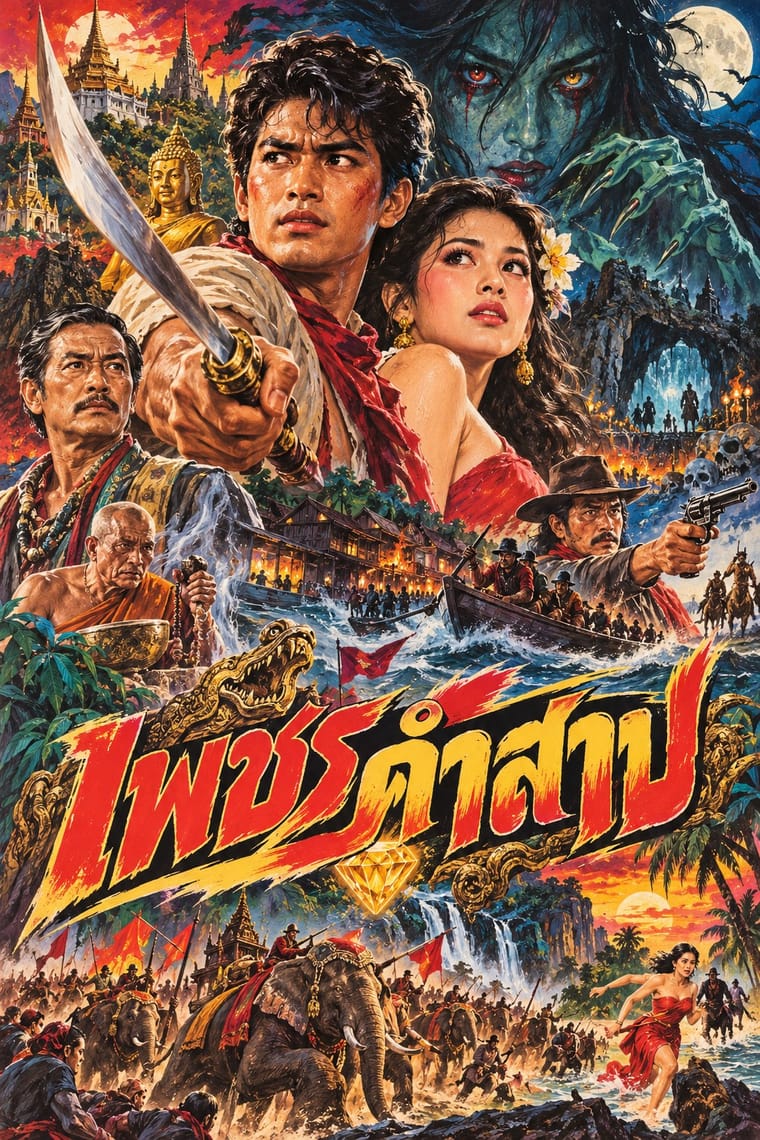
Hand-Painted Bollywood Poster
Hand-Painted Bollywood Poster is one of Mexican Golden Age Film Poster’s nearest styles by choices; no real work of either fits the other better.
Choices that tell Mexican Golden Age Film Poster and Hand-Painted Bollywood Poster apart Choice Mexican Golden Age Film Poster Hand-Painted Bollywood Poster Single focal point characteristic — Complementary clash — characteristic Hard offset shadow characteristic — Photomontage — characteristic Condensed display characteristic — No shared descent in the atlas: they reached these choices separately.
-
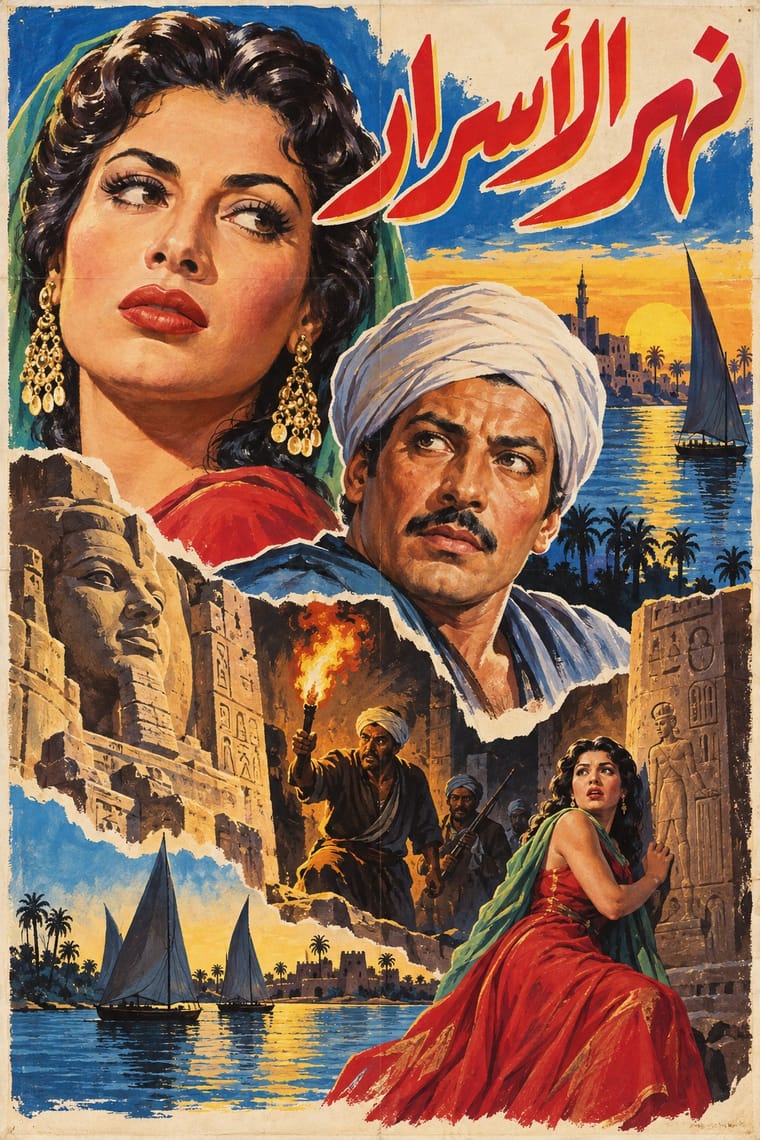
Egyptian Painted Film Poster
Egyptian Painted Film Poster is one of Mexican Golden Age Film Poster’s nearest styles by choices; no real work of either fits the other better.
Choices that tell Mexican Golden Age Film Poster and Egyptian Painted Film Poster apart Choice Mexican Golden Age Film Poster Egyptian Painted Film Poster Single focal point characteristic — Brush & pen calligraphy — defining Gloss & highlights characteristic — Flat fields — characteristic Condensed display characteristic — No shared descent in the atlas: they reached these choices separately.
-
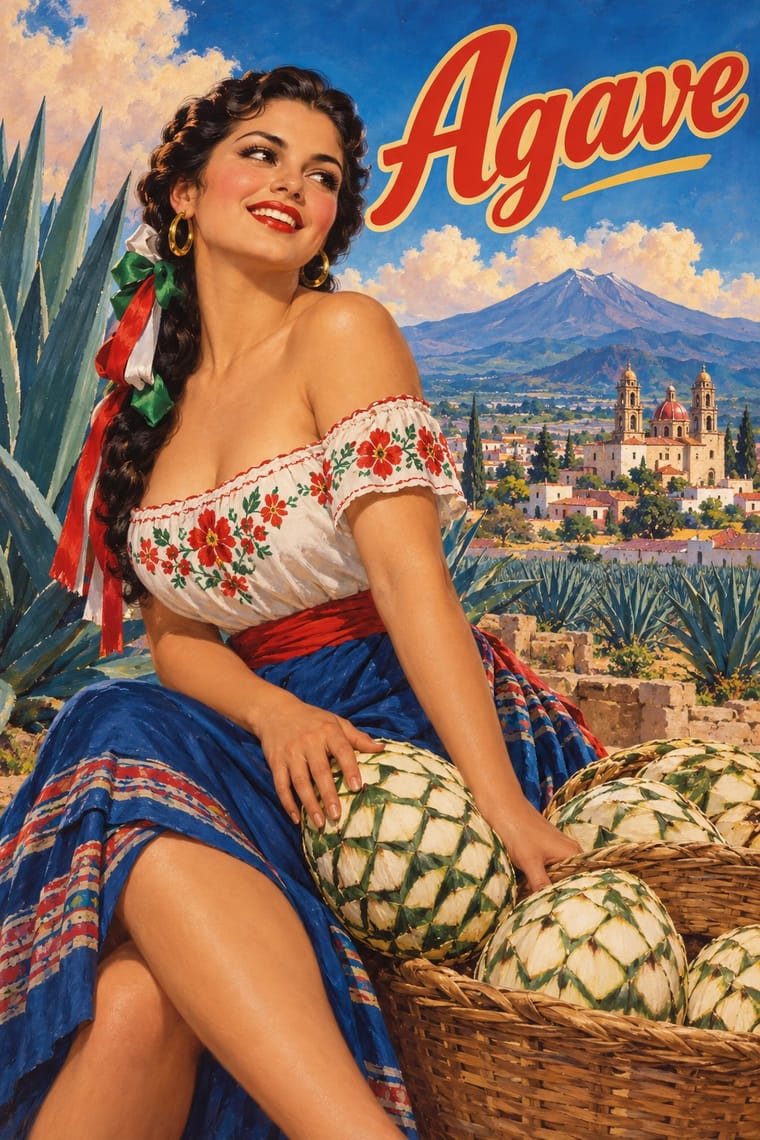
Mexican Calendar Chromo (Cromos calendáricos)
Mexican Calendar Chromo is one of Mexican Golden Age Film Poster’s nearest styles by choices; no real work of either fits the other better.
Choices that tell Mexican Golden Age Film Poster and Mexican Calendar Chromo apart Choice Mexican Golden Age Film Poster Mexican Calendar Chromo Collage & layering characteristic avoids Full bleed — characteristic Type as image occasional avoids Nostalgic & retro — characteristic Hand-lettering defining occasional No shared descent in the atlas: they reached these choices separately.
— means the choice isn’t among the style’s recorded choices. Critics recorded each work’s choices with the styles’ descriptions in view, so this shows whether the descriptions hold together, not proof that they are right.
06
Combine it with
Styles Mexican Golden Age Film Poster pairs well with or plays against, from the research. Each is worked out as a combination: which style gives the type, the colours and the forms.
- Hand-Painted Bollywood Poster Pairs well · Shares the hand-painted star collage and melodramatic colour; the Mexican sheets pair it with shadowed and script title lettering.
- Mexican Calendar Chromo (Cromos calendáricos) Contrasts · Same painted realism and national setting, but a single serene scene against a crowded multi-scene promotional collage.
- Hand-Painted Signage & Vernacular Lettering Pairs well · Its hand-lettering craft supplies the shadowed and tall title forms.
- Egyptian Painted Film Poster Pairs well · Another studio-era painted cinema poster; borrow its large star portrait and collage, but swap calligraphy for Mexican script and shadowed lettering.
07
Sources
- Rogelio Agrasánchez Jr., Poster Art from the Golden Age of Mexican Cinema, 1936–1956; description at https://www.mexfilmarchive.com/documents/poster_art_from_the_golden_age.html
- https://en.wikipedia.org/wiki/Golden_Age_of_Mexican_cinema
- University of Florida finding aid, Barradas collection, poster for El Ceniciento (1952), artist Renau: https://findingaids.uflib.ufl.edu/repositories/2/archival_objects/269002
How Stylogeny researches and checks a style: where the facts come from.