Pictorial & machine age · 1920–1956 · Middle East & North Africa, Western Europe
Colonial Maghreb Tourism Poster
Also known as Orientalist travel poster, French North African travel poster, Affiche touristique du Maroc, d'Algérie et de Tunisie
Lithographic travel posters made in France for shipping lines, railways and syndicats d'initiative, selling French North Africa to European visitors; the examples documented here are Moroccan. Flattened Deco-era figures, ramparts, minarets, riders and veiled women are set under bold destination capitals: a picture of a 'holiday colony' made for the coloniser's gaze. What separates it from other flat-colour travel posters (australian-travel-poster, swiss-lithographic-tourism-poster) is the subject and the politics of the view, more than the technique.
Use it with care
These posters are propaganda for French colonial rule as much as advertising: the scholar who surveyed them for Morocco describes a 'mythified' country, a 'holiday colony' and 'dead culture' frozen in the Middle Ages, with politics (the Rif War, nationalist movements) almost absent, Moroccan men reduced to scenery and women objectified. Veiled women, mosques, Islamic architecture and Amazigh (Berber) dress are living people's faith and culture, not period decoration, so do not reuse the exotic types or the Orientalist set pieces as a neutral 'vintage' look; if you work with the style, do it critically or with Maghrebi designers and historians, and credit the places and communities shown. Many posters are still in copyright, so license them or make your own.
01
How it works
Palette
-
#d98b4a -
#a8452c -
#f1e3c4 -
#2f5f8f -
#e9b94a -
#2b2a33
Typefaces
-
Hand-drawn block capitals
-
Geometric and condensed Deco-era display sans
-
Lithographic stone-drawn lettering
- Name the destination in large capitals, with the carrier or tourist board in smaller type beneath.
- Stage one emblematic set piece (rampart, minaret, kasbah, caravan) as the single focal point.
- Flatten the scene into broad lithographic colour fields, simplifying figures and architecture to a few clear shapes.
- Frame the scene with a warm sky or sunset and a limited earthy palette contrasted with a blue or white town.
- Show anonymous figures, riders and timeless ritual, and leave out the colony's actual conditions: no soldiers, workers, protests or modern streets.
Paris, Marseille and Bordeaux: lithographic posters for French railway, shipping and tourist-board clients selling Morocco (the surviving, documented evidence here is Moroccan; Algerian and Tunisian posters of the same trade follow the same formula but are not documented in this entry)
02
Its design choices
From Stylogeny’s vocabulary of design choices: defining choices make the style, characteristic ones are usual, occasional ones turn up now and then.
- Layout & composition
- Space & hierarchy
- Typography
- Colour
- Form & shape
- Surface & texture
- Medium & production
- Tone & intent
- Avoids
- Abundant decoration, Horror vacui, Modular grid, Typography only, Lowercase only, Experimental & distorted, Photocopy & distress, Rebellious & subversive, Ironic & self-aware, Agitational & persuasive
How its pictures are made Drawn & painted
Kind of picture: Drawn & painted
Known for
-
Jacques Majorelle, 'Le Maroc par Marseille'
1926, PLM, printed by Lucien Serre
-
Maurice Barbey, 'Le Maroc par Marseille'
1923, PLM
-
Jeanne Thil, 'Bordeaux-Maroc'
1929, Compagnie Générale Transatlantique
-
Francis Bernard, Paquet tourist circuits poster with 'MAROC' set over a rampart and minaret
1931
-
Édouard Collin, 'Bordeaux-Casablanca'
1948, CGT
03
Where it comes from, and what it’s close to
Grew out of
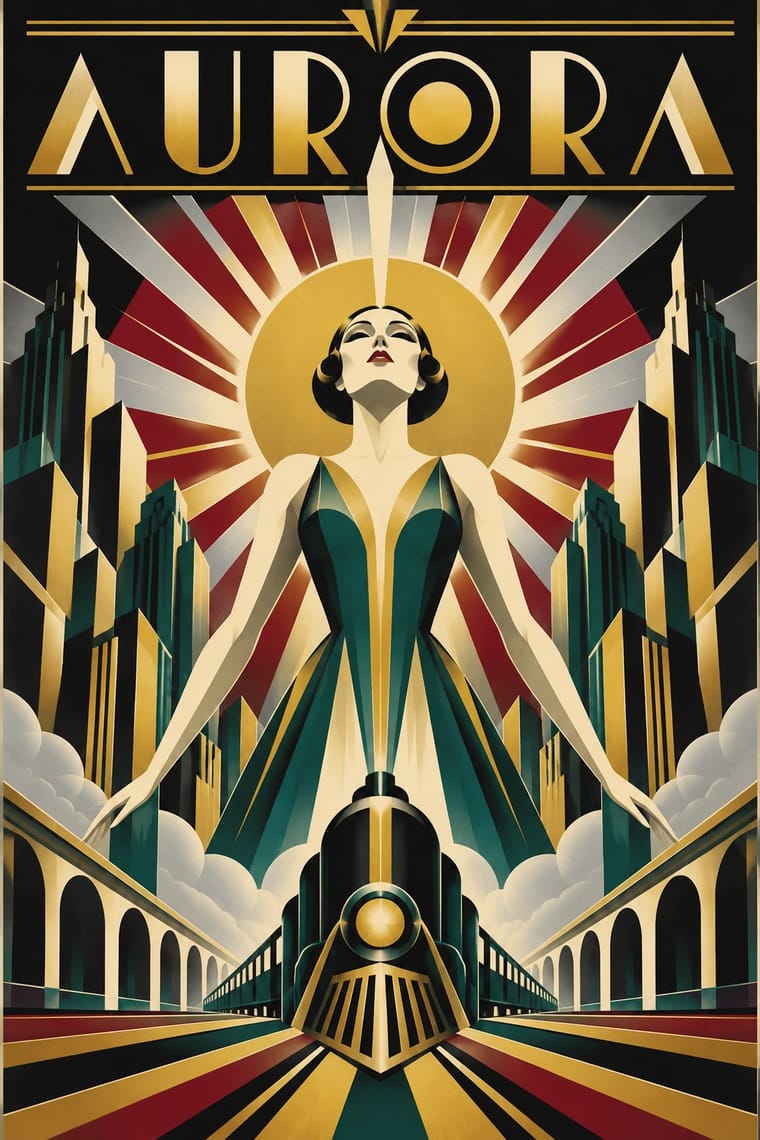
Borrowed from
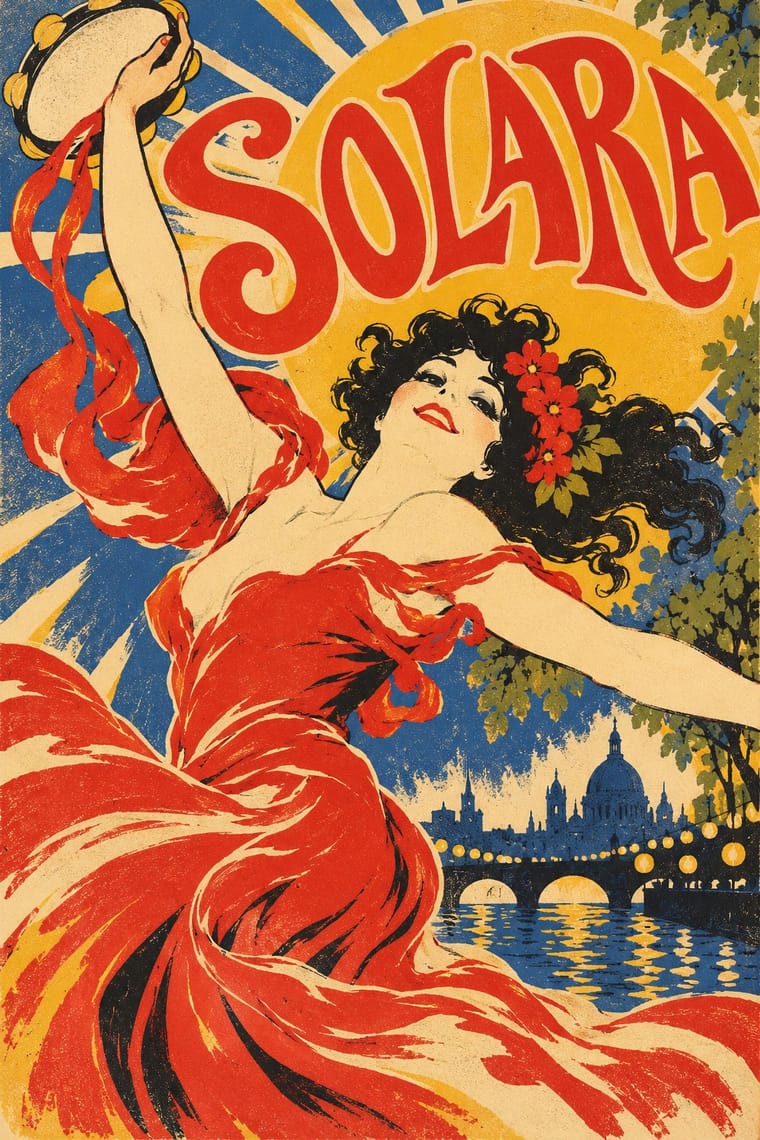
Colonial Maghreb Tourism Poster 1920–1956
No later style in the atlas grew out of it yet.
Alike in its design choices
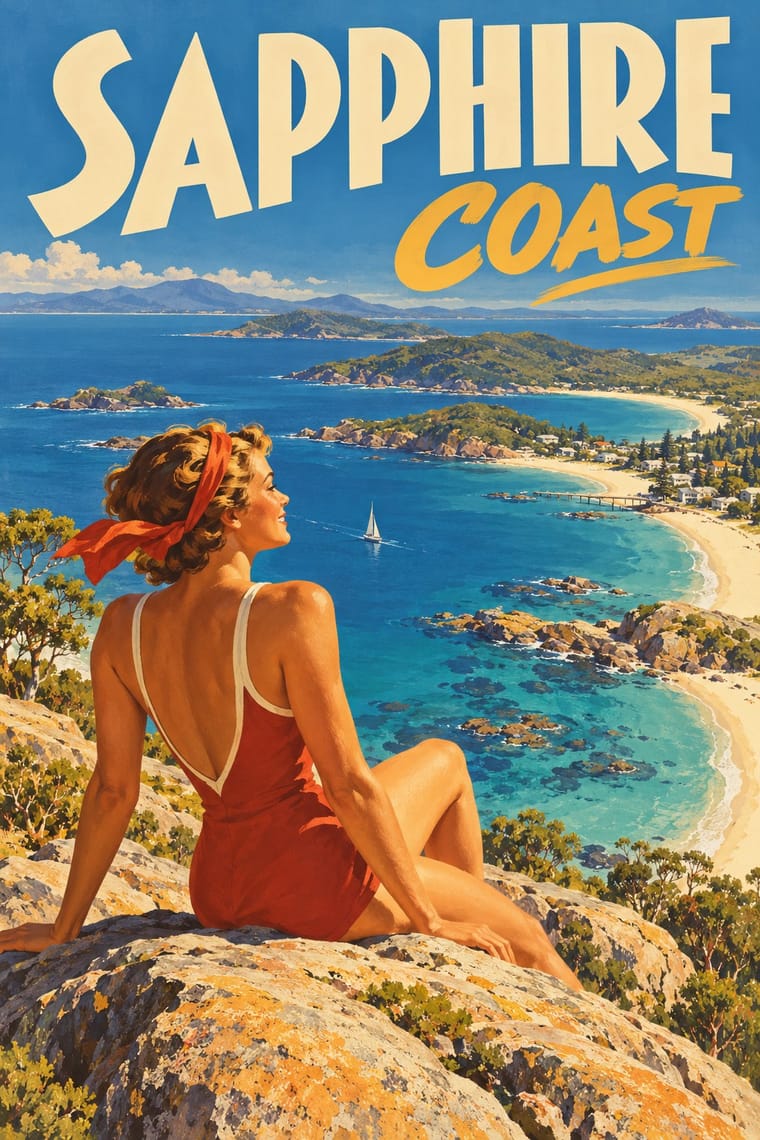
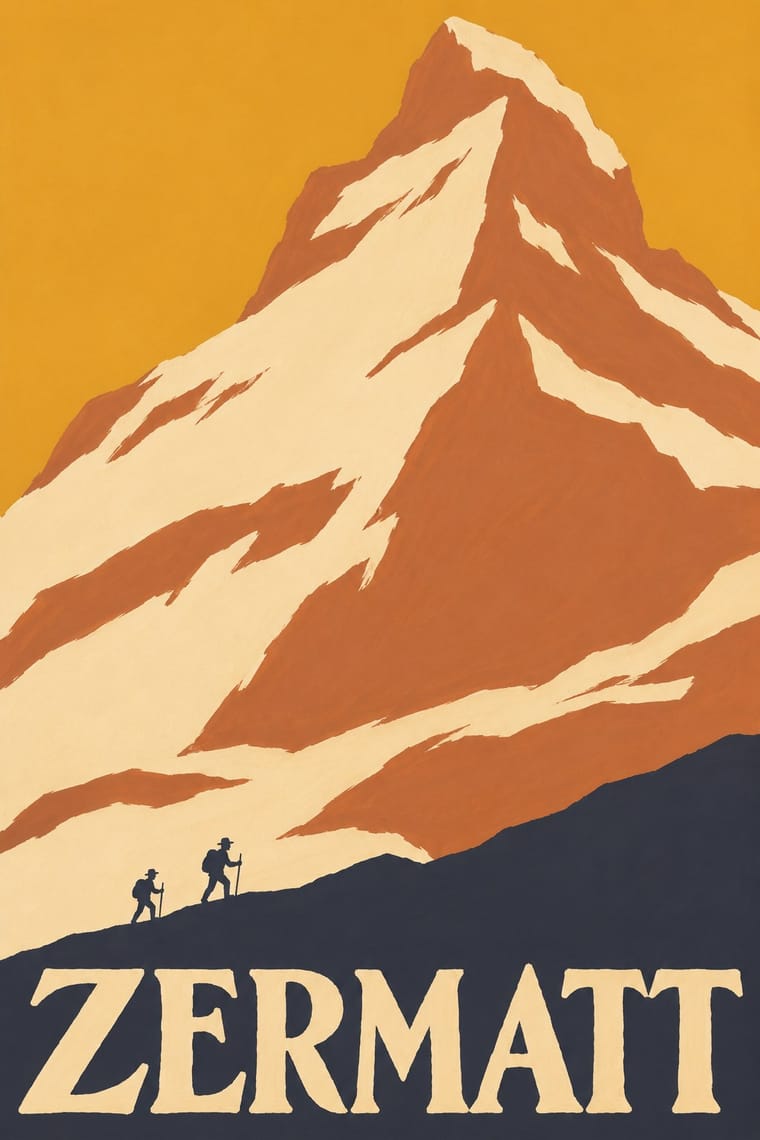
04
Often taken for
Colonial Maghreb Tourism Poster has no real works recorded yet, so these are its nearest styles by its choices alone, with the choices that tell them apart.
-
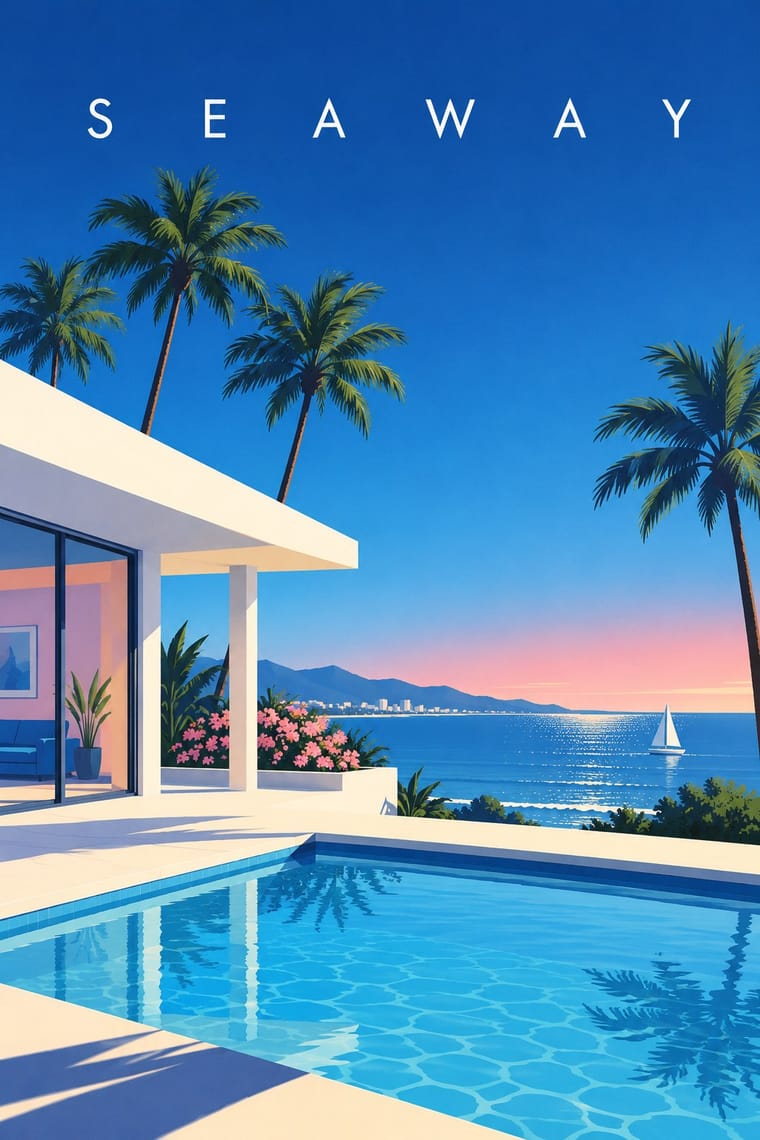
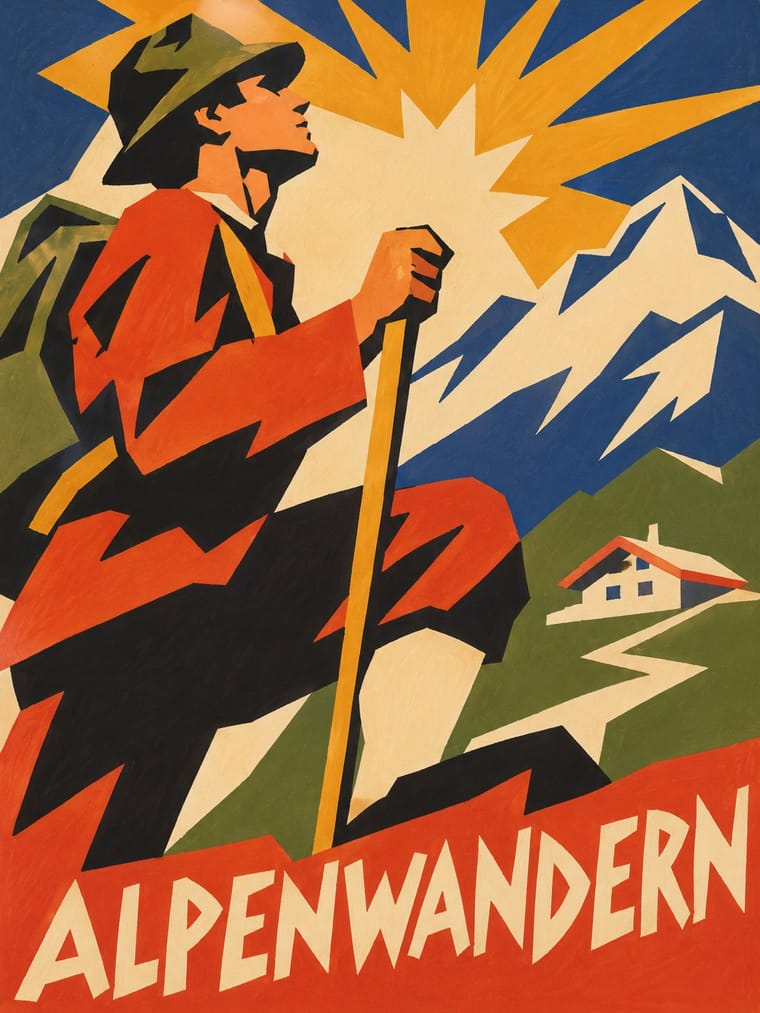
Australian Travel Poster (ANTA Era)
Australian Travel Poster is one of Colonial Maghreb Tourism Poster’s nearest styles by choices; no real work of either fits the other better.
Choices that tell Colonial Maghreb Tourism Poster and Australian Travel Poster apart Choice Colonial Maghreb Tourism Poster Australian Travel Poster Flat defining occasional Full polychrome occasional defining Complementary clash characteristic — Naturalistic depiction occasional defining Limited spot colours characteristic — Both descend from Art Deco in the family tree.
-
Swiss Lithographic Tourism & Alpine Poster (Cardinaux Era)
Swiss Lithographic Tourism & Alpine Poster is one of Colonial Maghreb Tourism Poster’s nearest styles by choices; no real work of either fits the other better.
Choices that tell Colonial Maghreb Tourism Poster and Swiss Lithographic Tourism apart Choice Colonial Maghreb Tourism Poster Swiss Lithographic Tourism Stylised figuration defining occasional Ornament-free — characteristic Rectilinear characteristic — Full bleed characteristic — Restrained accents characteristic — Both descend from Renaissance Book Typography in the family tree.
-
City Pop Illustration
City Pop Illustration is one of Colonial Maghreb Tourism Poster’s nearest styles by choices; no real work of either fits the other better.
Choices that tell Colonial Maghreb Tourism Poster and City Pop Illustration apart Choice Colonial Maghreb Tourism Poster City Pop Illustration Stylised figuration defining occasional Analogous harmony — characteristic Complementary clash characteristic — Gradients — characteristic Earth & mineral characteristic — No shared descent in the atlas: they reached these choices separately.
-
Belle Époque Lithographic Poster
Belle Époque Lithographic Poster is one of Colonial Maghreb Tourism Poster’s nearest styles by choices; no real work of either fits the other better.
Choices that tell Colonial Maghreb Tourism Poster and Belle Époque Lithographic Poster apart Choice Colonial Maghreb Tourism Poster Belle Époque Lithographic Poster Flat defining occasional Primary triad — characteristic Complementary clash characteristic — Line illustration — characteristic Earth & mineral characteristic — Both descend from Renaissance Book Typography in the family tree.
— means the choice isn’t among the style’s recorded choices. Critics recorded each work’s choices with the styles’ descriptions in view, so this shows whether the descriptions hold together, not proof that they are right.
05
Sources
- Le Maroc dans l'affiche française (1906-1956), OpenEdition Journals (journals.openedition.org/mcv/3175): the survey of Moroccan posters from PLM, CGT and Paquet that the exemplars come from
- Wikipedia, 'Jacques Majorelle' (travel posters for Morocco)
How Stylogeny researches and checks a style: where the facts come from.