Rational modernism · 1925–1940 · East Asia
Showa Modern Commercial Art and Zuan-moji
Also known as Shōwa modanizumu, Shōgyō bijutsu, Japanese Art Deco poster, Zuan moji (design lettering)
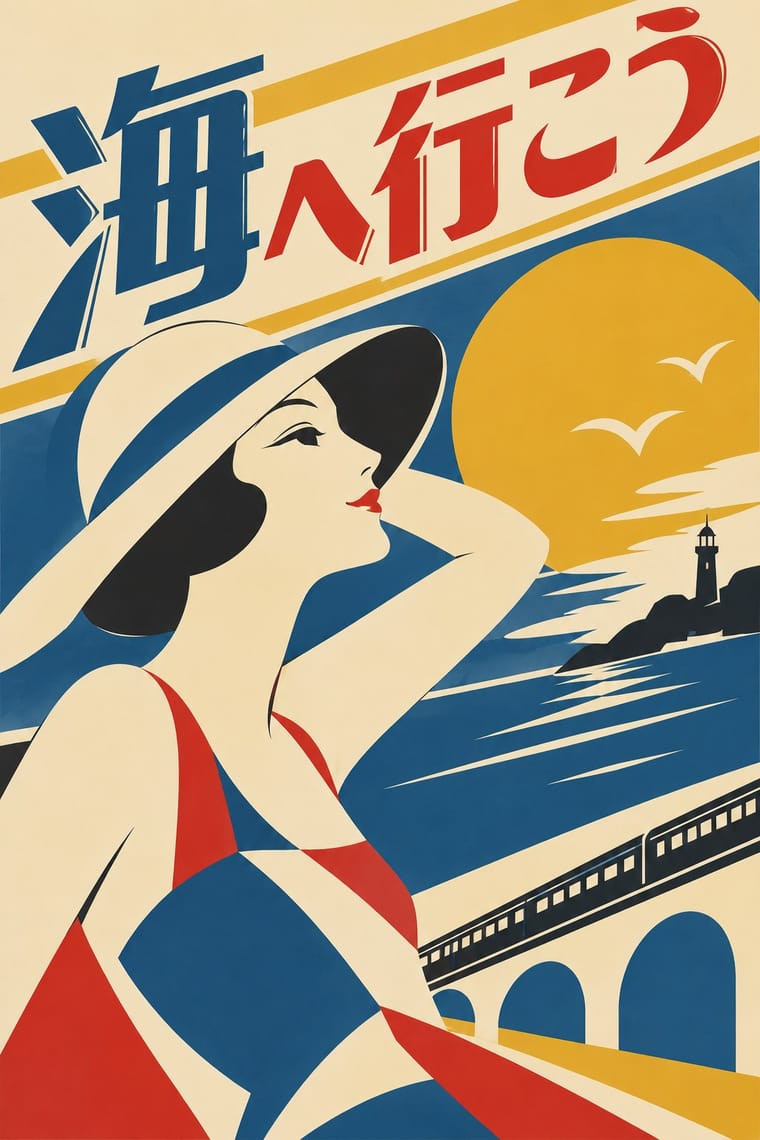
The commercial graphic design of Japan's interwar modern-city years, when trained design workers (zuan-ka) made flat, stylised posters for department stores, subways and cosmetics. Kanji and kana were drawn as designed lettering (zuan-moji) beside stylised modern-girl figures and machine-age motifs. Sugiura's early work was Art Nouveau, and Yamana's Shiseido work was softer and more elegant, so the look is less rigid than the Art Deco of the West and less lyrical and pastel than Taisho Roman.
Make something in this style Get advice in this style Mix it with another style
01
How it works
- Draw every headline as designed lettering rather than setting stock type.
- Compose the poster on a diagonal or stepped axis where it suits, and let flat shapes overlap in layers.
- Reduce the modern girl or product to a flat, stylised silhouette with few contour lines, elegant rather than harsh.
- Limit the ink to a few flat, clean colours on a light ground, as lithography or offset can print them.
- Include one machine-age or urban motif, such as a train, a skyline or a wheel, to signal modernity.
Tokyo and Osaka. Department stores (Mitsukoshi), railways (Tokyo Underground Railway), cosmetics makers (Shiseido) and magazines commissioned poster and packaging designers (zuan-ka) who combined Art Deco geometry with Japanese lettering.
02
Its design choices
From Stylogeny’s vocabulary of design choices: defining choices make the style, characteristic ones are usual, occasional ones turn up now and then.
- Layout & composition
- Space & hierarchy
- Typography
- Colour
- Form & shape
- Surface & texture
- Ornament
- Imagery
- Medium & production
- Tone & intent
- Avoids
- Abundant decoration, Floral & vegetal, Whiplash line, Jewel & metallic, Pastel, Straight photography, Skeuomorphic material, Rebellious & subversive
Palette
-
#f1e8d4 -
#1b1b1b -
#c8281e -
#1f4e79 -
#e0a82e
Typefaces
-
Zuan-moji (図案文字), designed display lettering for kanji
-
Zuan-moji (図案文字), designed display lettering for kana
Known for
-
Sugiura Hisui, poster for the opening of the Tokyo Underground Railway
Ueno-Asakusa, December 1927
-
Sugiura Hisui, Mitsukoshi department store posters
his Mitsukoshi work from 1910 was Art Nouveau; the 1927 Tokyo Underground Railway poster marks the modern turn
-
Sugiura Hisui, Hisui Sōsaku Zuan-shū
creative design collection, 1926 per ja Wikipedia; en Wikipedia gives 1930
-
Sugiura Hisui, Affiche
monthly poster-study magazine, 1927
-
Yamana Ayao, Shiseido advertising
joined the design department in 1929
-
Shiseido Monthly (1924), renamed The Shiseido Graph (1933) and Hanatsubaki
1937
03
Make something in this style
Say what you need, and Stylogeny’s image studio draws it from Showa Modern Commercial Art and Zuan-moji’s design choices and checks it against them. It takes about a minute, and you get a link to share.
04
Where it comes from, and what it’s close to
Before it
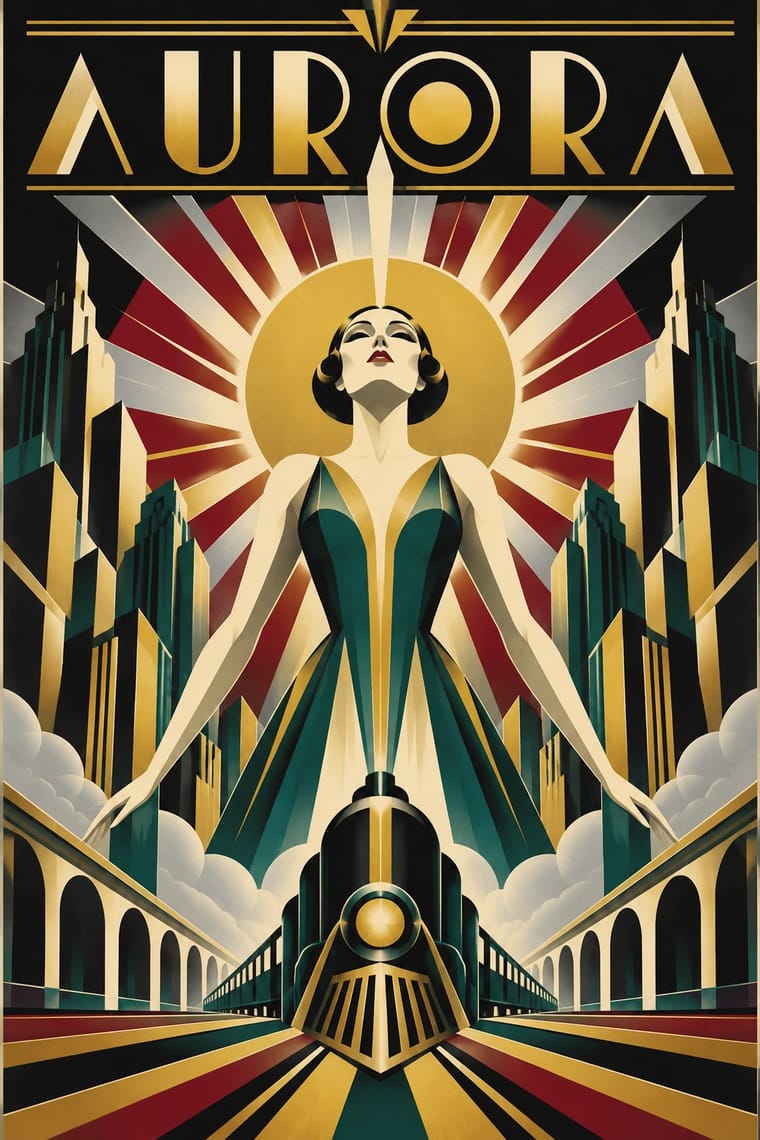
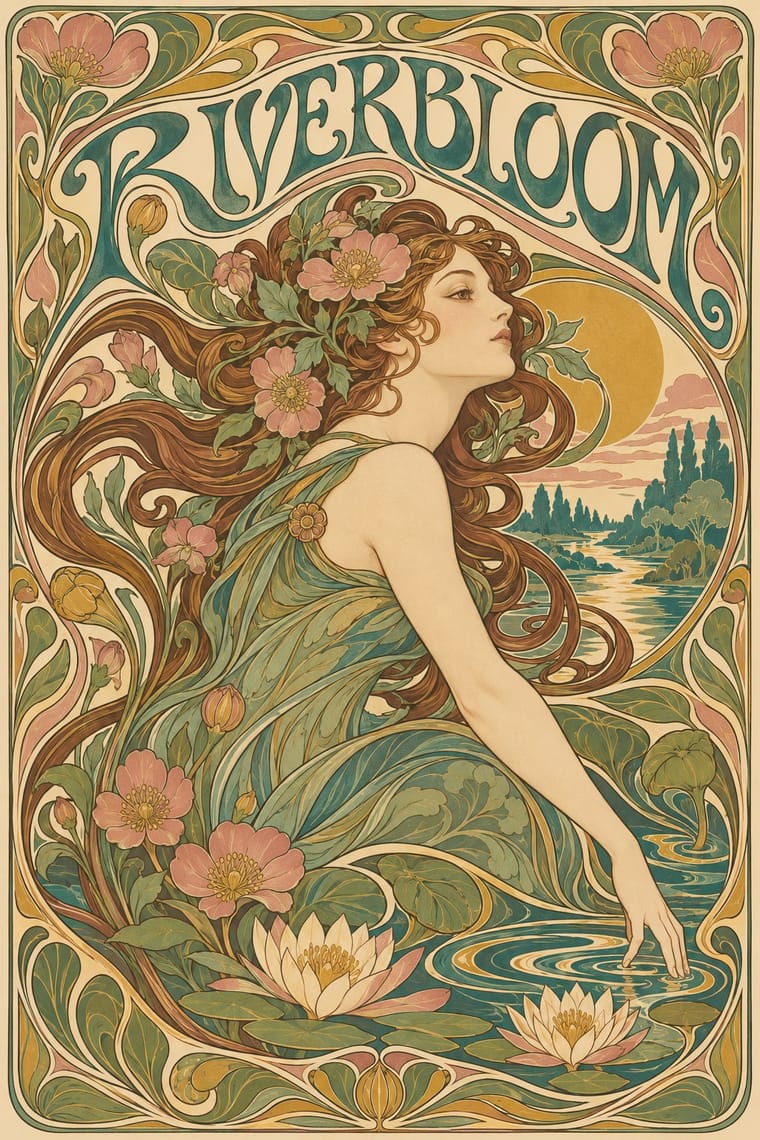
The style it grew out of, and the styles it borrowed from.
After it
The styles that grew out of it.
No later style in the atlas grew out of it yet.
Alike in its design choices
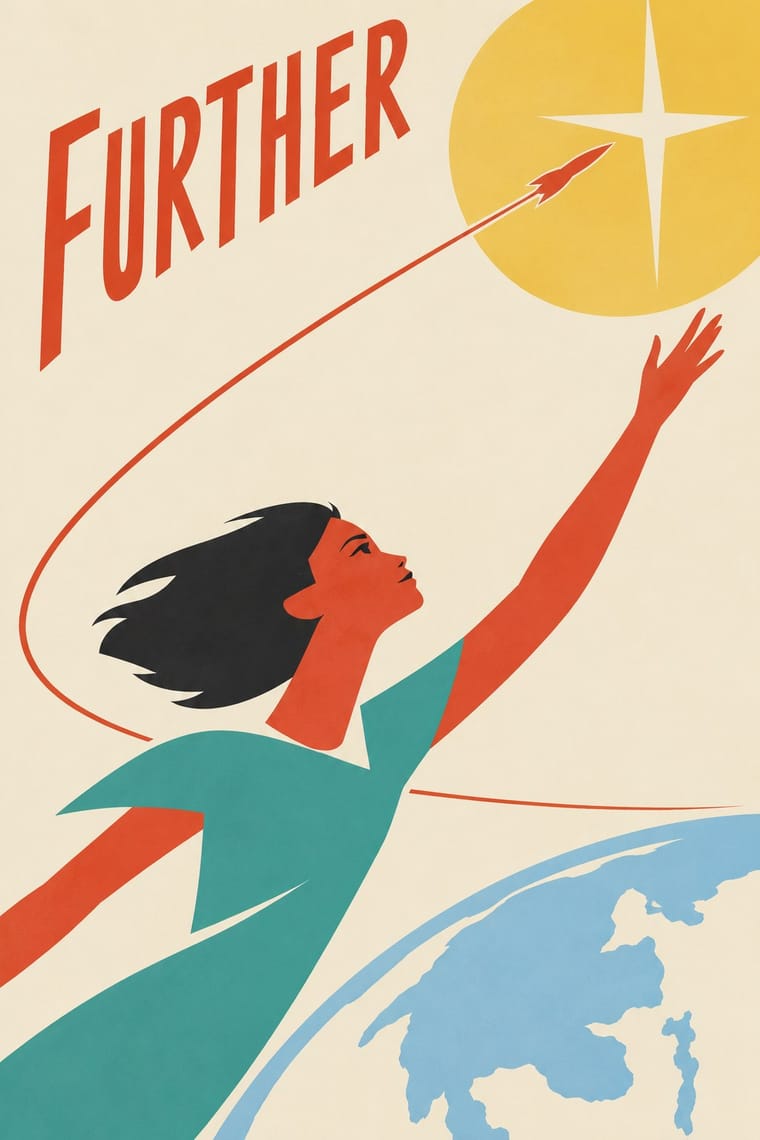
Styles that make many of the same choices, related or not, besides those above.
-
-
-
- Stenberg Brothers Constructivist Film Poster 59% alike
-

-

05
Often taken for
Showa Modern Commercial Art and Zuan-moji has no real works recorded yet, so these are its nearest styles by its choices alone, with the choices that tell them apart.
-
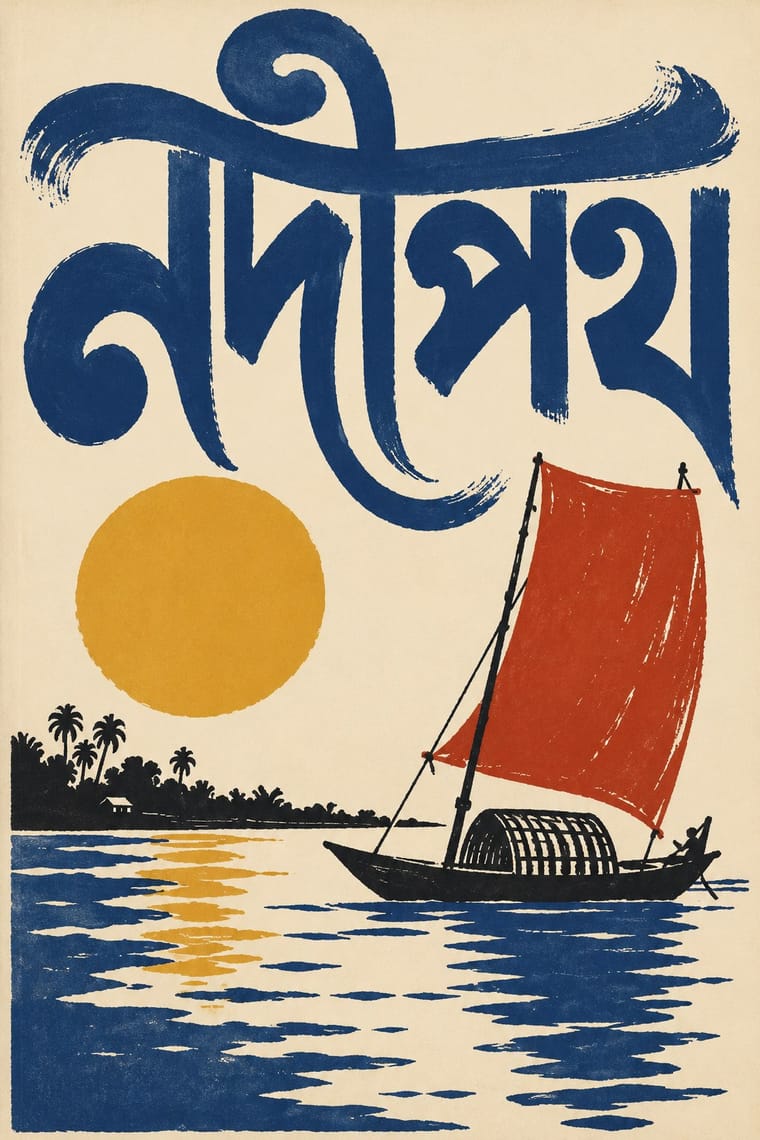
Bengali Modernist Book Cover (Prachchhad)
1 of Bengali Modernist Book Cover’s 5 real works fits Showa Modern Commercial Art and Zuan-moji’s choices better than its own: Dui Diganto, Bengali edition of Pearl S. Buck's East Wind.
Choices that tell Showa Modern Commercial Art and Zuan-moji and Bengali Modernist Book Cover apart Choice Showa Modern Commercial Art and Zuan-moji Bengali Modernist Book Cover Geometric primitives defining occasional Line illustration occasional defining Flat vector illustration characteristic — Type as image occasional defining Diagonal axis characteristic — No shared descent in the atlas: they reached these choices separately.
-
Thaw Modernism (Soviet and Czechoslovak)
Thaw Modernism is one of Showa Modern Commercial Art and Zuan-moji’s nearest styles by choices; no real work of either fits the other better.
Choices that tell Showa Modern Commercial Art and Zuan-moji and Thaw Modernism apart Choice Showa Modern Commercial Art and Zuan-moji Thaw Modernism Ornamented display defining — Pastel avoids characteristic Rules & bars characteristic — Biomorphic curves — characteristic Layered information characteristic — No shared descent in the atlas: they reached these choices separately.
-
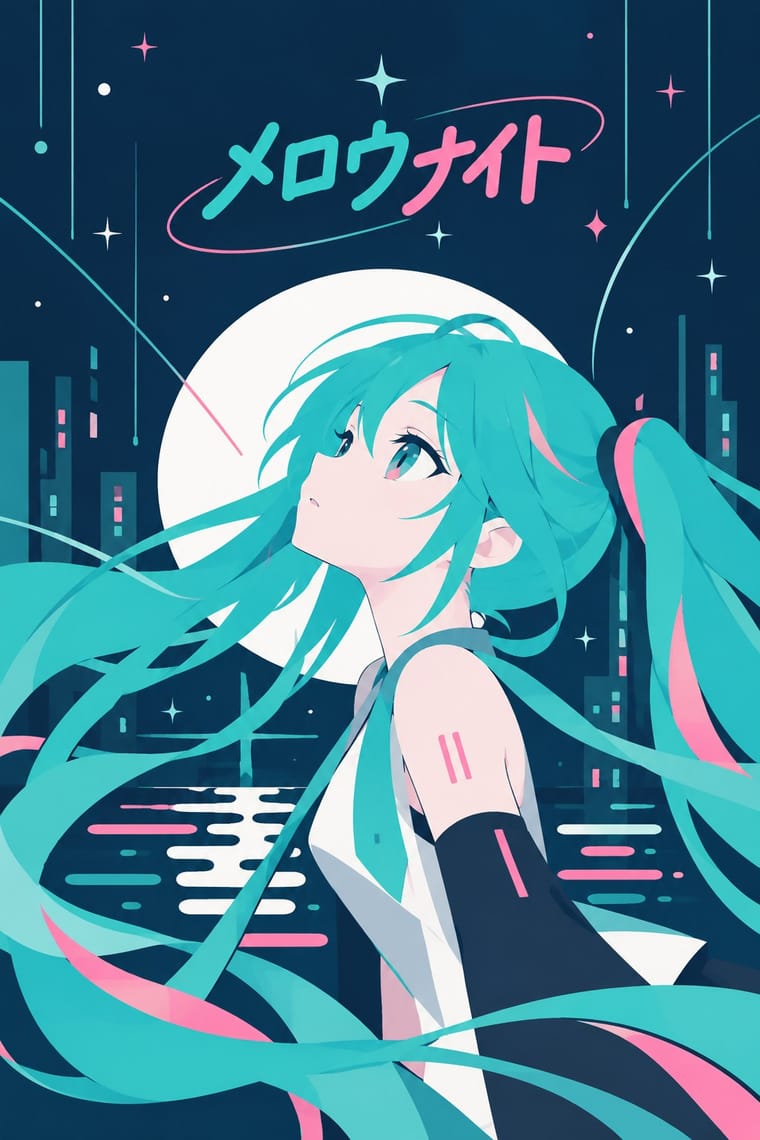
Vocaloid Fan Illustration (Hatsune Miku Culture)
Vocaloid Fan Illustration is one of Showa Modern Commercial Art and Zuan-moji’s nearest styles by choices; no real work of either fits the other better.
Choices that tell Showa Modern Commercial Art and Zuan-moji and Vocaloid Fan Illustration apart Choice Showa Modern Commercial Art and Zuan-moji Vocaloid Fan Illustration Flat fields defining — Analogous harmony — characteristic Geometric primitives defining — Dark ground — characteristic Ornamented display defining occasional No shared descent in the atlas: they reached these choices separately.
-
Stenberg Brothers Constructivist Film Poster
Stenberg Brothers Constructivist Film Poster is one of Showa Modern Commercial Art and Zuan-moji’s nearest styles by choices; no real work of either fits the other better.
Choices that tell Showa Modern Commercial Art and Zuan-moji and Stenberg Brothers Constructivist Film Poster apart Choice Showa Modern Commercial Art and Zuan-moji Stenberg Brothers Constructivist Film Poster Geometric primitives defining — Distortion & exaggeration — defining Ornamented display defining — Extreme scale contrast occasional defining Stylised figuration defining occasional No shared descent in the atlas: they reached these choices separately.
— means the choice isn’t among the style’s recorded choices. Critics recorded each work’s choices with the styles’ descriptions in view, so this shows whether the descriptions hold together, not proof that they are right.
06
Combine it with
Styles Showa Modern Commercial Art and Zuan-moji pairs well with or plays against, from the research. Each is worked out as a combination: which style gives the type, the colours and the forms.
- Edo-moji Commercial Lettering (Kanteiryū, Yose-moji, Sumō-ji) Pairs well · Both treat lettering as drawn design; fill an Edo-moji-style heavy brush shape with Showa modern flat geometry.
- Japanese Postwar Modernism Contrasts · Postwar modernism swaps the decorative figure for emblems and empty fields; compare to see how much the figure and lettering carry.
- Shanghai Modern & Yuefenpai Pairs well · Both put a modern-girl figure in East Asian commercial posters; combine the Japanese geometric lettering with Shanghai's painterly figure for a pan-Asian Deco look.
- Taishō Roman & Lyrical Illustration Contrasts · Set its soft, pastel, romantic lyrical figure against the hard-edged flat geometry of Showa modern to calibrate sentiment against machine-age confidence.
07
Sources
- Wikipedia (ja), Sugiura Hisui: https://ja.wikipedia.org/wiki/杉浦非水
- Wikipedia (en), Hisui Sugiura: https://en.wikipedia.org/wiki/Hisui_Sugiura
- Wikipedia (ja), Yamana Ayao: https://ja.wikipedia.org/wiki/山名文夫
- Wikipedia (ja), Showa Modern: https://ja.wikipedia.org/wiki/昭和モダン
- Wikipedia (en), Ginza Line: https://en.wikipedia.org/wiki/Ginza_Line
- Wikipedia (en), Shiseido: https://en.wikipedia.org/wiki/Shiseido
How Stylogeny researches and checks a style: where the facts come from.