Digital native · 2007–present · East Asia, Global / networked
Vocaloid Fan Illustration (Hatsune Miku Culture)
Also known as Miku illustration, Piapro art, Nico Nico Douga illustration, Vocaloid PV art
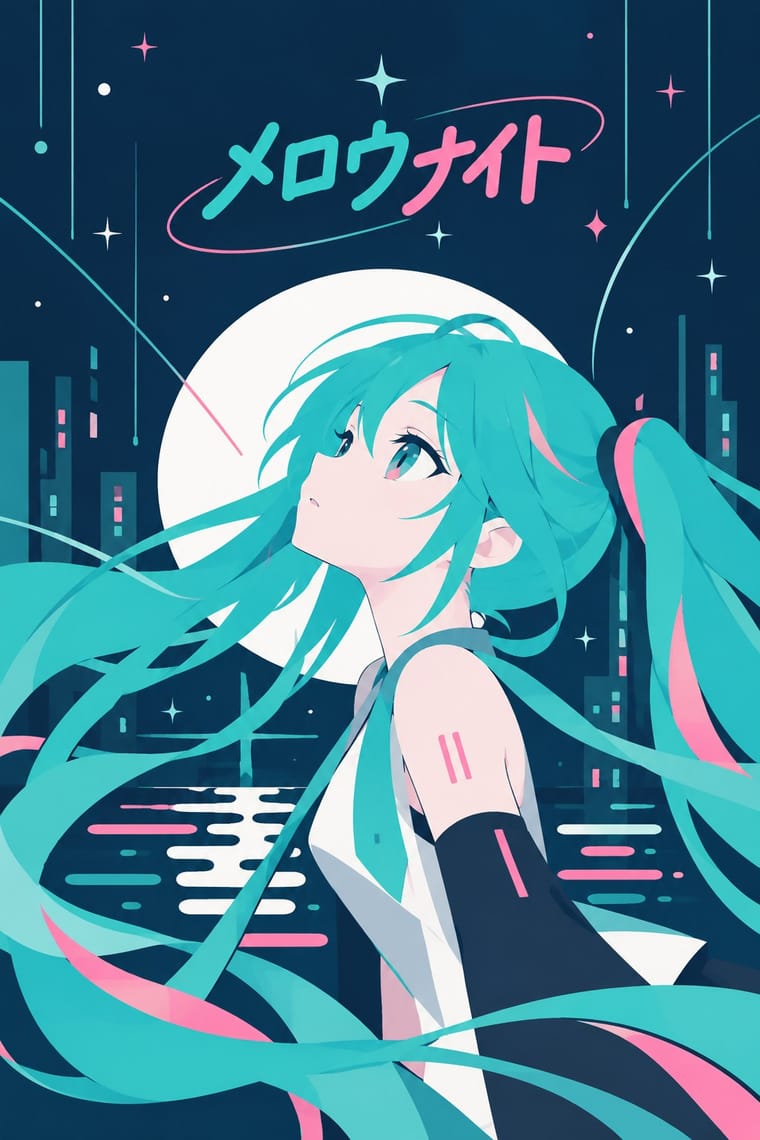
A fan illustration culture around one licensed character, Hatsune Miku, whose turquoise twin tails and synthesizer-sleeve motifs are redrawn for songs, videos and covers. The design is CC BY-NC (per Wikipedia) and fan use runs under Crypton's Piapro Character License, so the character stays licensed property, with commercial use needing Crypton's permission; that openness invited the volume of fan work, while the recurring cyan, pink and interface motifs come from the character design. Unlike vtuber-graphics, an avatar for one streamer, it is a shared character many fans redraw.
Make something in this style Get advice in this style Mix it with another style
01
How it works
- Anchor every image on the shared character silhouette: long turquoise twin tails, the grey sleeve and the shoulder numeral.
- Key the palette to the character's recurring colour code: turquoise and teal against white or deep night blue, with magenta or pink as the accent.
- Draw the figure in whatever style suits the song, often clean flat vector or cel shading with crisp outlines; fan styles vary widely, and the constant is the character.
- Add digital-interface motifs such as waveforms, equaliser bars, pixels and light trails to signal the synthesized voice.
- Make the image answer a song: set the title in lettering that matches its mood and compose it as a cover or video still.
Japan: Hatsune Miku, released 31 August 2007 by Crypton Future Media with a character design by Kei Garō (KEI); fan work spread through Nico Nico Douga and Piapro
02
Its design choices
From Stylogeny’s vocabulary of design choices: defining choices make the style, characteristic ones are usual, occasional ones turn up now and then.
- Layout & composition
- Space & hierarchy
- Typography
- Colour
- Surface & texture
- Imagery
- Medium & production
- Tone & intent
- Avoids
- Abundant decoration, Collage & layering, Grain & noise, Paper & letterpress bite, Letterpress, Authoritative & institutional, Distortion & exaggeration
Palette
-
#39c5bb -
#ffffff -
#2b3a4a -
#ff6fa5 -
#0b1d3a
Typefaces
-
Rounded and geometric sans-serifs for song titles
-
Hand-lettered titles in fan cover art
-
Japanese gothic (Gothic-tai) type in video captions
Known for
-
Hatsune Miku (Crypton Future Media, 2007), character design by KEI
-
Snow Miku
Sapporo Snow Festival; first a recolour in 2010, a new design every year since 2011
-
Hachune Miku
chibi fan derivative
-
Nico Nico Douga fan videos and cover art for producers' songs
-
Piapro, Crypton's creator-sharing site
03
Make something in this style
Say what you need, and Stylogeny’s image studio draws it from Vocaloid Fan Illustration (Hatsune Miku Culture)’s design choices and checks it against them. It takes about a minute, and you get a link to share.
04
Where it comes from, and what it’s close to
Before it
The style it grew out of, and the styles it borrowed from.
After it
The styles that grew out of it.
No later style in the atlas grew out of it yet.
Alike in its design choices
Styles that make many of the same choices, related or not, besides those above.
-
-
-
-

-
- VTuber Avatar and Stream Graphics 57% alike
05
Often taken for
Vocaloid Fan Illustration has no real works recorded yet, so these are its nearest styles by its choices alone, with the choices that tell them apart.
-
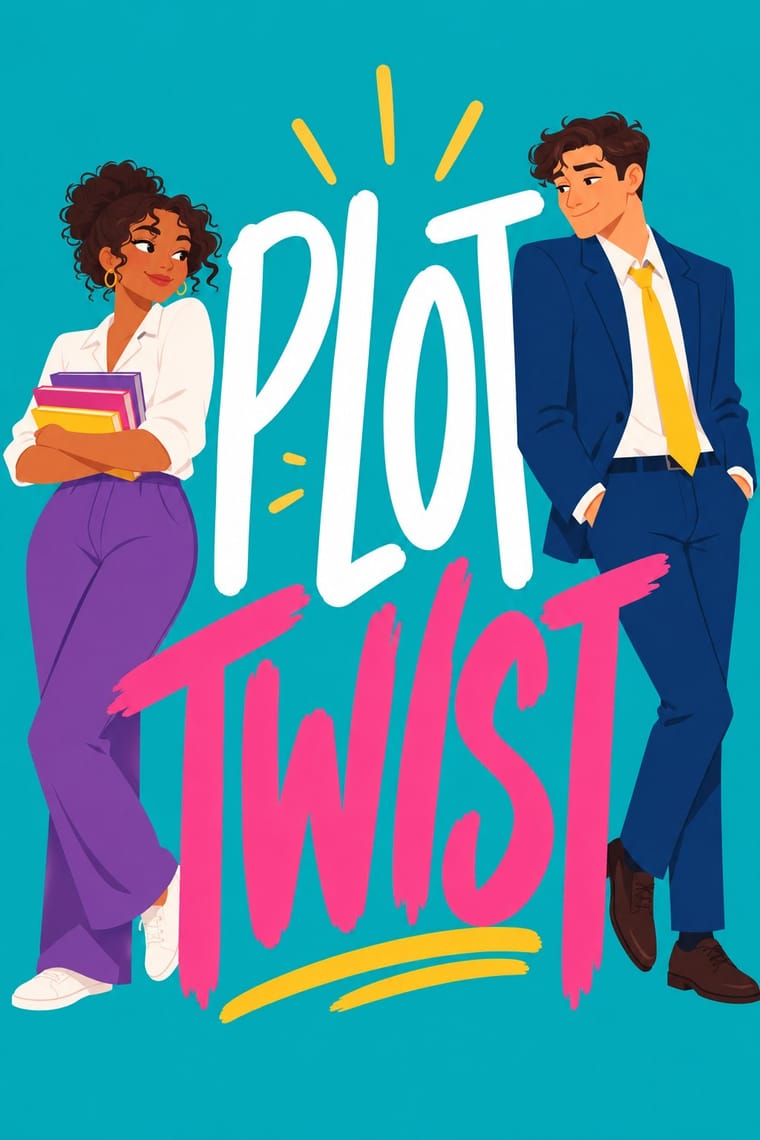
Illustrated Rom-Com Book Cover (Cartoon Couple Cover)
Illustrated Rom-Com Book Cover is one of Vocaloid Fan Illustration’s nearest styles by choices; no real work of either fits the other better.
Choices that tell Vocaloid Fan Illustration and Illustrated Rom-Com Book Cover apart Choice Vocaloid Fan Illustration Illustrated Rom-Com Book Cover Analogous harmony characteristic — Flat fields — defining Gradients characteristic — Full bleed occasional defining Limited spot colours characteristic — No shared descent in the atlas: they reached these choices separately.
-
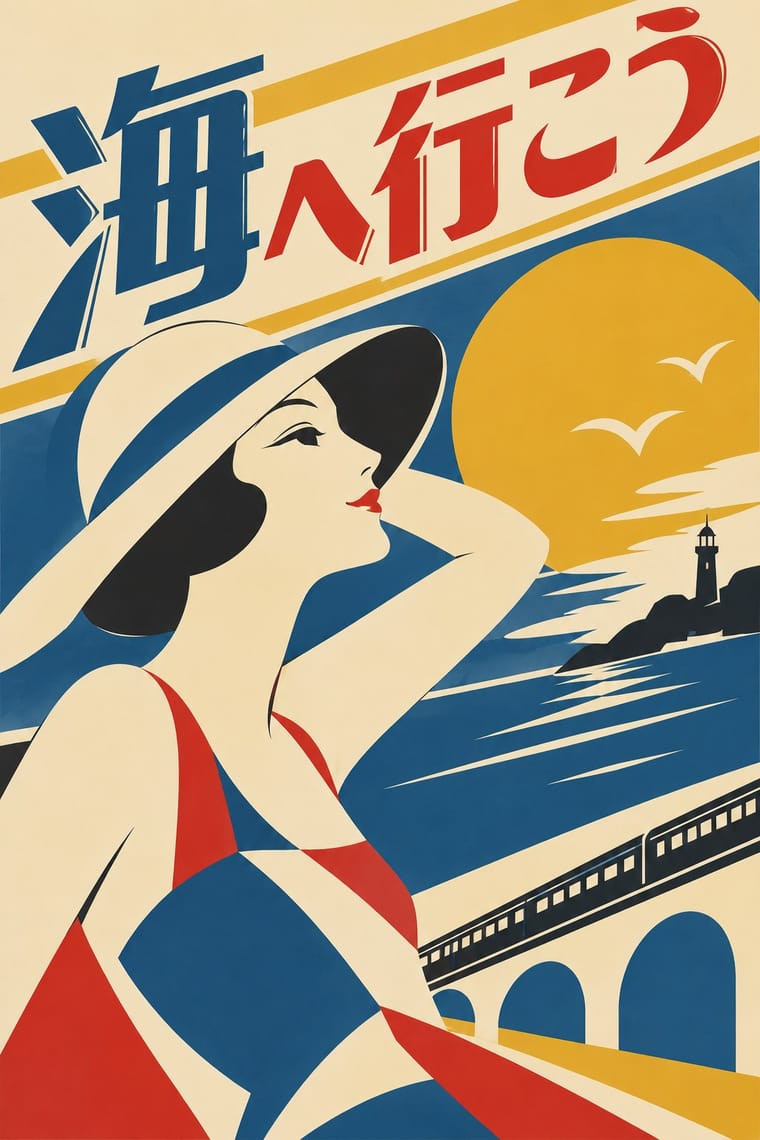
Showa Modern Commercial Art and Zuan-moji
Showa Modern Commercial Art and Zuan-moji is one of Vocaloid Fan Illustration’s nearest styles by choices; no real work of either fits the other better.
Choices that tell Vocaloid Fan Illustration and Showa Modern Commercial Art and Zuan-moji apart Choice Vocaloid Fan Illustration Showa Modern Commercial Art and Zuan-moji Analogous harmony characteristic — Flat fields — defining Dark ground characteristic — Geometric primitives — defining Gradients characteristic — No shared descent in the atlas: they reached these choices separately.
-
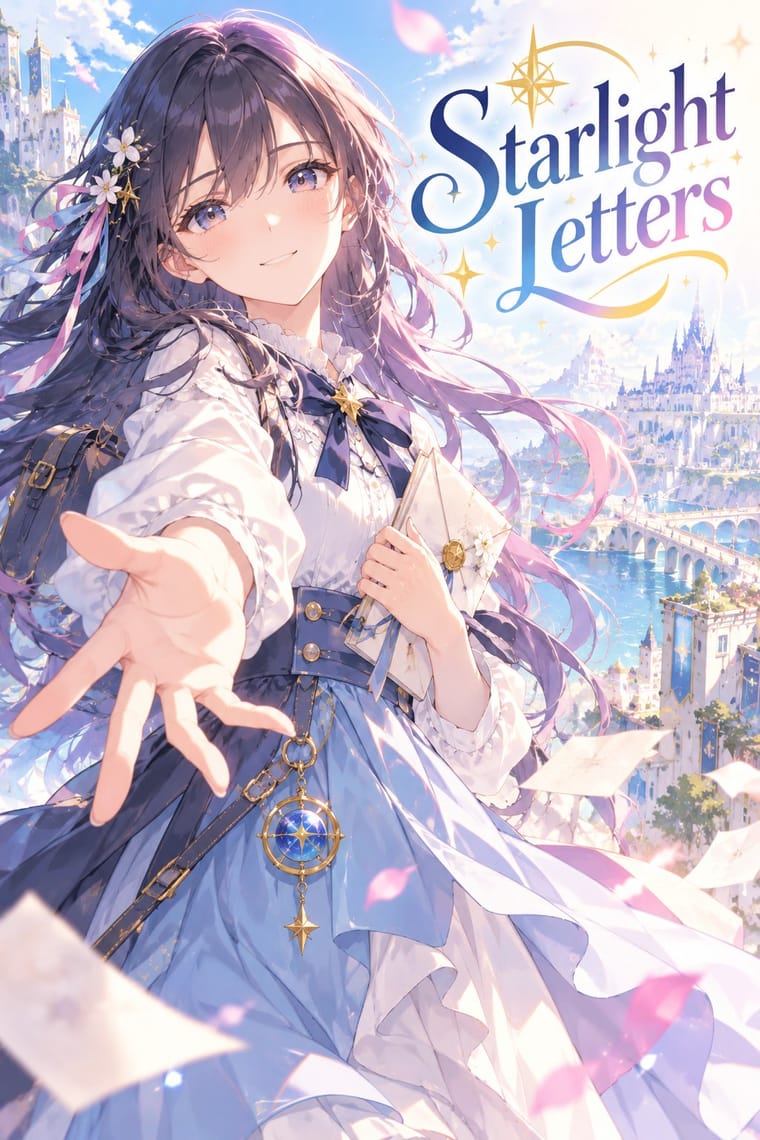
Light Novel Cover Illustration
Light Novel Cover Illustration is one of Vocaloid Fan Illustration’s nearest styles by choices; no real work of either fits the other better.
Choices that tell Vocaloid Fan Illustration and Light Novel Cover Illustration apart Choice Vocaloid Fan Illustration Light Novel Cover Illustration Flat vector illustration defining — Painterly illustration — defining Analogous harmony characteristic — Ornamented display occasional defining Dark ground characteristic — No shared descent in the atlas: they reached these choices separately.
-
Emoji Pictographic Language
Emoji Pictographic Language is one of Vocaloid Fan Illustration’s nearest styles by choices; no real work of either fits the other better.
Choices that tell Vocaloid Fan Illustration and Emoji Pictographic Language apart Choice Vocaloid Fan Illustration Emoji Pictographic Language Full bleed occasional avoids Full polychrome — defining Analogous harmony characteristic — Pictogram occasional defining Dark ground characteristic — No shared descent in the atlas: they reached these choices separately.
— means the choice isn’t among the style’s recorded choices. Critics recorded each work’s choices with the styles’ descriptions in view, so this shows whether the descriptions hold together, not proof that they are right.
06
Combine it with
Styles Vocaloid Fan Illustration (Hatsune Miku Culture) pairs well with or plays against, from the research. Each is worked out as a combination: which style gives the type, the colours and the forms.
- VTuber Avatar and Stream Graphics Pairs well · Both use a shared, character-led look; add stream overlays and avatar frames.
- Synthwave / Outrun Pairs well · Neon gradients and night grounds carry the electronic-music mood into a wider scene.
- International Typographic Style Contrasts · Impersonal grid and neutral type against one beloved, endlessly redrawn character.
- Lo-fi Anime Aesthetic Pairs well · Swap the neon and cyan for a warm dusk palette to get a calmer, painterly sibling.
07
Sources
How Stylogeny researches and checks a style: where the facts come from.