Traditions & vernacular · 1920–present · Latin America & Caribbean
Mexican Rótulos ( Hand-Painted Shop Lettering )
Also known as Rotulismo mexicano, Rótulos populares, Letreros rotulados
The sign painting of Mexican shops, markets, fondas and taquerías, made by rotulistas freehand or with stencils and templates on walls, shutters and carts. Gothic and blackletter-flavoured capitals, outlines and drop shadows are mixed on one wall with blunt, humorous pictures of the product, such as a fish at a fish stall.
Use it with care
Rótulos are a living trade practised by working rotulistas, many of whom are anonymous; credit the painters and the communities, and do not copy a particular shop's sign or its mascot as a generic 'Mexican' look. Rotulistas are being displaced by vinyl printing, so the trade is endangered; credit named painters wherever they are known.
01
How it works
Palette
-
#d62828 -
#f7b801 -
#1d4e89 -
#1b1b1b -
#2a9d8f -
#f4ecd8
Typefaces
-
Gothic and blackletter-flavoured capitals (often sans-gothic or pseudo-blackletter rather than strict textura), painted by hand
-
Outlined, inlined and drop-shadowed block capitals
-
Stencil and template lettering
- Paint the name of the business large on the wall, shutter or awning so it reads from the street.
- Often pair the lettered name with a direct picture of the product, drawn with humour.
- Choose gothic or blackletter capitals for food stalls to signal tradition and elegance.
- Mix several lettering styles and bright colours on one wall, often given an outline, inline or drop shadow.
- Fill the surface with prices, lists of goods and slogans, leaving little of the wall empty.
Mexico, in shops, markets and food stalls; widely associated with Mexico City, early 20th century onward (c. 1920, approximate)
02
Its design choices
From Stylogeny’s vocabulary of design choices: defining choices make the style, characteristic ones are usual, occasional ones turn up now and then.
- Layout & composition
- Space & hierarchy
- Typography
- Form & shape
- Surface & texture
- Imagery
- Medium & production
- Tone & intent
- Avoids
- Modular grid, Generous white space, Monochrome, Ornament-free, Straight photography, Desktop publishing, Single focal point
How its pictures are made Drawn & painted
Kind of picture: Drawn & painted
Known for
-
Signs of Mexican groceries (abarrotes) and fondas, as described in the Spanish Wikipedia article 'Rotulación'
-
Gothic lettering at food stalls and taquerías, as described in the Spanish Wikipedia article 'Rotulación'
-
Fish drawings at fish stalls, as described in the Spanish Wikipedia article 'Rotulación'
03
Where it comes from, and what it’s close to
Grew out of
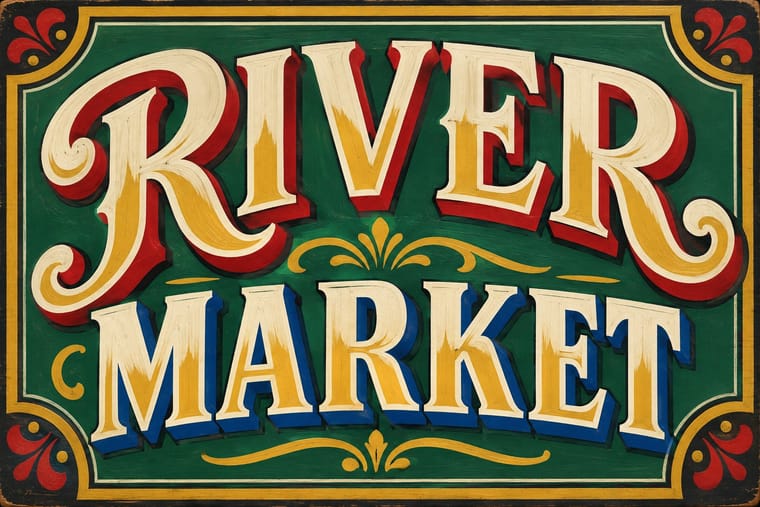
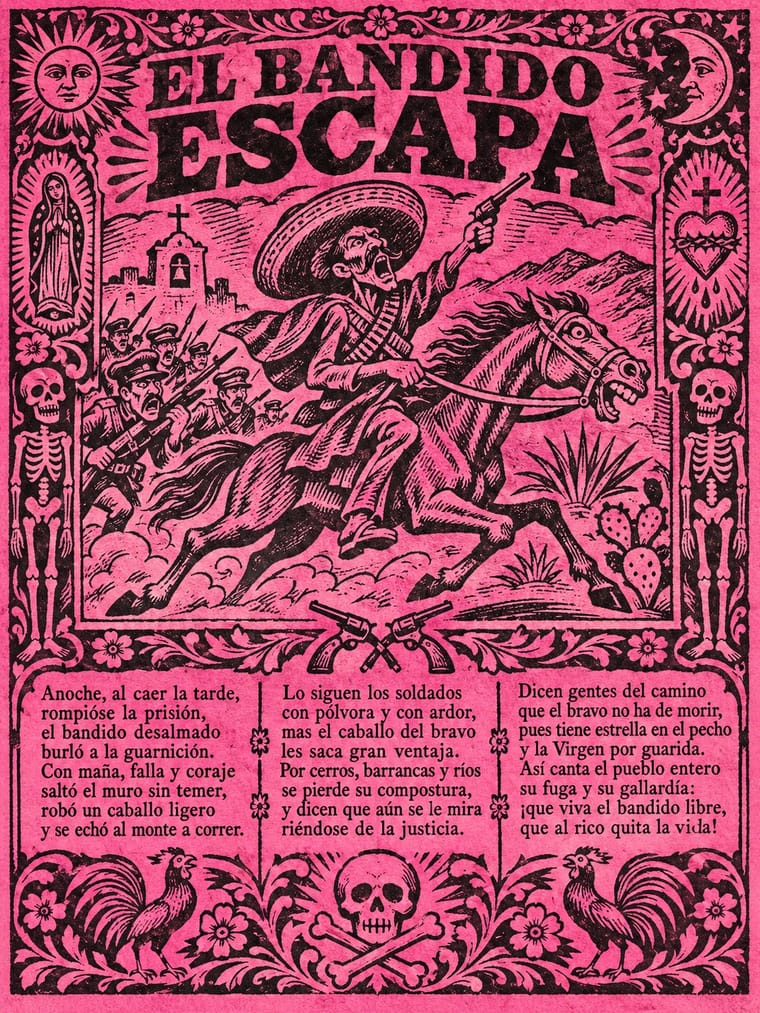
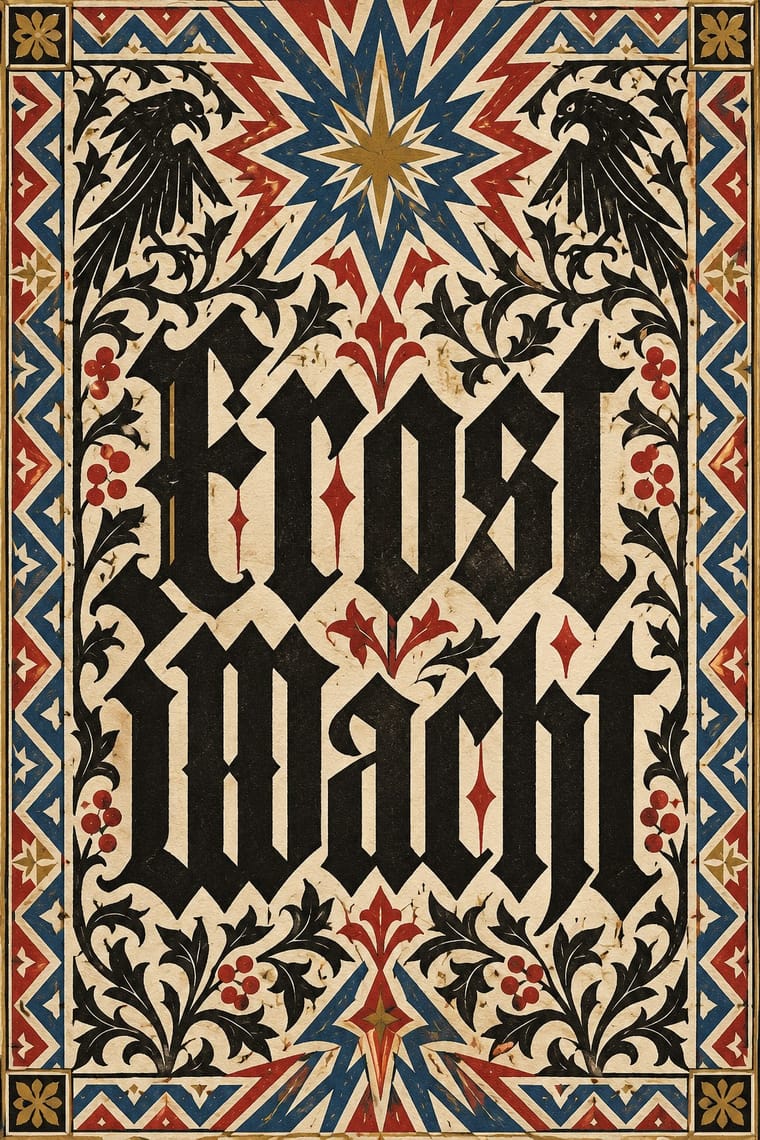
Mexican Rótulos (Hand-Painted Shop Lettering) 1920–present
No later style in the atlas grew out of it yet.
Alike in its design choices
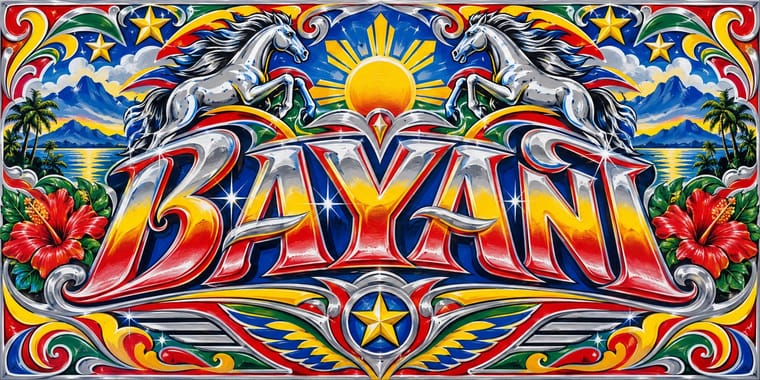
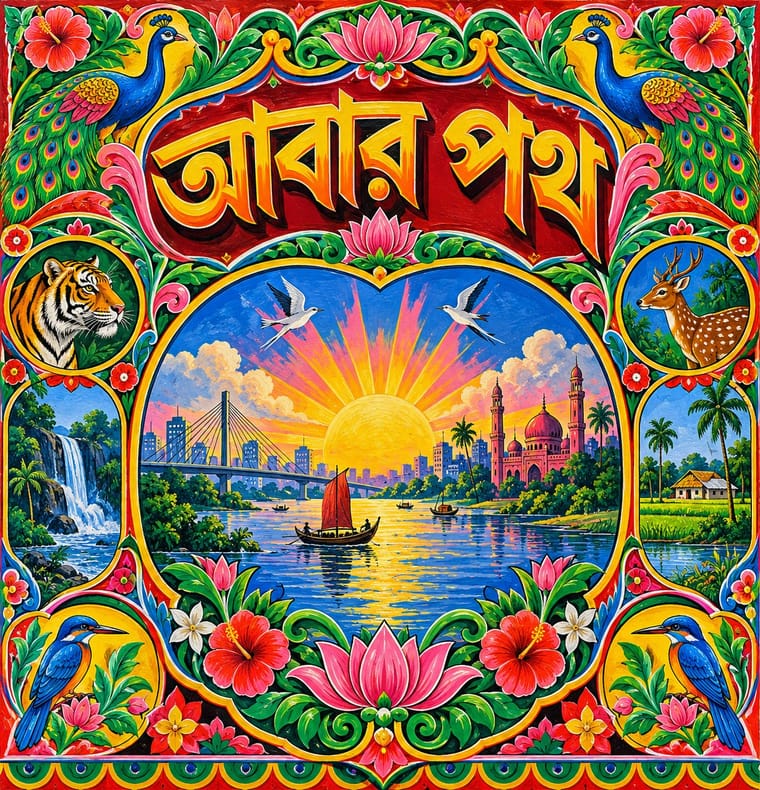
04
Often taken for
Mexican Rótulos has no real works recorded yet, so these are its nearest styles by its choices alone, with the choices that tell them apart.
-
Hand-Painted Signage & Vernacular Lettering
1 of Hand-Painted Signage & Vernacular Lettering’s 5 real works fits Mexican Rótulos’s choices slightly better than its own: Roadside stand near Birmingham, Alabama.
Choices that tell Mexican Rótulos and Hand-Painted Signage apart Choice Mexican Rótulos Hand-Painted Signage Full polychrome defining occasional Single focal point avoids characteristic Horror vacui defining occasional Limited spot colours — characteristic Complementary clash characteristic — Mexican Rótulos descends from Hand-Painted Signage & Vernacular Lettering: a shared line, so the likeness is inherited.
-
Senegalese Car Rapide Painting and Lettering
Senegalese Car Rapide Painting and Lettering is one of Mexican Rótulos’s nearest styles by choices; no real work of either fits the other better.
Choices that tell Mexican Rótulos and Senegalese Car Rapide Painting and Lettering apart Choice Mexican Rótulos Senegalese Car Rapide Painting and Lettering Hard offset shadow defining — Folk & sacred symbols — defining Layered information characteristic — Emblems & badges — characteristic Extreme scale contrast characteristic — Both descend from Hand-Painted Signage & Vernacular Lettering in the family tree.
-
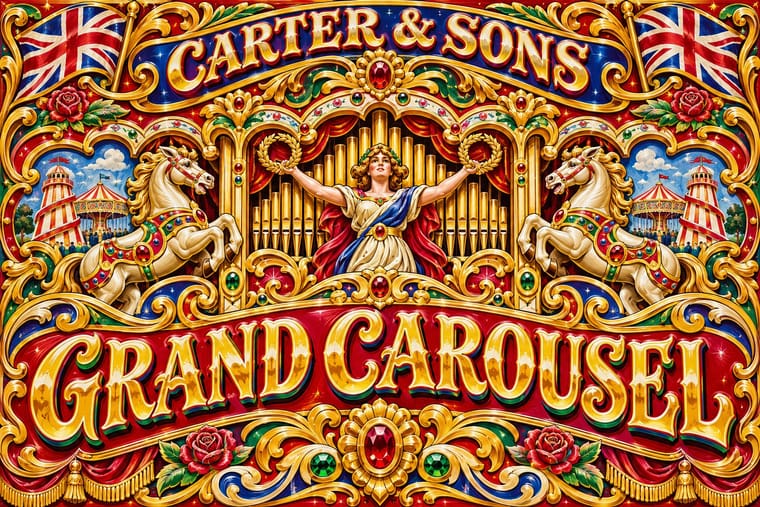
British Fairground Art
British Fairground Art is one of Mexican Rótulos’s nearest styles by choices; no real work of either fits the other better.
Choices that tell Mexican Rótulos and British Fairground Art apart Choice Mexican Rótulos British Fairground Art Eclectic mixing defining occasional Central symmetry — defining Flat fields characteristic — Jewel & metallic — characteristic Layered information characteristic — Both descend from Hand-Painted Signage & Vernacular Lettering in the family tree.
-
Jeepney Art
Jeepney Art is one of Mexican Rótulos’s nearest styles by choices; no real work of either fits the other better.
Choices that tell Mexican Rótulos and Jeepney Art apart Choice Mexican Rótulos Jeepney Art Hard offset shadow defining — Gradients — characteristic Flat fields characteristic — Comic & cartoon — characteristic Layered information characteristic — Both descend from Hand-Painted Signage & Vernacular Lettering in the family tree.
— means the choice isn’t among the style’s recorded choices. Critics recorded each work’s choices with the styles’ descriptions in view, so this shows whether the descriptions hold together, not proof that they are right.
05
Sources
How Stylogeny researches and checks a style: where the facts come from.