Pictorial & machine age · 1930–1960 · East Asia
Gaito Kamishibai ( Japanese Paper-Theatre Cards )
Also known as Street kamishibai, 紙芝居, Paper theatre, Ōgon Bat cards
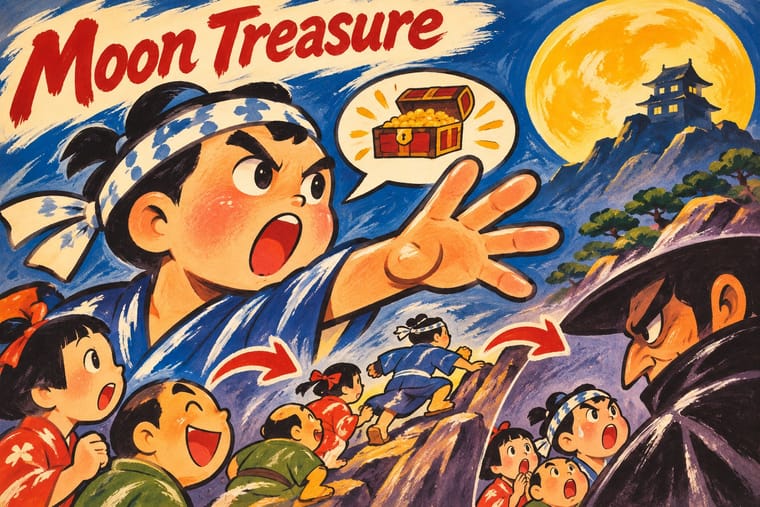
Street storytelling from a stack of large hand-painted cards, shown in a small wooden stage frame while the narrator reads the script and pulls each card away. Each card is one unique brush-and-colour scene with dramatic framing and a cliffhanger, made for children in 1930s-50s Japan before television. Its wartime use by the state for propaganda is documented history, noted here as context and not as an endorsement.
Make something in this style Get advice in this style Mix it with another style
01
Its picture in other colours
Change a colour and every picture on this page follows. It happens in your browser, from the same pictures: nothing new is made or saved.
Choose a colour to change it
-
#f1e3c0 -
#1c1a1a -
#c8352b -
#2f5d8a -
#e0a82e -
#4f7a45
A faded colour isn’t in these pictures, so changing it changes nothing.
Light and dark stay where they are; greys hardly move.
More colours: any style’s, or your own
The pictures show the style’s own colours.
02
Make something in this style
Say what you need, and Stylogeny’s image studio draws it from Gaito Kamishibai (Japanese Paper-Theatre Cards)’s design choices and checks it against them. It takes about a minute, and you get a link to share.
03
How it works
Palette
-
#f1e3c0ink · 13% -
#1c1a1aaccent · 11% -
#c8352baccent · 9% -
#2f5d8aground · 17% -
#e0a82eaccent · 20% -
#4f7a45not in its pictures
Shares measured from its picture. The ground is what the pictures sit on (of the colours covering most, the most neutral), the ink stands out from it most, the rest are accents.
Typefaces
-
Hand-brushed title lettering on set covers
-
Handwritten narrator scripts on card backs
- Paint each scene as a single large card that reads at a glance from the back of a street crowd.
- Give every card one unmistakable focal action, framed dramatically and close.
- End each card on a turn or cliffhanger so the next pull of the card is wanted.
- Colour in bright opaque tempera and watercolour over brush-ink outlines, then finish with a protective lacquer coat for shine and weather.
- Leave the words off the picture: the script belongs to the narrator's voice and the card's back, and the narrator pulls each card from the stage frame as a live performance.
Appeared around 1930 in Tokyo's Shitamachi district (exact origins are uncertain): itinerant street storytellers (gaito kamishibaiya) performing hand-painted card sets rented from kashimoto dealers
Change it with an idea. Any of the 73 moves that make a design say something can go on this style.
04
Its design choices
From Stylogeny’s vocabulary of design choices: defining choices make the style, characteristic ones are usual, occasional ones turn up now and then.
- Layout & composition
- Space & hierarchy
- Typography
- Colour
- Form & shape
- Surface & texture
- Ornament
- Medium & production
- Tone & intent
- Avoids
- Modular grid, Framed panels, Broken grid, Halftone & Ben-Day dots, Offset printing, Straight photography, Typography only, Monochrome
How its pictures are made Drawn & painted
Kind of picture: Drawn & painted
Known for
-
Ōgon Bat (Golden Bat, 1931, by Takeo Nagamatsu and Ichiro Suzuki), among the first illustrated costume superheroes
-
Gaito kamishibaiya of 1930s Tokyo
about 2,500 narrators in 1933
-
Eric P. Nash, Manga Kamishibai
The Art of Japanese Paper Theatre (2009)
-
Wartime educational and propaganda kamishibai
Emily Horner, 2005
05
Where it comes from, and what it’s close to
Borrowed from
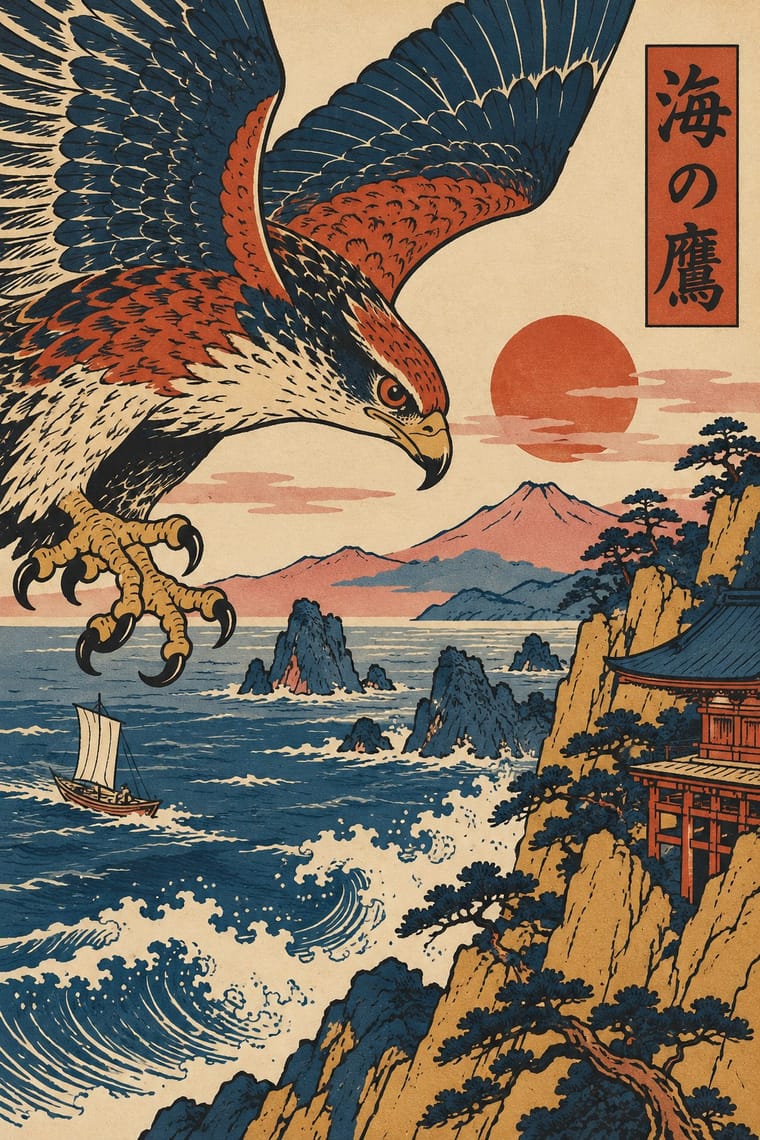
Gaito Kamishibai (Japanese Paper-Theatre Cards) 1930–1960
No later style in the atlas grew out of it yet.
Alike in its design choices
06
Combine it with
Styles Gaito Kamishibai (Japanese Paper-Theatre Cards) pairs well with or plays against, from the research. Each is worked out as a combination: which style gives the type, the colours and the forms.
- Story Manga (Postwar Japanese Comics) Pairs well · Its print descendant: swap one painted card for many inked panels per page to move from performance to reading.
- Ukiyo-e Woodblock Prints Contrasts · Brush-painted unique cards against carved and printed multiples: borrow the flat colour but keep the hand.
07
Often taken for
Gaito Kamishibai has no real works recorded yet, so these are its nearest styles by its choices alone, with the choices that tell them apart.
-
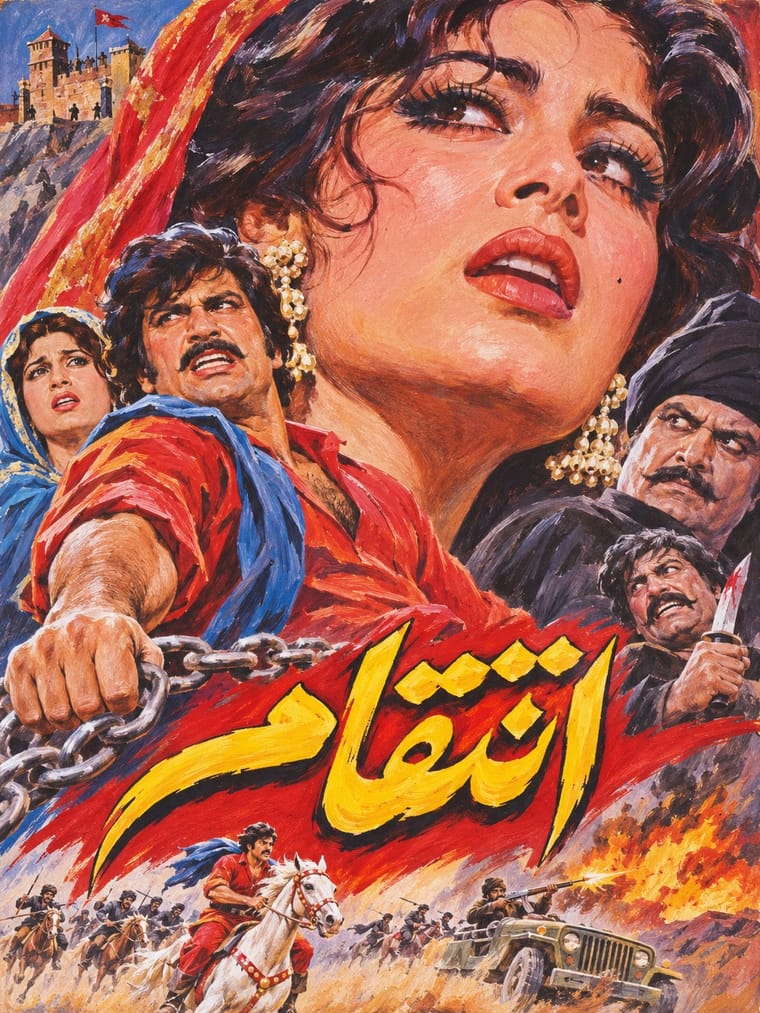
Lahore Hand-Painted Film Poster and Billboard (Lollywood)
Lahore Hand-Painted Film Poster and Billboard is one of Gaito Kamishibai’s nearest styles by choices; no real work of either fits the other better.
Choices that tell Gaito Kamishibai and Lahore Hand-Painted Film Poster and Billboard apart Choice Gaito Kamishibai Lahore Hand-Painted Film Poster and Billboard Stylised figuration defining — Extreme scale contrast occasional defining Comic & cartoon defining — Hand-lettering occasional defining Sequential narrative defining — No shared descent in the atlas: they reached these choices separately.
-
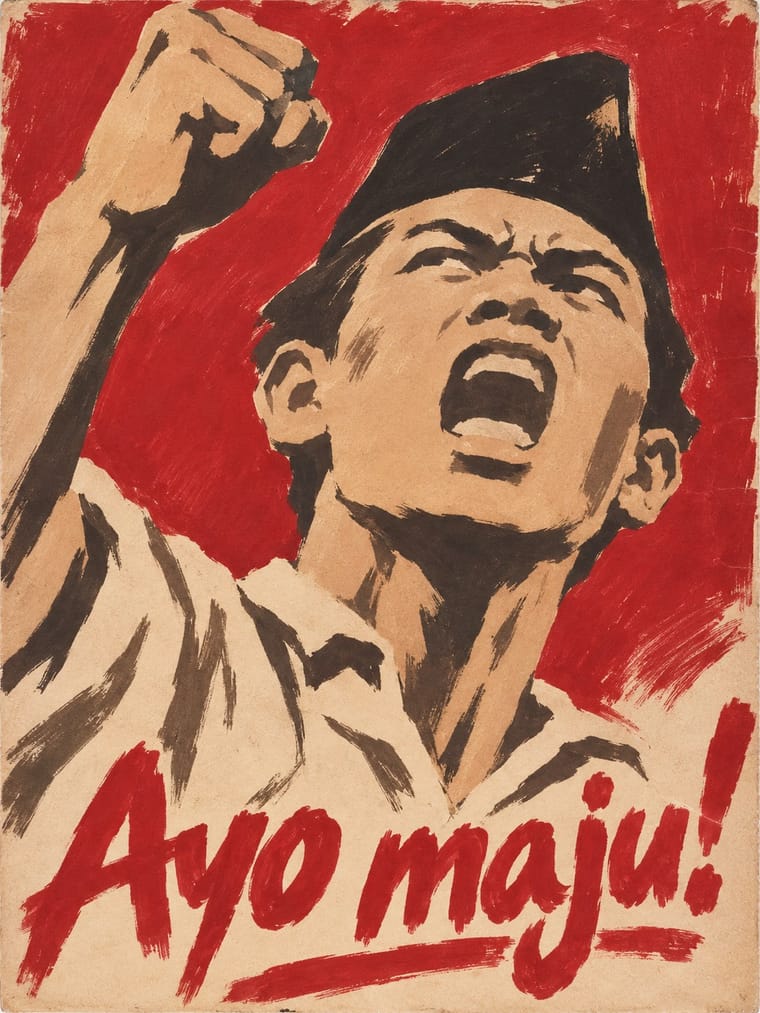
Indonesian Revolution Poster (Poster Perjuangan)
Indonesian Revolution Poster is one of Gaito Kamishibai’s nearest styles by choices; no real work of either fits the other better.
Choices that tell Gaito Kamishibai and Indonesian Revolution Poster apart Choice Gaito Kamishibai Indonesian Revolution Poster Gloss & highlights characteristic avoids Limited spot colours — defining Full polychrome defining — Hand-lettering occasional defining Comic & cartoon defining — No shared descent in the atlas: they reached these choices separately.
-
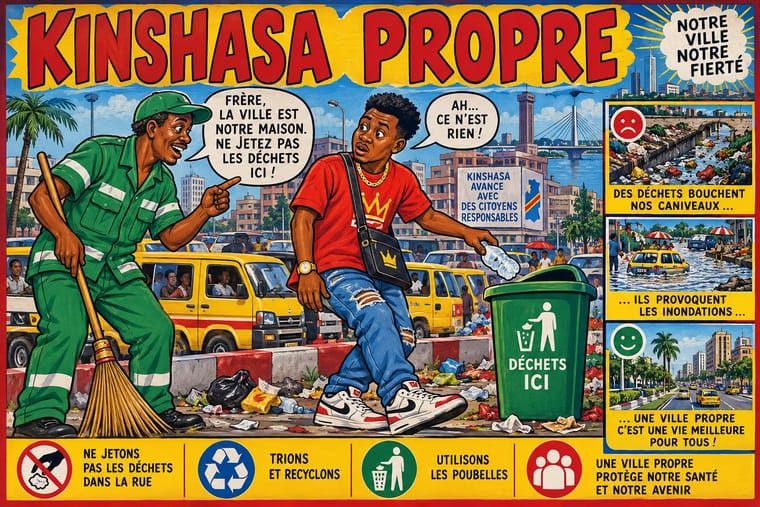
Kinshasa Popular Painting
Kinshasa Popular Painting is one of Gaito Kamishibai’s nearest styles by choices; no real work of either fits the other better.
Choices that tell Gaito Kamishibai and Kinshasa Popular Painting apart Choice Gaito Kamishibai Kinshasa Popular Painting Full bleed defining occasional Framed panels avoids characteristic Sequential narrative defining occasional Layered information — defining Single focal point defining occasional No shared descent in the atlas: they reached these choices separately.
-
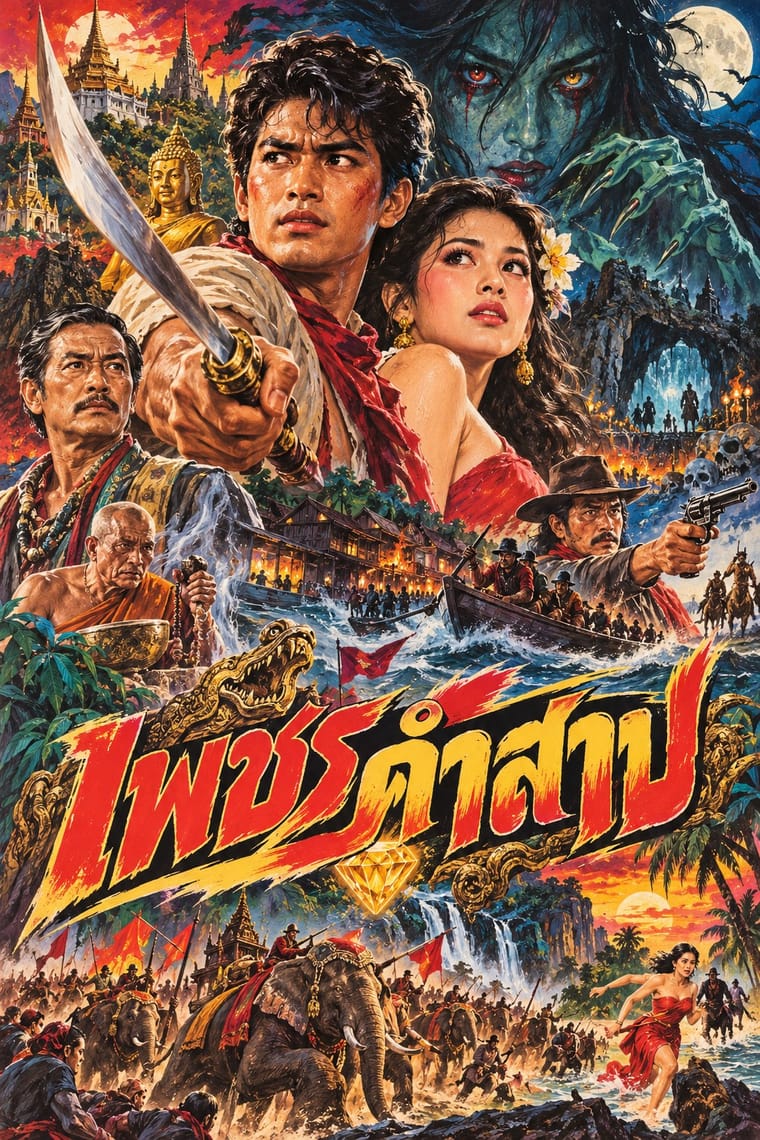
Thai Hand-Painted Film Poster and Billboard
Thai Hand-Painted Film Poster and Billboard is one of Gaito Kamishibai’s nearest styles by choices; no real work of either fits the other better.
Choices that tell Gaito Kamishibai and Thai Hand-Painted Film Poster and Billboard apart Choice Gaito Kamishibai Thai Hand-Painted Film Poster and Billboard Stylised figuration defining — Collage & layering — defining Comic & cartoon defining — Horror vacui — defining Sequential narrative defining — No shared descent in the atlas: they reached these choices separately.
— means the choice isn’t among the style’s recorded choices. Critics recorded each work’s choices with the styles’ descriptions in view, so this shows whether the descriptions hold together, not proof that they are right.
08
Sources
- https://en.wikipedia.org/wiki/Kamishibai
- Eric P. Nash, Manga Kamishibai: The Art of Japanese Paper Theatre (Abrams, 2009)
- Frederik L. Schodt, Manga! Manga! The World of Japanese Comics (Kodansha, 1983)
How Stylogeny researches and checks a style: where the facts come from.