Pictorial & machine age · 1995–present · East Asia, Global / networked
Moe Character Illustration
Also known as Moe style, 萌え, Moe anthropomorphism, Bishōjo illustration
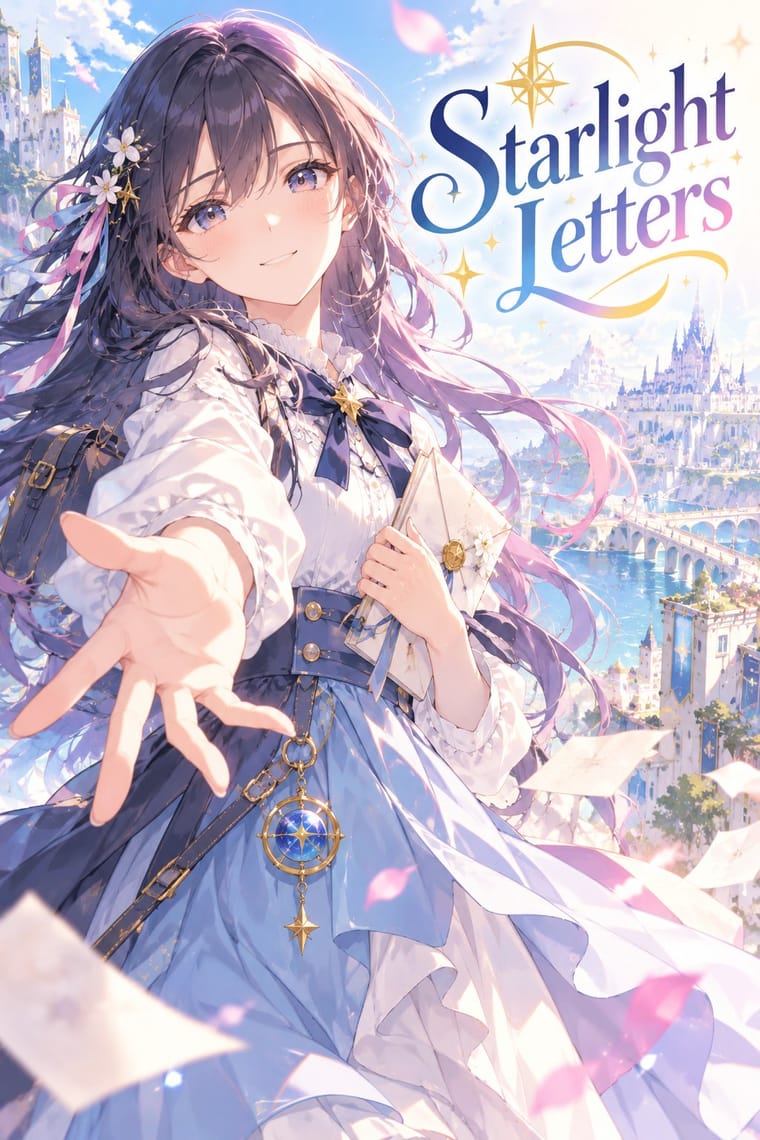
Character design built to provoke protective affection in fans: a single anime-coded figure with large eyes, pale smooth skin, soft rounded proportions and attribute props such as cat ears, maid dress or a signature hair colour. Unlike light-novel-cover (a book-cover layout with type) or kawaii (general cuteness), it is defined by the nameable attribute kit and fan attachment, which the genome shows only partly. The recipe also personifies ships, weapons, countries and products.
Use it with care
This entry describes character-design conventions only, not erotic or sexualised content. Moe is a fan affect term, not only a drawing style, and it is tied to debate about sexualised, childlike characters (the lolicon boom is cited as its ground) and about male fan consumption of young female figures; do not use minor-coded characters in sexualised contexts, and treat the criticism as part of the subject.
01
How it works
Palette
-
#fdeef2 -
#f7b6cf -
#a9d6f5 -
#fff1a8 -
#5b4a6e
Typefaces
-
Maru Gothic
rounded Japanese sans
-
Japanese manga hand-lettering
-
Pop-style display lettering for anime titles
- Design the character as a bundle of recognisable attributes (hair colour, ears, costume, prop) that fans can name and collect.
- Draw large, glossy eyes on a small rounded face with pale, smooth, softly shaded skin.
- Keep proportions small and gentle so the figure invites protection rather than awe.
- Present one character at a time, centred and fully legible, as a poster, sprite or goods illustration.
- Transfer the same attribute recipe to non-human subjects (a spaceship, a product) when anthropomorphising them.
- Use soft pastel colour with a clean cel-shaded finish and highlights in the hair and eyes.
Japan: the word moe spread on bulletin boards in 1993-94, and 2D characters became its focus in the mid-1990s. The 1995 start is a convention (Rei Ayanami appears in 1995). Kawaii is the nearest atlas parent, not a historical ancestor: the line runs from bishojo and shojo-manga and anime character design, driven by otaku fan culture.
02
Its design choices
From Stylogeny’s vocabulary of design choices: defining choices make the style, characteristic ones are usual, occasional ones turn up now and then.
- Layout & composition
- Space & hierarchy
- Form & shape
- Surface & texture
- Ornament
- Imagery
- Medium & production
- Tone & intent
- Avoids
- Angular & zigzag, Dark ground, Naturalistic depiction, Authoritative & institutional, Agitational & persuasive, Straight photography, Visual tension
How its pictures are made Drawn & painted
Kind of picture: Drawn & painted
Known for
-
Rei Ayanami, Neon Genesis Evangelion
1995
-
K-On!, Lucky Star and Moetan
2000s
-
Otomedius
Vic Viper of Gradius as a moe character
-
Anime Saimoe Tournament
2002-2014
03
Where it comes from, and what it’s close to
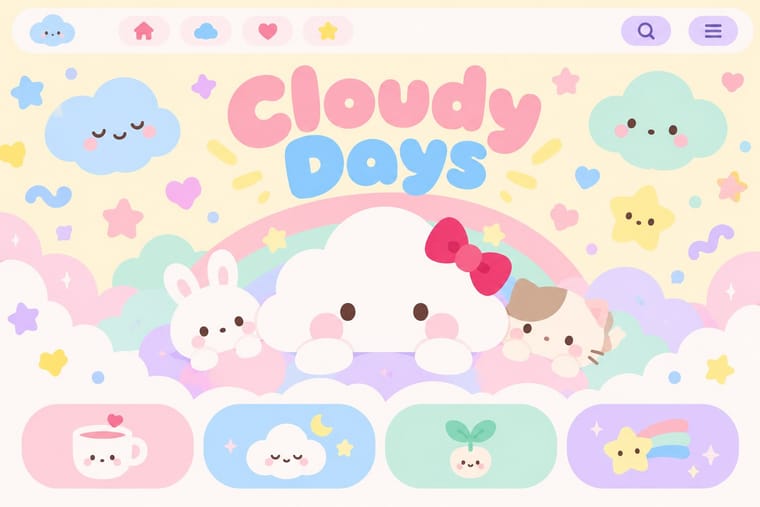
Grew out of
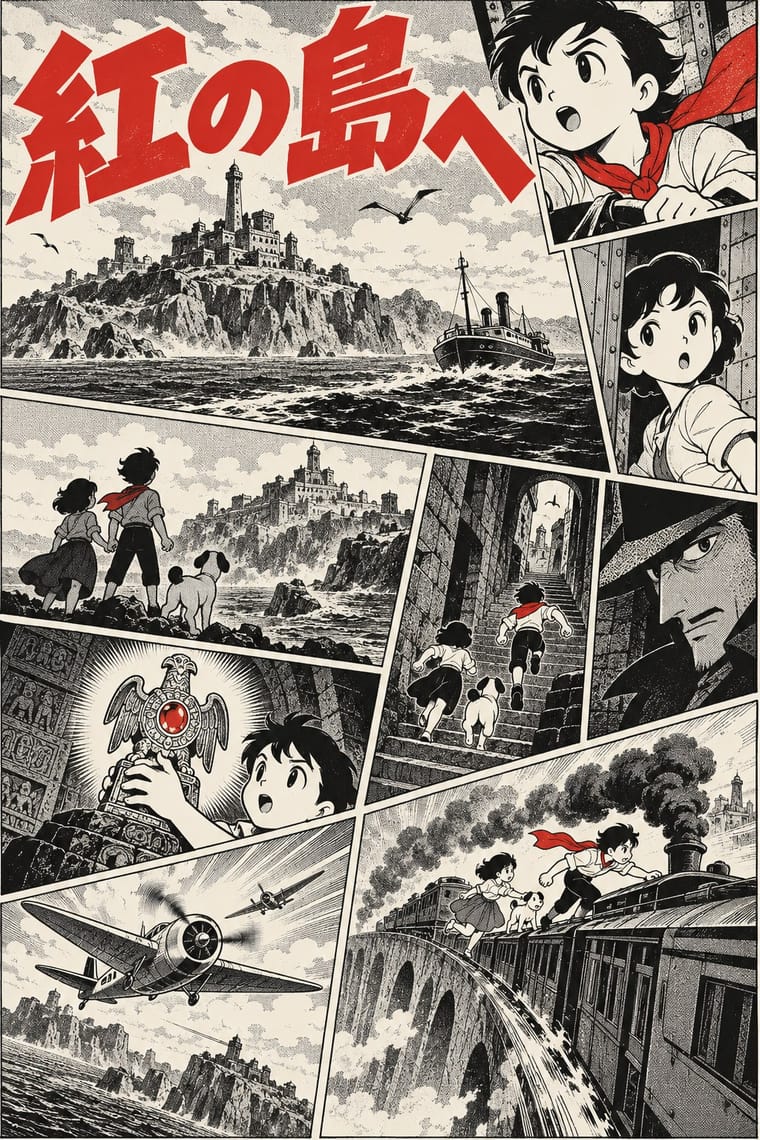
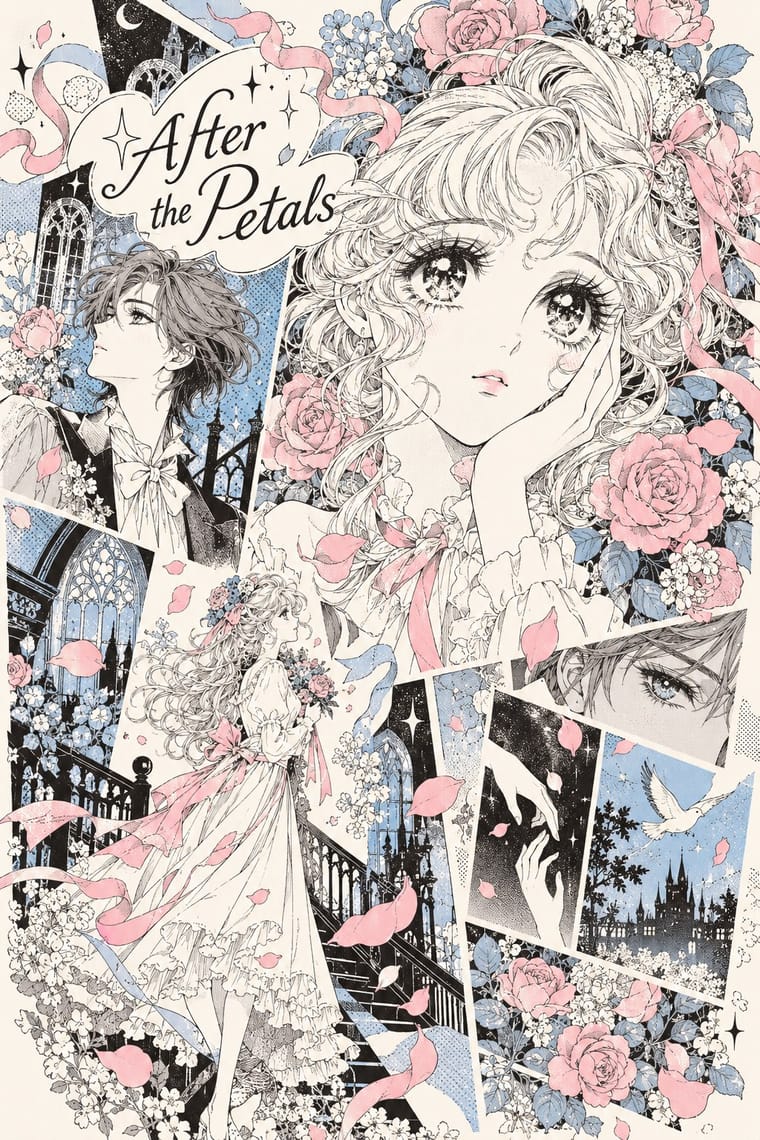
Borrowed from
Moe Character Illustration 1995–present
No later style in the atlas grew out of it yet.
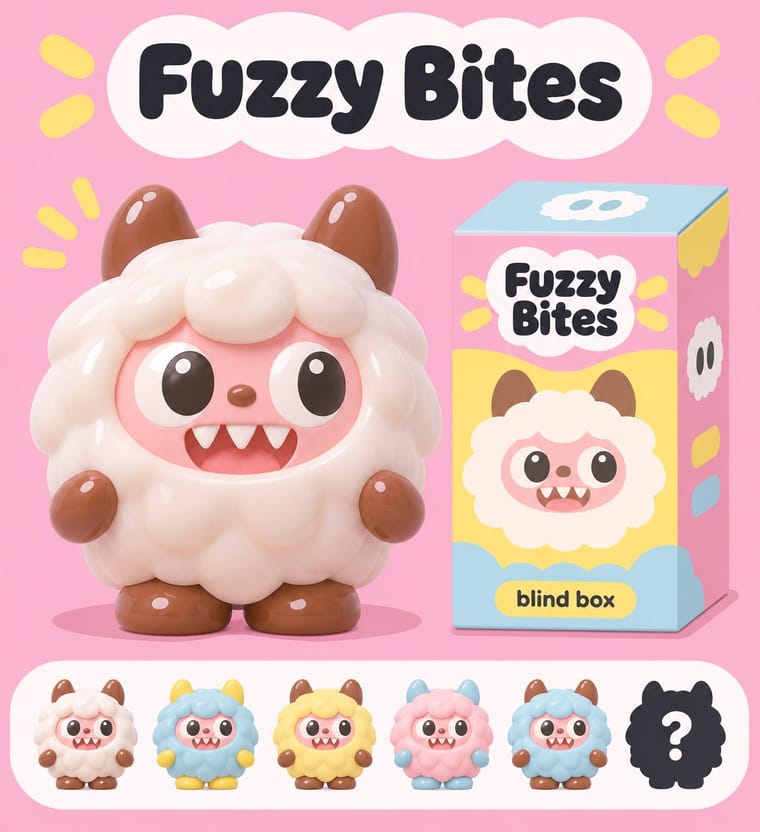
Alike in its design choices
04
Often taken for
Moe Character Illustration has no real works recorded yet, so these are its nearest styles by its choices alone, with the choices that tell them apart.
-
Blind-Box Designer Toy Packaging and Character Branding
Blind-Box Designer Toy Packaging and Character Branding is one of Moe Character Illustration’s nearest styles by choices; no real work of either fits the other better.
Choices that tell Moe Character Illustration and Blind-Box Designer Toy Packaging and Character Branding apart Choice Moe Character Illustration Blind-Box Designer Toy Packaging and Character Branding Comic & cartoon defining — Repetition & rhythm occasional defining Light ground defining occasional Flat fields — characteristic Warm & approachable defining — Both descend from Kawaii Design in the family tree.
-
Kawaii Design
Kawaii Design is one of Moe Character Illustration’s nearest styles by choices; no real work of either fits the other better.
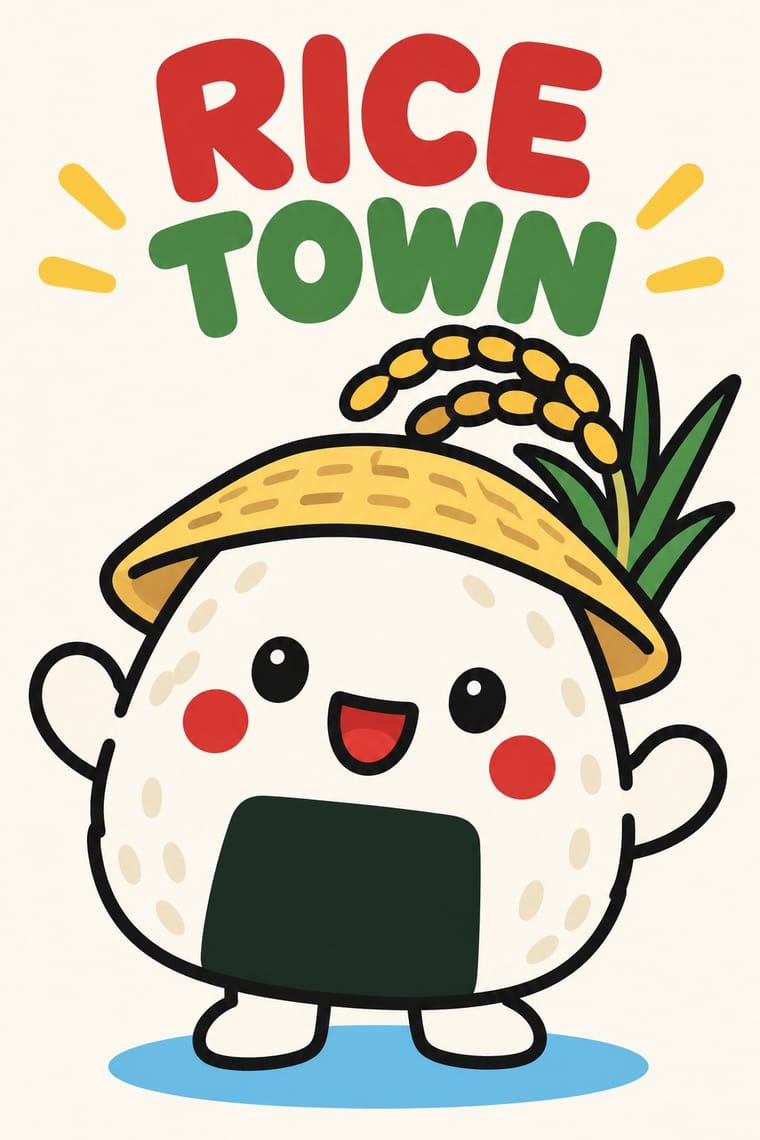
Choices that tell Moe Character Illustration and Kawaii Design apart Choice Moe Character Illustration Kawaii Design Distortion & exaggeration occasional avoids Rounded sans occasional defining Restrained accents characteristic — Flat fields — characteristic Measured density characteristic — Moe Character Illustration descends from Kawaii Design: a shared line, so the likeness is inherited.
-
Rubber-Hose Revival (Cartoon Mascot Graphics)
Rubber-Hose Revival is one of Moe Character Illustration’s nearest styles by choices; no real work of either fits the other better.
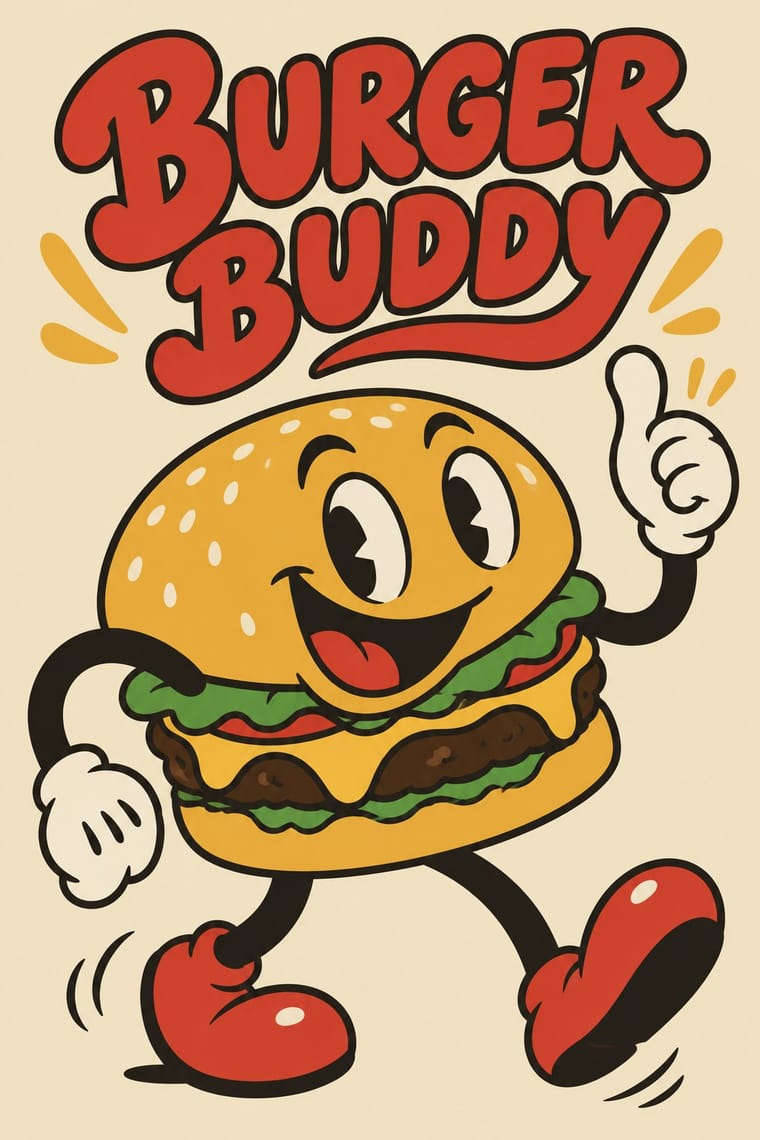
Choices that tell Moe Character Illustration and Rubber-Hose Revival apart Choice Moe Character Illustration Rubber-Hose Revival Pastel defining — Flat fields — defining Gradients occasional avoids Line illustration — defining Generous white space characteristic — No shared descent in the atlas: they reached these choices separately.
-
Yuru-chara (Japanese Local Mascot Design)
Yuru-chara is one of Moe Character Illustration’s nearest styles by choices; no real work of either fits the other better.
Choices that tell Moe Character Illustration and Yuru-chara apart Choice Moe Character Illustration Yuru-chara Pastel defining — Flat fields — defining Gradients occasional avoids Straight photography avoids occasional Measured density characteristic — Both descend from Kawaii Design in the family tree.
— means the choice isn’t among the style’s recorded choices. Critics recorded each work’s choices with the styles’ descriptions in view, so this shows whether the descriptions hold together, not proof that they are right.
05
Sources
- https://en.wikipedia.org/wiki/Moe_(slang)
- https://en.wikipedia.org/wiki/Moe_anthropomorphism
- https://en.wikipedia.org/wiki/Anime_Saimoe_Tournament
How Stylogeny researches and checks a style: where the facts come from.