Traditions & vernacular · 1970–present · Latin America & Caribbean, North America
Sonidero Dance Poster and Flyer Lettering
Also known as Sonidero graphics, Cartel sonidero, Sonidos of Mexico City, Colombia Chiquita flyers
Promotional graphics of Mexico City's sound-system crews (sonidos), who throw cumbia dances: hand-made, very typographic posters, flyers and painted walls where the crew's name is a bright stylised logo among many typefaces, with popular icons and exaggerated figures. Popular from the 1970s. Sources give no palette; the colours are only the Colombian flag hues sonidos use in symbols.
Use it with care
Sonidero culture is a living working-class community practice of Mexico City and its diaspora; the crews' names, logos and flags are their own identity, so do not borrow a real sonido's name or mark for a generic 'Latin party' look, and credit or work with the community when drawing on it. The Colombian flag in sonidero symbols is the community's own homage to cumbia's origins, not a generic Latin signal.
01
How it works
Palette
-
#f2c200 -
#0b3d91 -
#c8102e -
#101018 -
#c0c4cc
Typefaces
-
Hand-drawn logo lettering
-
Mixed display faces in many sizes
-
Painted wall lettering
- Set the crew's name as a bright, stylised logo, and repeat it on the sheet or wall.
- Use many typefaces and sizes in one sheet to give it movement, as lucha libre posters and cheap mass-printed flyers do.
- Keep the text readable at a glance, since walls are seen from fast roads.
- Add popular icons and exaggerated or fictional figures (characters, figures) that address the viewer directly.
- Hand-make it first: hand-lettered or painted, signed by its maker.
Mexico City neighbourhoods (Tepito, Peñón de los Baños, San Juan de Aragón, Tacubaya) and Mexican migrant communities in the United States, where sound-system crews (sonidos) announce cumbia, salsa and tropical dances
02
Its design choices
From Stylogeny’s vocabulary of design choices: defining choices make the style, characteristic ones are usual, occasional ones turn up now and then.
- Layout & composition
- Space & hierarchy
- Typography
- Colour
- Form & shape
- Surface & texture
- Imagery
- Medium & production
- Tone & intent
- Avoids
- Generous white space, Ornament-free, Modular grid, Grotesque & neo-grotesque, Monochrome, Rational & objective, Flat
Known for
-
Wall paintings (bardas) announcing sonidos, signed by their painters, sometimes with a phone number
-
The 'Gráfica sonidera' exhibition by El Proyecto Sonidero (2013), about 300 posters, flyers, cards, drawings and logos
-
Graphics of the sonidos named in the exhibition coverage
Sonido Fajardo, Sonido Leo La Octava Potencia and La Changa
03
Where it comes from, and what it’s close to
Grew out of
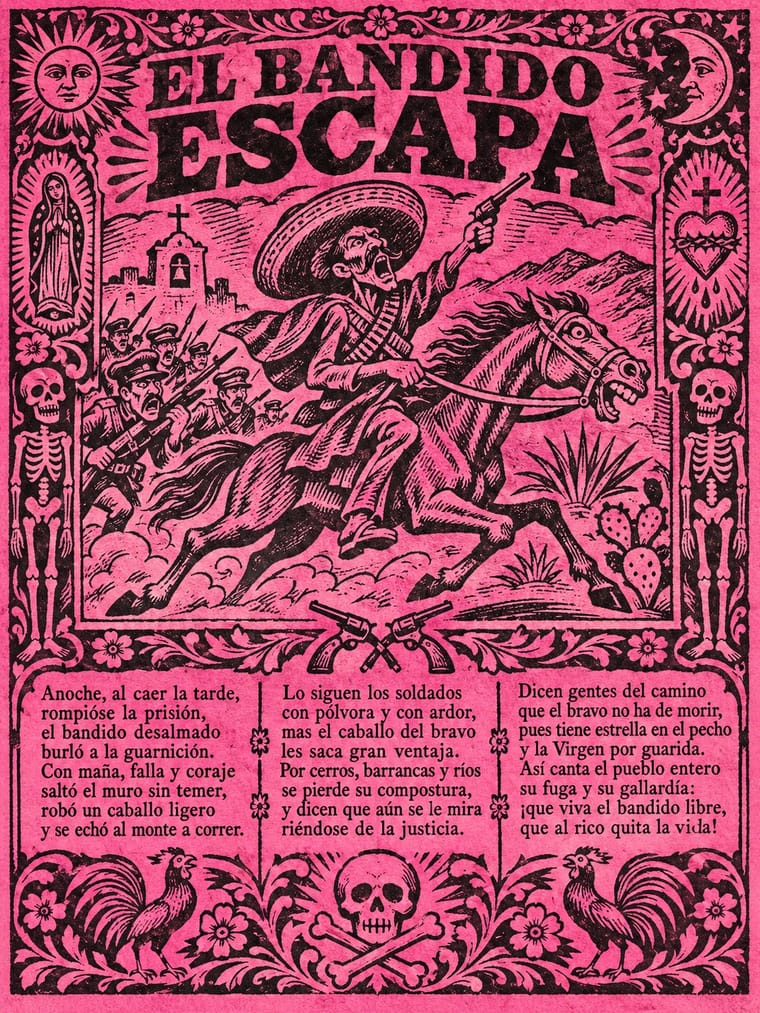
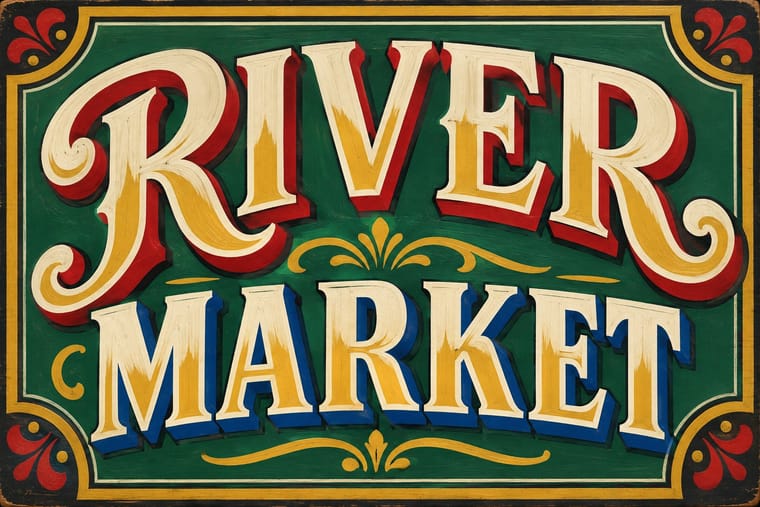
Sonidero Dance Poster and Flyer Lettering 1970–present
No later style in the atlas grew out of it yet.
Alike in its design choices

04
Often taken for
Sonidero Dance Poster and Flyer Lettering has no real works recorded yet, so these are its nearest styles by its choices alone, with the choices that tell them apart.
-
Graffiti & Hip-Hop Graphics
1 of Graffiti & Hip-Hop Graphics’s 5 real works fits Sonidero Dance Poster and Flyer Lettering’s choices better than its own: Flier for a rap battle in the Bronx designed by Buddy…
Choices that tell Sonidero Dance Poster and Flyer Lettering and Graffiti apart Choice Sonidero Dance Poster and Flyer Lettering Graffiti Eclectic mixing defining — Illusion of depth occasional defining Collage & layering characteristic — Complementary clash — characteristic Layered information characteristic — No shared descent in the atlas: they reached these choices separately.
-
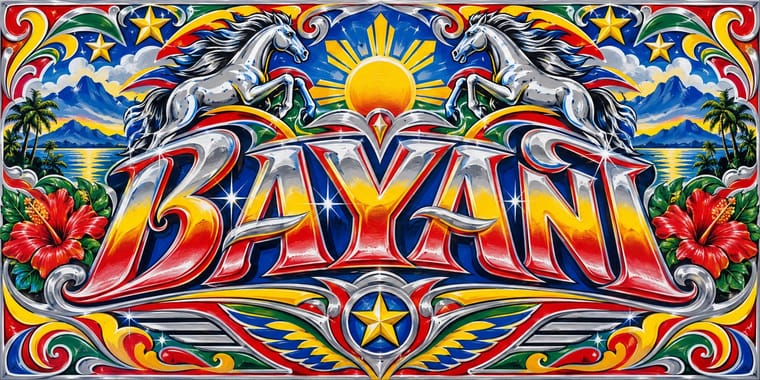
Jeepney Art
Jeepney Art is one of Sonidero Dance Poster and Flyer Lettering’s nearest styles by choices; no real work of either fits the other better.
Choices that tell Sonidero Dance Poster and Flyer Lettering and Jeepney Art apart Choice Sonidero Dance Poster and Flyer Lettering Jeepney Art Layered information characteristic — Comic & cartoon — characteristic Extreme scale contrast characteristic — Painterly illustration — characteristic Single focal point characteristic — No shared descent in the atlas: they reached these choices separately.
-
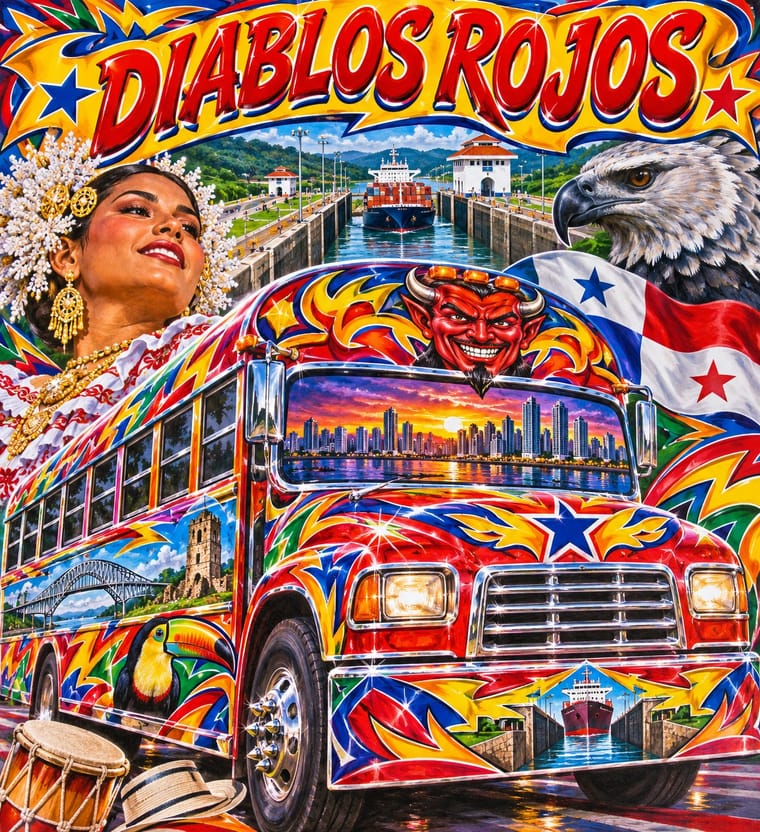
Panamanian Painted Buses (Diablos Rojos) and Their Central American Kin
Panamanian Painted Buses and Their Central American Kin is one of Sonidero Dance Poster and Flyer Lettering’s nearest styles by choices; no real work of either fits the other better.
Choices that tell Sonidero Dance Poster and Flyer Lettering and Panamanian Painted Buses and Their Central American Kin apart Choice Sonidero Dance Poster and Flyer Lettering Panamanian Painted Buses and Their Central American Kin Collage & layering characteristic — Naturalistic depiction — defining Hard offset shadow characteristic — Painterly illustration — defining Type as image characteristic — No shared descent in the atlas: they reached these choices separately.
-
Mexican Rótulos (Hand-Painted Shop Lettering)
Mexican Rótulos is one of Sonidero Dance Poster and Flyer Lettering’s nearest styles by choices; no real work of either fits the other better.
Choices that tell Sonidero Dance Poster and Flyer Lettering and Mexican Rótulos apart Choice Sonidero Dance Poster and Flyer Lettering Mexican Rótulos Single focal point characteristic avoids Complementary clash — characteristic Gradients characteristic — Flat fields — characteristic Collage & layering characteristic — No shared descent in the atlas: they reached these choices separately.
— means the choice isn’t among the style’s recorded choices. Critics recorded each work’s choices with the styles’ descriptions in view, so this shows whether the descriptions hold together, not proof that they are right.
05
Sources
- https://en.wikipedia.org/wiki/Sonidero
- https://es.wikipedia.org/wiki/Sonidero
- https://coolhuntermx.com/la-grafica-del-sonidero-rotulismo-diseno-popular-mexicano/
1 more source
How Stylogeny researches and checks a style: where the facts come from.