Traditions & vernacular · c. 1200–1350 · Middle East & North Africa
Baghdad School of Arab Book Painting (Maqamat Illustration)
Also known as Mesopotamian school, Arab school of book painting, Schefer Hariri style, Maqāmāt miniatures
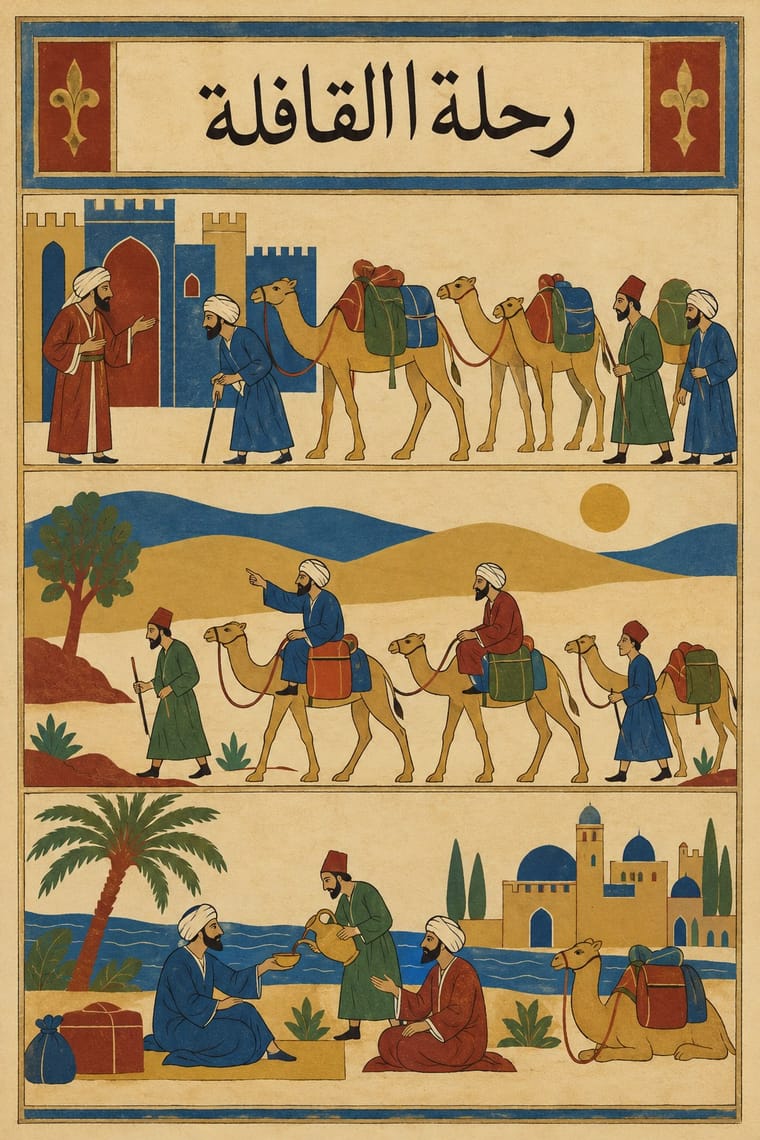
Illustrated copies of al-Hariri's satirical Maqamat made in Iraq, Syria and Egypt from about 1200 to the 1330s. Small framed miniatures, many touched with gold, interrupt the red and black Arabic text and show everyday urban scenes, with costume marking each figure's social type. A secular, comic, figural book art. Caution: the name 'Baghdad school' is a convenience; the BnF calls the Schefer Hariri 'Mesopotamian' and a Baghdad origin is conjectural. The costume and skin-tone coding of servants reflects period social hierarchy and should not be reproduced uncritically.
Make something in this style Get advice in this style Mix it with another style
01
How it works
- Set small framed miniatures into the text block so each scene sits beside the episode it illustrates.
- Make figures the subject and mark their social type through costume and headwear, such as the sharbush hat for officials and turbans for judges and merchants.
- Keep the staging simple and literal, with the figures as the carrier of the scene.
- Use gold accents on the miniatures, and keep the Arabic text in disciplined red and black ink.
- Repeat compositional types, such as the ruler seated cross-legged on a throne, so readers recognise scenes at once.
- Treat period depictions of servants, including darker skin tones marking low status, as evidence of historical hierarchy, not as a model to copy uncritically.
Iraq, Syria and Egypt: illustrated copies of al-Hariri's Maqamat. The best known is the Schefer Hariri (BnF Arabe 5847, copied 1237 by Yahya ibn Mahmud al-Wasiti), which the BnF labels 'Mesopotamian'; a Baghdad origin is conjectural.
02
Its design choices
From Stylogeny’s vocabulary of design choices: defining choices make the style, characteristic ones are usual, occasional ones turn up now and then.
- Layout & composition
- Space & hierarchy
- Typography
- Colour
- Form & shape
- Surface & texture
- Imagery
- Medium & production
- Tone & intent
- Avoids
- Illusion of depth, Abundant decoration, Straight photography, Naturalistic depiction, Grotesque & neo-grotesque, Fluorescent & neon, Gradients
Palette
-
#e8d9b5 -
#8c2f1f -
#1b1b1b -
#2f5d7c -
#c8a23a -
#4a6b3f
Typefaces
-
Arabic naskh book hand
-
Arabic display headings in thuluth-style script
Known for
-
Maqamat al-Hariri, copied and illustrated by Yahya ibn Mahmud al-Wasiti (1237), BnF Arabe 5847 (Schefer Hariri), 99 miniatures
-
Maqamat al-Hariri, BnF Arabe 6094 (1222), earliest securely dated illustrated copy
-
Maqamat al-Hariri, BnF Arabe 3929 (c. 1200-1210), probably made in Amid
-
Maqamat al-Hariri, British Library Or. 1200 (1256), artist Umar ibn Ali ibn al-Mubarak al-Mawsili of Mosul
-
Maqamat al-Hariri, Vienna AF9 (1334), Mamluk Egypt or Syria
03
Make something in this style
Say what you need, and Stylogeny’s image studio draws it from Baghdad School of Arab Book Painting (Maqamat Illustration)’s design choices and checks it against them. It takes about a minute, and you get a link to share.
04
Where it comes from, and what it’s close to
Before it
The style it grew out of, and the styles it borrowed from.
Nothing earlier is recorded: in the atlas it is a starting point.
After it
The styles that grew out of it.
No later style in the atlas grew out of it yet.
Alike in its design choices
Styles that make many of the same choices, related or not, besides those above.
-
-
-
-
- Ethiopian Ge'ez Manuscript & Haräg Illumination 60% alike
- Persian Popular Narrative (Lithographs & Coffeehouse Painting) 59% alike
05
Often taken for
Baghdad School of Arab Book Painting has no real works recorded yet, so these are its nearest styles by its choices alone, with the choices that tell them apart.
-
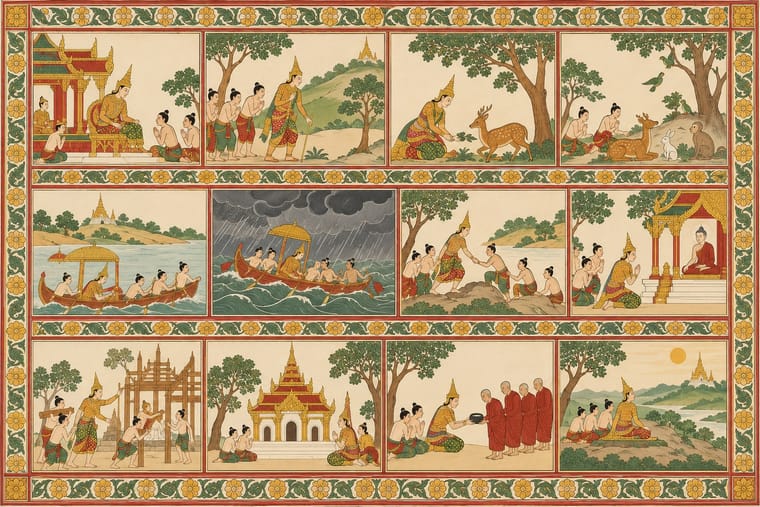
Burmese Parabaik Painting (Konbaung Folding Books)
Burmese Parabaik Painting is one of Baghdad School of Arab Book Painting’s nearest styles by choices; no real work of either fits the other better.
Choices that tell Baghdad School of Arab Book Painting and Burmese Parabaik Painting apart Choice Baghdad School of Arab Book Painting Burmese Parabaik Painting Flat defining occasional Illusion of depth avoids characteristic Limited spot colours characteristic — Naturalistic depiction avoids occasional Classical text block characteristic — No shared descent in the atlas: they reached these choices separately.
-
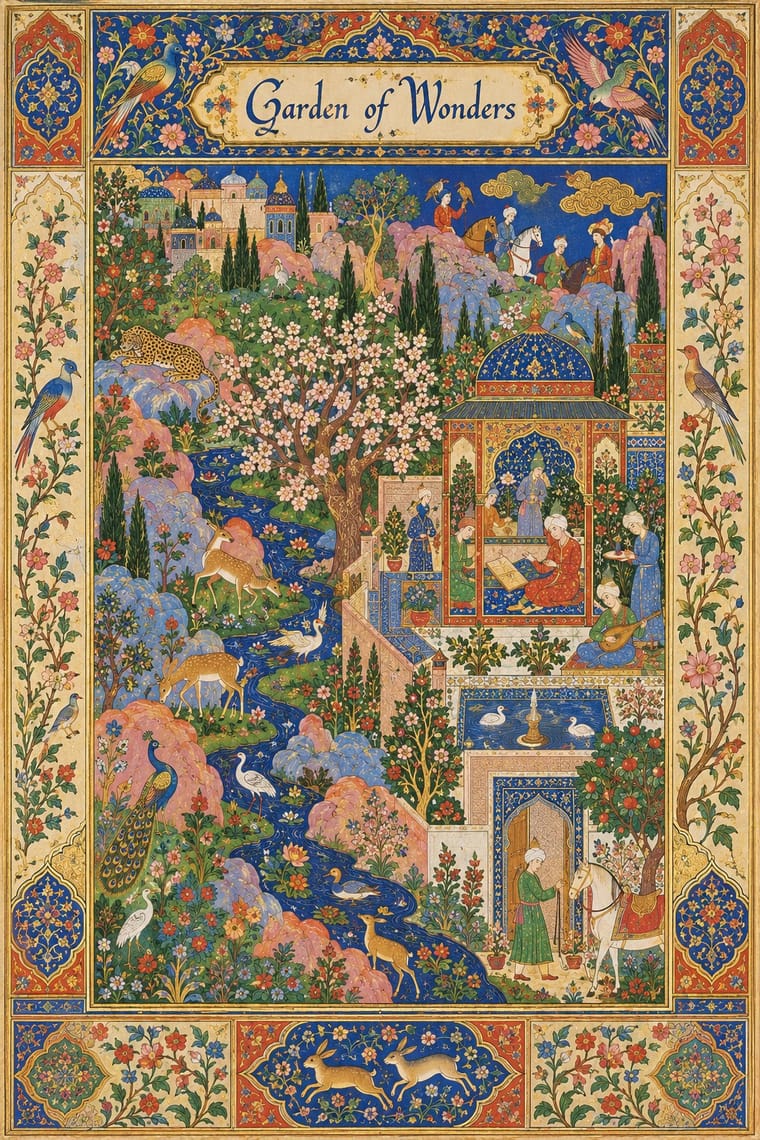
Persian Miniature (Ilkhanid, Timurid and Safavid Book Painting)
Persian Miniature is one of Baghdad School of Arab Book Painting’s nearest styles by choices; no real work of either fits the other better.
Choices that tell Baghdad School of Arab Book Painting and Persian Miniature apart Choice Baghdad School of Arab Book Painting Persian Miniature Limited spot colours characteristic — Abundant decoration avoids defining Classical text block characteristic — Floral & vegetal — defining Restrained accents characteristic — No shared descent in the atlas: they reached these choices separately.
-
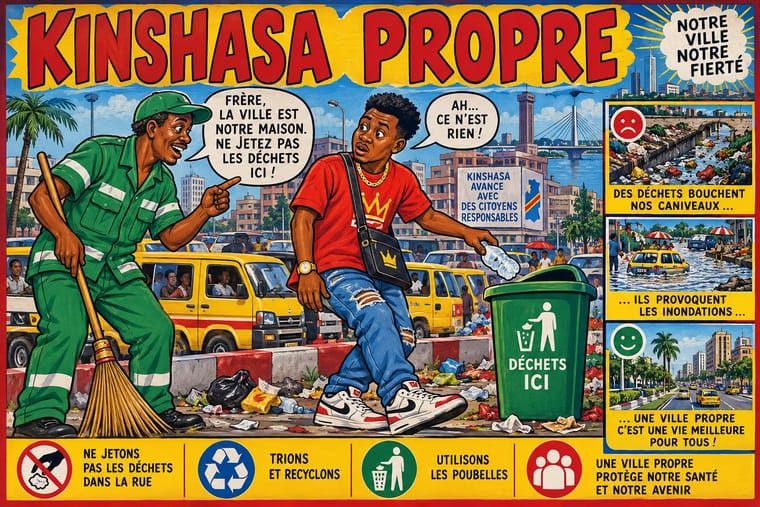
Kinshasa Popular Painting
Kinshasa Popular Painting is one of Baghdad School of Arab Book Painting’s nearest styles by choices; no real work of either fits the other better.
Choices that tell Baghdad School of Arab Book Painting and Kinshasa Popular Painting apart Choice Baghdad School of Arab Book Painting Kinshasa Popular Painting Brush & pen calligraphy defining — Comic & cartoon — defining Sequential narrative defining occasional Hand-lettering — defining Jewel & metallic characteristic — No shared descent in the atlas: they reached these choices separately.
-
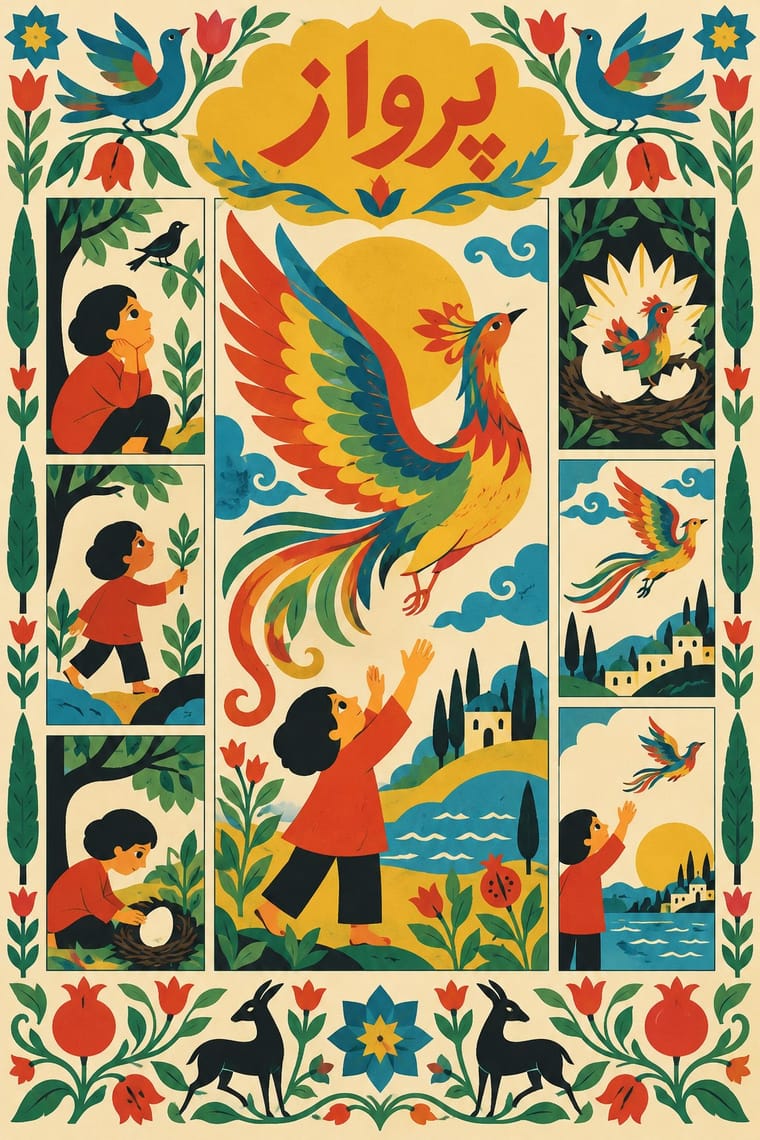
Kanoon Children's Book Illustration (Iran, 1965 to 1979)
Kanoon Children's Book Illustration is one of Baghdad School of Arab Book Painting’s nearest styles by choices; no real work of either fits the other better.
Choices that tell Baghdad School of Arab Book Painting and Kanoon Children's Book Illustration apart Choice Baghdad School of Arab Book Painting Kanoon Children's Book Illustration Painterly illustration defining occasional Folk & sacred symbols — defining Limited spot colours characteristic — Hand-lettering — defining Classical text block characteristic — No shared descent in the atlas: they reached these choices separately.
— means the choice isn’t among the style’s recorded choices. Critics recorded each work’s choices with the styles’ descriptions in view, so this shows whether the descriptions hold together, not proof that they are right.
06
Combine it with
Styles Baghdad School of Arab Book Painting (Maqamat Illustration) pairs well with or plays against, from the research. Each is worked out as a combination: which style gives the type, the colours and the forms.
- Islamic Geometric & Calligraphic Tradition Contrasts · Non-figural Islamic art is the contrast: this style puts people and satire where geometry would be. No descent is implied.
- Persian Miniature (Ilkhanid, Timurid and Safavid Book Painting) Pairs well · Both are figural book painting; borrow the Persian jewel palette and panel framing, but keep the Arab school's plainer, documentary social types.
- Egyptian Painted Film Poster Pairs well · Both stage popular comic or melodramatic scenes in painted figures; the book scale gives the earlier, quieter version.
07
Sources
- https://en.wikipedia.org/wiki/Maqamat_al-Hariri
- Bibliothèque nationale de France, Département des manuscrits, Arabe 5847 (catalogue label 'Mesopotamian')
How Stylogeny researches and checks a style: where the facts come from.