Effect · Print and reproduction
Halftone
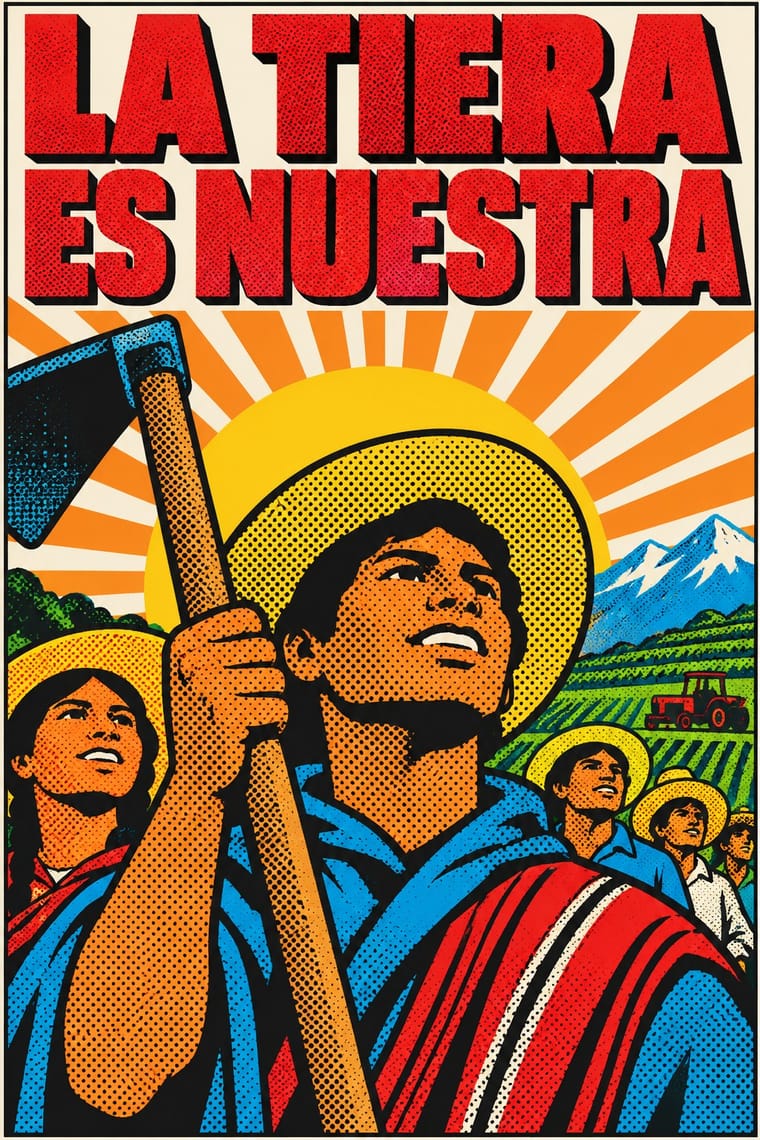
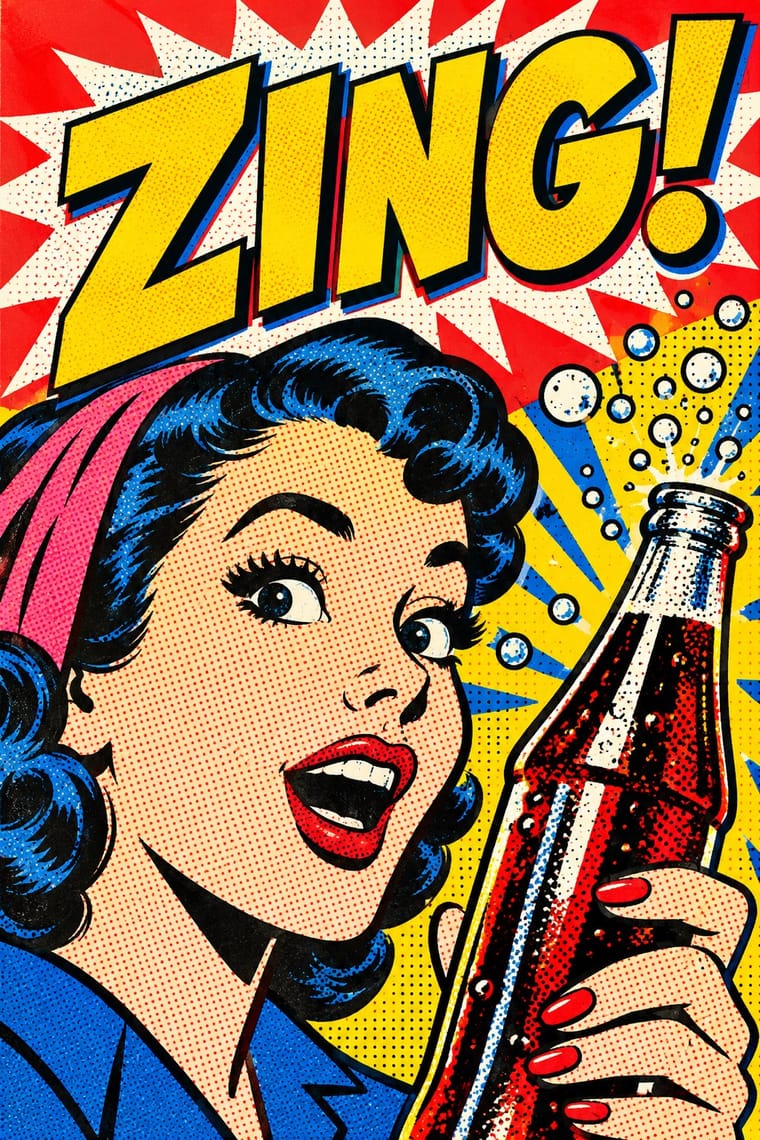
A picture broken into dots of one ink that grow and shrink to make lighter and darker tones.
Also called halftone dots, dot screen, halftone screen, newsprint dots or halftone pattern.
- styles use it
- 27
- as a signature
- 9
- pictures
- 1
Halftone, worn by a style
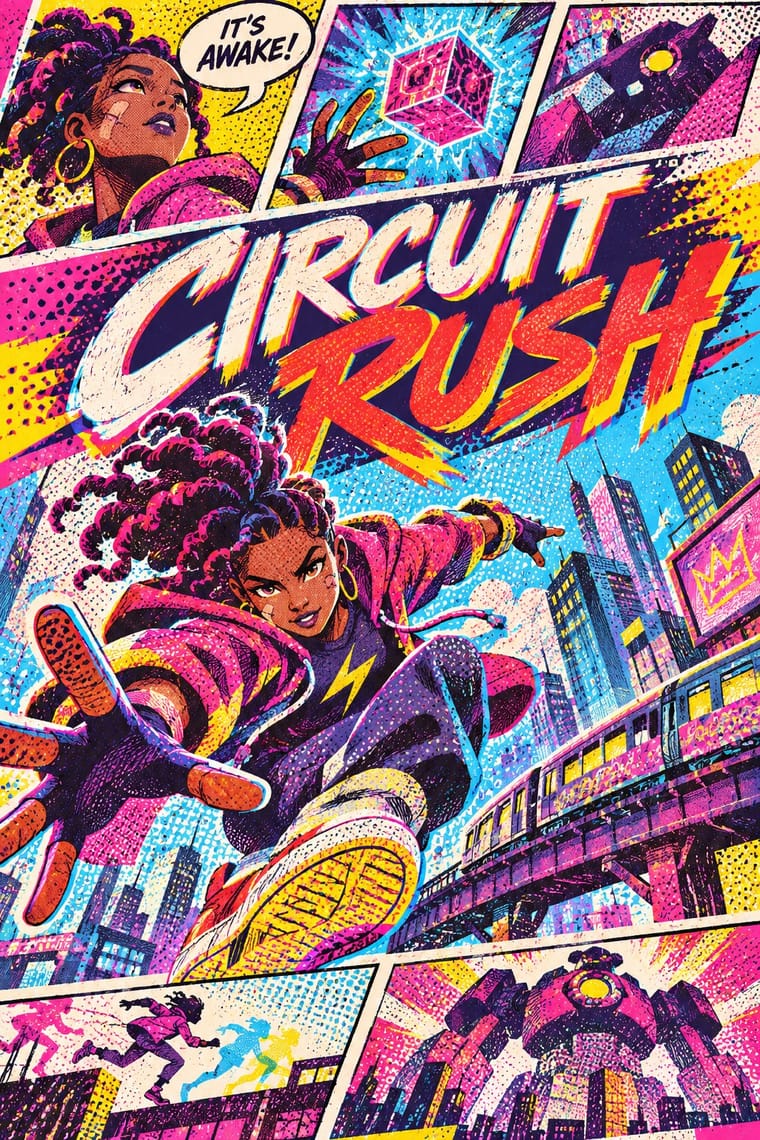
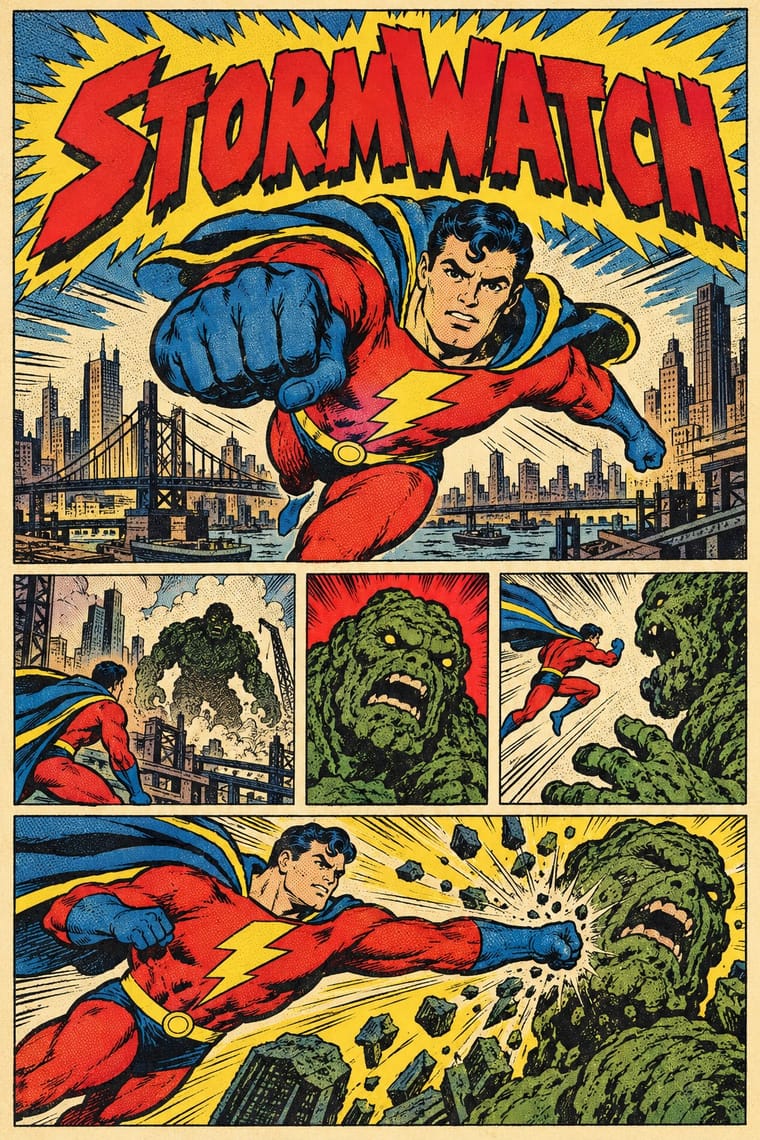
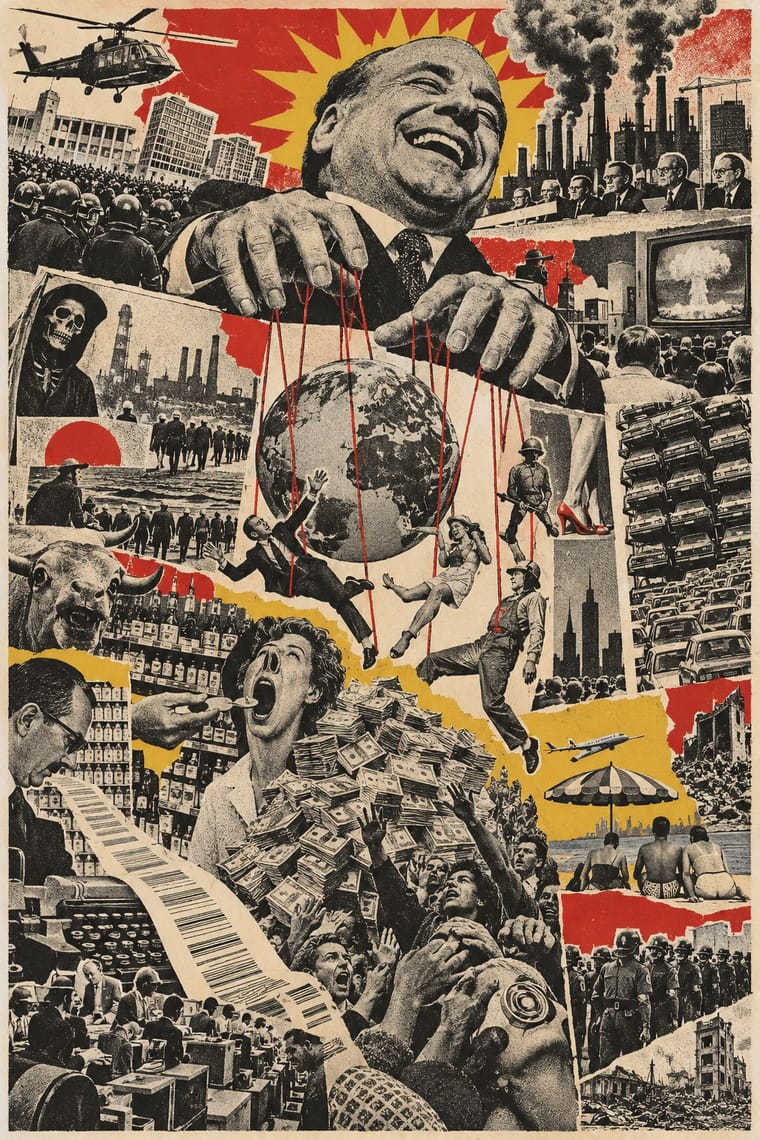
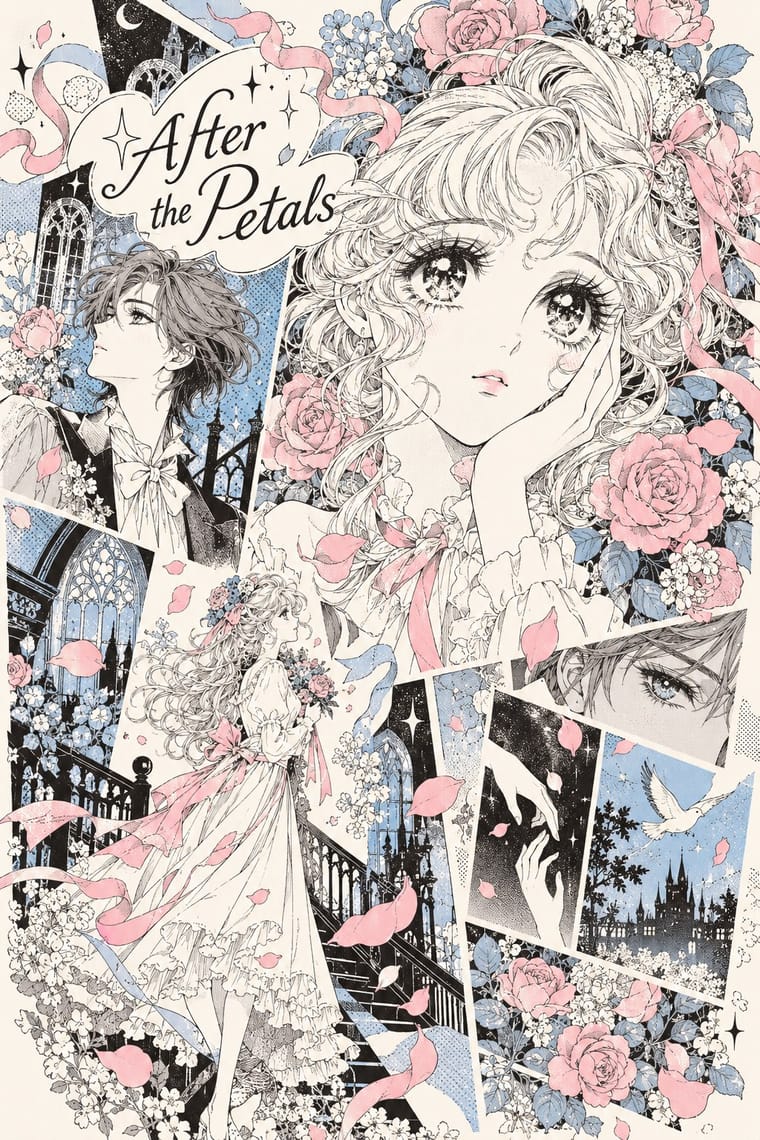
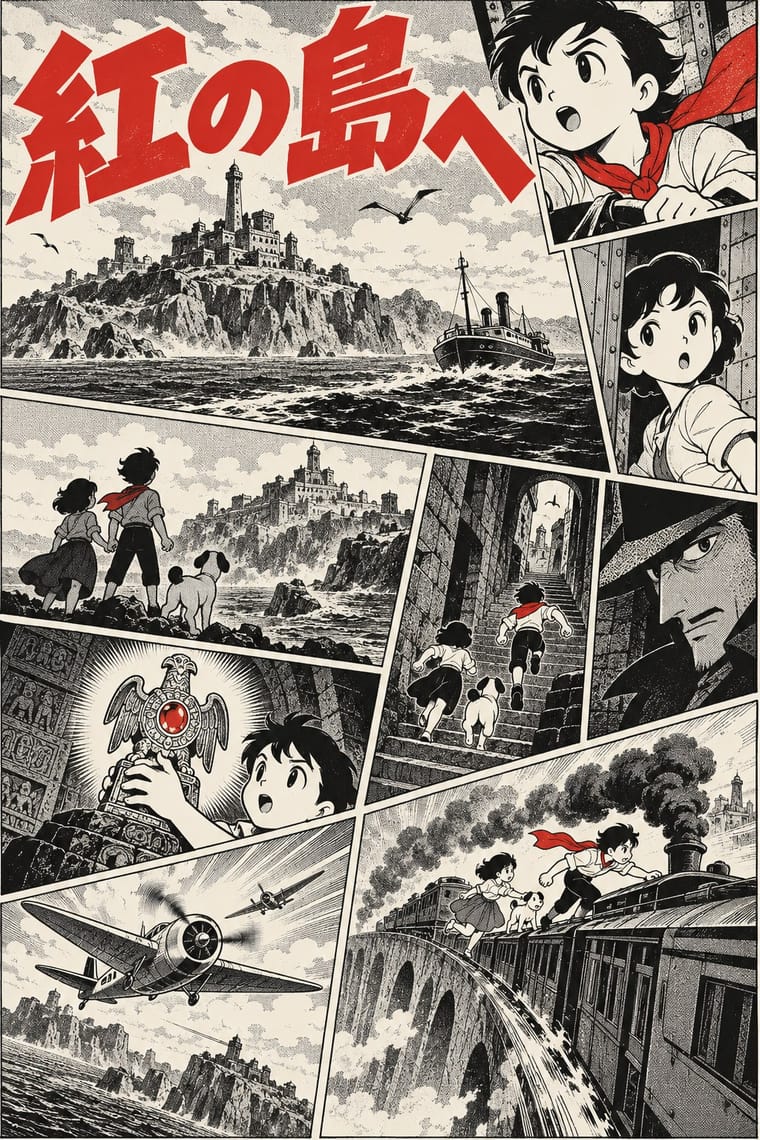
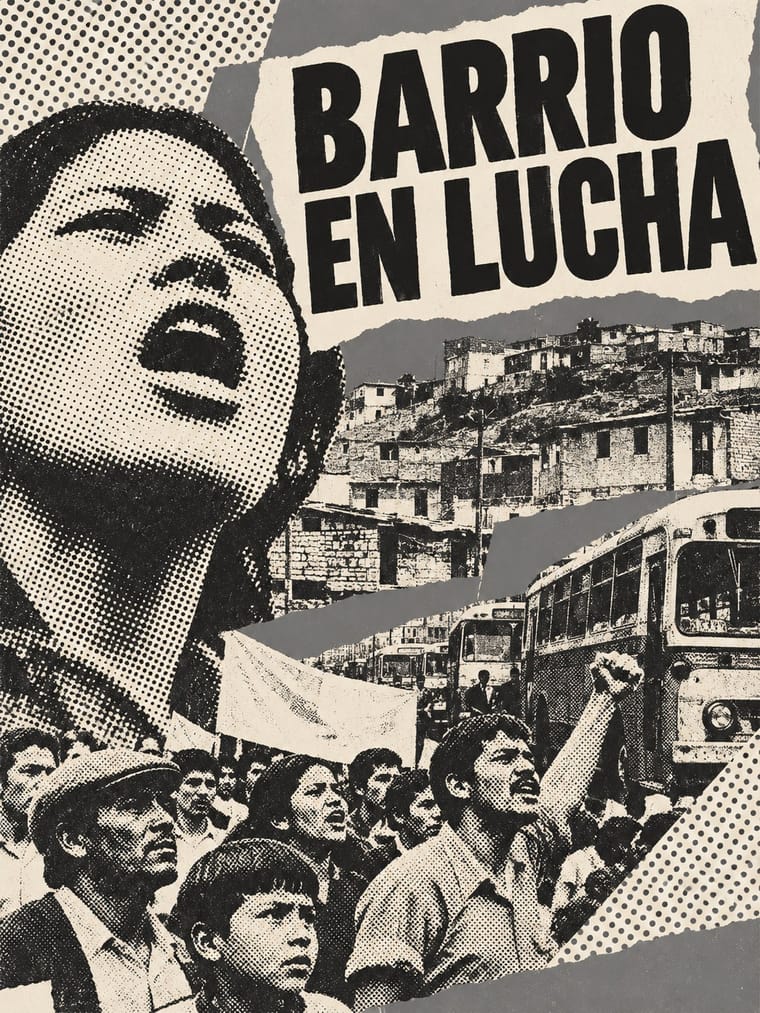
Each picture is a style from the atlas with this effect laid over it. All are AI-generated: none is a real or historical work.
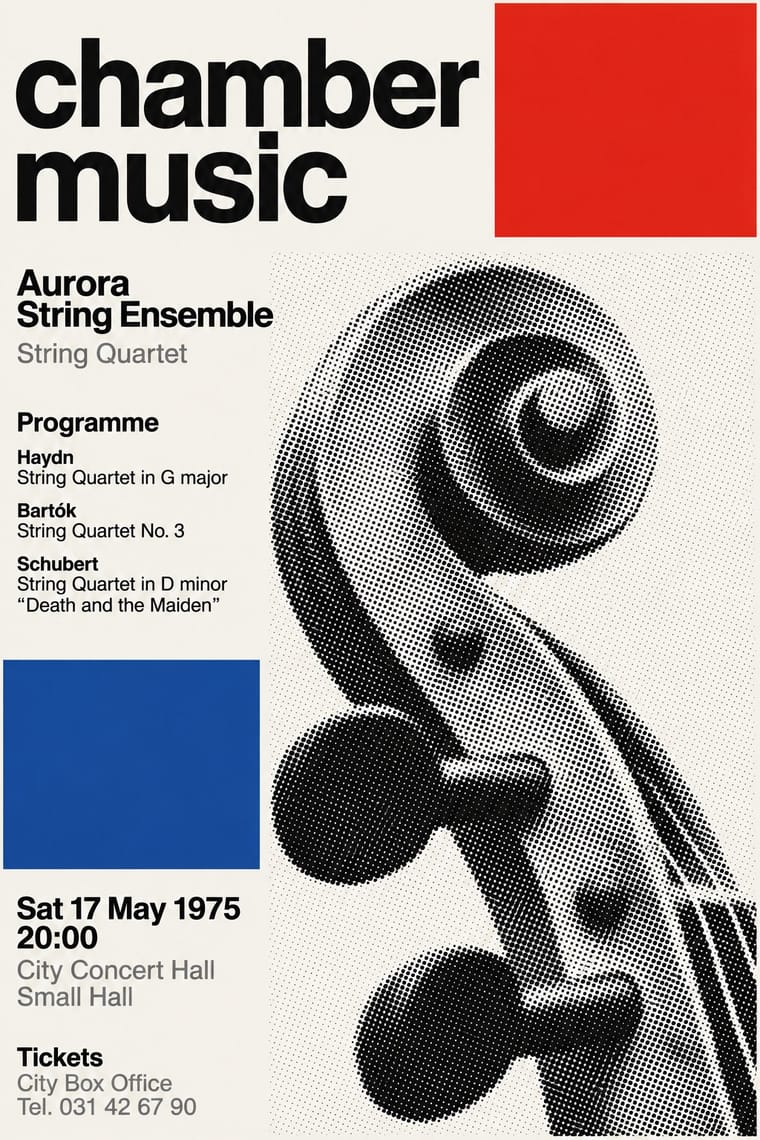
What it is
Photographic halftone printing: Georg Meisenbach patented a screen process in 1882 and Frederic Ives developed the crossed-line screen in the 1880s. It printed newspaper photographs for a century.
Ben-Day dots are one even size in flat areas; a halftone’s dots change size with the tone.
It shows up as these design choices: halftone & ben-day dots and treated photography.
Make it
In code, free in your browser, with no image model: Shape halftone generator or New wave generator, with the halftone finish on Morphogeny, Stylogeny’s sister site.
Styles known for it 9
It is hard to show these styles at their best without it.
-
-
- Black Panther Party Graphics The visual language of the Black Panther Party, created largely by its Minister of Culture, Emory Douglas, for the weekly newspaper The Black Panther.
-
-
-
-
-
-
Styles that often use it 18
Usual in these styles, though not what defines them.
- Australian Poster Collective Screenprints 1971–1994
- Cairo Interwar Photo-Illustrated Magazine Design 1929–1939
- Drum Magazine & Sophiatown Photojournalism 1951–1965
- Estridentismo (Stridentist) Graphics 1921–1927
- Hauntology & Ghost Box Design 2004–present
- Industrial Americana (CSA Commercial-Vernacular Revival) 1988–present
- Mexican Historieta (Pepines to Sensacionales) 1934–present
- Onitsha Market Pamphlets 1947–1980
- Punk & DIY Zine 1976–1986
- Risograph & Indie Print Culture 2008–present
- Screenprinted Gig & Alt-Movie Poster 1991–present
- Showa and Heisei Retro Revival (Japanese Packaging and Kissaten Graphics) 2005–present
- Situationist Détournement Graphics 1956–1972
- Sivakasi Firecracker & Matchbox Label Art 1923–present
- Swiss Optical Image–Type Cultural Poster 1998–present
- Swiss Punk / New Wave Typography 1968–1990
- Syrian Revolution Graphics (Kafranbel Banners & Poster Collectives) 2011–2024
- Vicente Rojo & Mexican Editorial Modernism 1953–1990
How they use it
- Spider-Verse Comic-Print 3D Hybrid signature Visible dot screens carry tone on rendered characters and environments instead of smooth photographic shading.
Other effects in print and reproduction
- Ben-Day dots 0
- Riso grain 3
- Misregistration 13
- Photocopy 15
- Typewritten carbon copy 0
- Duotone 1
- Cyanotype and blueprint 0
- Grain and noise 44
- All 41 effects
Stylogeny describes 702 styles by their design choices; effects are the finishes they share.