One of our own styles · made in 2026
Old Shadows
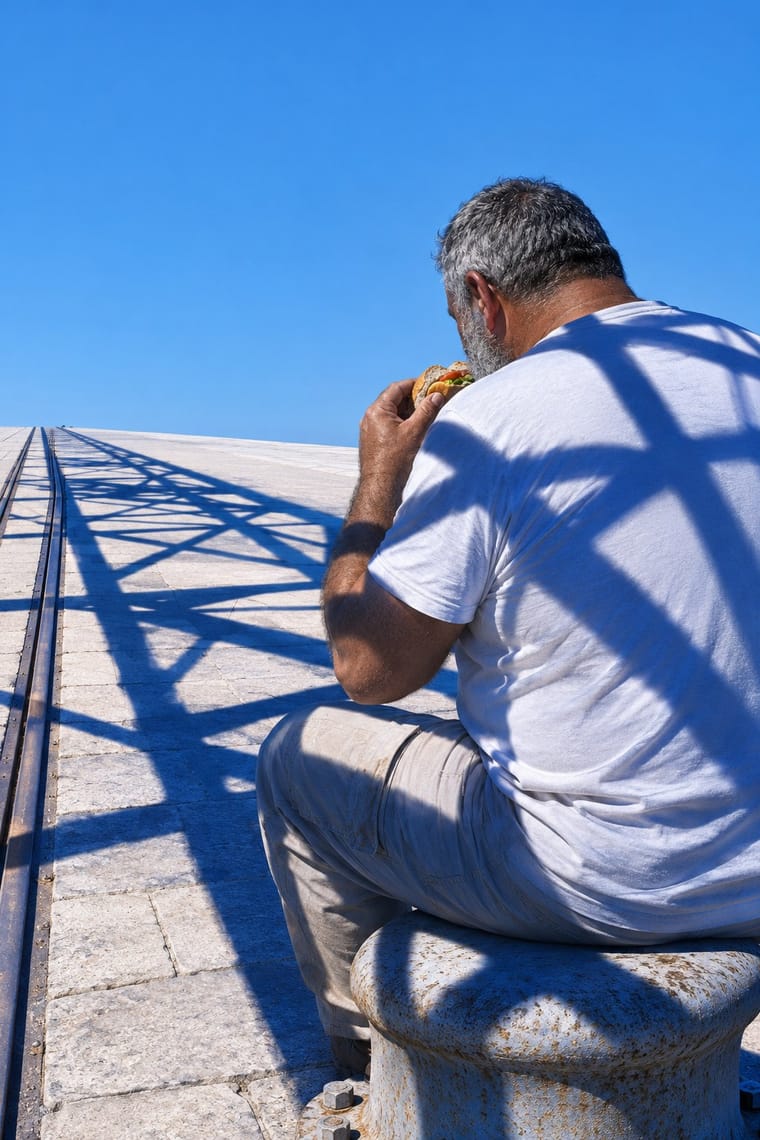
A port city today on a hot, cloudless afternoon, crossed by the sharp shadows of things it pulled down long ago: a market hall's arched windows laid across a Saturday market, gabled houses on the white wall of the block that replaced them, a crane's lattice over a dock worker at lunch. The things are gone, and people sit and work in their shade as in any shade. Chalk white in the sun, every shadow cobalt blue. For posters and campaigns about a place's past.
Make something in this style Get advice in this style Mix it with another style
Use it with care
Its lost things were pulled down to make room for the new, and every scene is a calm, well-kept place of today: never use it for war, disaster, a death or a holy place destroyed, and only things that were built or grew leave old shadows, never people or animals. Name and show no real city, building, brand or person. Its pictures are made by an image model: label them as generated and never pass one off as a real photograph.
01
More pictures in this style
3 pictures, AI-generated from its design choices: none is a real or historical work.
1 of 2
Try other colours
Change a colour and every picture on this page follows. It happens in your browser, from the same pictures: nothing new is made or saved.
Choose a colour to change it
-
#f5f7fa -
#e4dccd -
#3c9be8 -
#2346c0 -
#13205e
A faded colour isn’t in these pictures, so changing it changes nothing.
Light and dark stay where they are; greys hardly move.
More colours: any style’s, or your own
The pictures show the style’s own colours.
02
Make something in this style
Say what you need, and Stylogeny’s image studio draws it from Old Shadows’s design choices and checks it against them. It takes about a minute, and you get a link to share.
03
How it works
Palette
-
#f5f7faground · 17% -
#e4dccdaccent · 15% -
#3c9be8accent · 21% -
#2346c0accent · 18% -
#13205eink · 12%
Shares measured from its 4 pictures. The ground is what the pictures sit on (of the colours covering most, the most neutral), the ink stands out from it most, the rest are accents.
Typefaces
-
Founders Grotesk
-
A plain grotesque set small in the open sky where the lost thing stood, one calm line saying what stood there
Who is in it. Grown women and men of today, from twenty to eighty, of every build, skin and background, in light summer clothes of white, cream, sand or pale grey, calm and capable at whatever the scene names. A scene has only the figures it names, and a scene that names nobody has nobody in it.
Direction
- What it says
- The things a city pulled down still cast their shadows where they stood, and people sit and work in that shade as in any other.
- Performance
- People go on with the one task the scene names, at ease in the cool of the shade on a hot day, eyes open on what they do. They never look up at the empty sky, follow the shadow with their eyes, point at it or look at us.
- Set
- Only the one ordinary place of today the scene names, its sunlit surfaces pale, tidy, bare of signs and in use; where the lost thing stood there is only the plain trace the scene names, and nothing is added.
- Light
- Hard sun from a cloudless sky, a third of the way up the sky and to one side of the camera, never behind it or in the frame; the sun is white, not golden, and every shadow is long, sharp-edged and filled with deep cobalt blue, the lost thing’s shadow the largest of them.
- Camera
- A 35 mm lens at the height and distance the shot names, held level in a wide, a medium or a close and tipped down only to the ground in a detail, with the sun to one side so that shadows fall across the frame, everything sharp from front to back. Never a drone or rooftop view, a tilted horizon or a fisheye.
- Frame
- In a wide or a medium the spot where the lost thing stood sits to one side with open sky above it, and its shadow crosses the rest of the frame; in a close or a detail its pattern or its start at the trace fills the frame.
- Moment
- A still, hot afternoon, the shadows long and sharp, the people in the old shade mid-task; never the shadow moving, fading or just appearing.
- Finish
- A clean, crisp, straight colour photograph of today in two colours: chalk white and pale stone in the sun under a cerulean sky, deep cobalt blue in every shade, with skin and the things the scene names the only other colours, cooled and darkened in the shade. No haze, glow, lens flare, sepia or old-photograph tint.
- A set of pictures
- One wide of a place with the empty spot and the whole shadow, one medium of two people under a wall it climbs, one close from behind a person in its pattern, one detail of the trace where it starts; spares a medium along a street and a wide of an empty square; each a different lost thing and place.
- Never
- The lost thing never appears, whole, in part or reflected in glass; nothing is broken or unfinished; nobody points, looks up or reacts; no lettering.
- Every picture shows an ordinary place of today on a hot, cloudless afternoon, crossed by the sharp shadow of the one thing the scene names that was pulled down there long ago. That thing is gone and nothing of it stands in the picture: where it stood there is only the plain trace the scene names and nothing stands above it, and its shadow starts exactly there and runs away from the sun across the ground, over whatever lies in its path and up any wall it meets, in the whole shape of the thing, with sunlight showing through wherever the thing was open.
- The old shadow is real shade, cast by the same sun as everything else: it falls in the same direction, with the same hard edge and the same colour as the shadows of the people and things in the picture, and it lies over whatever stands in it, people too, bending over each thing as shade does. Glass in the picture reflects only sky. People use it as any shade on a hot day, calm and capable, eyes open on what they do, and nobody looks up at the empty sky, points at the shadow or looks at us.
- Two colours: the place in the sun is chalk white and pale stone under a clear cerulean sky, and every shade, the lost thing’s and the people’s own, is a deep, clear cobalt blue, never grey, black or violet; nothing in the picture is painted or dressed in that blue, and only skin and the things the scene names keep their own colour, which the shade over them cools and darkens. The sun is white, not golden. It is a clean, crisp, straight colour photograph of today, sharp from front to back, with no haze, glow, lens flare, sepia or old-photograph tint.
- From across the street a picture reads as a bright, calm photograph of a hot day with one big blue shadow in it; the second look finds that nothing stands where the shadow begins. Hold everything else back, props, colour and drama, so the shadow is the only event.
- Scenes vary in the lost thing, the place and the distance: a market hall's arched windows over a market square, a row of gabled houses on a new wall, a harbour crane's lattice on a quay, a tree's trunk from a stump in a pavement, tram wires and poles along a street, a clock tower's point across a square; a wide with the empty spot and the whole shadow, people in its shade, a person in its pattern, the trace where it starts.
- For a client, use it where a place’s past is the offer: a city’s anniversary, a museum, a heritage walk, a developer who kept the old name, a café on an old spot. Any words go beside the picture, not on it, and they can say what stood there.
A studio style: made by Stylogeny, not a documented movement.
With an idea put on it
-
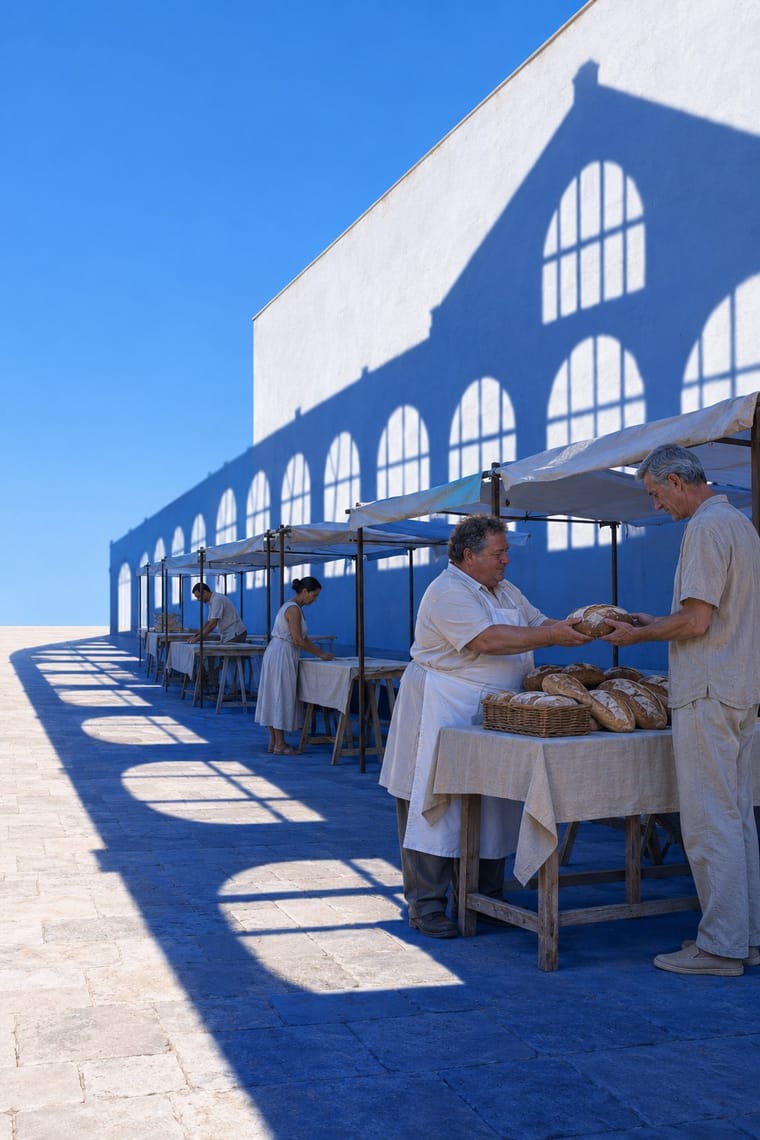
Impossible scene Where the market hall stood there is only paving and sky, yet the market still trades in its shade, so the hall is there only as the shade it gives.
AI-generated: Old Shadows with an idea put on it. Not a real or historical work.
Change it with an idea. Any of the 73 moves that make a design say something can go on this style.
04
Its design choices
From Stylogeny’s vocabulary of design choices: defining choices make the style, characteristic ones are usual, occasional ones turn up now and then.
- Layout & composition
- Space & hierarchy
- Typography
- Form & shape
- Surface & texture
- Ornament
- Imagery
- Medium & production
- Tone & intent
- Avoids
- Comic & cartoon, Flat vector illustration, Line illustration, Painterly illustration, Collage & layering, Glitch, Abundant decoration, Fluorescent & neon
How its pictures are made Photographic, light, viewpoint, lens, pose, finish
Kind of picture: Photographic How they are made, from the questions Stylogeny asks of that kind:
- Light
-
- Hard, direct sun defining
- Cast shadows as shapes defining
- Hard-edged shadows characteristic
- Coloured shadows characteristic
- Viewpoint
-
- Eye level defining
- Middle distance occasional
- Lens
-
- Deep focus defining
- Normal lens characteristic
- Pose
-
- Absorbed in a task characteristic
- Relaxed & natural characteristic
- Seated loosely occasional
- Finish
-
- Straight print characteristic
- Clean & noiseless characteristic
What new pictures of it show
Subjects Stylogeny draws it with, each taken from a kind of real work the style was made for.
- poster At closing time on a pale stone square, the other stalls bare, in the shadow of a market hall pulled down long ago, a stout trader of fifty in a white apron hands a loaf to a tall grey-haired man
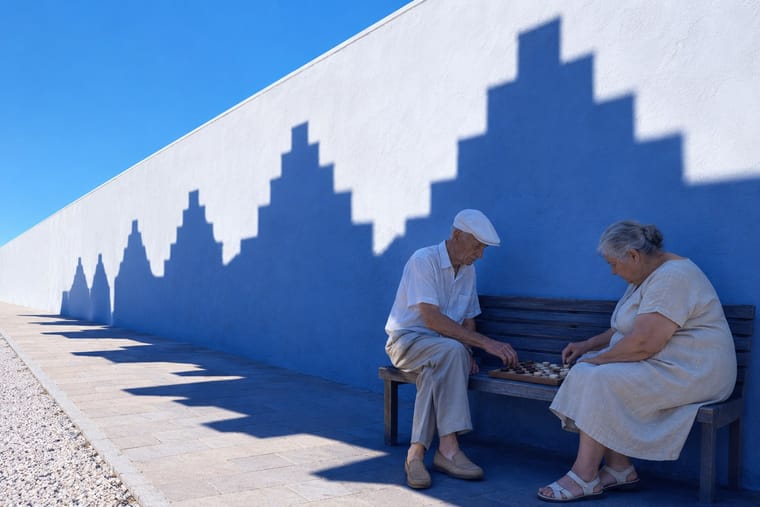
- social media post Two neighbours in their seventies, a slim man in a white cap and a stout woman in a cream linen dress, play draughts on a bench by a new white wall, in the shadow of gabled houses no longer there
- poster A broad grey-bearded dock worker in his fifties in a white T-shirt eats lunch on a bollard by the rails of a quay, in the lattice shadow of the harbour crane that ran on them, pulled down long ago
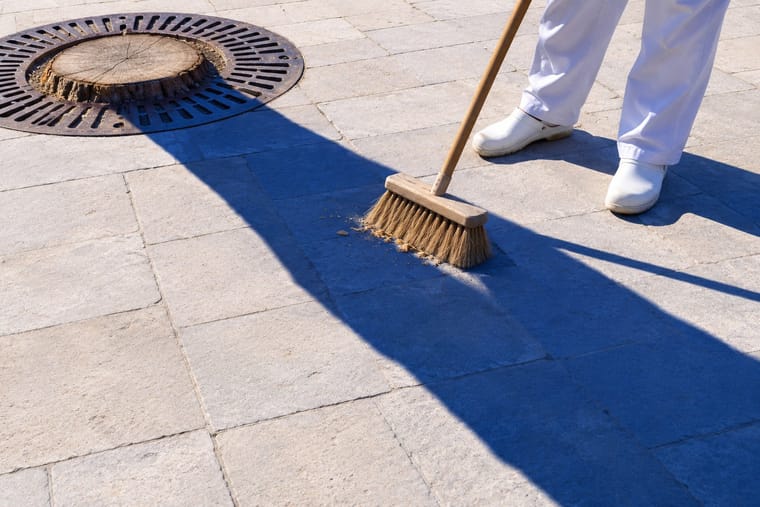
- postcard On pale paving, a flat sawn stump in a round iron grate, and from it the sharp shadow of a thick tree trunk across the stones, where a baker in white trousers and white clogs sweeps
- poster On a quiet street of pale paving where a tram line was taken up long ago, a slim woman in her forties in a white shirt cycles home through the long shadows of its overhead wires and poles, now gone
- social media post A wide, empty new square by the water, crossed only by the long pointed shadow of a clock tower pulled down long ago; at its tip a plump woman of sixty in a white sun hat eats an ice cream on a bench
05
What it’s close to
One of our own styles: Stylogeny made it from its own design choices, so no earlier style is claimed.
Old Shadows Made 2026
No later style in the atlas grew out of it yet.
Alike in its design choices
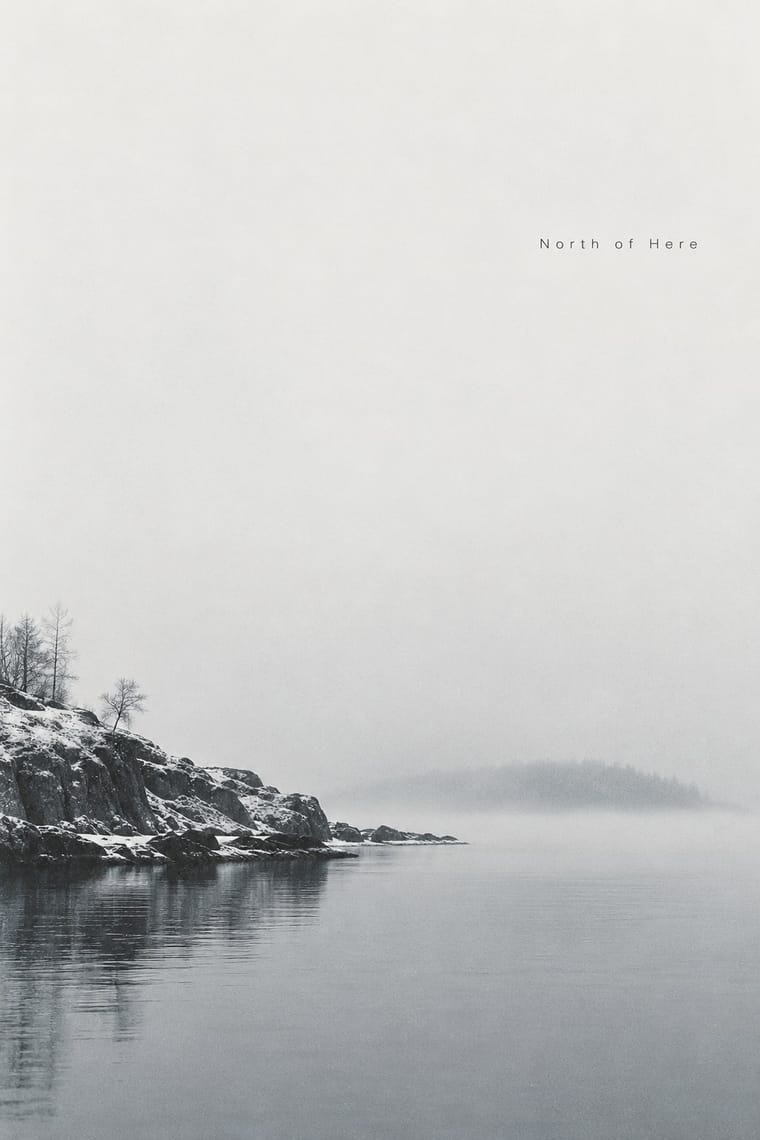

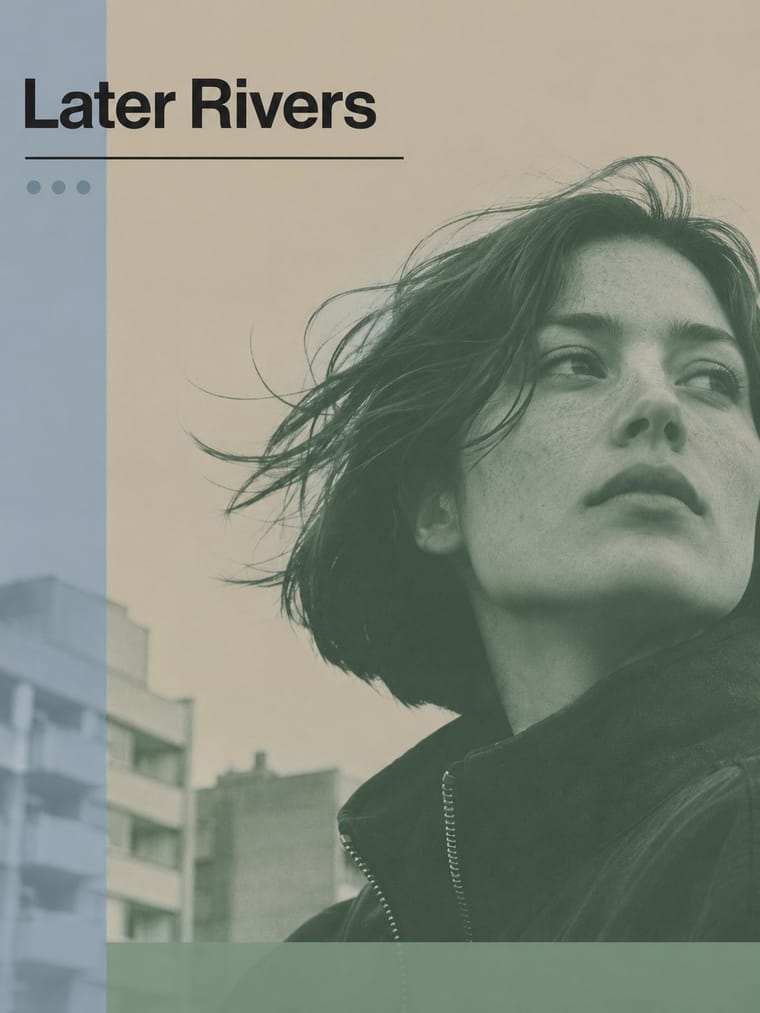
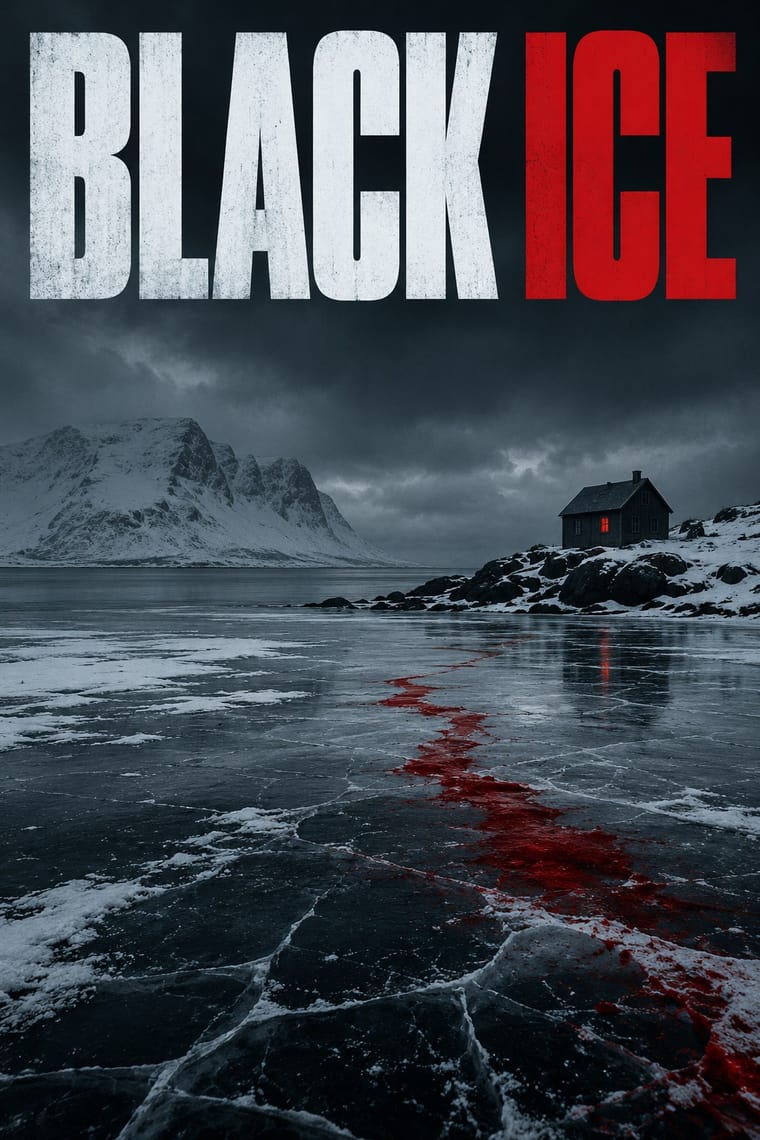
06
Often taken for
old-shadows has no real works recorded yet, so these are its nearest styles by its choices alone, with the choices that tell them apart.
-
ECM Sleeve Aesthetic (Munich)
ECM Sleeve Aesthetic is one of old-shadows’s nearest styles by choices; no real work of either fits the other better.
Choices that tell Old Shadows and ECM Sleeve Aesthetic apart Choice Old Shadows ECM Sleeve Aesthetic Illusion of depth defining — Painterly illustration avoids occasional Monochrome occasional defining Generous white space occasional defining Single focal point occasional defining No shared descent in the atlas: they reached these choices separately.
-
Hyperreal Photo-Composite Advertising (Photoshop Era)
Hyperreal Photo-Composite Advertising is one of old-shadows’s nearest styles by choices; no real work of either fits the other better.
Choices that tell Old Shadows and Hyperreal Photo-Composite Advertising apart Choice Old Shadows Hyperreal Photo-Composite Advertising Light ground characteristic — Photomontage — defining Calm & contemplative characteristic — Treated photography — defining Single focal point occasional defining No shared descent in the atlas: they reached these choices separately.
-
Gen X Soft Club
Gen X Soft Club is one of old-shadows’s nearest styles by choices; no real work of either fits the other better.
Choices that tell Old Shadows and Gen X Soft Club apart Choice Old Shadows Gen X Soft Club Illusion of depth defining — Treated photography — defining Ornament-free characteristic — Restrained accents — defining Grotesque & neo-grotesque occasional defining No shared descent in the atlas: they reached these choices separately.
-
Nordic Noir Book Cover
Nordic Noir Book Cover is one of old-shadows’s nearest styles by choices; no real work of either fits the other better.
Choices that tell Old Shadows and Nordic Noir Book Cover apart Choice Old Shadows Nordic Noir Book Cover Illusion of depth defining occasional Dark ground — defining Analogous harmony characteristic — Limited spot colours — defining Light ground characteristic — No shared descent in the atlas: they reached these choices separately.
— means the choice isn’t among the style’s recorded choices. Critics recorded each work’s choices with the styles’ descriptions in view, so this shows whether the descriptions hold together, not proof that they are right.