Pictorial & machine age · 1950–1988 · Middle East & North Africa
Yeşilçam Film Poster (Turkish Hand-Painted Afiş)
Also known as Yeşilçam afişi, Turkish film poster, Beyoğlu cinema painting, Sinema feneri
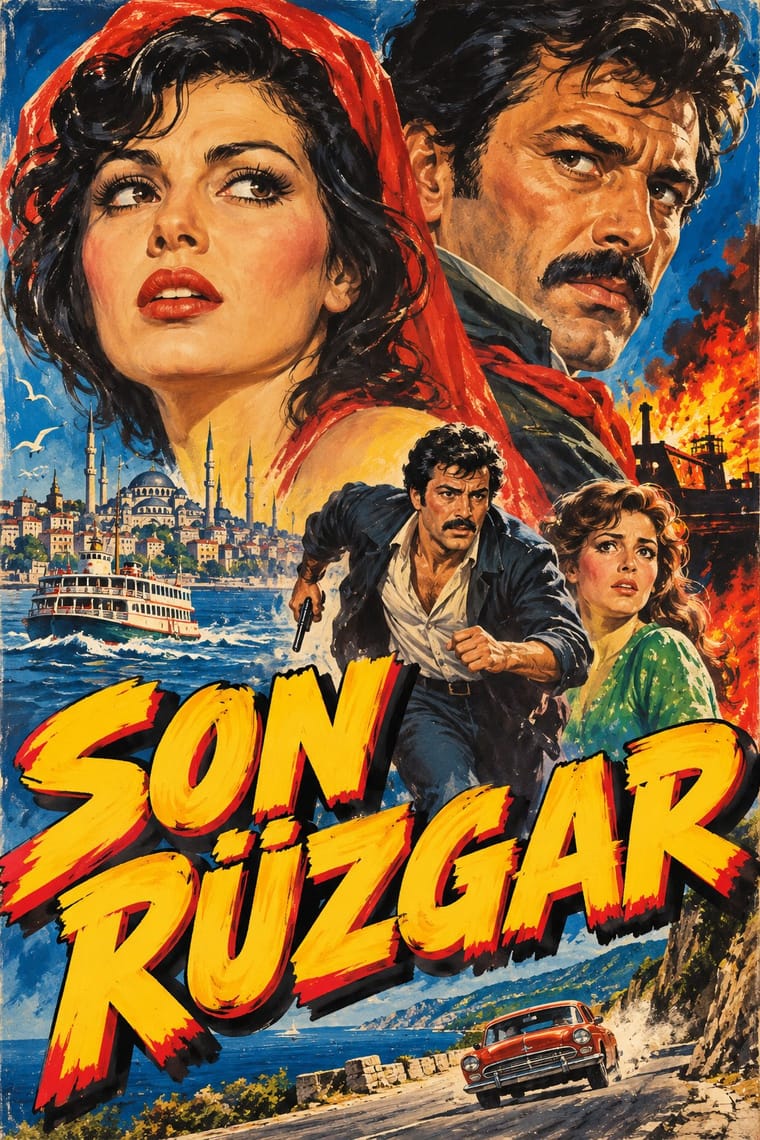
Painted publicity of Turkish popular cinema by workshop artists such as Mehmet Bal, Kemal Borteçin and İbrahim Enez. Working from set photographs and plot briefings, painters sketched for approval, then painted gouache on paper for posters; facade lanterns used earth pigment and glue. Latin-script titles are hand-lettered in saturated colour. Painters were mostly anonymous, posters unsigned, originals often lost; the industry declined after the 1980 coup, ending 1988.
Make something in this style Get advice in this style Mix it with another style
01
How it works
- Paint the lead actors' portraits large, working from set photographs and plot briefings and sketching for approval, so that the star's face is the main selling point.
- Stack the heads and a smaller action or melodrama scene in one crowded, full-bleed composition.
- Hand-letter the Turkish title in heavy Latin display capitals with a dark outline or hard shadow, so it can be read across a street.
- Use saturated, many-hued colour that holds in print and on rain-exposed cloth.
- Adapt the mood to the genre: romance, comedy, crime or action, and show the cast names in the lettering below the title.
- Make the artwork once by hand and let the print shop reproduce it, so the poster is both an original painting and a mass-produced sheet.
Istanbul, Turkey. The Yeşilçam industry is named for Yeşilçam Street in Beyoğlu, home to its studios and producers; poster painters worked in Beyoğlu and nearby print shops and painted both printed afişler and large cloth cinema lanterns (fener)
02
Its design choices
From Stylogeny’s vocabulary of design choices: defining choices make the style, characteristic ones are usual, occasional ones turn up now and then.
- Layout & composition
- Space & hierarchy
- Colour
- Surface & texture
- Ornament
- Imagery
- Medium & production
- Tone & intent
- Avoids
- Modular grid, Generous white space, Typography only, Non-representational, Grotesque & neo-grotesque, Monochrome, Rational & objective, Brush & pen calligraphy
Palette
-
#d7263d -
#f5c518 -
#1e63b5 -
#2e9e5b -
#f2e6c9 -
#1a1a1a
Typefaces
-
Hand-painted Latin display capitals for Turkish film titles, with diacritics
Ç, Ğ, İ, Ö, Ş, Ü
-
Outlined and shadowed cast and credit lettering painted by the poster artist
-
Cinema-lantern sign lettering on large cloth panels
Known for
-
İbrahim Enez, poster and cinema-lantern painter; moved to Istanbul in 1961, painted posters for about 500 films until 1975, then went into printing
-
Mehmet Bal, Kemal Borteçin and İbrahim Enez, named as the most prolific poster and lantern painters of the 1960s and 1970s
-
Mithat Ağakay
began painting posters and lanterns in 1922; his Mimeray became a major poster printer in the 1950s
-
Münif Fehim, 1960s poster painter
Cennet Fedaisi, O Kadın
-
Ömer Yıldız, lantern painter taking over the Hüseyin Olur workshop at Rumeli Han in 1987
03
Make something in this style
Say what you need, and Stylogeny’s image studio draws it from Yeşilçam Film Poster (Turkish Hand-Painted Afiş)’s design choices and checks it against them. It takes about a minute, and you get a link to share.
04
Where it comes from, and what it’s close to
Before it
The style it grew out of, and the styles it borrowed from.
After it
The styles that grew out of it.
No later style in the atlas grew out of it yet.
Alike in its design choices
Styles that make many of the same choices, related or not, besides those above.
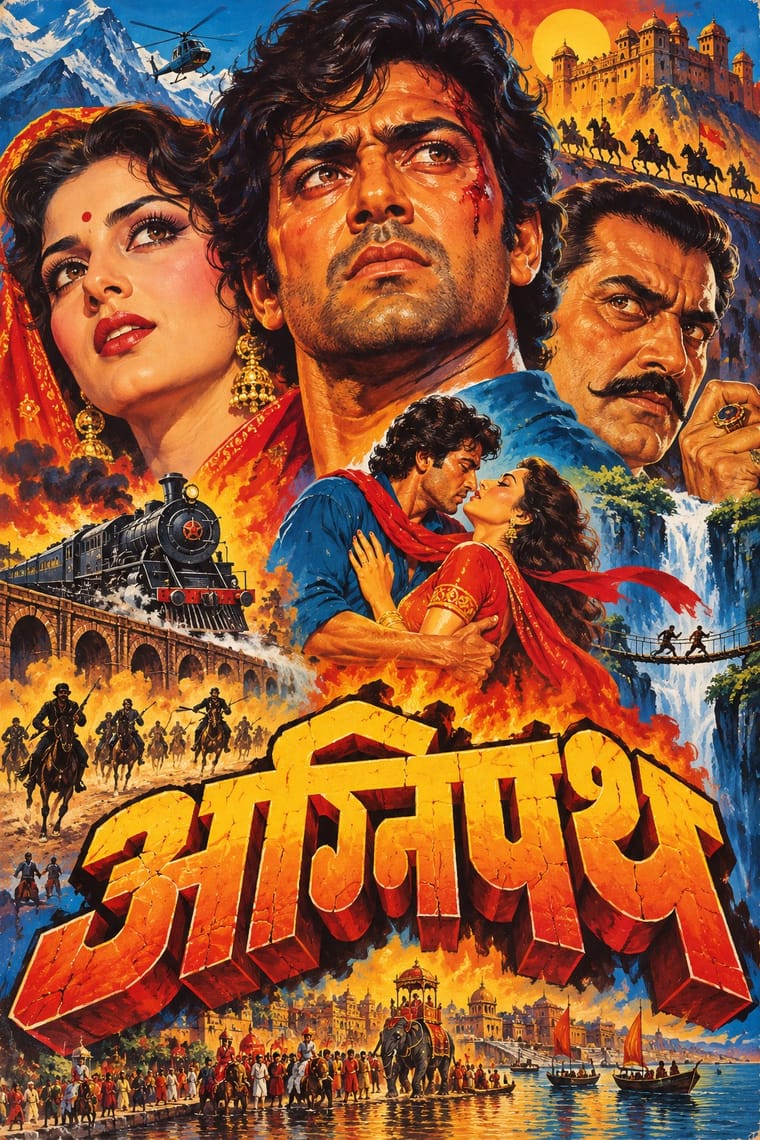
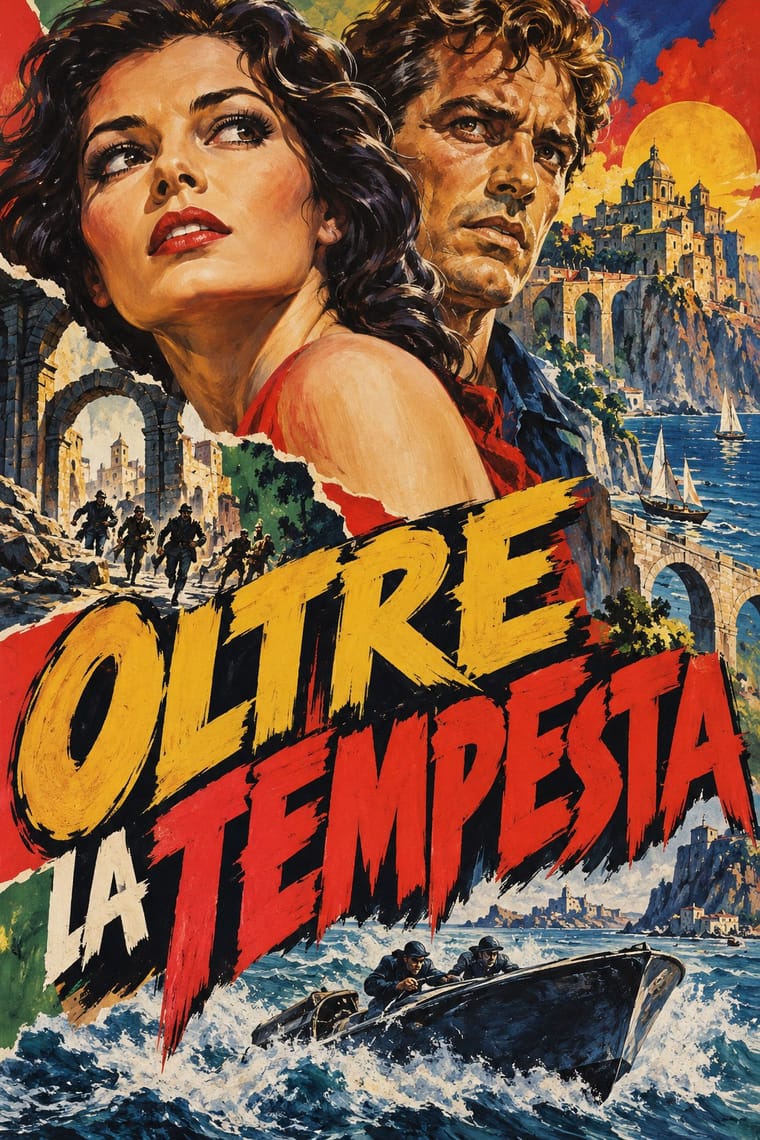
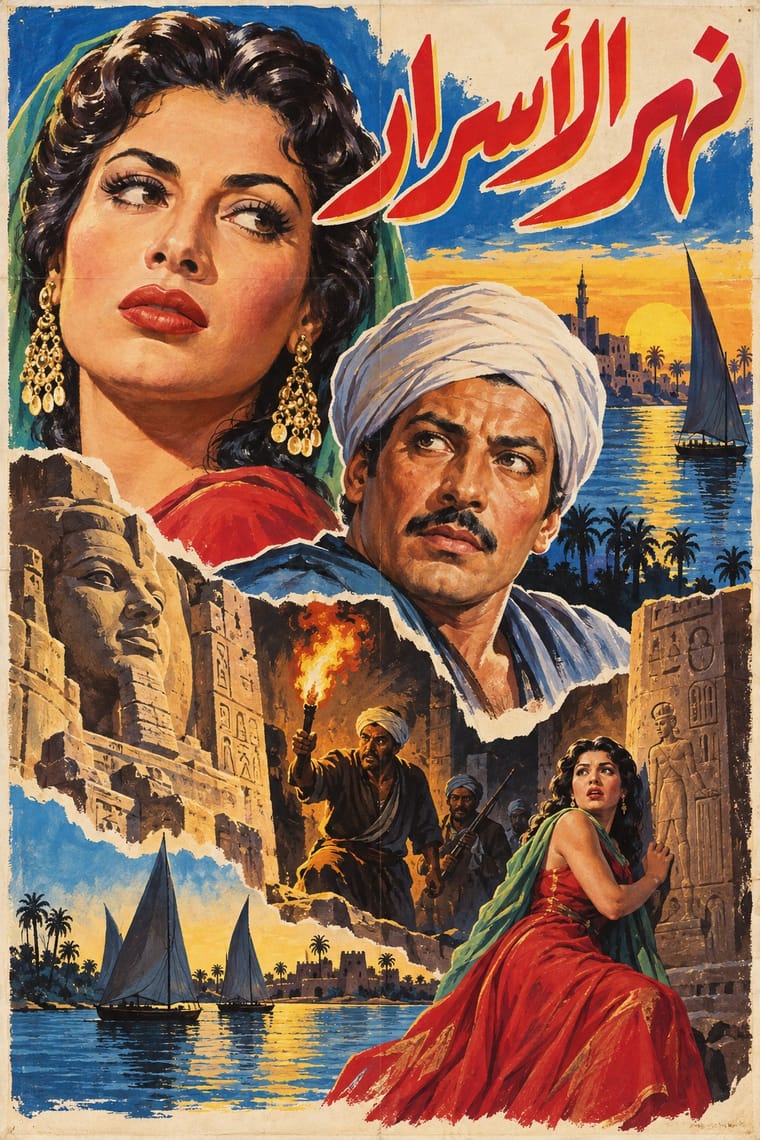
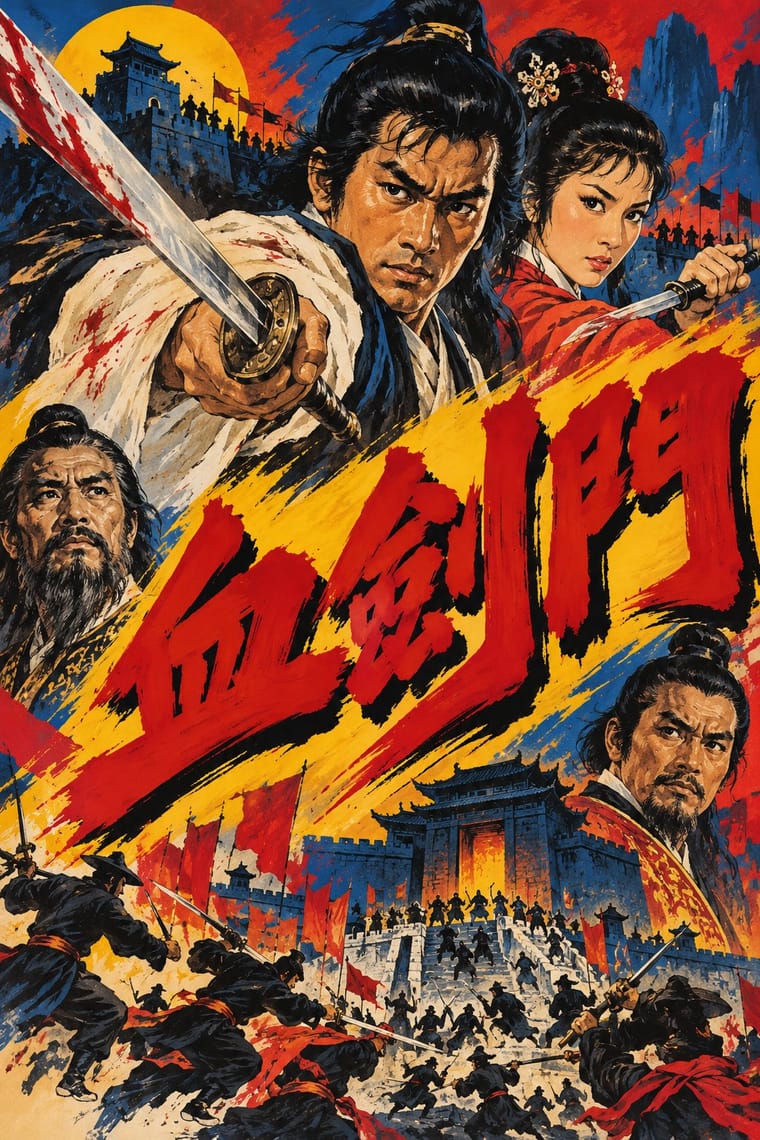
05
Often taken for
Yeşilçam Film Poster has no real works recorded yet, so these are its nearest styles by its choices alone, with the choices that tell them apart.
-
Egyptian Painted Film Poster
2 of Egyptian Painted Film Poster’s 5 real works fit Yeşilçam Film Poster’s choices slightly better than their own: Malikat al-layl (ملكة الليل), dir. Hassan Ramzi and Shādir al-samak (شادر السمك), dir. Ali Abdel Khalek.
Choices that tell Yeşilçam Film Poster and Egyptian Painted Film Poster apart Choice Yeşilçam Film Poster Egyptian Painted Film Poster All caps characteristic — Brush & pen calligraphy avoids defining Flat fields — characteristic Ornamented display — characteristic Lithography occasional defining No shared descent in the atlas: they reached these choices separately.
-
Ghanaian Movie Poster
1 of Ghanaian Movie Poster’s 6 real works fits Yeşilçam Film Poster’s choices slightly better than its own: Howard the Duck (lettered 'Hoaward the Duck').
Choices that tell Yeşilçam Film Poster and Ghanaian Movie Poster apart Choice Yeşilçam Film Poster Ghanaian Movie Poster Layered information characteristic — Distortion & exaggeration occasional defining Hard offset shadow characteristic — Complementary clash — characteristic Type as image characteristic — Both descend from Hand-Painted Signage & Vernacular Lettering in the family tree.
-
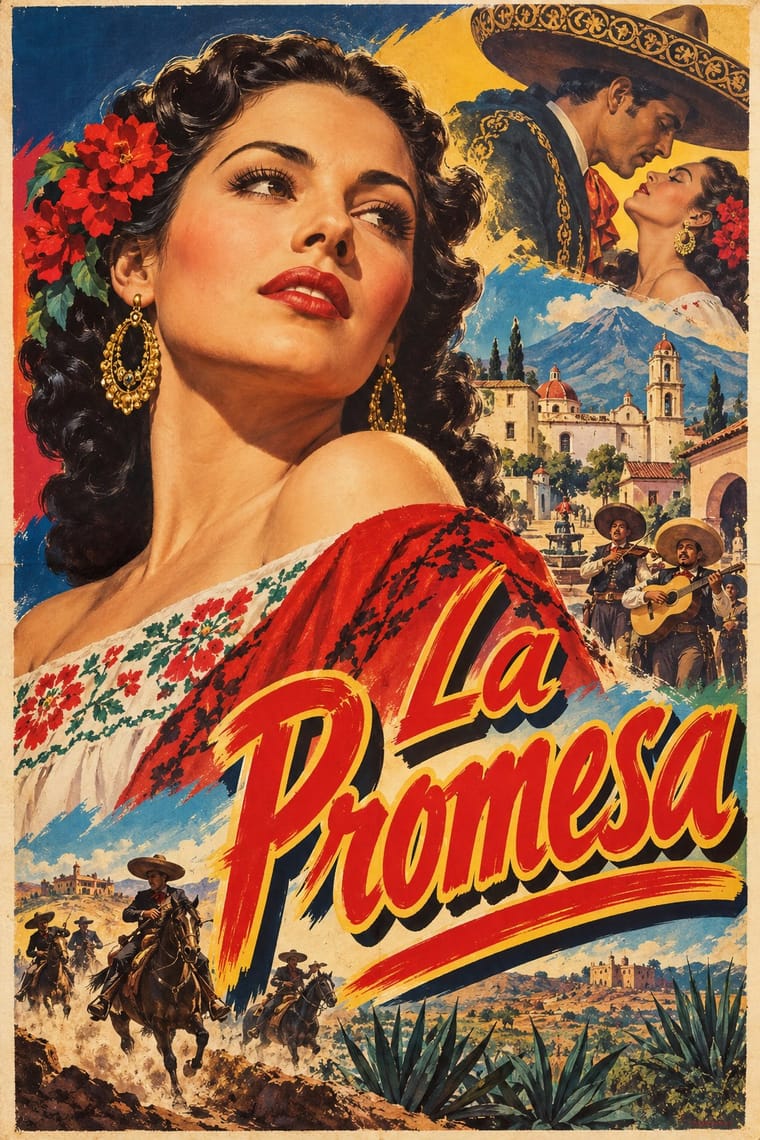
Mexican Golden Age Film Poster
Mexican Golden Age Film Poster is one of Yeşilçam Film Poster’s nearest styles by choices; no real work of either fits the other better.
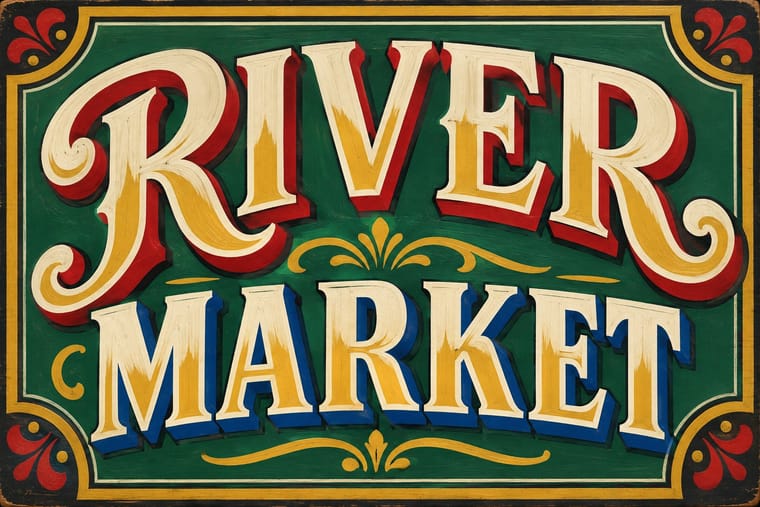
Choices that tell Yeşilçam Film Poster and Mexican Golden Age Film Poster apart Choice Yeşilçam Film Poster Mexican Golden Age Film Poster Full bleed characteristic — Illusion of depth — characteristic Horror vacui characteristic — Single focal point — characteristic Architecture & signage characteristic — No shared descent in the atlas: they reached these choices separately.
-
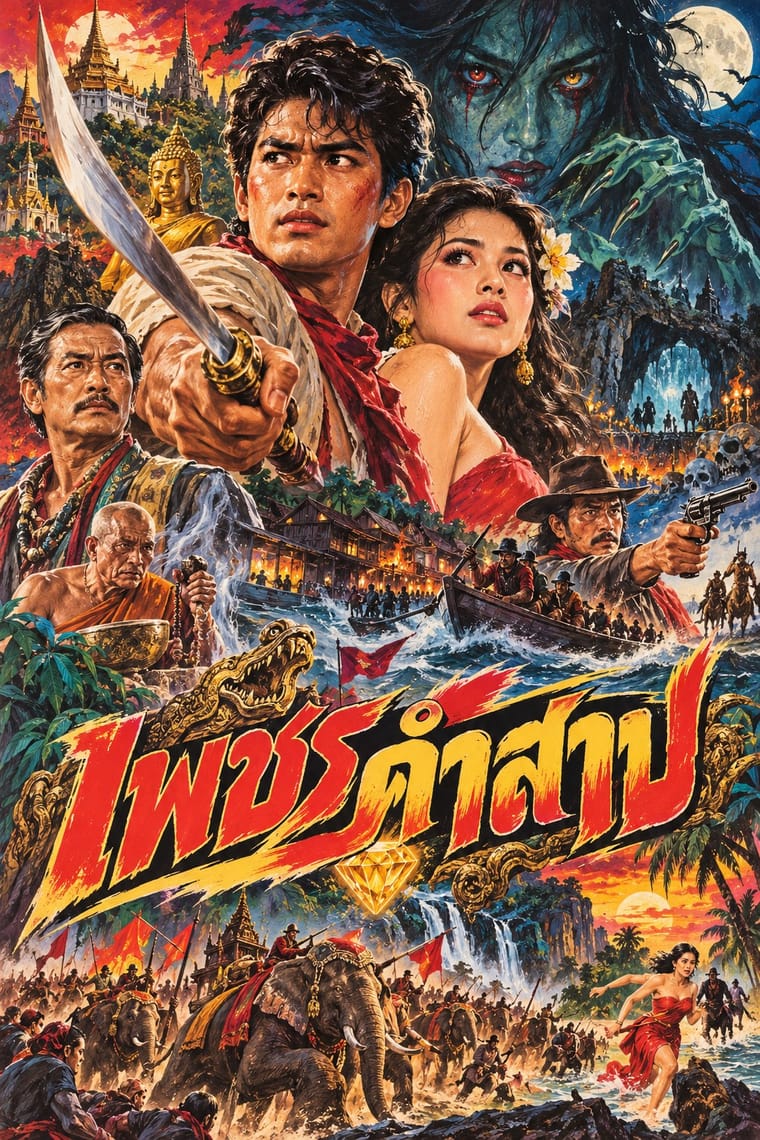
Thai Hand-Painted Film Poster and Billboard
Thai Hand-Painted Film Poster and Billboard is one of Yeşilçam Film Poster’s nearest styles by choices; no real work of either fits the other better.
Choices that tell Yeşilçam Film Poster and Thai Hand-Painted Film Poster and Billboard apart Choice Yeşilçam Film Poster Thai Hand-Painted Film Poster and Billboard All caps characteristic — Flat fields — characteristic Offset printing characteristic avoids Illusion of depth — characteristic Lithography occasional avoids Both descend from Hand-Painted Signage & Vernacular Lettering in the family tree.
— means the choice isn’t among the style’s recorded choices. Critics recorded each work’s choices with the styles’ descriptions in view, so this shows whether the descriptions hold together, not proof that they are right.
06
Combine it with
Styles Yeşilçam Film Poster (Turkish Hand-Painted Afiş) pairs well with or plays against, from the research. Each is worked out as a combination: which style gives the type, the colours and the forms.
- Egyptian Painted Film Poster Pairs well · Both put painted star heads above a melodramatic scene. Pair them to compare Latin-script Istanbul lettering with Arabic calligraphic titles.
- Early Turkish Republican Graphic Design Pairs well · Both use hand-drawn Latin Turkish lettering; Republican graphics are calm and official, the film poster is crowded and emotional.
- International Typographic Style Contrasts · A grid, white space and neutral sans-serif are the opposite of the crowded, hand-lettered, many-coloured afiş.
- Hand-Painted Bollywood Poster Pairs well · Hand-painted star portraits and billboard lettering link the two; borrow Bollywood's saturated hoarding colour for a Yeşilçam-style revival.
07
Sources
- Wikipedia, 'Yeşilçam' (https://en.wikipedia.org/wiki/Ye%C5%9Fil%C3%A7am), for the industry, its name and end after the 1980 coup (it does not discuss posters)
- Sinematek, 'Sinema fenerleri, afişleri ve emekçileri' (https://sinematek.tv/sinema-fenerleri-afisleri-ve-emekcileri/), on painters, lanterns and printing, also describing a digital library with nearly 4,000 Turkish film posters on its site
- İbrahim Enez, 'En çok Ekrem Bora'yı çizmeyi severdim' (https://www.ibrahimenez.com/en-cok-ekrem-borayi-cizmeyi-severdim/), on the painter's workflow
How Stylogeny researches and checks a style: where the facts come from.