One of our own styles · made in 2026
Soot Drawn
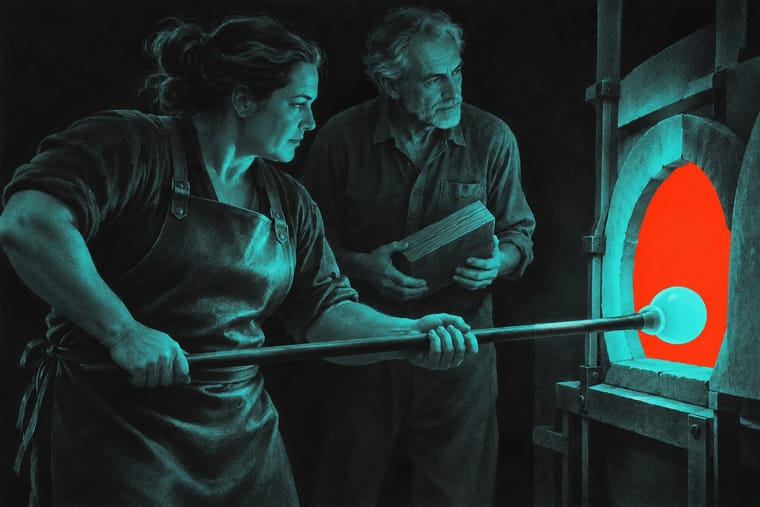
Every place with a fire in it is drawn only in that fire's own soot, smoked onto bright turquoise paper by the flame that burns in the picture. Where the firelight falls the paper stays bare; where it never reaches, the soot lies deep black. Faces and rims are wiped clean, hair and rope scratched out with a needle, and edges knife-sharp where a paper mask was held to the flame. The one flame is the only thing painted, flat vermilion. For restaurants, glass studios, festivals and anyone who works round a flame.
Make something in this style Get advice in this style Mix it with another style
Use it with care
Keep it to fires that serve people, cooking, crafts, warmth, light and flight, never a house, forest or vehicle on fire, burning, injury, arson, a protest or anything that reads as disaster. Show no real venue, brand, logo or person. Its pictures are made by an image model, not drawn with real soot: label them as generated and never pass one off as a hand-made smoke drawing.
01
Its picture in other colours
Change a colour and every picture on this page follows. It happens in your browser, from the same pictures: nothing new is made or saved.
Choose a colour to change it
-
#151311 -
#2bc6be -
#4d6866 -
#ff2a12
A faded colour isn’t in these pictures, so changing it changes nothing.
Light and dark stay where they are; greys hardly move.
More colours: any style’s, or your own
The pictures show the style’s own colours.
02
Make something in this style
Say what you need, and Stylogeny’s image studio draws it from Soot Drawn’s design choices and checks it against them. It takes about a minute, and you get a link to share.
03
How it works
Palette
-
#151311ground · 64% -
#2bc6beink · 8% -
#4d6866accent · 16% -
#ff2a12accent · 3%
Shares measured from its 4 pictures. The ground is what the pictures sit on (of the colours covering most, the most neutral), the ink stands out from it most, the rest are accents.
Typefaces
-
Plantin
-
A plain old-style serif, only off the picture on a mount or caption; the soot sheets carry no lettering
Who is in it. Grown women and men of today, from twenty-five to eighty, of every build, skin and background, in the plain work or outdoor clothes the scene gives them, drawn with lifelike proportions and faces wiped clean enough to read every feature. They work at the fire calmly and capably, eyes open and on the flame or on what their hands do, never looking at us, posing, squinting or startled. A scene has only the figures it names, and a scene that names nobody has nobody in it.
Direction
- What it says
- The fire in the picture made the picture: the flame's light is bare paper, its soot is every shadow, so each sheet is a map of exactly what that one flame lit.
- Performance
- Whoever the scene names does the one task the scene gives them, at the fire, as on any working day: steady hands, eyes open on the flame or the work, never admiring the fire or turning to us.
- Set
- Only the place the scene names, and it is dark: no window, lit lamp, screen or daylight, nothing lit but by the one flame. Everything the flame cannot reach sinks into deep soot.
- Light
- The scene's one flame is the only light. Bare turquoise paper is its light, brightest on the faces, hands and surfaces turned toward it and fading through grey soot to black as they turn away; the flame throws no red or orange glow on anything.
- Camera
- Seen from a three-quarter angle, never square on to a wall and never straight down, at the height and distance the shot names, the flame never in the dead centre of the sheet.
- Frame
- The flame sits where the shot names, and the bare paper round it is the brightest part of the sheet; the soot deepens toward every edge and is darkest in the corners, so the sheet is full of tone to all four edges with no margin.
- Moment
- During: the fire is burning at its height and the scene's one task is in the middle of being done, so hands are busy and any face the scene names is lit.
- Finish
- Matt soot laid on smooth turquoise paper, fine and even as lampblack, with the paper's fibre faintly showing in the thin parts; crisp wiped highlights, needle-thin scratched lines and sharp masked edges in the soot; the flame painted flat and opaque on top. No line, brush mark, hatching or stroke in the soot.
- A set of pictures
- One wide of a fire in the open with its people small, one medium of two people at a big indoor fire, one close on a face and hands at a sudden flame, one detail of hands and a match. The fires run from a burner taller than a person to a match, each in a different part of the sheet, with three, two, one and no faces.
- Never
- No second flame, lit candle, lit lamp or other light source; no red, orange or yellow anywhere but the one flame; no brown, sepia or burnt look and no hole in the paper; no drifting smoke, haze or fog drawn in the air; no brush or pencil stroke; no daylight; no lettering.
- Make every picture from candle soot alone on bright turquoise paper: a fine, matt, deep black tone with no line, brush mark, hatching or stroke anywhere, densest where the scene is dark and thinning to soft grey and then to bare turquoise paper wherever the scene's own fire throws its light, so the bright parts of the picture are simply paper the soot never covered. The soot stays a cool neutral black and grey, never brown, sepia or scorched, and the paper is never burnt, holed or stained.
- Give the soot hard edges in three ways: soot wiped clean with a fingertip leaves crisp bright highlights on faces, hands, rims and the lit side of things; a needle point scratches thin bare turquoise lines for hair, rope, seams and wood grain; and a cut paper mask held against the flame leaves knife-sharp straight and curved edges on tables, walls, tools and the outlines of figures. Faces and hands are wiped clean and sharp enough to read every feature; only the darkness between things stays soft.
- Use exactly three colours: soot black, turquoise paper and one vermilion red, with only the dark teal-grey of thinner soot over the paper between black and turquoise, which is a shade of the soot and not a fourth colour. Every picture has exactly one flame, the fire the scene names, and it alone is painted, a flat, crisp, opaque vermilion shape set hard against the bare turquoise round it, the brightest colour on the sheet. It casts no red or orange glow: its light shows only as bare turquoise paper round it, and embers, coals, hot glass and lamp glass are bare paper, never red. The sheet is full of tone to every edge, darkest in the corners, with no white, cream, yellow or any other colour.
- Give every picture two readings. From across the room it is a bold black and turquoise picture with one red flame in it; a second look shows that the light falls only from that flame, so the flame has drawn its own room, faces and hands.
- Vary the fire with each picture: its kind, its size from a burner taller than a person to a struck match, its place on the sheet, the place it burns in and the number of people at it, so that no two pictures of a set show the same kind of fire.
- For a client, the flame is where a spot red or a foil goes in print, and the fire is the client's own: the oven, the grill, the furnace, the burner, the pan.
A studio style: made by Stylogeny, not a documented movement.
With an idea put on it
-
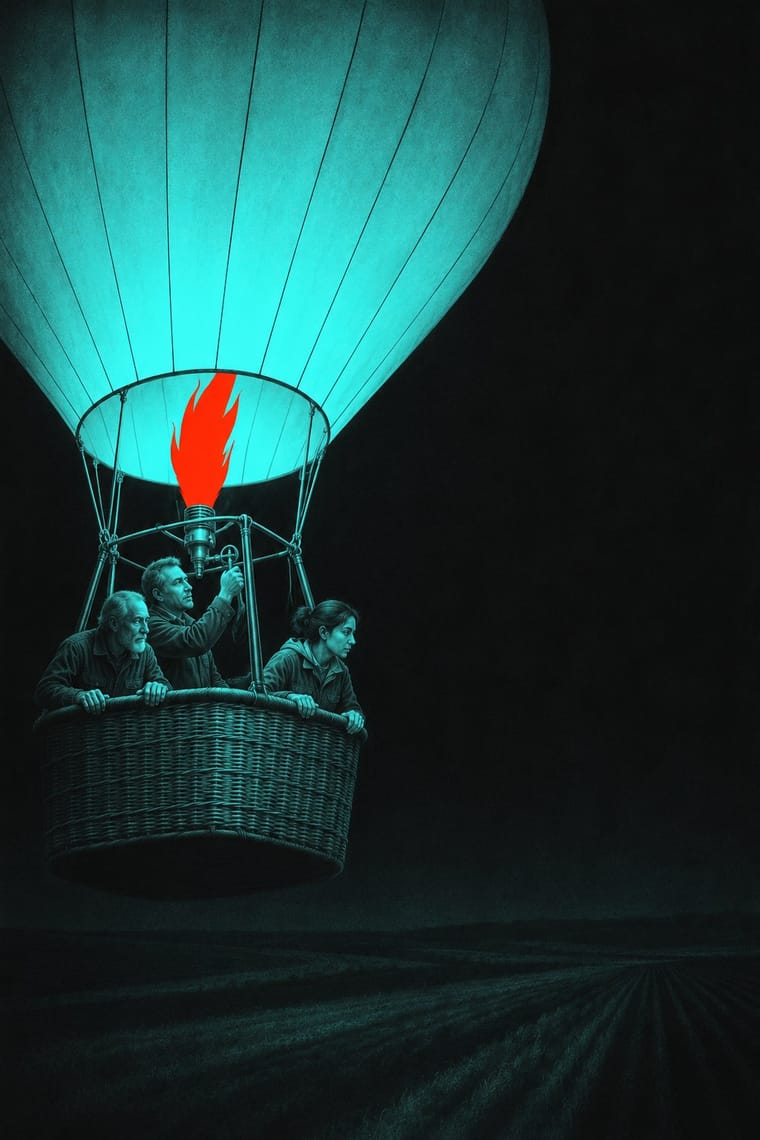
Isolation One balloon glowing alone over black fields shows that its small flame is the only light for miles and lifts three people into the dark. -
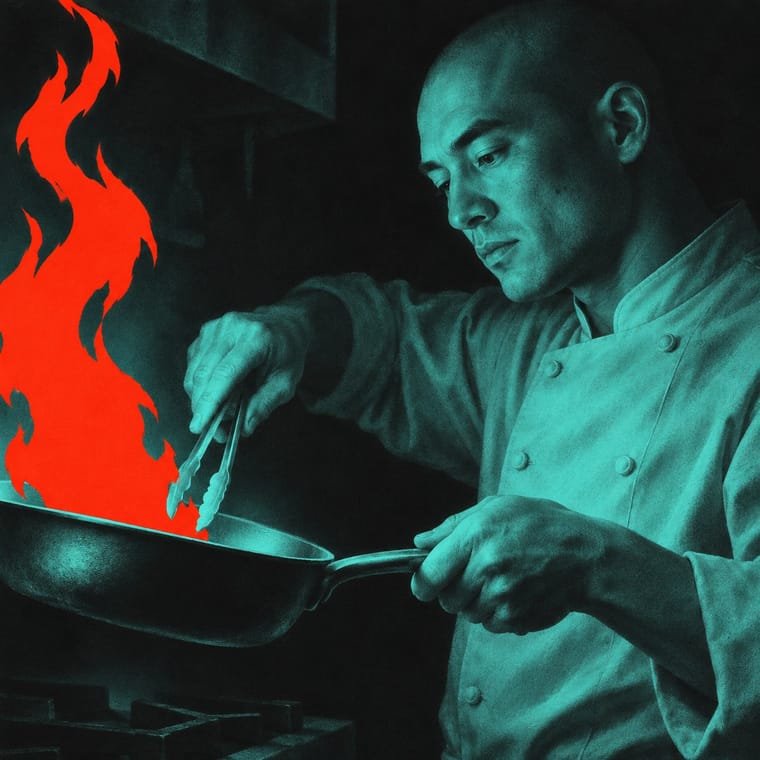
Spotlight The flame jumps from the pan and for that second it is the whole kitchen's light, carving the cook's calm face and steady hands out of the dark. -
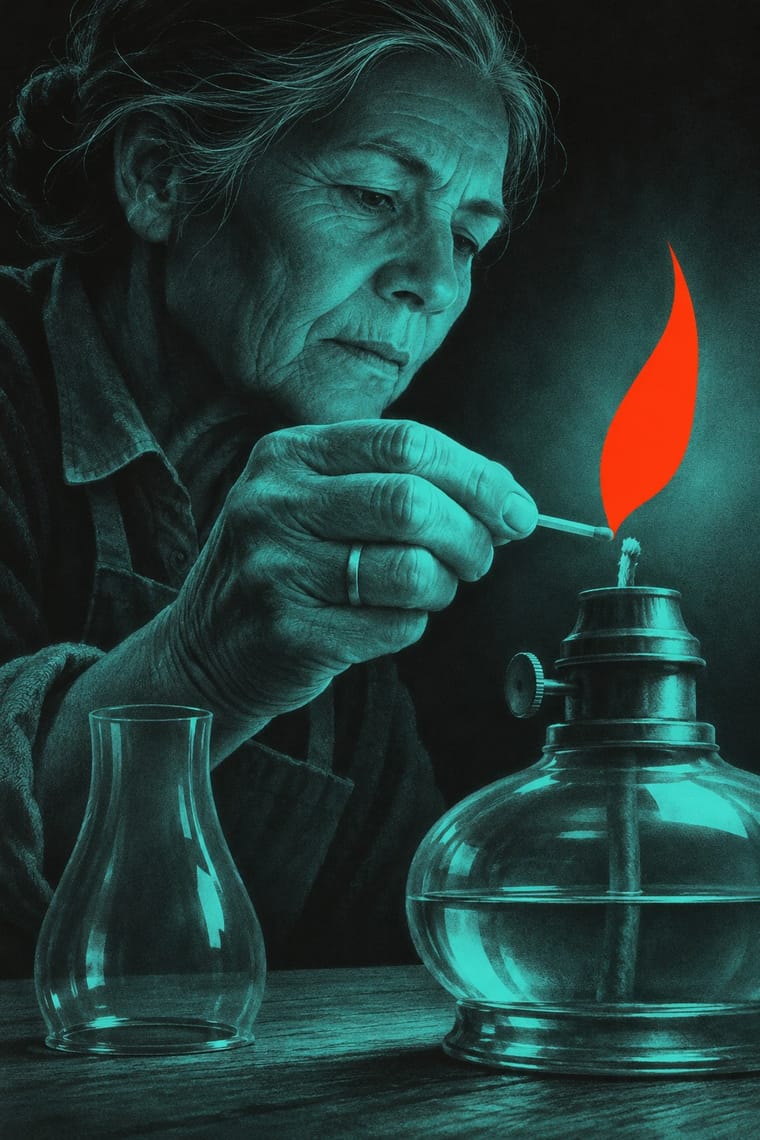
The moment before The match is a breath from the wick, so we see the small light that is about to become the evening's lamp.
AI-generated: Soot Drawn with an idea put on it. Not a real or historical work.
Change it with an idea. Any of the 73 moves that make a design say something can go on this style.
04
Its design choices
From Stylogeny’s vocabulary of design choices: defining choices make the style, characteristic ones are usual, occasional ones turn up now and then.
- Layout & composition
- Space & hierarchy
- Typography
- Colour
- Surface & texture
- Ornament
- Medium & production
- Tone & intent
- Avoids
- Straight photography, 3D render, Full polychrome, Pastel, Earth & mineral, Abundant decoration
How its pictures are made light, viewpoint, pose
- Light
-
- Low-key & chiaroscuro defining
- Deep shadows characteristic
- Soft-edged shadows occasional
- Viewpoint
-
- Eye level characteristic
- Middle distance occasional
- Low angle occasional
- Pose
-
- Absorbed in a task defining
- Three-quarter turn occasional
What new pictures of it show
Subjects Stylogeny draws it with, each taken from a kind of real work the style was made for.
- poster A hot-air balloon lifting off black fields at night under a black sky, the envelope glowing bare paper; a pilot of fifty at the burner valve, a grey-bearded man of seventy and a woman of thirty
- art print A glass studio: a broad-shouldered woman of forty in a leather apron turns a blowpipe in the round mouth of a furnace; a slim grey-haired man of sixty in a work shirt waits by her with a wooden block
- album cover A restaurant kitchen at night: a cook of thirty-five with a shaved head and a pale chef's jacket has lifted a pan clear of the dark, unlit stove and tips it, and a tall flame leaps up from the pan
- postcard An older woman's wrinkled hand, a plain ring on one finger, holds a just-struck match to the bare wick of a glass oil lamp, its chimney set down beside it, on a wooden table in a dark cabin
- poster A beach at night: five friends of twenty to seventy in jumpers and jackets sit on driftwood round one bonfire, one leaning in with a stick, the dark sea behind them
05
What it’s close to
One of our own styles: Stylogeny made it from its own design choices, so no earlier style is claimed.
Soot Drawn Made 2026
No later style in the atlas grew out of it yet.
Alike in its design choices
06
Often taken for
soot-drawn has no real works recorded yet, so these are its nearest styles by its choices alone, with the choices that tell them apart.
-
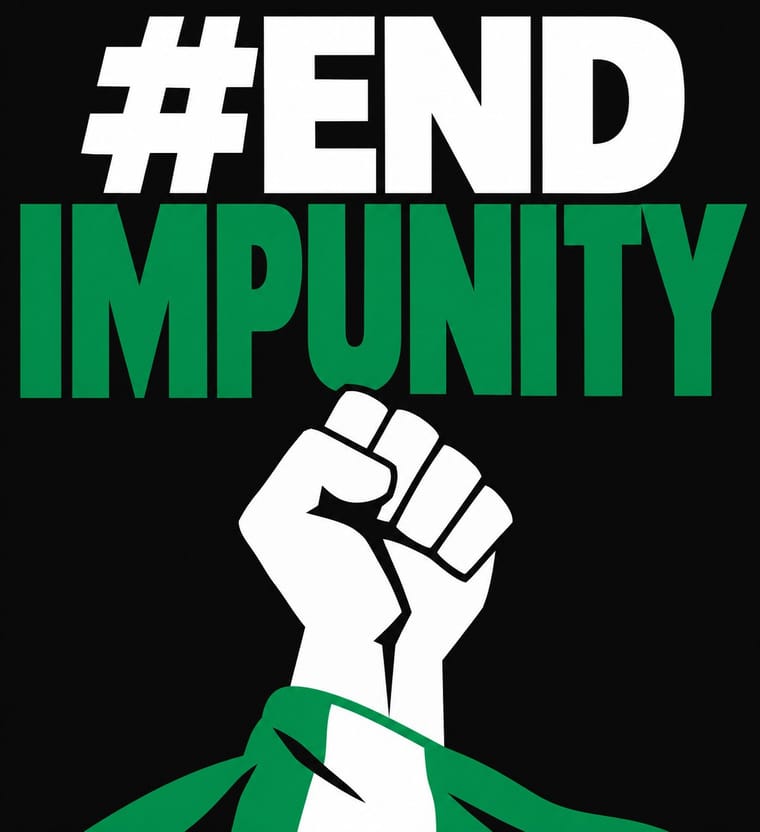
EndSARS Protest Graphics (Nigeria, 2020)
EndSARS Protest Graphics is one of soot-drawn’s nearest styles by choices; no real work of either fits the other better.
Choices that tell Soot Drawn and EndSARS Protest Graphics apart Choice Soot Drawn EndSARS Protest Graphics Complementary clash defining — All caps — defining Naturalistic depiction defining occasional Type as image — defining Full bleed defining occasional No shared descent in the atlas: they reached these choices separately.
-
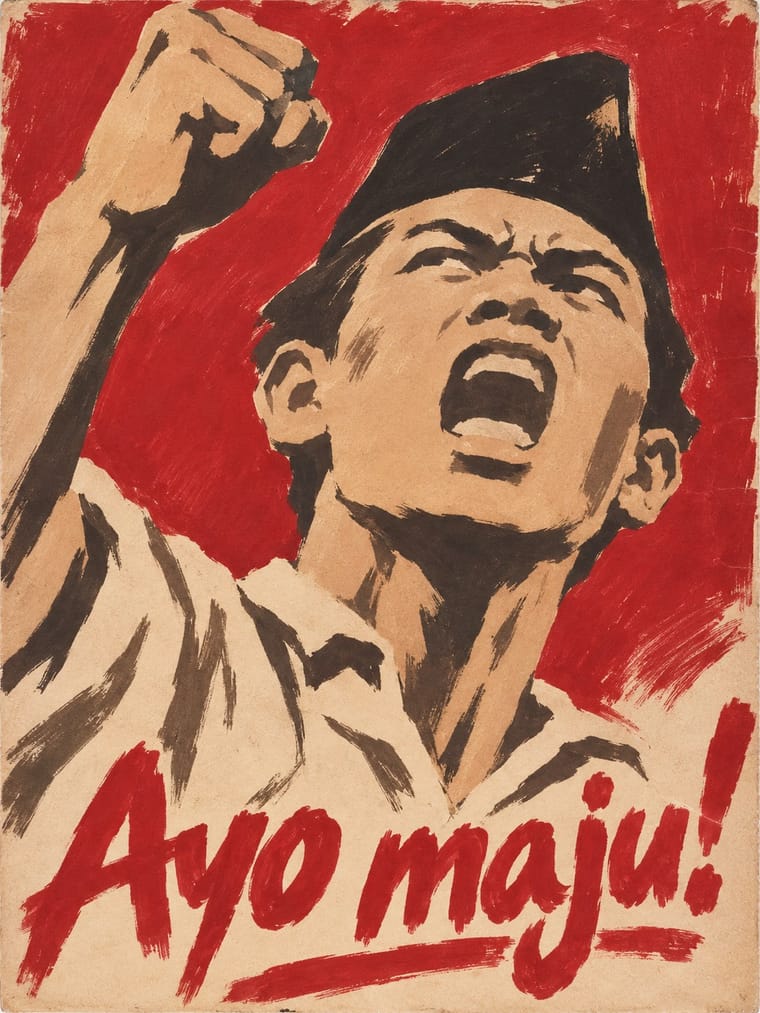
Indonesian Revolution Poster (Poster Perjuangan)
Indonesian Revolution Poster is one of soot-drawn’s nearest styles by choices; no real work of either fits the other better.
Choices that tell Soot Drawn and Indonesian Revolution Poster apart Choice Soot Drawn Indonesian Revolution Poster Complementary clash defining — Stylised figuration — defining Naturalistic depiction defining — Painterly brushwork — defining Full bleed defining — No shared descent in the atlas: they reached these choices separately.
-
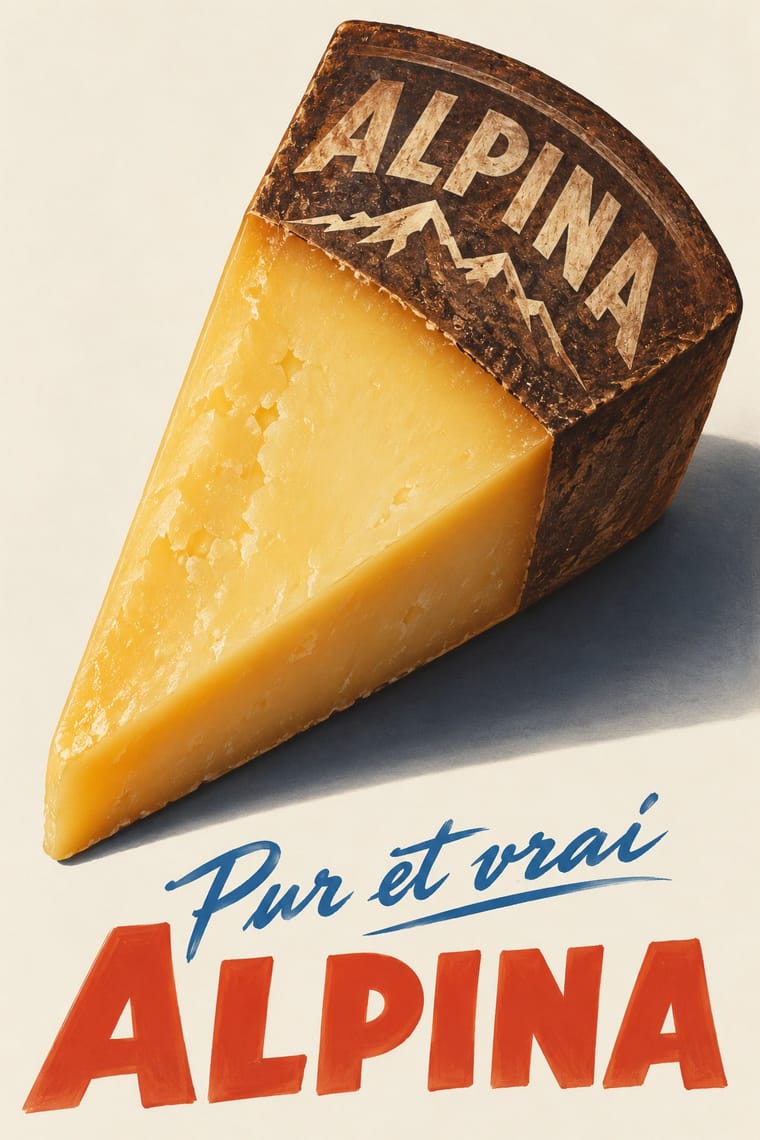
Basel Object Poster (Swiss Sachplakat)
Basel Object Poster is one of soot-drawn’s nearest styles by choices; no real work of either fits the other better.
Choices that tell Soot Drawn and Basel Object Poster apart Choice Soot Drawn Basel Object Poster Complementary clash defining — Gradients — defining Flat occasional avoids Isolated object — defining Full bleed defining occasional No shared descent in the atlas: they reached these choices separately.
-
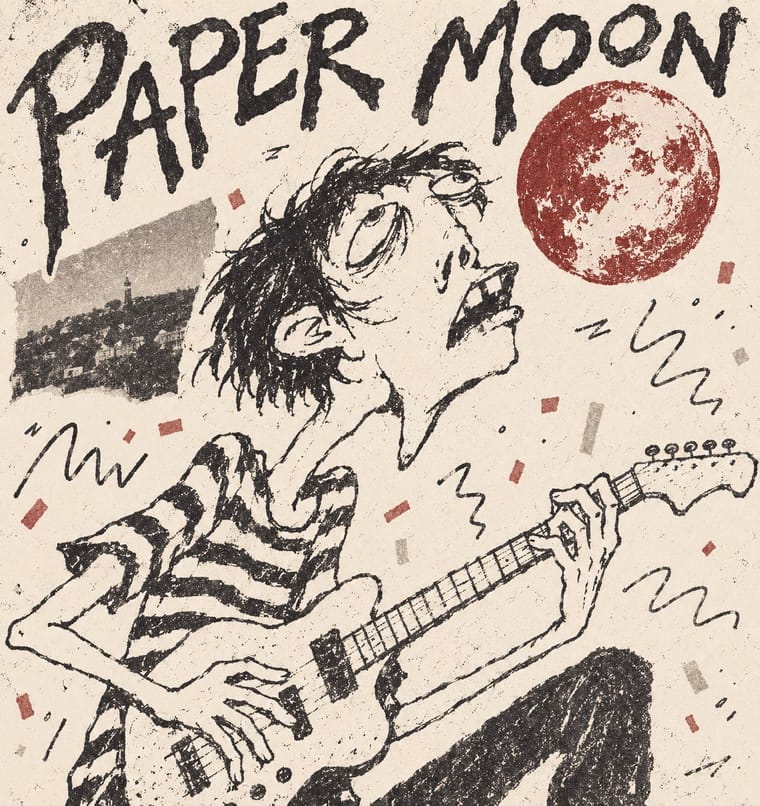
Flying Nun DIY Sleeves (Dunedin Sound Cover Art)
Flying Nun DIY Sleeves is one of soot-drawn’s nearest styles by choices; no real work of either fits the other better.
Choices that tell Soot Drawn and Flying Nun DIY Sleeves apart Choice Soot Drawn Flying Nun DIY Sleeves Complementary clash defining — Distortion & exaggeration — defining Naturalistic depiction defining — Line illustration — defining Full bleed defining occasional No shared descent in the atlas: they reached these choices separately.
— means the choice isn’t among the style’s recorded choices. Critics recorded each work’s choices with the styles’ descriptions in view, so this shows whether the descriptions hold together, not proof that they are right.