One of our own styles · made in 2026
Risograph Cats
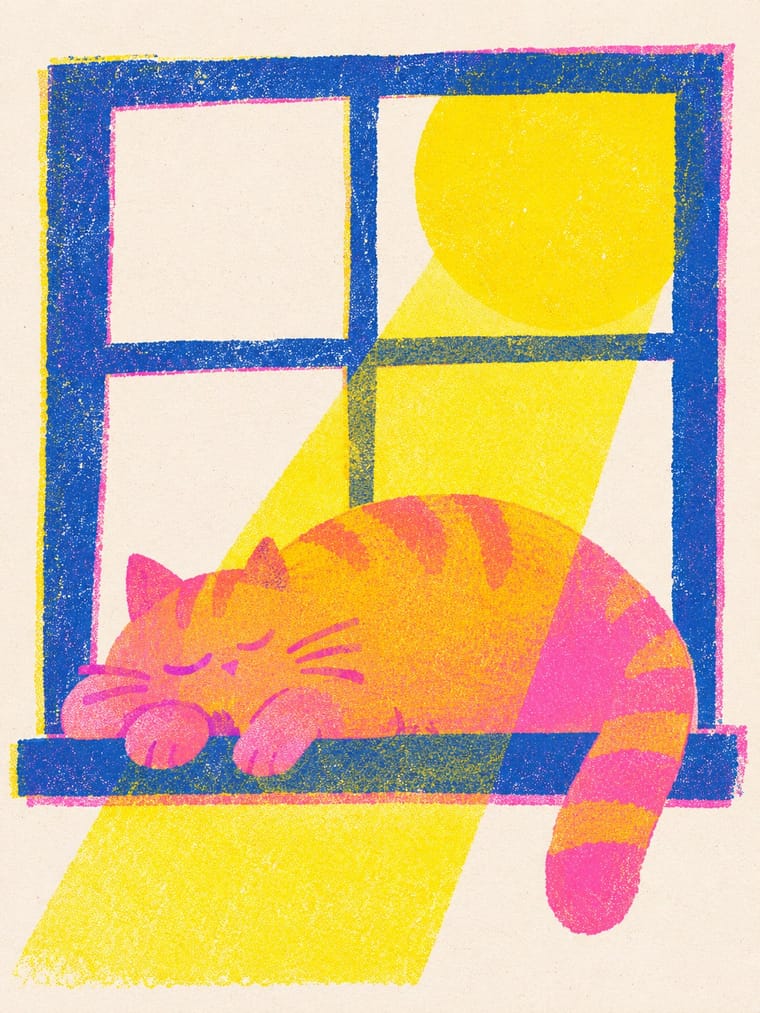
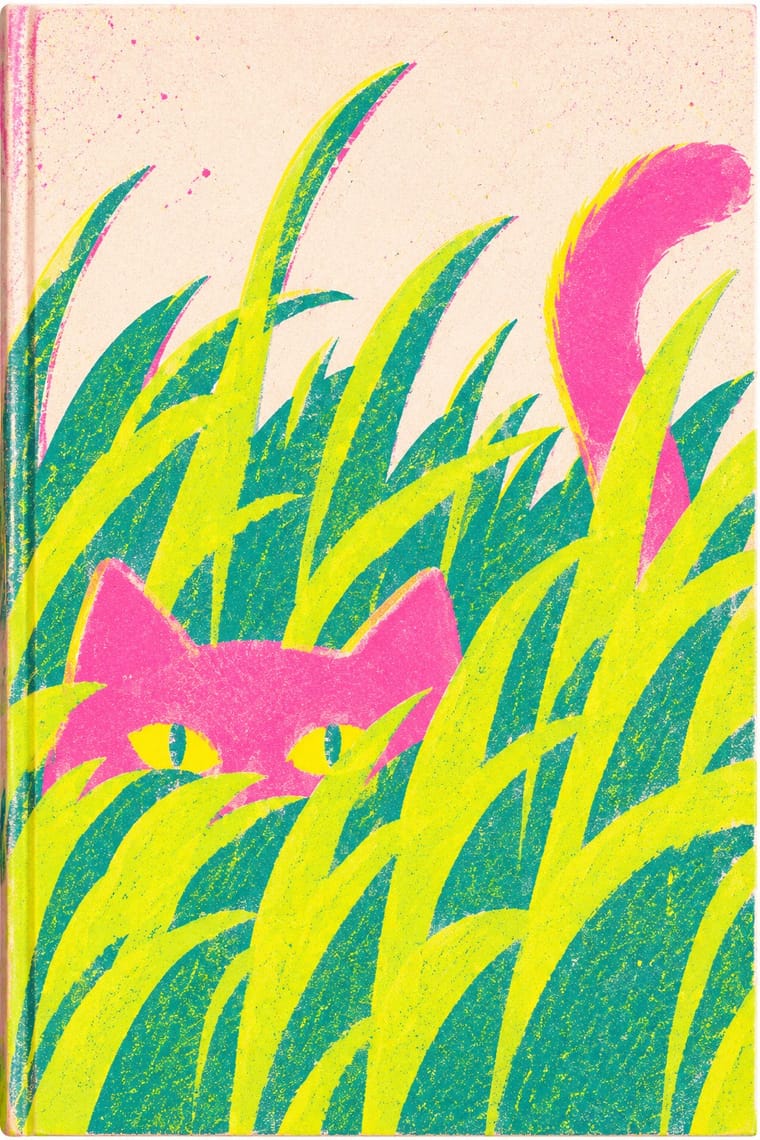
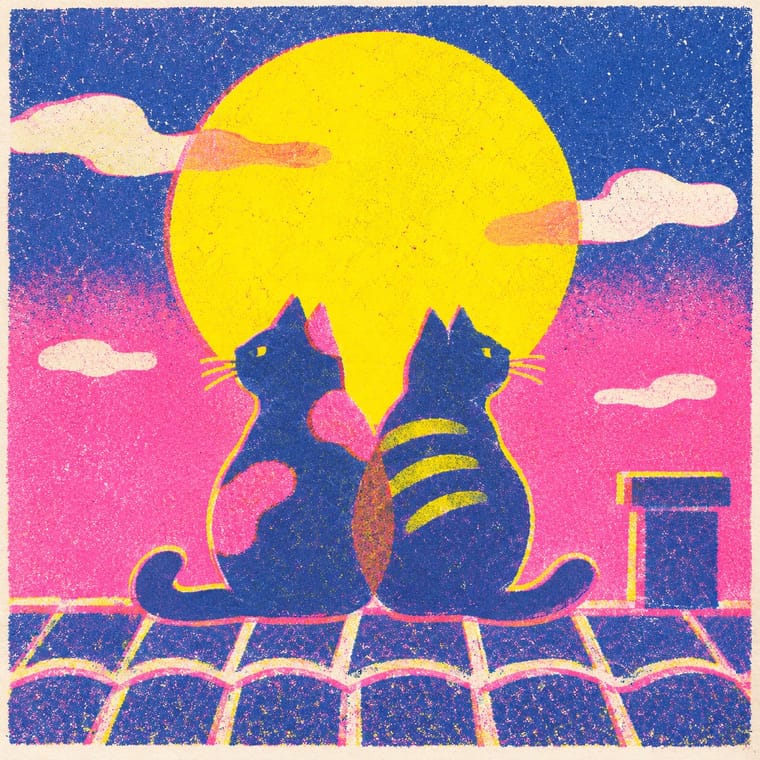
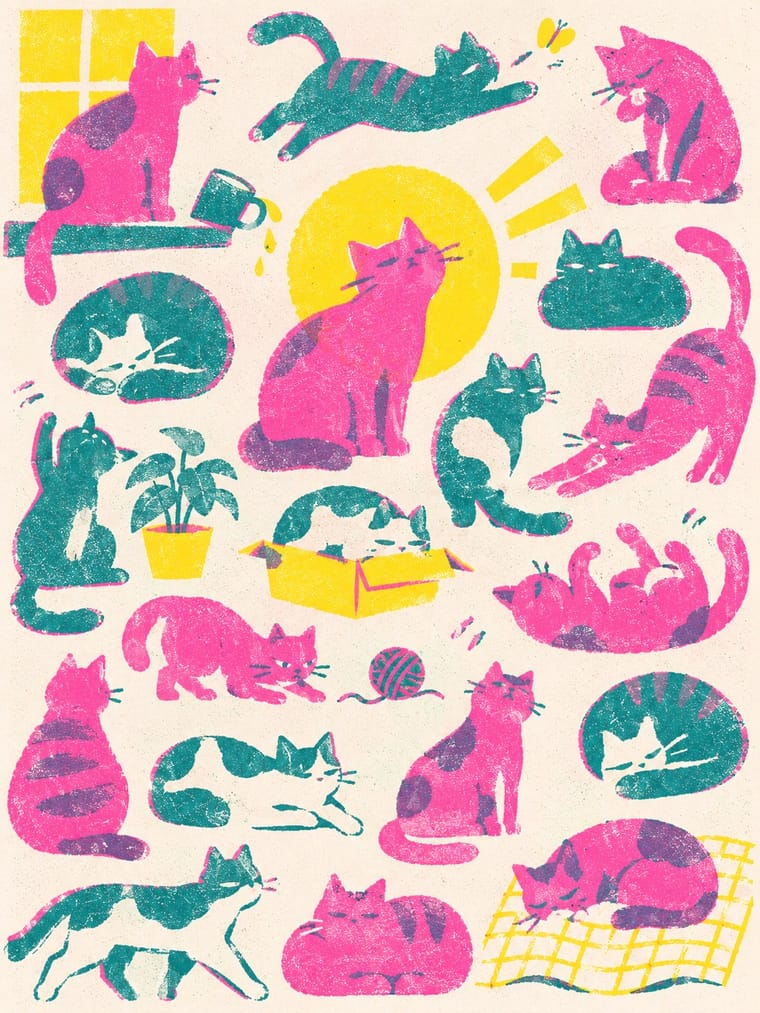
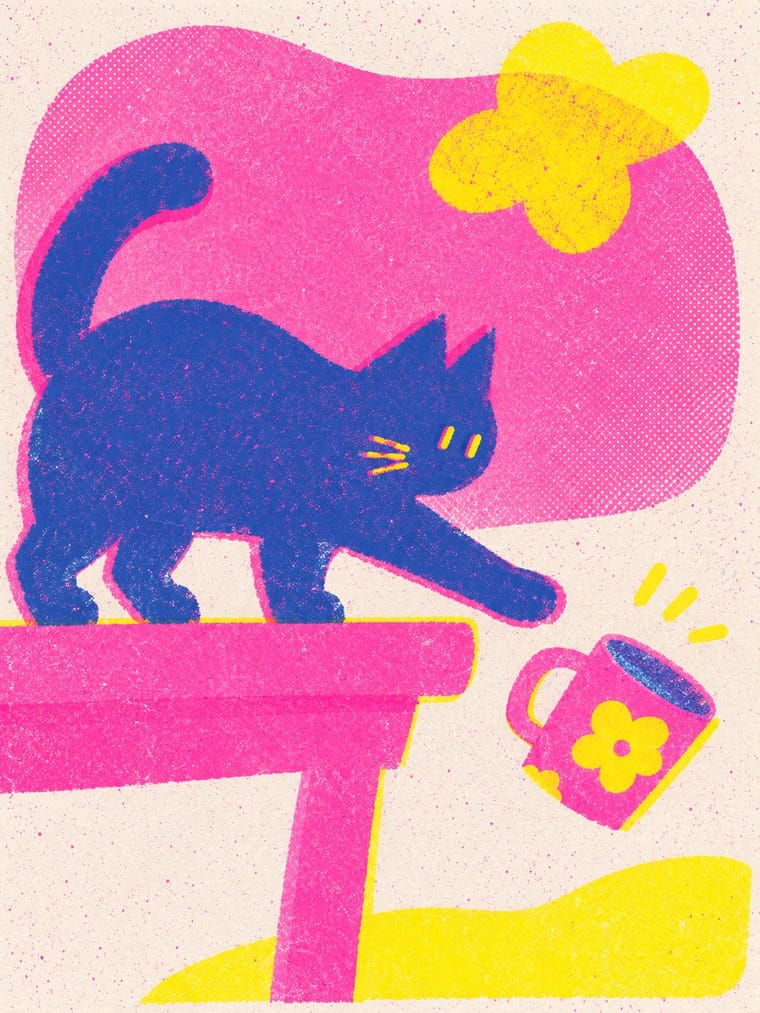
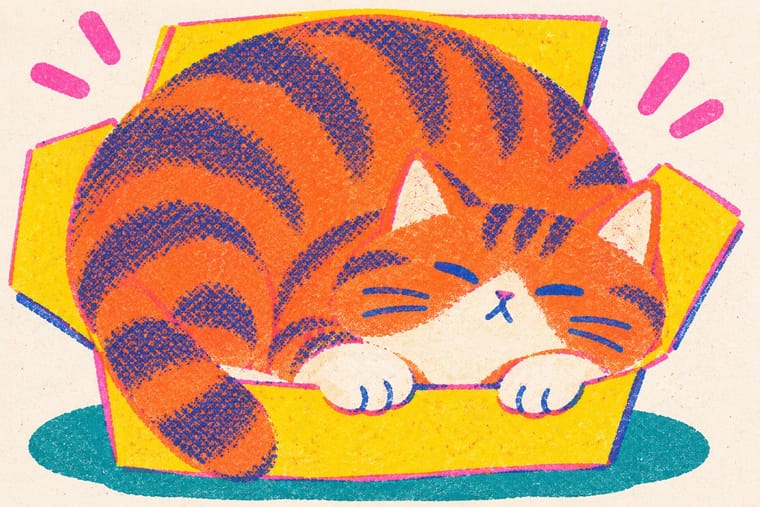
Cats printed on a stencil duplicator: big flat cat shapes in two or three fluorescent riso inks on cream paper, where a pink cat over a blue ground turns purple and a yellow sun over teal grass turns green. The inks slip out of register, the grain is uneven and the edges look cut or brushed rather than drawn with a pen. The cats do what cats do (sleep in sunbeams, knock things off tables, squeeze into boxes, stalk through grass) and are drawn with a few blunt shapes and a dot or two for eyes, never as a cute mascot.
Make something in this style Get advice in this style Mix it with another style
Use it with care
Draw your own cats: leave owned cat characters (Hello Kitty, Garfield, Pusheen, Simon's Cat, Maneki-neko brand mascots) and other illustrators' signature cats alone. Its pictures are made by an image model: label them as generated and don't sell one as a riso print from a studio.
01
More pictures in this style
7 pictures, AI-generated from its design choices: none is a real or historical work.
1 of 6
Try other colours
Change a colour and every picture on this page follows. It happens in your browser, from the same pictures: nothing new is made or saved.
Choose a colour to change it
-
#f4f1ea -
#ff48b0 -
#3255a4 -
#ffe800 -
#00838a -
#ff6c2f
A faded colour isn’t in these pictures, so changing it changes nothing.
Light and dark stay where they are; greys hardly move.
More colours: any style’s, or your own
The pictures show the style’s own colours.
02
Make something in this style
Say what you need, and Stylogeny’s image studio draws it from Risograph Cats’s design choices and checks it against them. It takes about a minute, and you get a link to share.
03
How it works
Palette
-
#f4f1eaground · 37% -
#ff48b0accent · 13% -
#3255a4ink · 9% -
#ffe800accent · 17% -
#00838aaccent · 4% -
#ff6c2faccent · 8%
Shares measured from its 12 pictures. The ground is what the pictures sit on (of the colours covering most, the most neutral), the ink stands out from it most, the rest are accents.
Typefaces
-
Hand-cut or brush-lettered capitals in one of the inks, a little uneven, for a title or one big word
-
A plain grotesque or typewriter face (Space Grotesk, IBM Plex Mono), small, for a date, a price or a zine's credits
Who is in it. Cats and nothing else: of every coat, size and age, with a real cat's weight, doing what cats do. Asleep, stalking, washing, squeezing into boxes, pushing things off tables. No people beyond a hand or a foot at the edge of the sheet, and no mascot faces with big eyes and a smile.
Direction
- What it says
- A cat is a few flat shapes that have decided to stay exactly where they are.
- Performance
- Each cat does the one cat thing its scene names with total conviction: real weight and a real pose, never a mascot's smile.
- Set
- Almost none: only the one thing the scene names, as one or two flat blocks of ink on bare cream paper.
- Light
- No light is drawn. Where a tone is needed a second ink overprints the first, and brightness is a flat block of the lightest ink.
- Camera
- Seen flat, side on or straight from above as the shot says, like cut-paper shapes laid on the sheet.
- Frame
- The scene's shapes are big and flat, sit off centre or are cut by an edge, and at least a third of the paper stays bare.
- Moment
- The second before something happens, or the long hour after it.
- Finish
- Two or three fluorescent riso inks on cream, slipped out of register and grainy, with a third colour appearing only where two inks cross.
- A set of pictures
- A set has one big cat filling the sheet, one small cat in a wide empty sheet, one seen from above, one cropped so only ears and tail show, one pair, and one sheet of many.
- Never
- No black outline, no gradient, no fur texture, no big-eyed mascot face, no fourth ink, no owned cat character.
- Print it in two or three flat riso inks on cream or off-white uncoated paper (fluorescent pink, yellow, medium blue, teal or orange), one layer per ink, and let the layers overprint so a third or fourth colour appears where they cross; show slipped registration, uneven grainy coverage and a coarse halftone where a tone is needed. No gradients, gloss, outlines in black or full colour.
- Draw each cat as one or two big flat shapes with blunt, slightly wobbly edges, as if cut from paper or laid with a broad brush: a round body, triangle ears, a tail in one stroke, eyes as dots or slits, a few stripes or patches. Give it a real cat's weight and pose (curled, stretched, mid-pounce, loaf), not a mascot's big head, big eyes and smile; no realistic fur.
- Make the scene one everyday cat moment told plainly: a sunbeam on a windowsill, a mug about to fall, a box too small, a rooftop at night, tall grass, a crowded sheet of many cats. Keep the background to one or two flat blocks of ink and plenty of bare paper, with one cat or one group as the subject.
- Plan the colour by overprint, not by mixing: decide which ink makes the cat, which the ground, and what their crossing makes (pink over blue purple, yellow over blue green, yellow over pink orange), and keep that logic across the sheet.
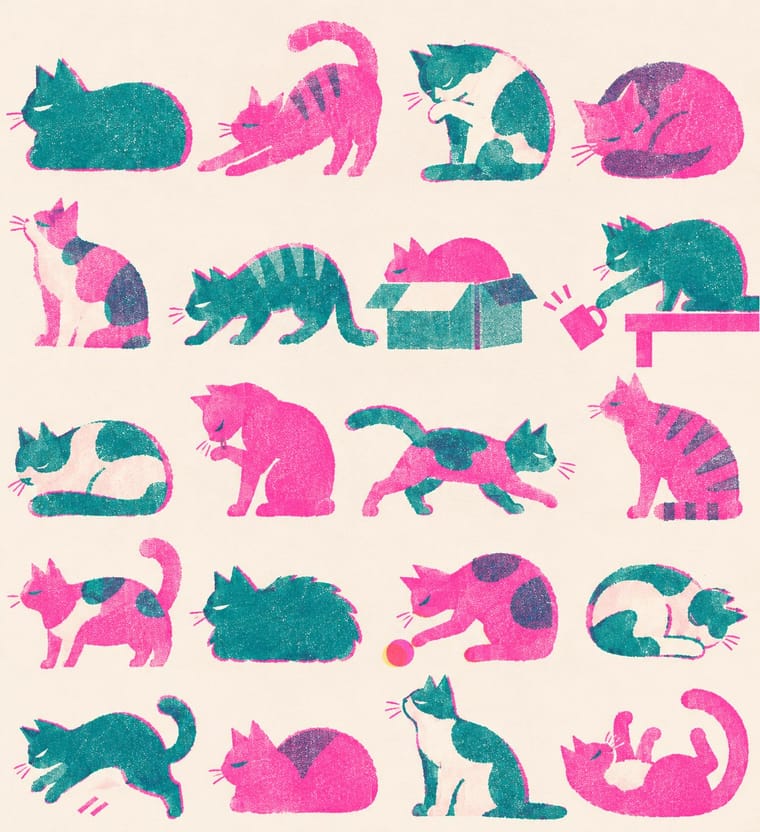
- Vary the sheet: one big cat filling the paper, a small cat in a wide empty space, a repeat pattern of twenty cats in different poses, a cat cropped by the edge with only its tail and ears showing.
- If there are words, keep them few and hand-cut or hand-lettered in one of the inks (a title, a name, one word), set small or as a single big word, never in a slick digital face.
A studio style: made by Stylogeny, not a documented movement.
With an idea put on it
-
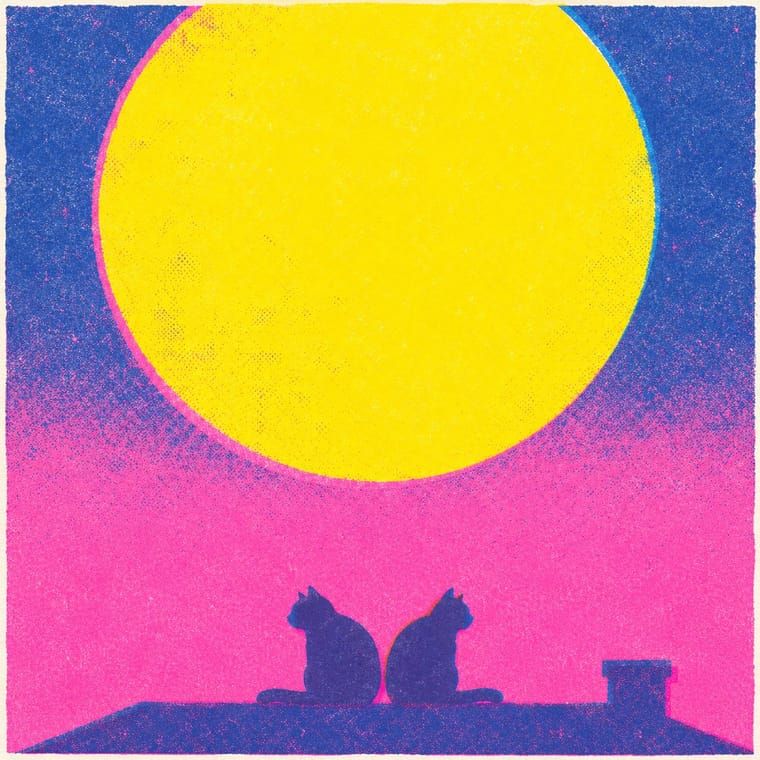
Silhouette Two back-to-back silhouettes under one moon say a whole quarrel without a face. -
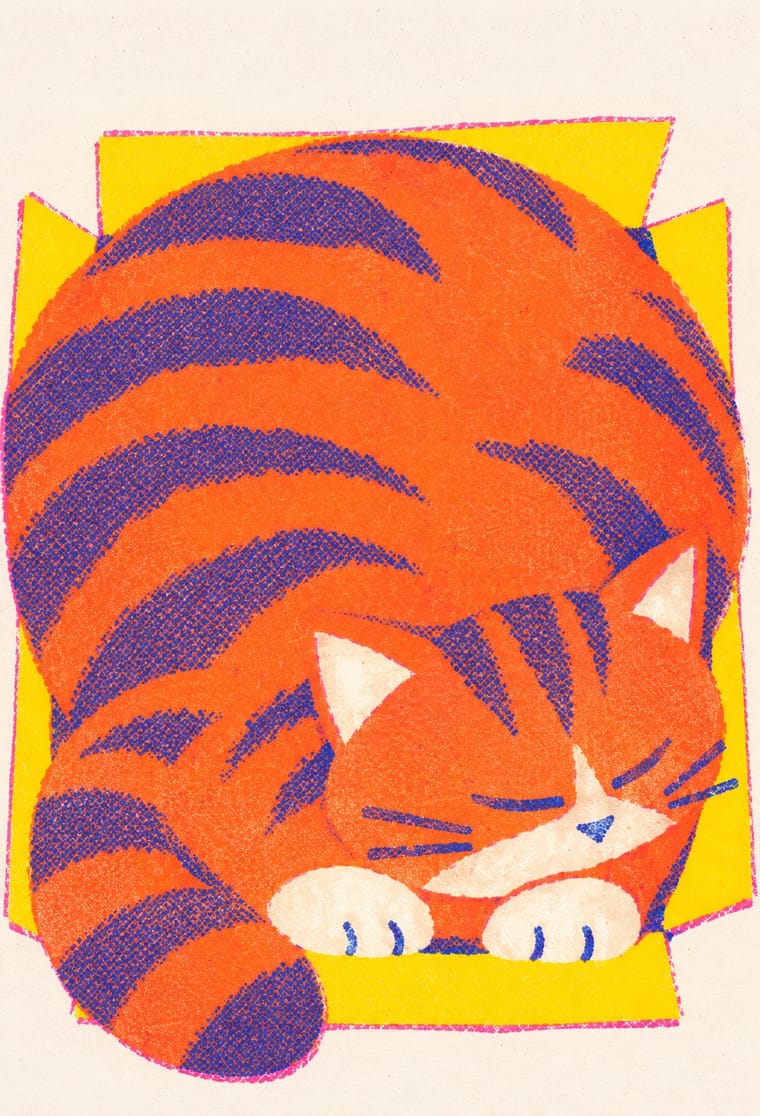
Exaggeration The cat is plainly larger than the box and plainly inside it, which is the whole truth about cats. -
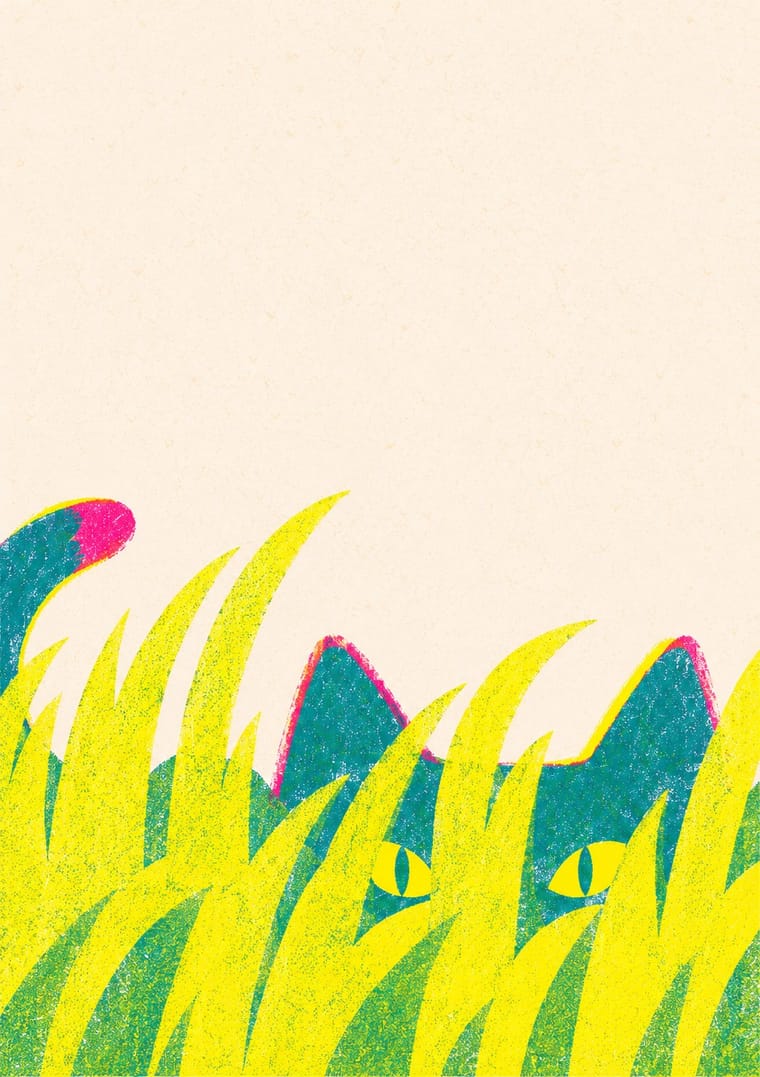
Closure Ears, eyes and a tail tip are all we get, and the eye builds the cat that is about to pounce. -
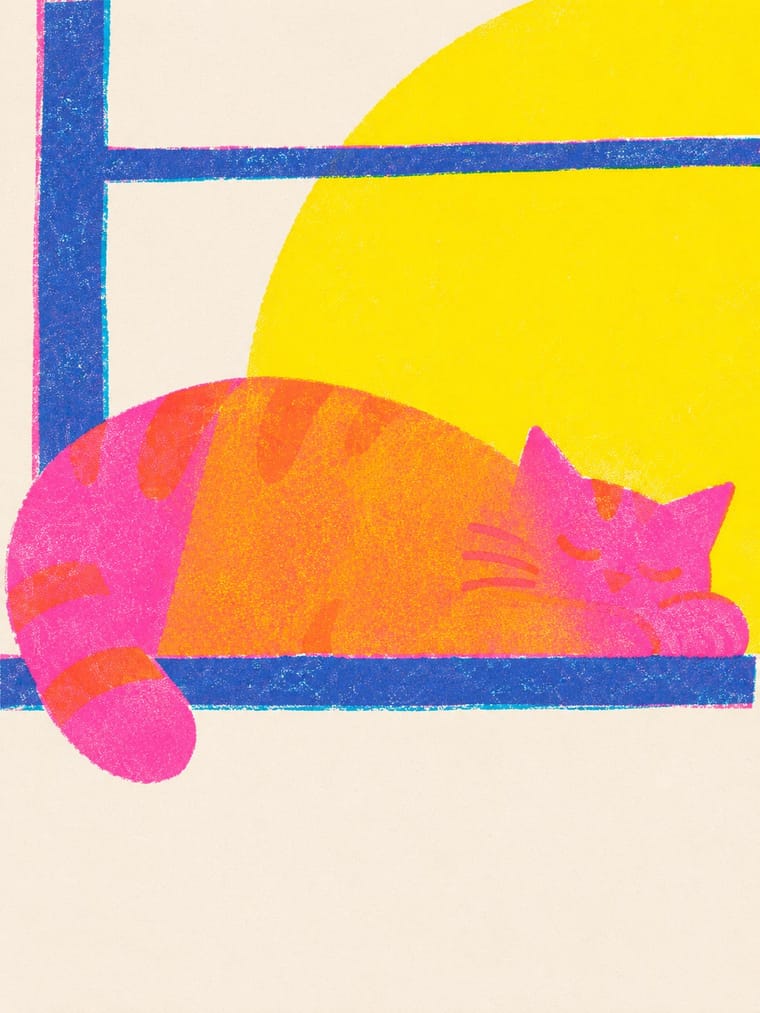
Fusion Where the yellow sun overprints the pink cat the cat turns orange, so the warmth is printed into it. -
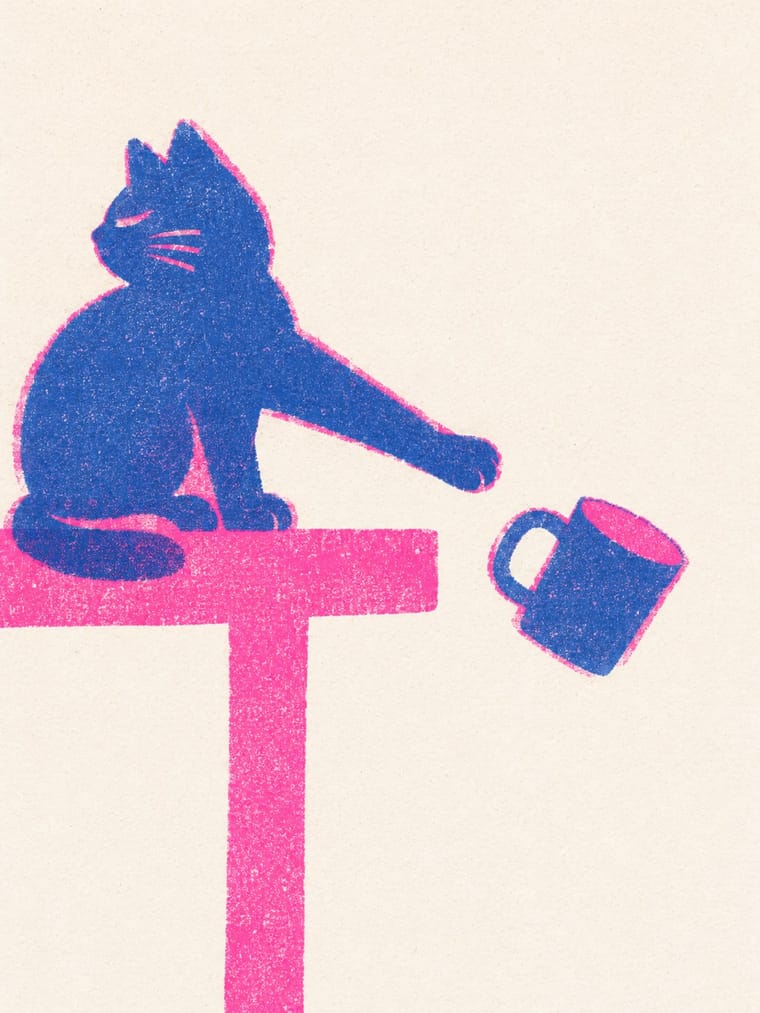
The moment before The mug hangs in the gap between table and floor, and the cat is already looking away.
AI-generated: Risograph Cats with an idea put on it. Not a real or historical work.
Change it with an idea. Any of the 73 moves that make a design say something can go on this style.
04
Its design choices
From Stylogeny’s vocabulary of design choices: defining choices make the style, characteristic ones are usual, occasional ones turn up now and then.
- Layout & composition
- Space & hierarchy
- Typography
- Colour
- Form & shape
- Surface & texture
- Ornament
- Medium & production
- Tone & intent
- Avoids
- Straight photography, Naturalistic depiction, Gloss & highlights, Gradients, Iridescent & holographic, Full polychrome
How its pictures are made Drawn & painted, light, viewpoint, made with, figures
Kind of picture: Drawn & painted How they are made, from the questions Stylogeny asks of that kind:
- Light
-
- Flat form defining
- Shadowless characteristic
- Cast shadows as shapes occasional
- Viewpoint
-
- Flattened planes defining
- Eye level characteristic
- Middle distance characteristic
- Overhead & flat lay occasional
- Made with
-
- Cut & torn paper characteristic
- Brush & ink occasional
- Gouache & poster paint occasional
- Figures
-
- Animals & hybrids as characters defining
- Built from geometric shapes characteristic
- Faceless & simplified features characteristic
What new pictures of it show
Subjects Stylogeny draws it with, each taken from a kind of real work the style was made for.
- poster A fat orange cat asleep across a windowsill in a sunbeam, the sun a big yellow block overprinting the pink cat, one blue window frame, lots of bare cream paper
- zine A black cat, printed as blue over pink, pushing a mug off the edge of a table, the mug in mid-air, seen side on
- wall poster A repeat pattern of twenty cats in different poses (stretching, washing, curled, mid-pounce, loaf) in teal and fluorescent pink on cream, slightly out of register
- record sleeve Two cats sitting back to back on a rooftop at night under a huge yellow moon, the night sky made by blue over pink, the cats as flat dark shapes
- postcard A big tabby squeezed into a cardboard box far too small for it, in orange and blue with coarse halftone stripes, seen from above
- book cover A cat stalking through tall grass so that only its ears, eyes and tail show, the grass green where yellow prints over teal, the cat cropped by the edge
05
What it’s close to
One of our own styles: Stylogeny made it from its own design choices, so no earlier style is claimed.
Risograph Cats Made 2026
No later style in the atlas grew out of it yet.
Alike in its design choices
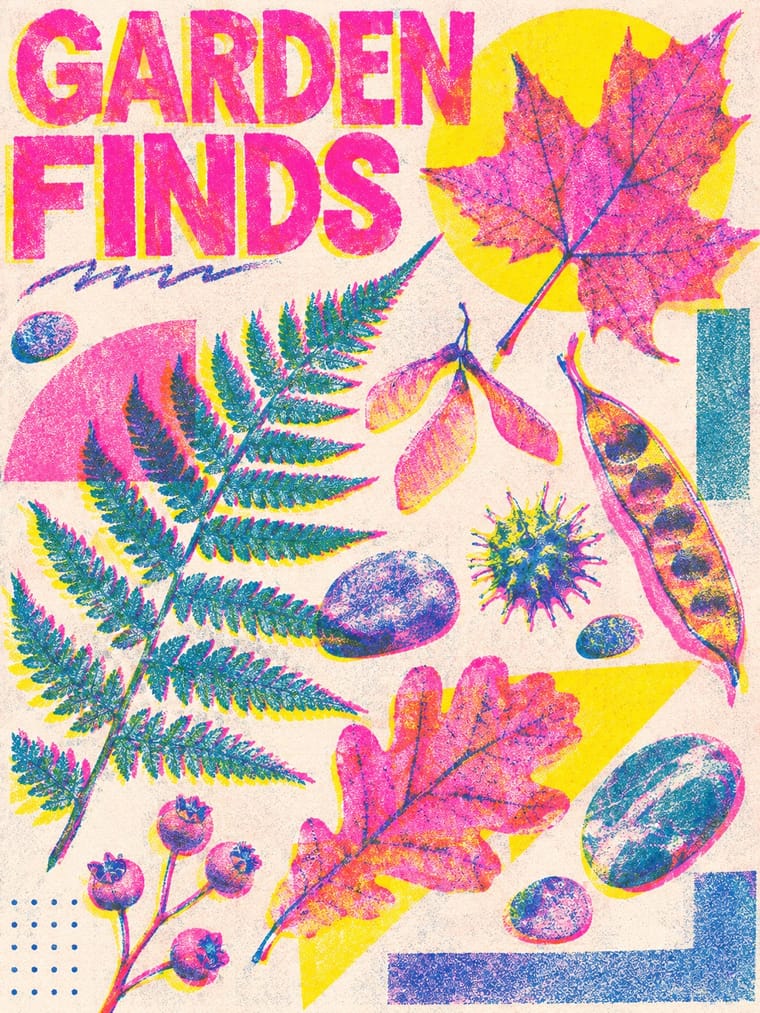
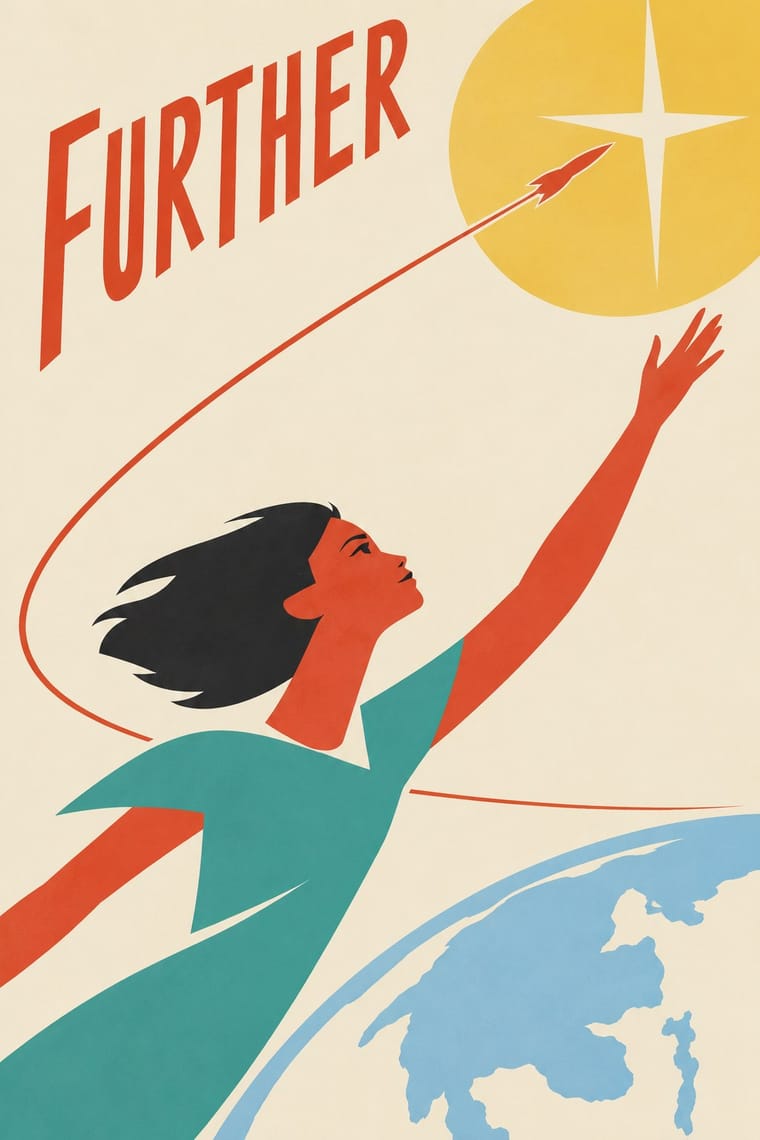
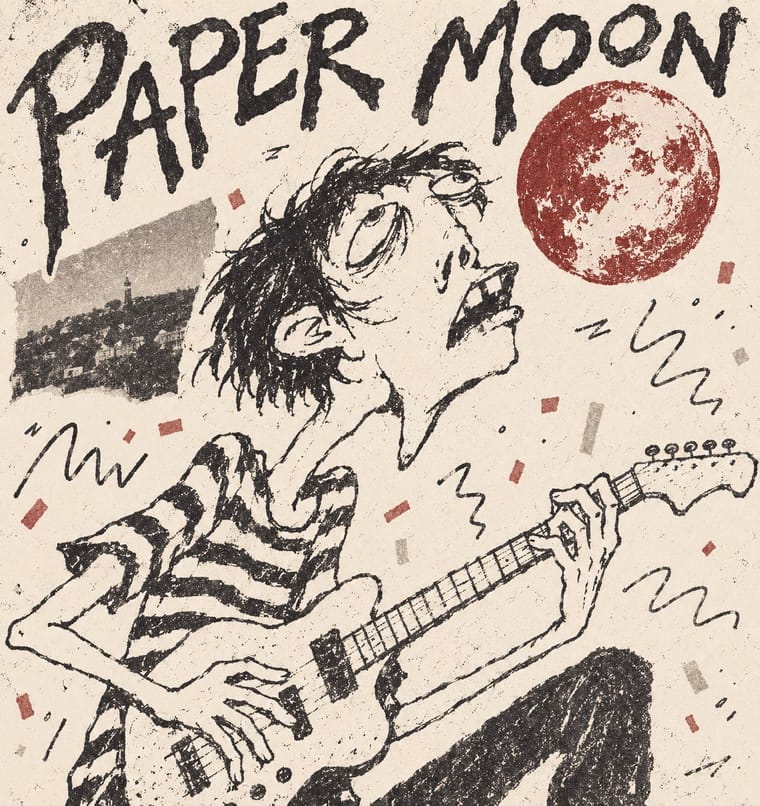
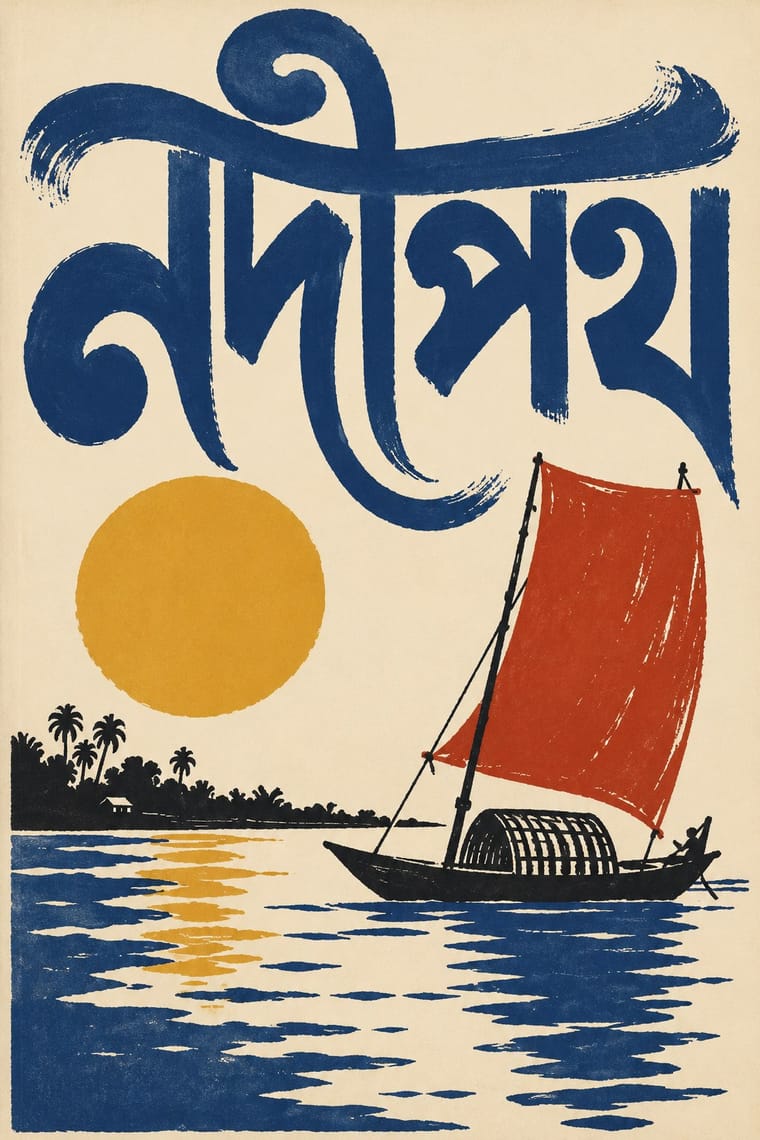
06
Often taken for
risograph-cats has no real works recorded yet, so these are its nearest styles by its choices alone, with the choices that tell them apart.
-
Risograph & Indie Print Culture
Risograph & Indie Print Culture is one of risograph-cats’s nearest styles by choices; no real work of either fits the other better.
Choices that tell Risograph Cats and Risograph apart Choice Risograph Cats Risograph Biomorphic curves characteristic — Gradients avoids occasional Rounded & pill characteristic — Geometric primitives — characteristic Single focal point characteristic — No shared descent in the atlas: they reached these choices separately.
-
Thaw Modernism (Soviet and Czechoslovak)
Thaw Modernism is one of risograph-cats’s nearest styles by choices; no real work of either fits the other better.
Choices that tell Risograph Cats and Thaw Modernism apart Choice Risograph Cats Thaw Modernism Grain & noise defining — Dynamic asymmetry occasional defining Misregistration & overprint defining — Pastel — characteristic Fluorescent & neon characteristic — No shared descent in the atlas: they reached these choices separately.
-
Flying Nun DIY Sleeves (Dunedin Sound Cover Art)
Flying Nun DIY Sleeves is one of risograph-cats’s nearest styles by choices; no real work of either fits the other better.
Choices that tell Risograph Cats and Flying Nun DIY Sleeves apart Choice Risograph Cats Flying Nun DIY Sleeves Misregistration & overprint defining — Distortion & exaggeration — defining Flat fields defining occasional Line illustration occasional defining Stylised figuration defining occasional No shared descent in the atlas: they reached these choices separately.
-
Bengali Modernist Book Cover (Prachchhad)
Bengali Modernist Book Cover is one of risograph-cats’s nearest styles by choices; no real work of either fits the other better.
Choices that tell Risograph Cats and Bengali Modernist Book Cover apart Choice Risograph Cats Bengali Modernist Book Cover Grain & noise defining — Type as image — defining Misregistration & overprint defining — Line illustration occasional defining Fluorescent & neon characteristic — No shared descent in the atlas: they reached these choices separately.
— means the choice isn’t among the style’s recorded choices. Critics recorded each work’s choices with the styles’ descriptions in view, so this shows whether the descriptions hold together, not proof that they are right.