Idea · Leave a gap
Silhouette
A figure or object reduced to its solid outline; the viewer supplies everything inside it.
It answers the question What does the viewer complete in their own mind?
Try it on any style Try it on a photo of your own See it on 3 styles
What it does
Instant recognition, mystery or universality: anyone can be the figure.
Silhouette, put on a style
Each picture is a style from the atlas with this idea put on it, beside the same style as it is. All are AI-generated: none is a real or historical work.
-
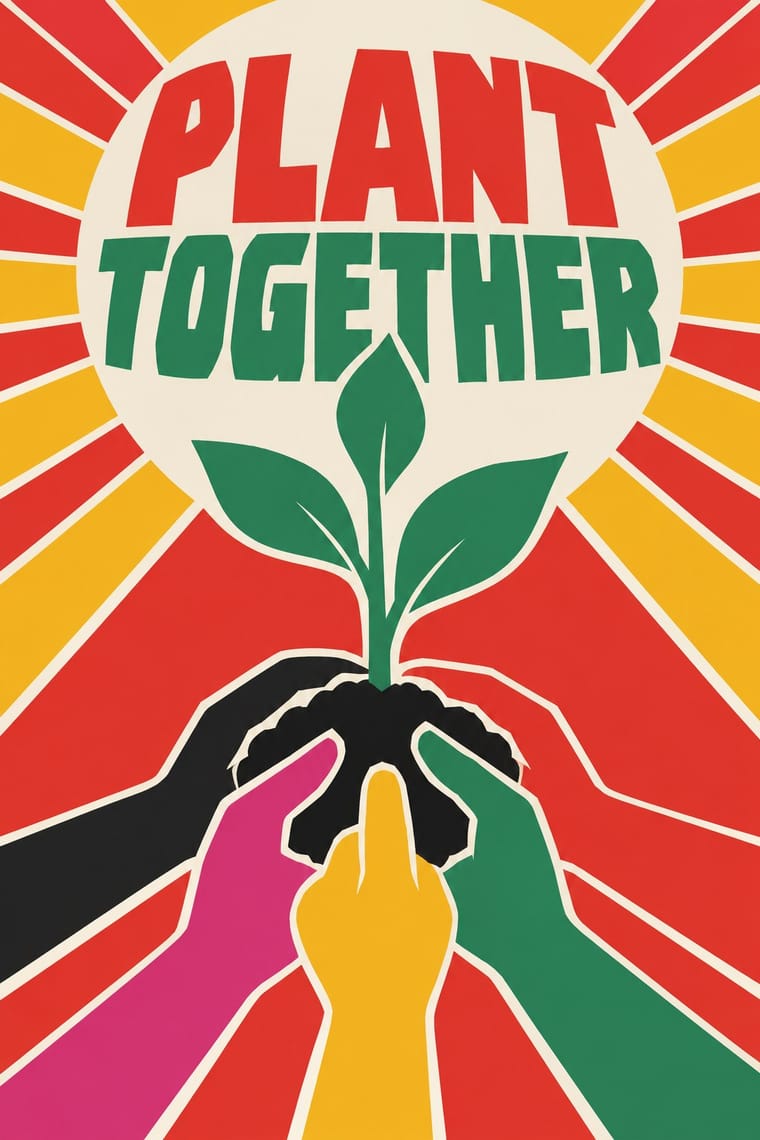
As it is 
With silhouette Cuban Revolutionary Poster (OSPAAAL & ICAIC) A flat black silhouette of a child's head in profile is filled with an open book whose pages turn into birds flying out of the head: reading sets the mind free.
-
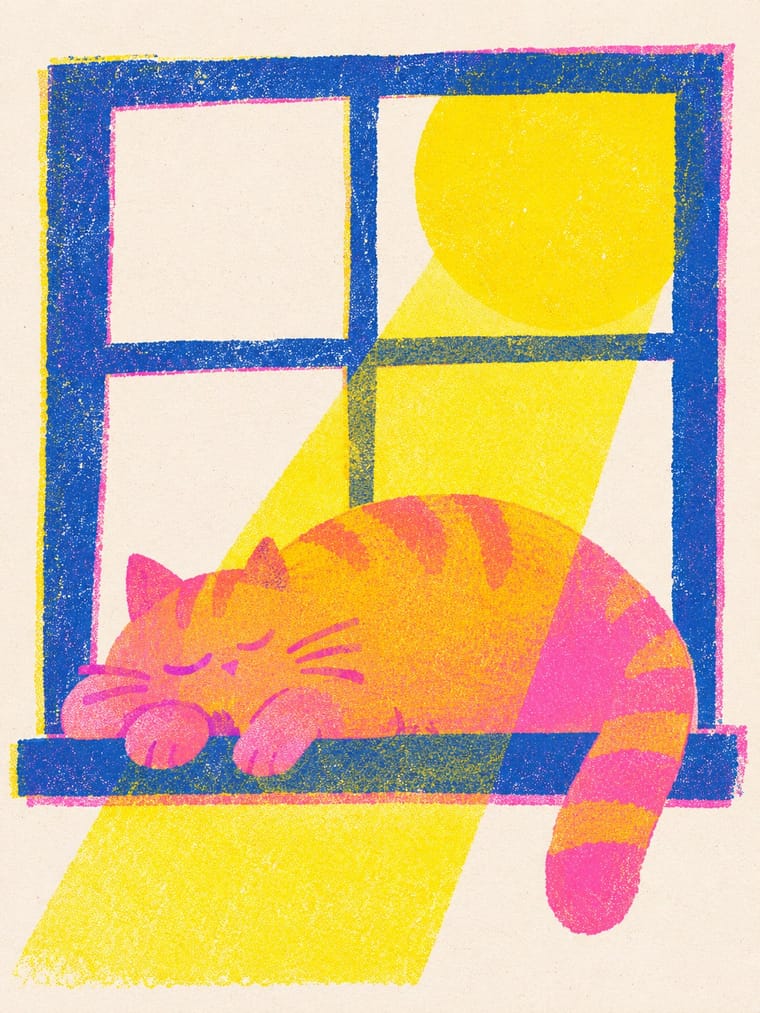
As it is 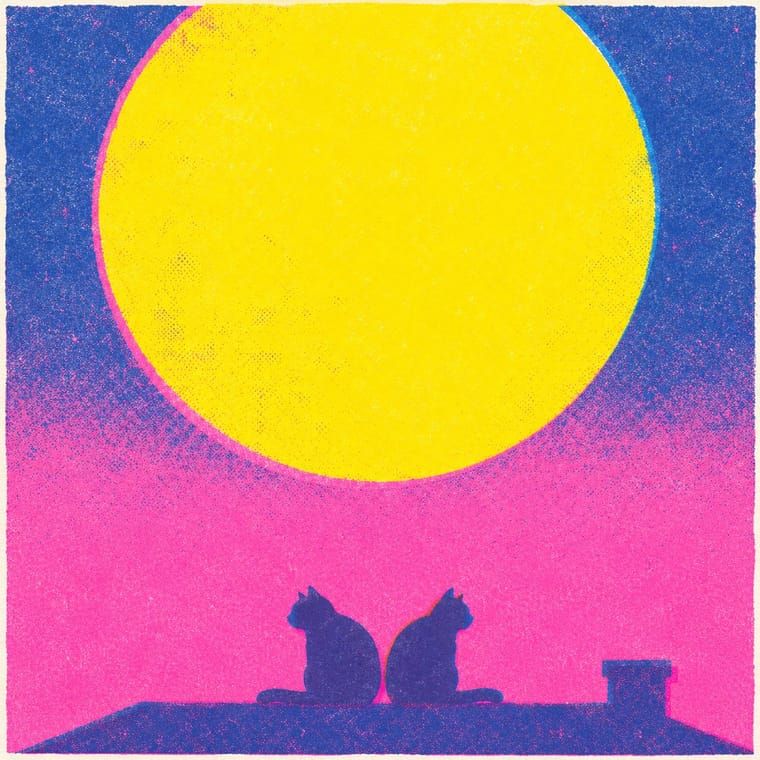
With silhouette Risograph Cats Two back-to-back silhouettes under one moon say a whole quarrel without a face.
-

As it is 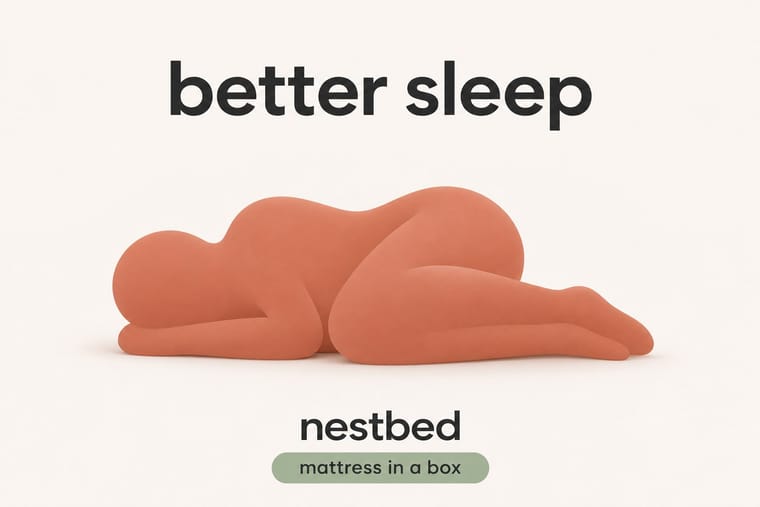
With silhouette DTC 'Blanding' / Millennial Minimalism A single solid silhouette of a person curled asleep on their side, knees drawn up, lies across an otherwise empty field, with no face, age or clothes to read, so anyone on the platform could be the sleeper.
Try it on any style
Pick a style, any style, and tell the image model:
Render the key figure as a solid, flat silhouette, recognisable by its outline alone.
Then write the idea in one sentence, saying what the picture shows and what that gets across. If the idea leans on the words, check it against them. A tap for the O in a headline that has no O breaks the word.
Mix styles writes the rest of the prompt for any style in the atlas, or a blend of a few. Add the line above and your sentence to it.
Where it has been used
Real works that use it, named so you can look them up. Stylogeny shows no pictures of them.
- Apple’s iPod silhouette campaign (2003)
Styles known for it 9
These styles use it often. For those marked signature, it is part of what they are. Any other style can take it too.
- Cuban Revolutionary Poster (OSPAAAL & ICAIC) signature Guerrillas, rifles and profiles are cut to flat, high-contrast silhouettes, often filled with a second image, like Daysi García's head in profile holding a tree and an armed family (OSPAAAL, 1968).
- Isotype Pictorial Statistics signature Gerd Arntz's flat frontal or profile silhouettes, with no faces, perspective or incidental detail, turn each figure into a generic unit (a worker, a car, a ship) that stands for any member of its class.
- Saul and Elaine Bass Conceptual Film Graphics signature Figures are flat cut-paper silhouettes on an empty ground: the corpse on the Anatomy of a Murder poster (1959), the figures sucked into the spiral vortex on the Vertigo poster (1958).
- Siluetazo (Life-Size Silhouette Posters) signature A life-size human outline, often traced around a marcher lying on the paper, stands for one disappeared person and is left plain, so a name, a date or a face can be read into it (first Siluetazo, Buenos Aires, 21 September 1983).
- American Mid-Century Modernism Cuts the key figure or bodily fragment into a solid, economical outline, making Bass's black arm recognisable without modelling, facial expression or descriptive detail.
- Belle Époque Lithographic Poster Reduces background spectators to solid black outlines, as in Moulin Rouge: La Goulue, so the crowd reads instantly while the dancer remains the focus.
- Japanese Postwar Modernism The Tokyo 1964 pictograms by Masaru Katsumie and Yoshiro Yamashita reduce each sport to a solid stylised figure read by its outline alone, so visitors recognise it whatever their language.
- Plakatstil / Sachplakat The product is cut down to a near-solid shape in one or two flat colours with hardly any modelling inside, so a match, a shoe or a typewriter is known by its outline alone from a passing tram.
- West German Conceptual Film & Culture Poster (Hillmann and Rambow) The film is cut to one solid black shape: Hillmann's Crime et châtiment (1962) is a figure in a top hat, the word 'Crime' brushed into the white gap where the face would be.