Pictorial & machine age · 1970–1985 · Sub-Saharan Africa
Mozambican Revolution Poster
Also known as FRELIMO posters, Our Sophisticated Weapon posters, DNPP Maputo posters, A luta continua posters
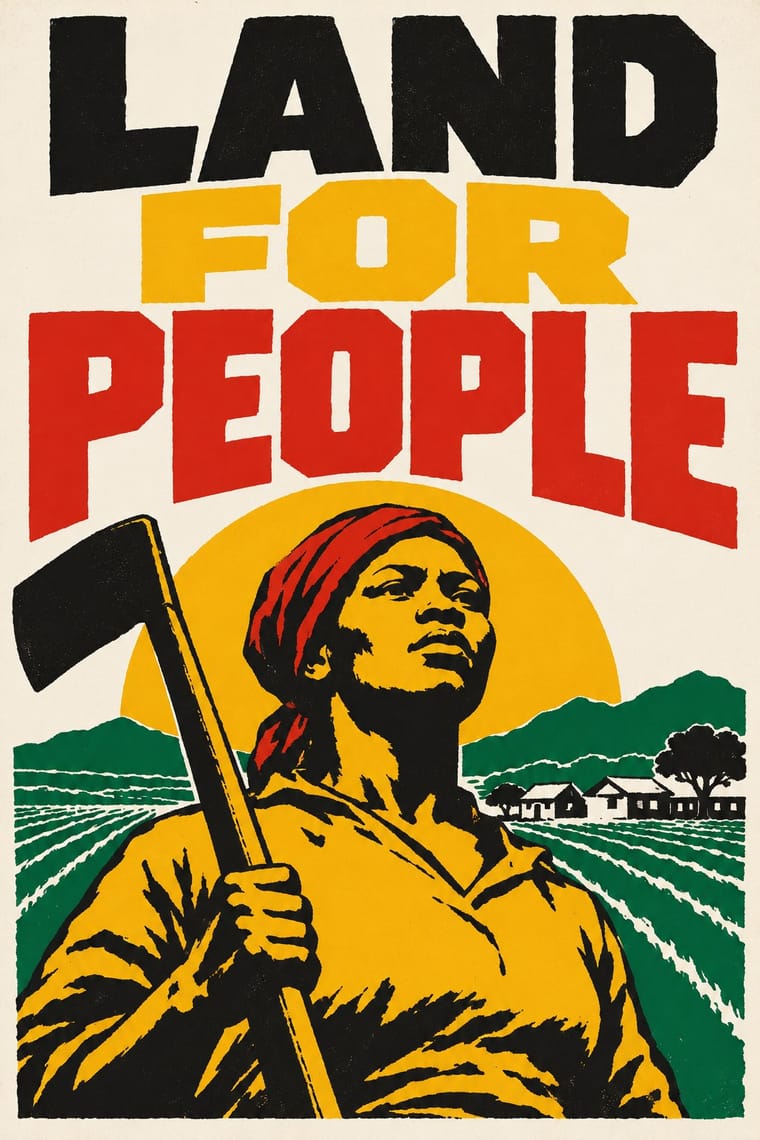
State posters made mostly in Maputo after independence in 1975 by anonymous in-house artists, with a few FRELIMO sheets from 1970-72. Screenprinted and, per the research brief, three-colour offset, they set Portuguese slogans beside stylised workers, farmers, women and liberation heroes, aiming to build a 'new man' and a new nation. Unlike cuban-poster, the subjects are Lusophone, anti-colonial development campaigns.
Use it with care
These were the propaganda of a ruling party in a one-party socialist state, issued by its Department of Propaganda and Publicity, and the period includes the later civil war. The 'new man' ideal is described here as the posters' stated aim, not endorsed. Use the look for study, homage or commemoration with that context in view.
01
How it works
Palette
-
#e8dcc0 -
#c8281e -
#1b1b1b -
#e0a62a -
#2f7a3f
Typefaces
-
Bold hand-drawn style Portuguese slogan lettering
to be checked against the posters
-
Poster showcard lettering
to be checked against the posters
- Put one stylised worker, farmer, woman or liberation hero at the centre and make the slogan answer the figure.
- Carry the message in Portuguese in bold lettering (the brief does not confirm the letterforms, so check them against the posters themselves).
- Tie each poster to a national campaign or date: production, harvest, May Day, anniversaries, the memory of Josina Machel.
- Keep to a few colours: screenprint, and per the brief three-colour offset, so runs stay cheap.
- Show the nation as a collective of workers, soldiers and women, and keep the artist's name off the sheet.
Maputo, Mozambique; the government's Department of Propaganda and Publicity (DNPP), mostly after independence in June 1975, with a few posters from 1972 and a FRELIMO portfolio dated 1970-1975
02
Its design choices
From Stylogeny’s vocabulary of design choices: defining choices make the style, characteristic ones are usual, occasional ones turn up now and then.
- Layout & composition
- Space & hierarchy
- Typography
- Form & shape
- Surface & texture
- Medium & production
- Tone & intent
- Avoids
- Ironic & self-aware, Abundant decoration, Gloss & highlights, Fluorescent & neon, Script, Non-representational, Luxurious & glamorous
Known for
-
'Our Sophisticated Weapon: Posters of the Mozambican Revolution'
25 posters; SOAS Brunei Gallery, 15 Oct to 11 Dec 2021; The Africa Centre, London, 2022
-
Posters by in-house DNPP artists José Freire (1930-1998), João Craveirinha Jr (b. 1947) and Manuel Ruas (b. 1953); the posters were issued anonymously, so these names are not authors of every sheet
-
'Win the Battle of Production'
-
'Let Us Harvest All the Cashew Nuts'
-
FRELIMO 3rd Party Congress poster
1977
-
Center for the Study of Political Graphics
'FRELIMO Posters' portfolio (1970-1975; the finding aid names Josina Machel)
03
Where it comes from, and what it’s close to
Grew out of
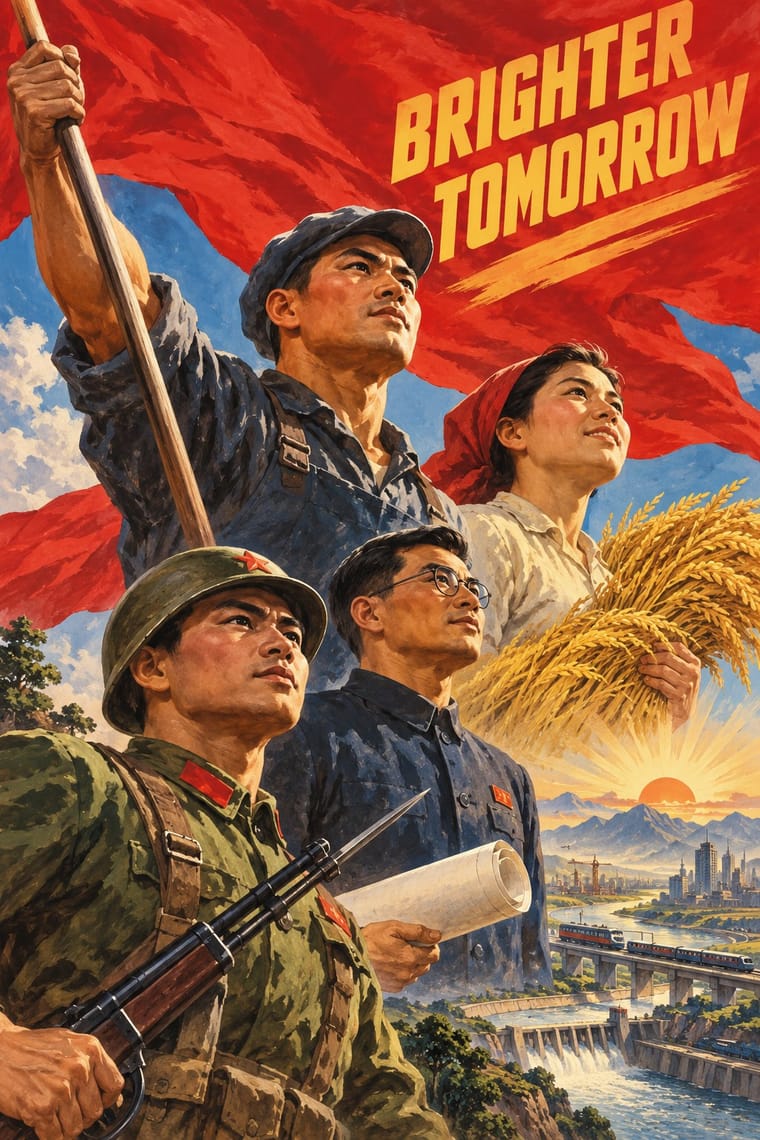
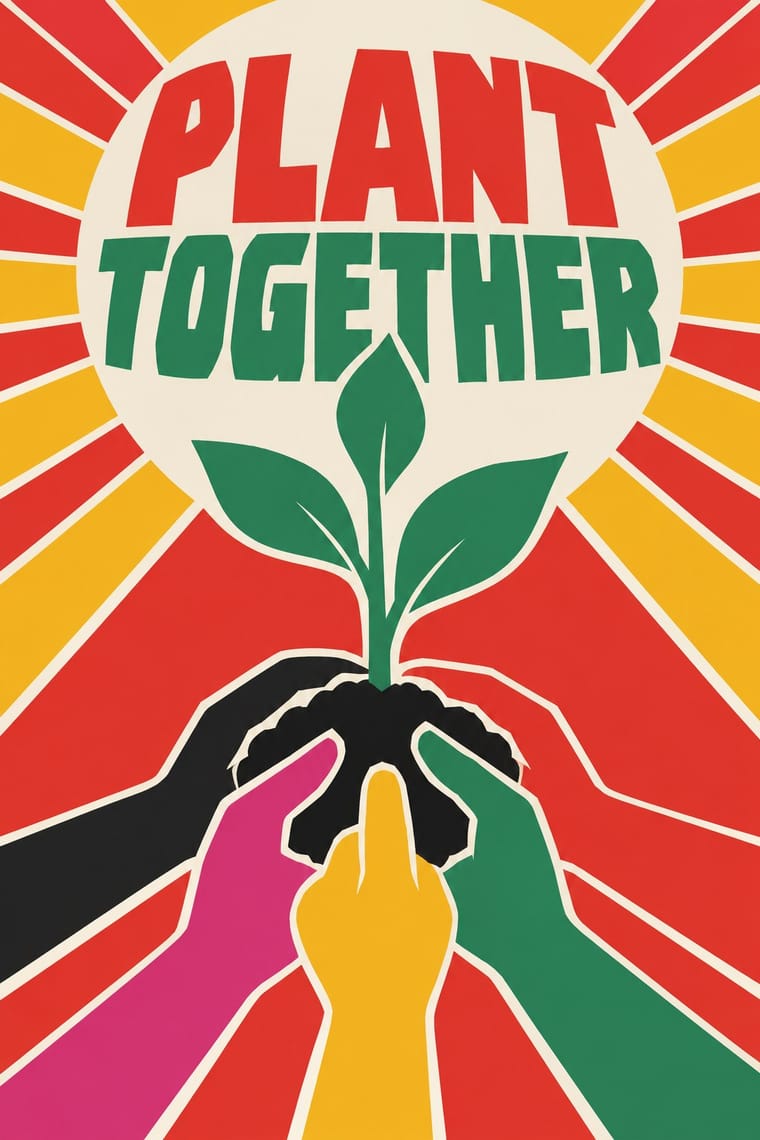
Mozambican Revolution Poster 1970–1985
No later style in the atlas grew out of it yet.
Alike in its design choices
04
Often taken for
Mozambican Revolution Poster has no real works recorded yet, so these are its nearest styles by its choices alone, with the choices that tell them apart.
-
WPA Silkscreen Posters
1 of WPA Silkscreen Posters’s 5 real works fits Mozambican Revolution Poster’s choices better than its own: W.P.A. Federal Theatre Project Living Newspaper presents…
Choices that tell Mozambican Revolution Poster and WPA Silkscreen Posters apart Choice Mozambican Revolution Poster WPA Silkscreen Posters Dynamic asymmetry characteristic — Earth & mineral — characteristic Extreme scale contrast characteristic — Flat vector illustration — characteristic Type as image characteristic — No shared descent in the atlas: they reached these choices separately.
-
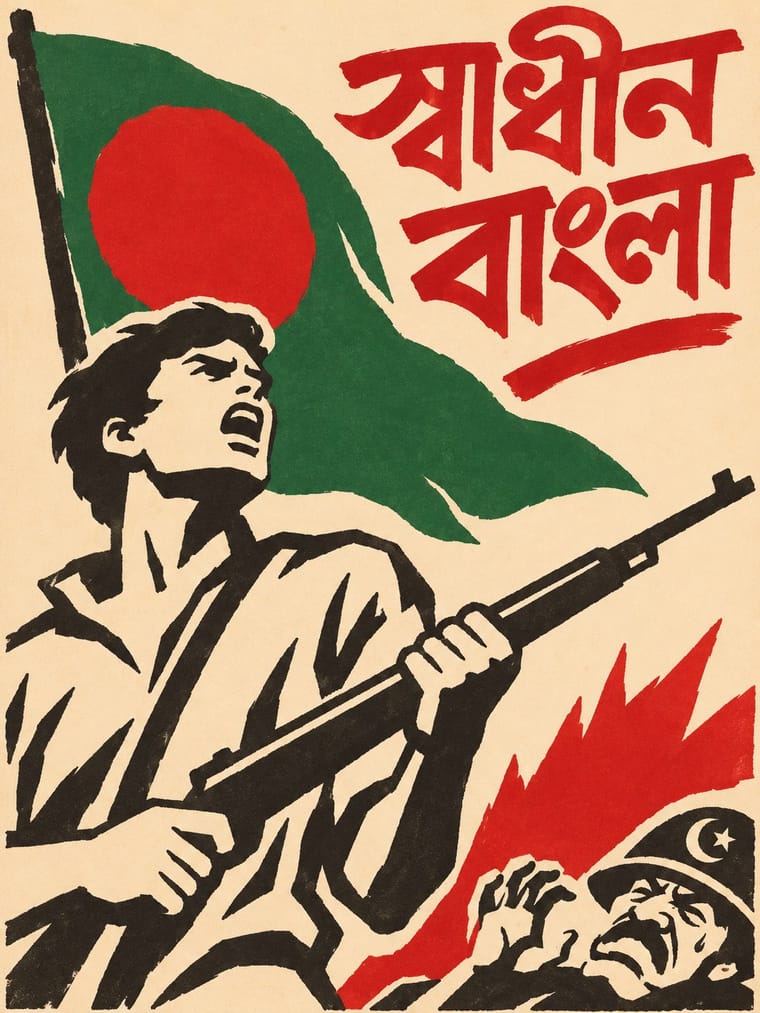
Bangladesh Liberation War Poster (Muktijuddho Poster)
Bangladesh Liberation War Poster is one of Mozambican Revolution Poster’s nearest styles by choices; no real work of either fits the other better.
Choices that tell Mozambican Revolution Poster and Bangladesh Liberation War Poster apart Choice Mozambican Revolution Poster Bangladesh Liberation War Poster All caps characteristic — Distortion & exaggeration — characteristic Utopian & idealistic defining — Line illustration — characteristic Screen printing defining occasional No shared descent in the atlas: they reached these choices separately.
-
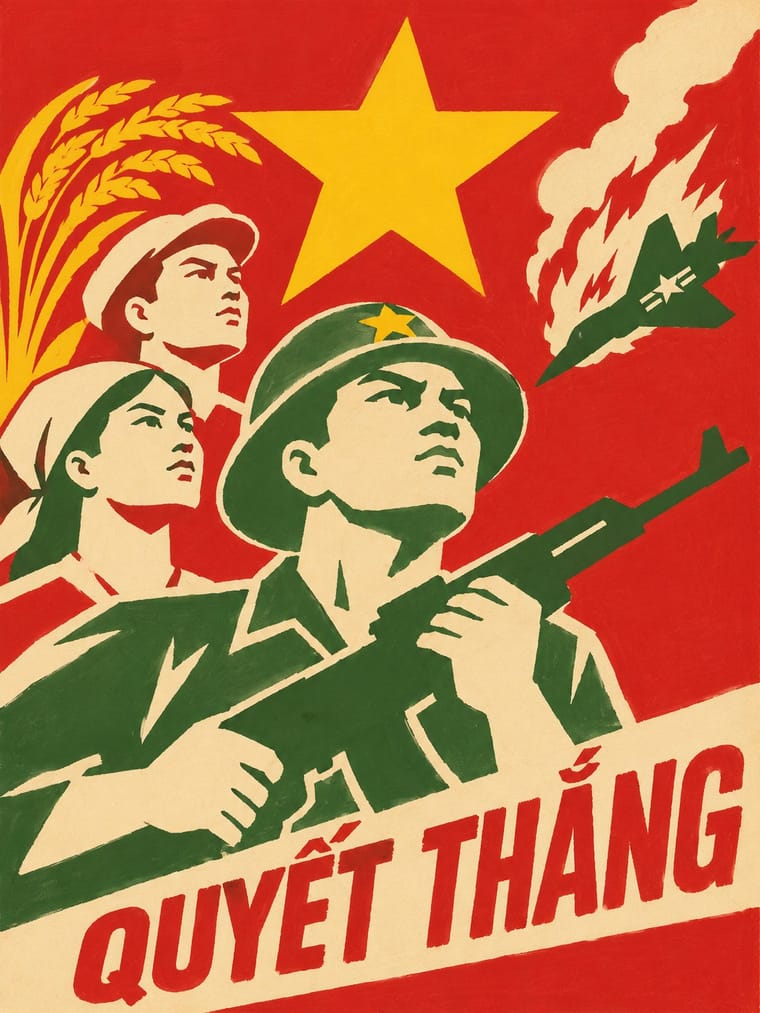
Vietnamese Propaganda Poster (Tranh cổ động)
Vietnamese Propaganda Poster is one of Mozambican Revolution Poster’s nearest styles by choices; no real work of either fits the other better.
Choices that tell Mozambican Revolution Poster and Vietnamese Propaganda Poster apart Choice Mozambican Revolution Poster Vietnamese Propaganda Poster Dynamic asymmetry characteristic — Diagonal axis — characteristic Measured density characteristic — Full bleed — characteristic Type as image characteristic — Both descend from Socialist Realist Propaganda Poster in the family tree.
-
Cuban Revolutionary Poster (OSPAAAL & ICAIC)
Cuban Revolutionary Poster is one of Mozambican Revolution Poster’s nearest styles by choices; no real work of either fits the other better.
Choices that tell Mozambican Revolution Poster and Cuban Revolutionary Poster apart Choice Mozambican Revolution Poster Cuban Revolutionary Poster Dynamic asymmetry characteristic — Complementary clash — characteristic Measured density characteristic — Full polychrome — characteristic Type as image characteristic — Mozambican Revolution Poster borrowed from Cuban Revolutionary Poster, but neither descends from the other.
— means the choice isn’t among the style’s recorded choices. Critics recorded each work’s choices with the styles’ descriptions in view, so this shows whether the descriptions hold together, not proof that they are right.
05
Sources
- https://alutacontinua.art/
- https://oac.cdlib.org/findaid/ark:/13030/c8959k7m_al_b7b5fe719bd128d675b82ecfcd5396e74a2c2812
- https://en.wikipedia.org/wiki/FRELIMO
How Stylogeny researches and checks a style: where the facts come from.