One of our own styles · made in 2026
Warm Drifts
Snow settles only on what is warm: in a thick snowfall it piles a hand high on people's heads and shoulders, lies along a dog's back and domes a hot cup, while the wet street, the parked cars and the benches right beside them stay bare and dark. Straight colour photographs through a short telephoto lens in the soft light of a heavy snowfall, raspberry and cyan coats against wet basalt and graphite, and nobody minds. For coffee, soup and street food, heating and insulation, outdoor clothing, pets and anything about warmth that others can see.
Make something in this style Get advice in this style Mix it with another style
Use it with care
Keep it warm and kind: never suggest anyone is freezing, ill, lost or sleeping rough, and never show an animal suffering in the cold. Show no real place, brand or person. Its pictures are made by an image model: label them as generated and never pass one off as a real photograph.
01
More pictures in this style
2 pictures, AI-generated from its design choices: none is a real or historical work.
Try other colours
Change a colour and every picture on this page follows. It happens in your browser, from the same pictures: nothing new is made or saved.
Choose a colour to change it
-
#f4f8fb -
#232a3a -
#4a5060 -
#e8175d -
#00c2d1
A faded colour isn’t in these pictures, so changing it changes nothing.
Light and dark stay where they are; greys hardly move.
More colours: any style’s, or your own
The pictures show the style’s own colours.
02
Make something in this style
Say what you need, and Stylogeny’s image studio draws it from Warm Drifts’s design choices and checks it against them. It takes about a minute, and you get a link to share.
03
How it works
Palette
-
#f4f8fbink · 4% -
#232a3aaccent · 19% -
#4a5060ground · 40% -
#e8175daccent · 1% -
#00c2d1accent · 2%
Shares measured from its 4 pictures. The ground is what the pictures sit on (of the colours covering most, the most neutral), the ink stands out from it most, the rest are accents.
Typefaces
-
Akzidenz-Grotesk
-
A plain grotesque set small in snow white on the wet dark ground, one calm line about warmth
Who is in it. Grown women and men of today, twenty to eighty, of every build, skin and background, in a coat, hat or scarf of raspberry or cyan with charcoal trousers, never white, grey or black on top. They do the one task the scene names, calm, eyes open on their hands or path, never brushing off the snow, looking up, shivering or posing; animals keep their own dark coats. A scene has only the figures it names, and a scene that names nobody has nobody in it.
Direction
- What it says
- Falling snow lands only on what is warm and lies there far deeper than it could, right beside cold things it does not touch at all, and everyone goes on with their day as if snow had always chosen.
- Performance
- People do the one outdoor task the scene names at an everyday pace, carrying their mound of snow as if it were part of their hat, eyes open on their hands or their path. They never brush it off, tilt their head to keep it, look up at the sky, shiver, point or look at us.
- Set
- Only the one street-level place of today the scene names and only the things it names, its ground wet, dark blue-grey basalt setts, every cold thing in it bare and wet with not one flake on it; no snow anywhere but on the warm people, animals and things the scene names.
- Light
- The soft daylight of a heavy snowfall from a white sky, a shade brighter from the left, so each mound of snow has a faint blue-grey shade on its right side and the wet ground holds dull reflections of the coats; no sun, lamp, flash or glow.
- Camera
- A 70 mm lens on a real camera at a standing adult's chest height, level or tipped a little down as the shot names, stopped down so the snowed-on warm thing and the bare cold one beside it are both sharp, flakes frozen in the air. Never above head height or below the knee, never tilted, wide-angle or fisheye.
- Frame
- The snowed-on warm thing and the bare cold thing beside it share the middle third of the frame, touching or a hand apart, both whole, with nothing between them and the lens; the wet ground or surface they stand on shows along the bottom; an edge may cut the street, never that pair.
- Moment
- In the middle of the snowfall and of the task: flakes in the air, the mound already deep and staying put while its bearer walks, turns, lifts or works.
- Finish
- A straight colour photograph with fine grain: snow white, wet basalt and graphite, raspberry and cyan only where the scene puts them, skin and animals in their own colours, the grit and wear of daily use. No render, plastic sheen, glow, filter or vignette, and no haze but the thin wisp of steam a scene names.
- A set of pictures
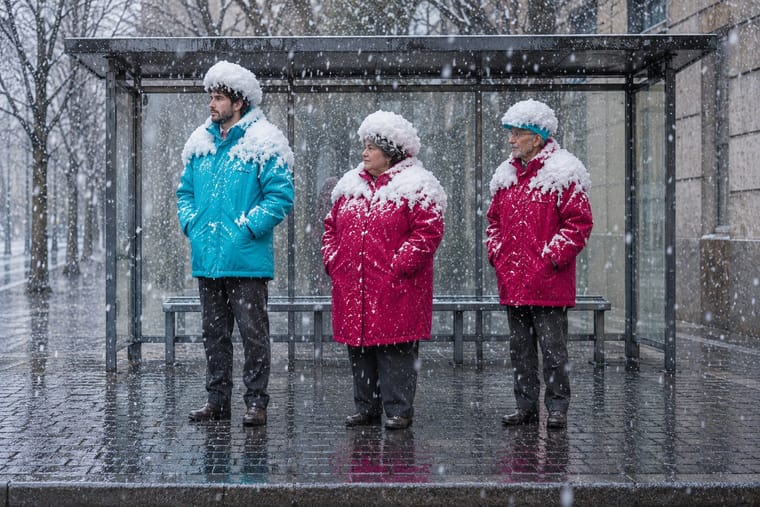
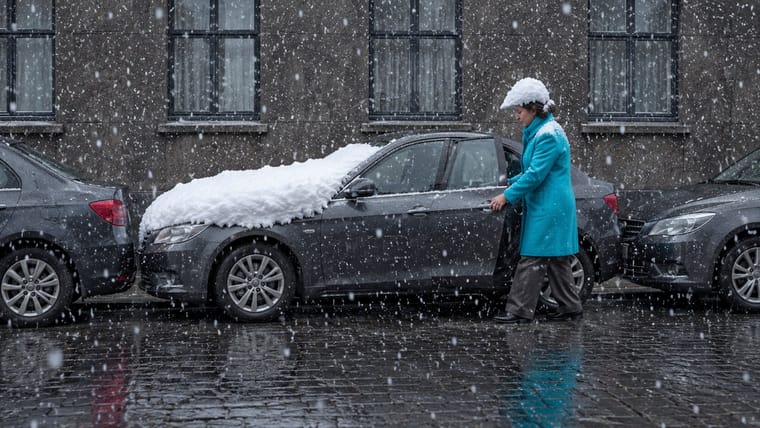
- A wide of three people at a bus stop by its bare shelter, a medium of a just-parked car snowed on its bonnet between bare cars, a close of a soup seller lifting a snow-domed lid, a detail of a buried hot cup by a bare iced glass; spares a woman and her dog by a river, a horse at a stable door.
- Never
- No snow on the ground or on any cold thing in the frame; no slush, ice, frost or footprints in snow; no snow as smooth as fur, wool, foam, plaster or icing; nobody brushing it off, looking up or startled; no white, grey or black coats; no sun, night, sign, poster, number plate or lettering.
- Every picture shows an ordinary street-level place of today in thick falling snow, and the snow settles only on what is warm: on the people, animals and warm things the scene names it lies as fresh, loose, sparkling powder far deeper than snow could hold there, a rounded mound a hand tall on a head, a ridge three fingers thick along a shoulder or a back, a layer a hand thick on a warm thing, and it stays in place while they walk, turn, lift and work. The flakes vanish the instant they touch anything cold, so the ground and every cold thing in the frame stay bare, wet and dark, with not one flake on them.
- Both ends are in every frame, side by side and equally sharp: the warm thing under its deep snow and, touching it or a hand away, the cold thing the scene names, as bare as on a rainy day, with nothing between the pair and the lens. The snow is plainly snow, loose grains with single flakes still landing on top and soft, crumbly edges, never smooth like fur, wool, foam, plaster or icing. People carry their snow as calmly as a hat, eyes open on their hands or their path, never brushing it off, looking up or reacting.
- Five colours: snow white; wet blue-grey basalt ground and graphite steel, stone and paint for every cold thing; raspberry and cyan only in the coats, hats and scarves of the people and in the warm things the scene colours; nobody wears white, grey or black on top, skin and animals keep their own colours, and nothing else is a strong colour. It is a straight colour photograph from a real camera with fine grain: a 70 mm lens at a standing adult's chest height, the soft light of a heavy snowfall from a white sky a shade brighter from the left, flakes frozen in the air and the nearest a soft blur, ordinary grit and wear on the street; never a render, a montage or a glow.
- From across the street a picture reads as a handsome photograph of people out in the snow; the second look finds that the snow is on them and on nothing else, and that it is far too deep to stay there. Hold back drama and props so the warm thing and its bare cold neighbour are the only event.
- Scenes vary in the place, the number of figures and the warm thing: people waiting, a car just driven, a cook's hot pot, a cup on a table, a dog or a horse; a wide of a whole street corner, a medium of one person beside something cold, a close of hands at work, a detail of a warm thing a hand from a cold one. The cold thing in each scene is one that would carry snow in life, so its bareness is the proof.
- For a client, use it where warmth is the offer: coffee, soup and street food, heating, insulation and heat pumps, outdoor and winter clothing, pet care, a warm welcome. The product can be the warm thing under its snow, and any words go beside the picture, not on it.
A studio style: made by Stylogeny, not a documented movement.
With an idea put on it
-
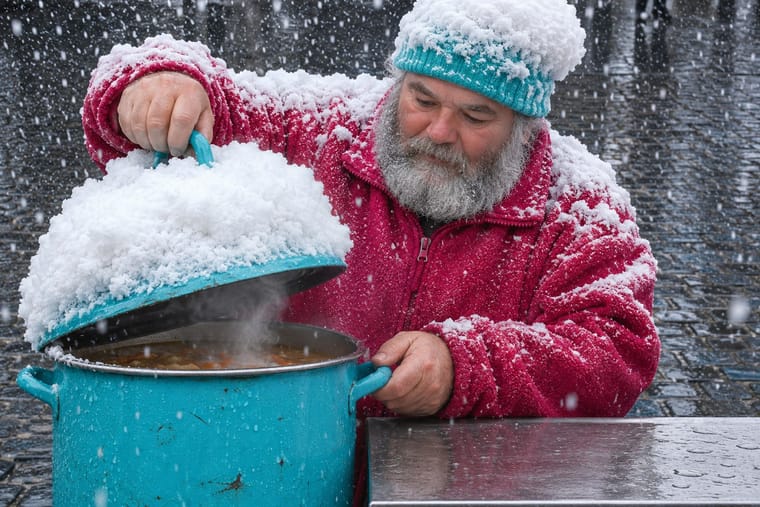
Exaggeration The hottest thing on the stall wears the deepest snow and keeps it as he lifts the lid, while the cold steel at its side has not a flake. -
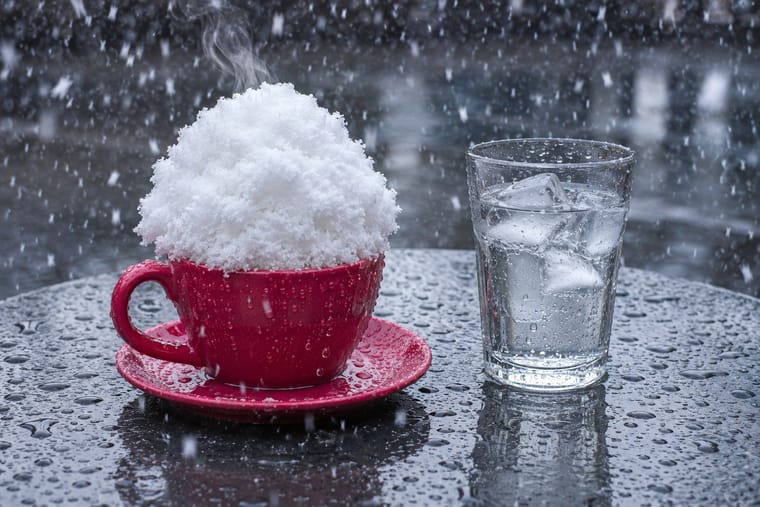
Demonstration Hot and iced stand side by side under one snowfall and only the hot one is buried, so two drinks set out the rule as a test.
AI-generated: Warm Drifts with an idea put on it. Not a real or historical work.
Change it with an idea. Any of the 73 moves that make a design say something can go on this style.
04
Its design choices
From Stylogeny’s vocabulary of design choices: defining choices make the style, characteristic ones are usual, occasional ones turn up now and then.
- Layout & composition
- Space & hierarchy
- Typography
- Surface & texture
- Ornament
- Imagery
- Medium & production
- Tone & intent
- Avoids
- Comic & cartoon, Flat vector illustration, Line illustration, Painterly illustration, 3D render, Photomontage, Chrome & 3D render, Glitch, Abundant decoration
How its pictures are made Photographic, light, viewpoint, lens, pose, finish
Kind of picture: Photographic How they are made, from the questions Stylogeny asks of that kind:
- Light
-
- Overcast & flat daylight defining
- Soft-edged shadows characteristic
- Open, filled shadows characteristic
- Viewpoint
-
- Eye level characteristic
- Middle distance characteristic
- Lens
-
- Telephoto compression characteristic
- Deep focus characteristic
- Frozen instant characteristic
- Pose
-
- Absorbed in a task characteristic
- Relaxed & natural characteristic
- Walking & mid-stride occasional
- Finish
-
- Straight print defining
- Visible grain characteristic
What new pictures of it show
Subjects Stylogeny draws it with, each taken from a kind of real work the style was made for.
- poster At a bus stop in thick snow, a tall man of thirty in a cyan parka, a stout woman of sixty and a slim man of seventy in raspberry coats, he in a cyan cap, look down the street for the bus; shelter bare
- social media post On a street in falling snow, a lean woman of forty-five in a cyan coat shuts the door of a graphite car she has just parked; snow lies thick on its bonnet only, the graphite cars either side bare
- postcard At a street soup stall in falling snow, a broad grey-bearded man of sixty in a raspberry fleece and cyan hat lifts the lid of a steaming cyan pot domed with snow; the steel counter beside it bare
- art print On a wet graphite café table outdoors in falling snow, a hot raspberry cup of coffee wears a dome of snow as tall as itself, a hand from a glass of iced water with not one flake on it
- poster On a wet riverside path in falling snow, a slight woman of seventy in a raspberry coat walks a big black dog; snow lies a hand deep along its back and in a mound on her head; the railing by them bare
- postcard At an open stable door in falling snow, a tall groom of fifty in a cyan jacket rests a hand on a bay horse's neck, snow a hand deep along its mane and back; the door and its steel latch bare
05
What it’s close to
One of our own styles: Stylogeny made it from its own design choices, so no earlier style is claimed.
Warm Drifts Made 2026
No later style in the atlas grew out of it yet.
Alike in its design choices

06
Often taken for
warm-drifts has no real works recorded yet, so these are its nearest styles by its choices alone, with the choices that tell them apart.
-
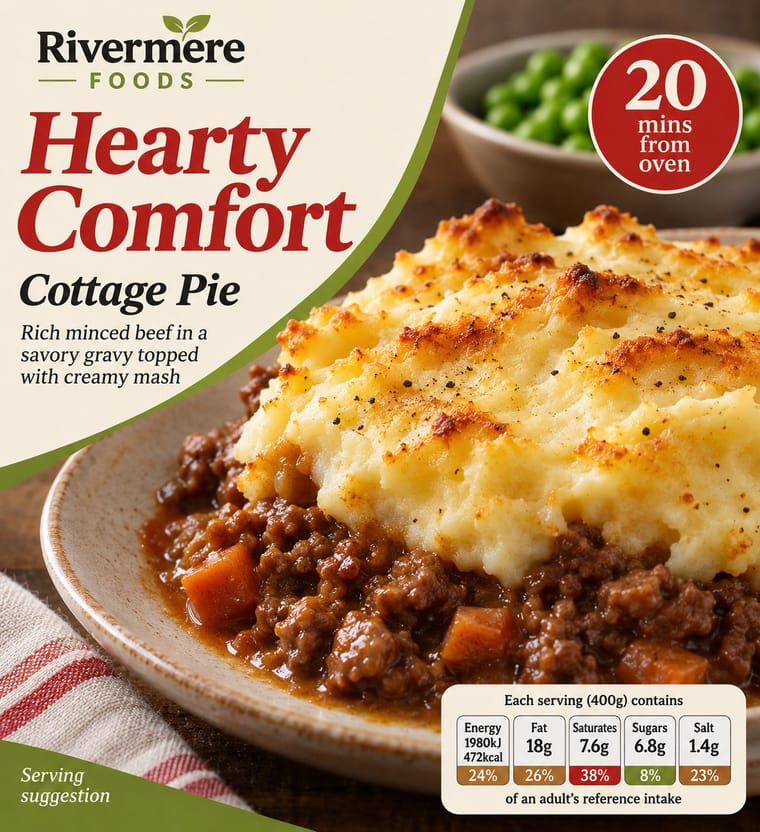
Food Pack Hero Photography (Serving Suggestion)
Food Pack Hero Photography is one of warm-drifts’s nearest styles by choices; no real work of either fits the other better.
Choices that tell Warm Drifts and Food Pack Hero Photography apart Choice Warm Drifts Food Pack Hero Photography Complementary clash characteristic — Layered information — defining Grain & noise characteristic — Flat fields — characteristic Communal & popular characteristic — No shared descent in the atlas: they reached these choices separately.
-
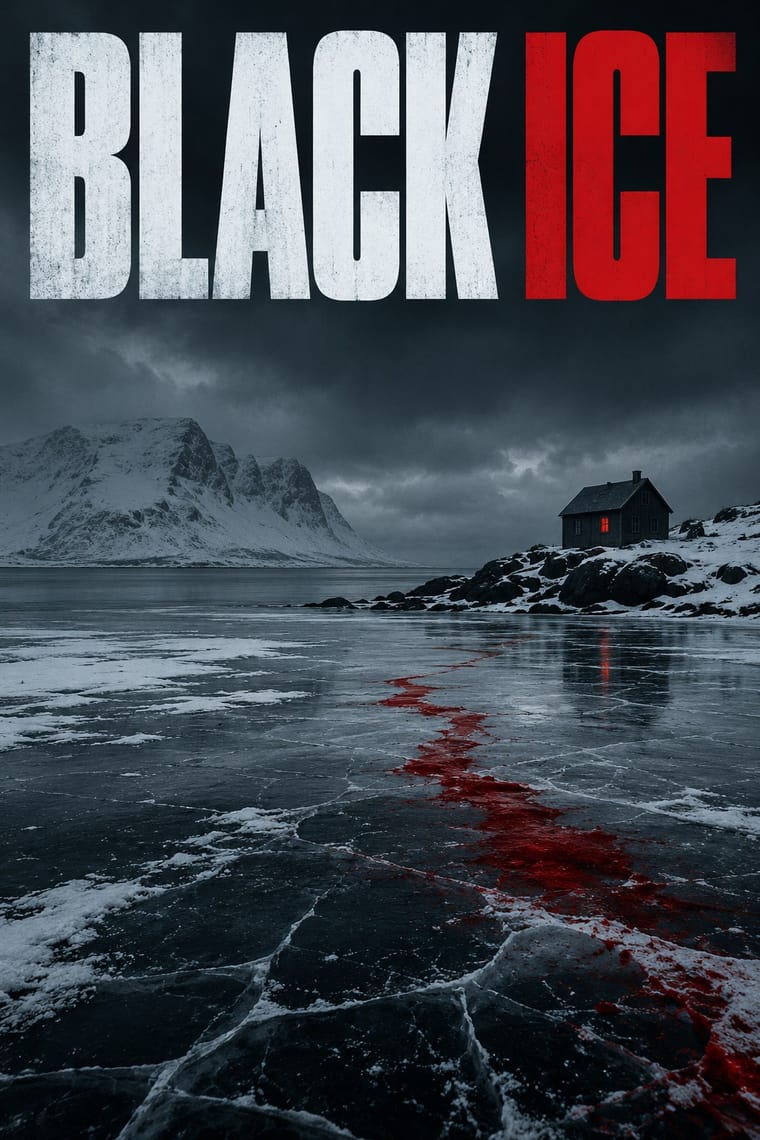
Nordic Noir Book Cover
Nordic Noir Book Cover is one of warm-drifts’s nearest styles by choices; no real work of either fits the other better.
Choices that tell Warm Drifts and Nordic Noir Book Cover apart Choice Warm Drifts Nordic Noir Book Cover Illusion of depth defining occasional Ornament-free — defining Playful & witty occasional avoids All caps — defining Communal & popular characteristic — No shared descent in the atlas: they reached these choices separately.
-
Corporate Stock-Photo Look (Royalty-Free Business Imagery)
Corporate Stock-Photo Look is one of warm-drifts’s nearest styles by choices; no real work of either fits the other better.
Choices that tell Warm Drifts and Corporate Stock-Photo Look apart Choice Warm Drifts Corporate Stock-Photo Look Grain & noise characteristic avoids Light ground — defining Illusion of depth defining — Single focal point occasional defining Complementary clash characteristic — No shared descent in the atlas: they reached these choices separately.
-
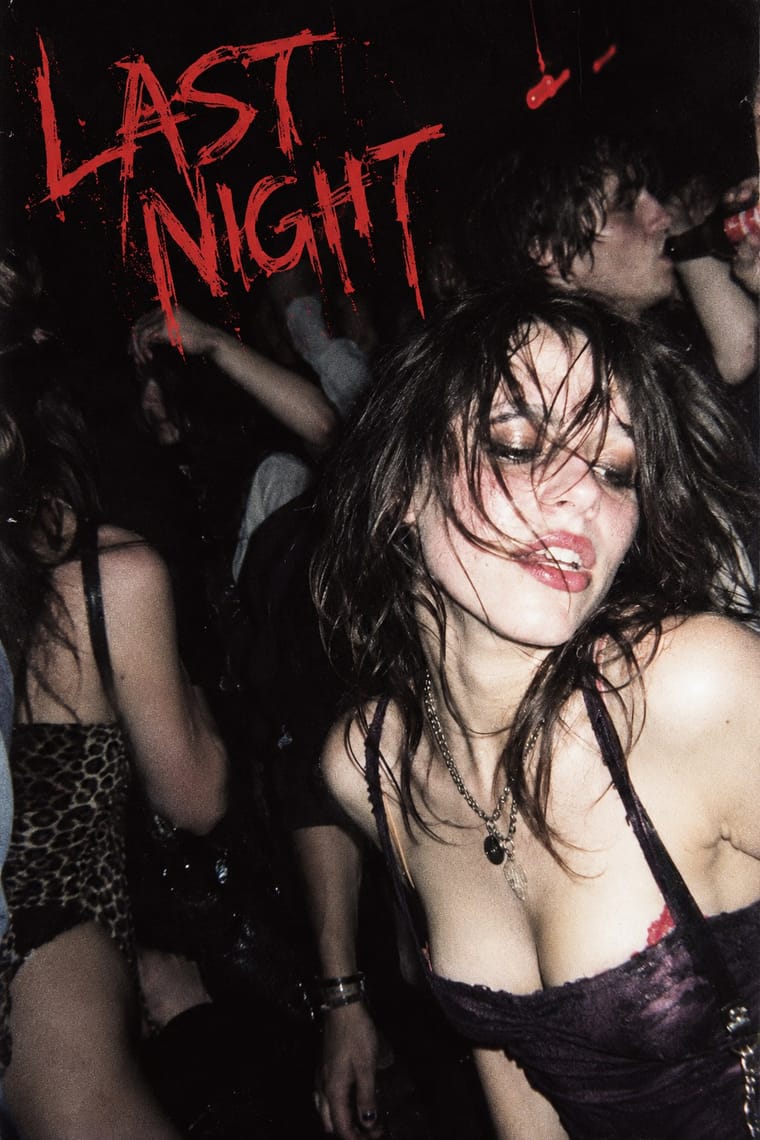
Indie Sleaze
Indie Sleaze is one of warm-drifts’s nearest styles by choices; no real work of either fits the other better.
Choices that tell Warm Drifts and Indie Sleaze apart Choice Warm Drifts Indie Sleaze Illusion of depth defining — Ornament-free — defining Complementary clash characteristic — Dark ground occasional defining Calm & contemplative characteristic avoids No shared descent in the atlas: they reached these choices separately.
— means the choice isn’t among the style’s recorded choices. Critics recorded each work’s choices with the styles’ descriptions in view, so this shows whether the descriptions hold together, not proof that they are right.