Pictorial & machine age · 1865–1900 · Western Europe
Victorian Colour Toy Books (Evans, Crane, Caldecott and Greenaway)
Also known as Sixpenny toy books, Edmund Evans colour-printed picture books, Crane, Caldecott and Greenaway picture books
Mass-printed children's picture books in which a black key block and flat colour blocks (generally up to a dozen, as few as four), printed by Edmund Evans from wood, carried pictures that dominated short texts. The illustrators Walter Crane (flat tints and sharp outlines, influenced by Japanese colour prints), Randolph Caldecott (loose, comic movement) and Kate Greenaway (dainty colours and invented late-18th-century and Regency costume) gave the format three distinct hands under one genome; image.comic belongs to Caldecott only.
Make something in this style Get advice in this style Mix it with another style
01
How it works
- Draw every picture as a dark key-block outline filled with a few flat, separately printed colour blocks.
- Let the picture lead and keep the text short, hand-lettered or set small beneath it.
- Limit each page to the colours the blocks can afford, up to about a dozen and sometimes as few as four, and accept slight misregistration.
- Frame the scene with decorated borders and bands, and flatten depth in the manner of Japanese prints.
- Tell the story page by page in quick, humorous line or in soft period costume and pastel tints.
London, where the wood-engraver and printer Edmund Evans agreed in 1865 to print sixpenny toy books for Routledge and Warne
02
Its design choices
From Stylogeny’s vocabulary of design choices: defining choices make the style, characteristic ones are usual, occasional ones turn up now and then.
- Layout & composition
- Space & hierarchy
- Colour
- Surface & texture
- Medium & production
- Tone & intent
- Avoids
- Straight photography, Ornament-free, Grotesque & neo-grotesque, Halftone & Ben-Day dots, Modular grid, Horror vacui
Palette
-
#f1e6cc -
#2b2622 -
#c4452f -
#e0a93b -
#4f7ea6 -
#8fae8b
Typefaces
-
Hand-lettered titles and verses
-
Wood-engraved display lettering
-
Victorian old-style and Egyptian text faces
Known for
-
Walter Crane, The Baby's Opera (1878), printed by Edmund Evans
-
Richard Doyle, In Fairyland (1870), printed by Edmund Evans
-
Randolph Caldecott, The Diverting History of John Gilpin
1878
-
Kate Greenaway, Under the Window
1879
-
Edmund Evans, sixpenny toy books for Routledge and Warne
from 1865
-
Walter Crane, Absurd ABC
1874
03
Make something in this style
Say what you need, and Stylogeny’s image studio draws it from Victorian Colour Toy Books (Evans, Crane, Caldecott and Greenaway)’s design choices and checks it against them. It takes about a minute, and you get a link to share.
04
Where it comes from, and what it’s close to
After it
The styles that grew out of it.
No later style in the atlas grew out of it yet.
Alike in its design choices
Styles that make many of the same choices, related or not, besides those above.
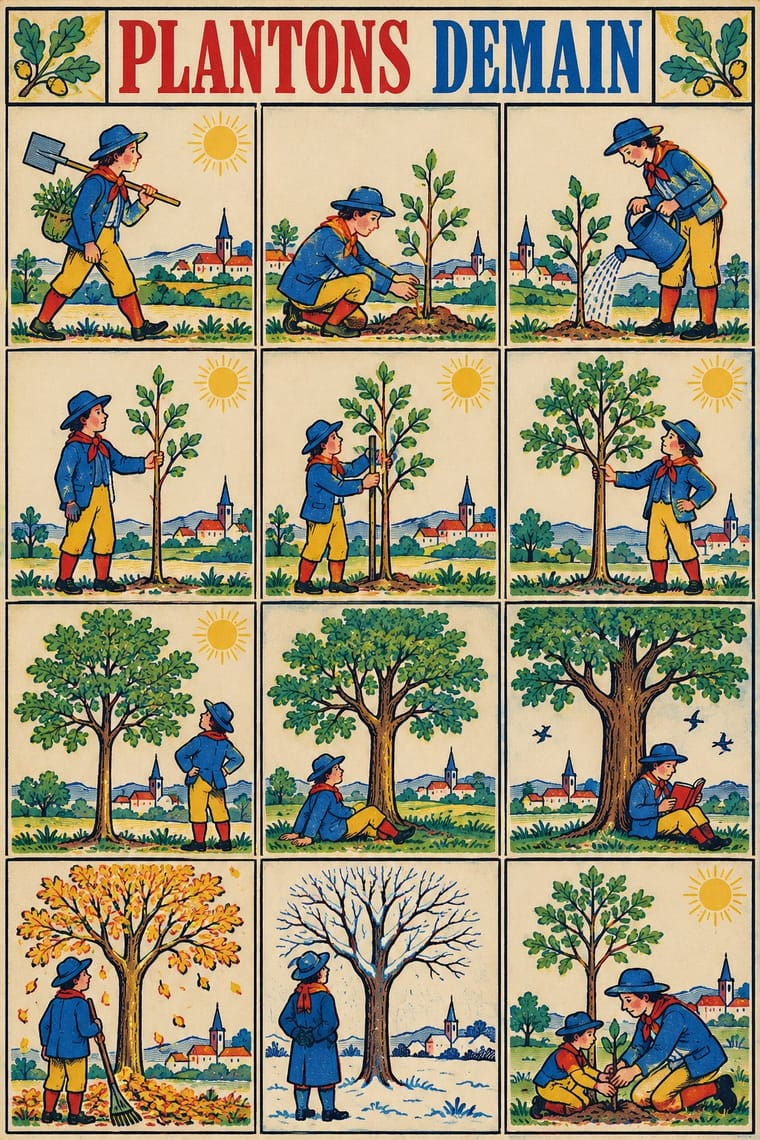
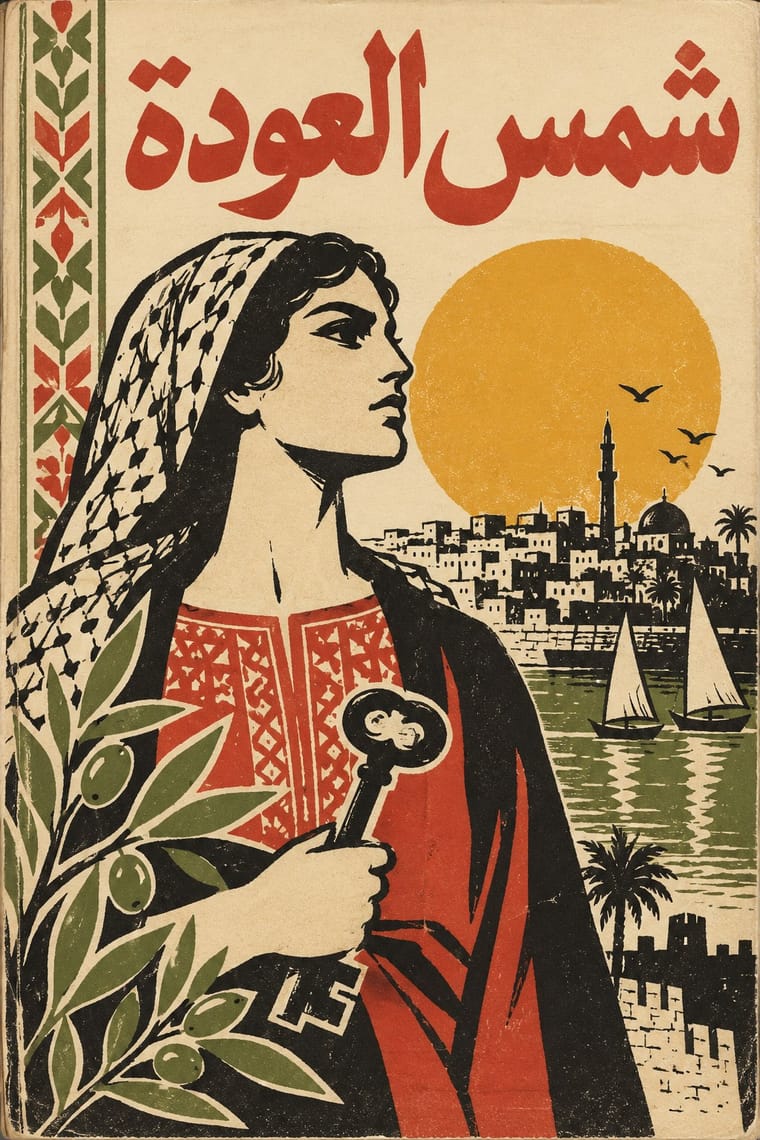
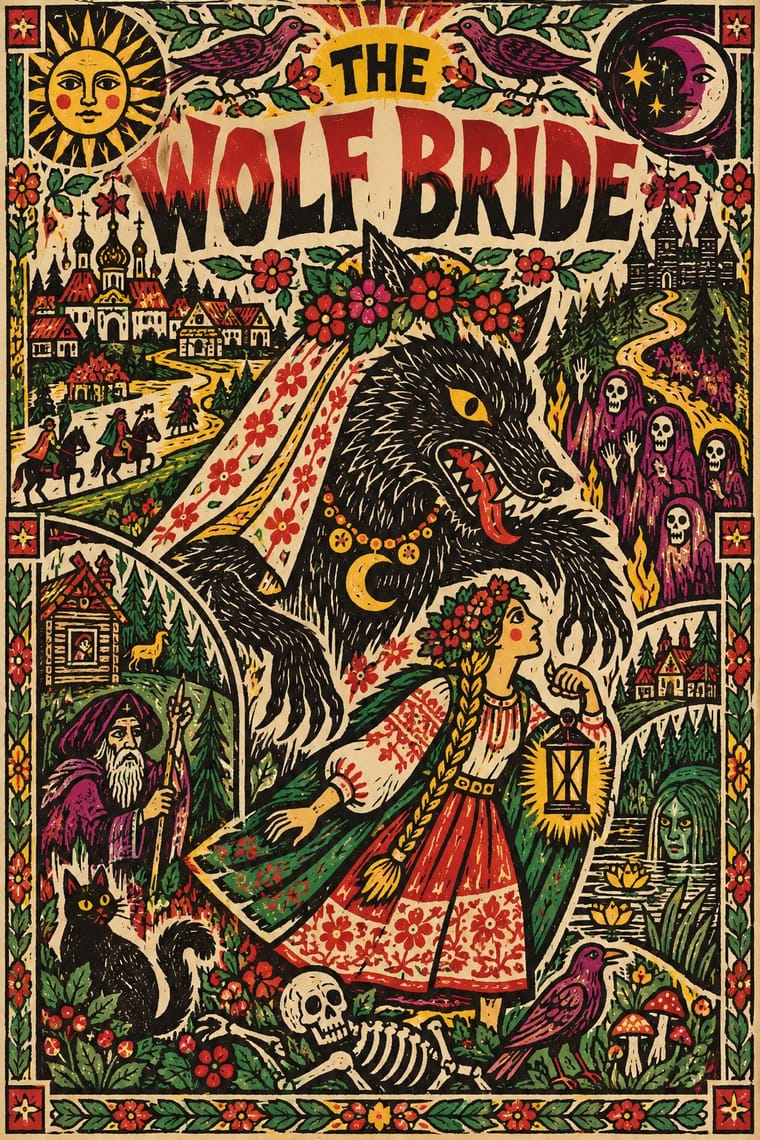
05
Often taken for
Victorian Colour Toy Books has no real works recorded yet, so these are its nearest styles by its choices alone, with the choices that tell them apart.
-
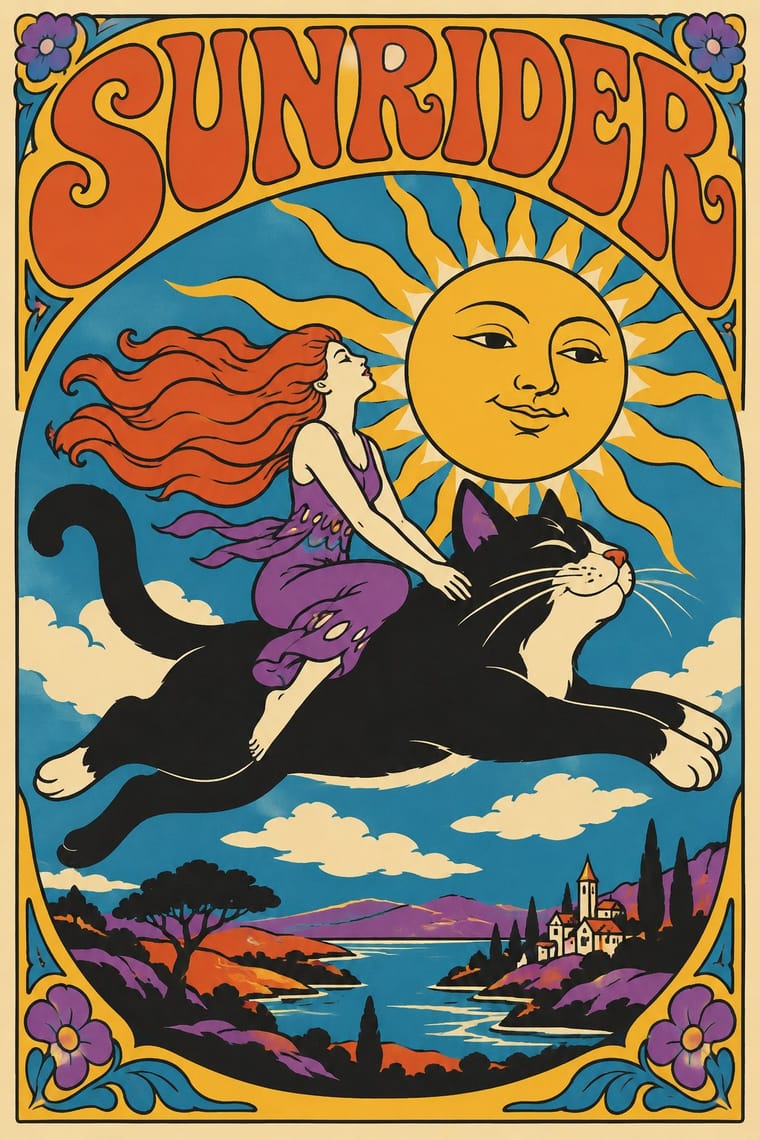
Push Pin Style
Push Pin Style is one of Victorian Colour Toy Books’s nearest styles by choices; no real work of either fits the other better.
Choices that tell Victorian Colour Toy Books and Push Pin Style apart Choice Victorian Colour Toy Books Push Pin Style Sequential narrative defining — Ornamented display occasional defining Misregistration & overprint defining — Limited spot colours — characteristic Light ground characteristic — No shared descent in the atlas: they reached these choices separately.
-
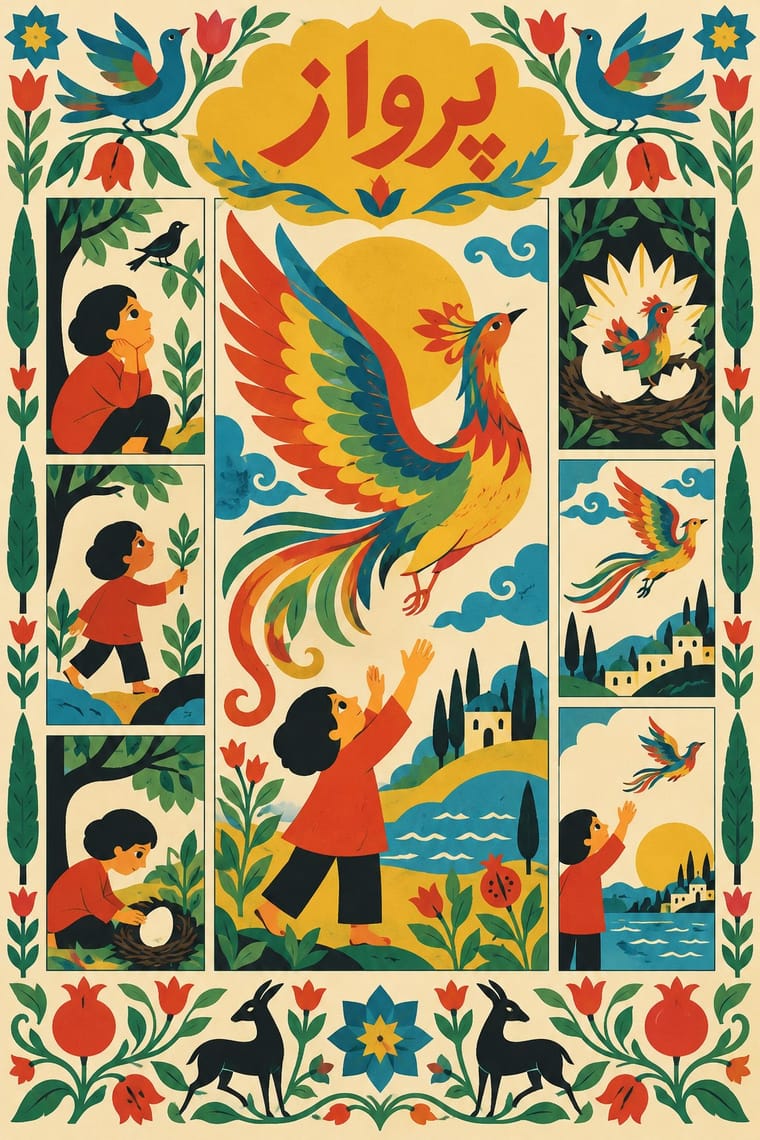
Kanoon Children's Book Illustration (Iran, 1965 to 1979)
Kanoon Children's Book Illustration is one of Victorian Colour Toy Books’s nearest styles by choices; no real work of either fits the other better.
Choices that tell Victorian Colour Toy Books and Kanoon Children's Book Illustration apart Choice Victorian Colour Toy Books Kanoon Children's Book Illustration Misregistration & overprint defining — Folk & sacred symbols — defining Pastel characteristic — Flat — defining Carved line characteristic — No shared descent in the atlas: they reached these choices separately.
-
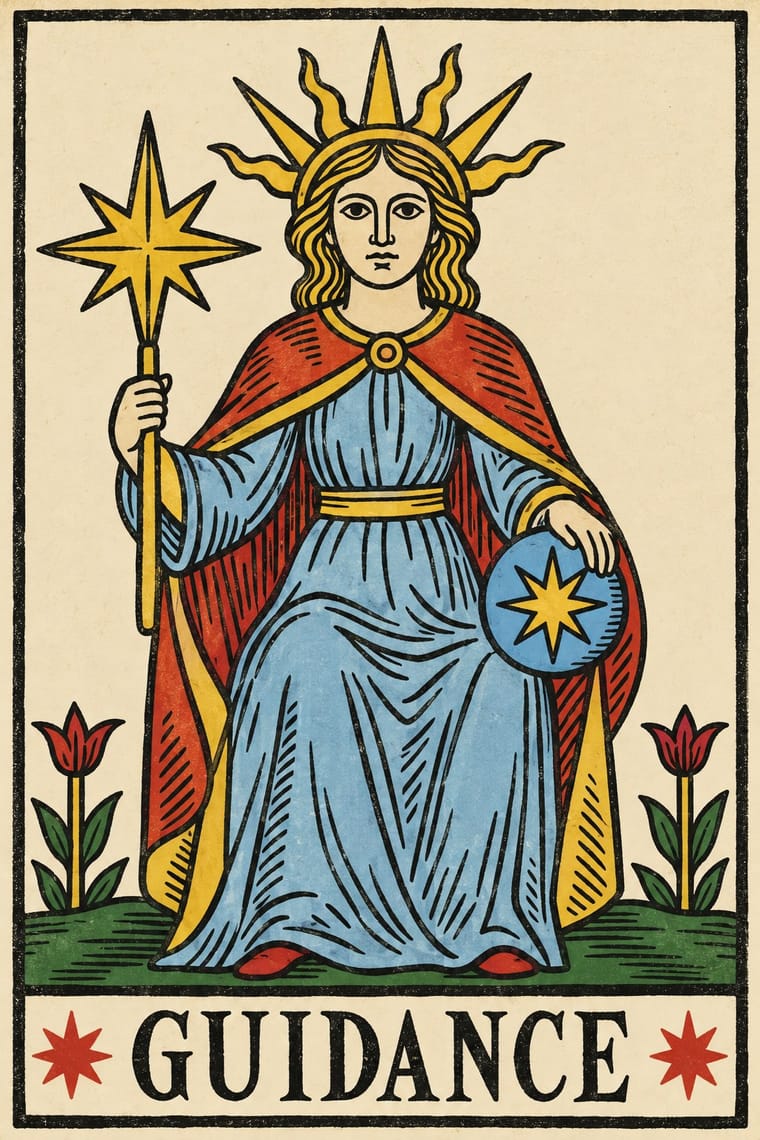
Tarot de Marseille Woodcut Cards
Tarot de Marseille Woodcut Cards is one of Victorian Colour Toy Books’s nearest styles by choices; no real work of either fits the other better.
Choices that tell Victorian Colour Toy Books and Tarot de Marseille Woodcut Cards apart Choice Victorian Colour Toy Books Tarot de Marseille Woodcut Cards Sequential narrative defining — All caps — defining Naturalistic depiction occasional avoids Single focal point occasional defining Dynamic asymmetry occasional avoids No shared descent in the atlas: they reached these choices separately.
-
Imagerie d'Épinal & European Bilderbogen
Imagerie d'Épinal & European Bilderbogen is one of Victorian Colour Toy Books’s nearest styles by choices; no real work of either fits the other better.
Choices that tell Victorian Colour Toy Books and Imagerie d'Épinal apart Choice Victorian Colour Toy Books Imagerie d'Épinal Dynamic asymmetry occasional avoids Modular grid avoids characteristic Pastel characteristic — Repetition & rhythm — defining Pen, brush & ink characteristic — No shared descent in the atlas: they reached these choices separately.
— means the choice isn’t among the style’s recorded choices. Critics recorded each work’s choices with the styles’ descriptions in view, so this shows whether the descriptions hold together, not proof that they are right.
06
Combine it with
Styles Victorian Colour Toy Books (Evans, Crane, Caldecott and Greenaway) pairs well with or plays against, from the research. Each is worked out as a combination: which style gives the type, the colours and the forms.
- Polish Information Picture Book (Dwie Siostry) Pairs well · Both put flat printed colour and picture-led narrative first; carry the toy-book key-block approach into a modern picture book.
- Victorian Letterpress & Wood Type Contrasts · Its black-letter-dense, type-and-ornament jobbing page is the opposite of a picture-led page; combine them by hanging a wood-type title over a flat colour picture.
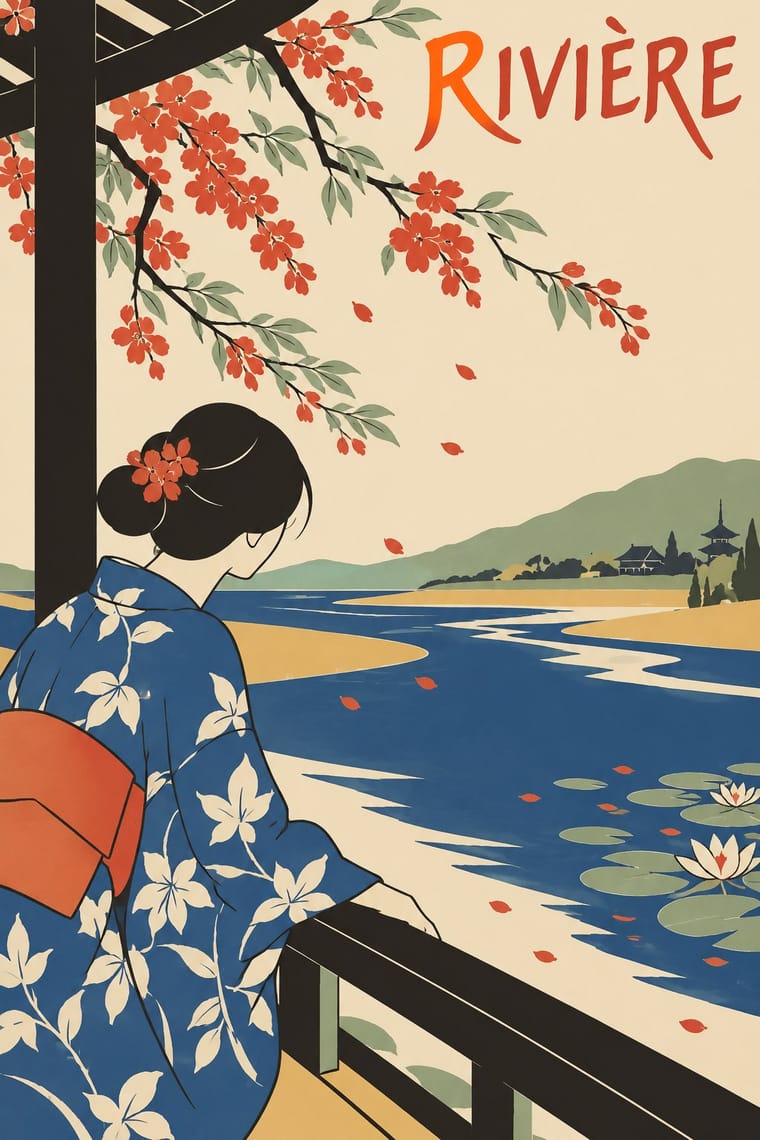
- Japonisme Pairs well · Crane's flattened planes and outlines owe much to Japanese prints; push the flatness further for a more graphic page.
- Arts & Crafts Movement Pairs well · Share borders and craft ideals; add Morris-style foliage frames to toy-book colour blocks for a gentler, heirloom storybook.
- Nordic Fairy-Tale and Troll Illustration (Werenskiold, Kittelsen, Bauer) Contrasts · Both are children's picture books of the same era, but the toy book's bright flat key-block colour and nursery cheer stand against this dusky, modelled and uncanny northern mood.
07