Traditions & vernacular · 1979–present · Latin America & Caribbean
Mexican High-Energy Sound-System Graphics
Also known as Gráfica sonidera electrónica
The illustrated identity of Mexico City's electronic sound systems, documented from 1979 and possibly earlier. Mariana Delgado's essay describes ink-drawn ships, warriors, birds, queens, cyborgs and explosions in the cosmos, glowing as neon visions under black light and carried on cards, posters, flyers, banners and embroidered jackets. Unlike pico-sound-system-art, whose identity is painted signage and lettering on sound-system and vehicle surfaces, these systems are given figurative science-fiction illustration, a recurring pictorial mythology per system, alongside hand-drawn logotypes.
Use it with care
This is the living popular graphic culture of Mexico City's sonidero community, and the illustrators, sound systems and collectors named here are still active and own their work; the research project established no licence to reproduce its images. Credit makers by name, do not attribute designs to Jaime Ruelas without evidence (Racrufi and others also drew for the scene), never ask an image model for a named artist's hand or a real system's emblem, and do not pass off pastiche as an authentic sound-system identity.
01
How it works
Palette
-
#0a0a14 -
#ff2bd6 -
#00e5ff -
#c6ff1a -
#ffb000 -
#7a2cff
Typefaces
-
Hand-drawn sound-system logotypes
decorative display lettering matched to the illustration
-
Popular lucha libre typographic advertising, the vein from which Delgado says sonidero advertising grew
- Give each sound system its own illustrated mythology: a recurring warrior, queen, cyborg, bird or spaceship world, not an interchangeable party emblem.
- Draw the scene as a detailed ink illustration with figures, machines and explosions in the cosmos.
- Set the system's name as a large decorative logotype, hand-drawn to match the illustration and placed where the eye lands first.
- Choose saturated neon colour on dark grounds so the work glows under black light.
- Carry the same identity across every carrier, from card, poster and flyer to banner and embroidered jacket, so the crowd can wear the system's name.
- Credit the illustrator and the system by name where the maker is known; attributions are often unestablished, so do not invent them.
Where and when Mexico City's electronic (high-energy) sound-system circuit and its illustrators, printers and collectors.
Mexico City's electronic (high-energy) sound-system circuit and its illustrators, printers and collectors. Mariana Delgado's May 2014 essay places the scene in the era of disco, high energy and techno, and says sonidero advertising grew from the popular typographic vein of lucha libre. Polymarchs was founded in 1975 in Puerto Ángel, Oaxaca, by the Silva Barrera siblings and moved to Mexico City in 1978; its first DJ, Jaime Ruelas, drew its image. José Luis Lugo (Publicidades Panther) has collected the project's printed materials since 1979. That is the earliest documented date, not proof of the first graphic in this language, so the period start is a documented floor and the scene may be older. Branch is tradition, as for pico-sound-system-art: this is commercial popular dance advertising within a living vernacular, not an oppositional movement.
02
Its design choices
From Stylogeny’s vocabulary of design choices: defining choices make the style, characteristic ones are usual, occasional ones turn up now and then.
- Layout & composition
- Space & hierarchy
- Typography
- Surface & texture
- Ornament
- Medium & production
- Tone & intent
- Avoids
- Modular grid, Generous white space, Grotesque & neo-grotesque, Pastel, Earth & mineral, Flat, Ornament-free, Typography only, Rational & objective, Calm & contemplative
How its pictures are made Drawn & painted
Kind of picture: Drawn & painted
Known for
-
Jaime Ruelas, ink illustrations and logotypes shown in the Gráfica Sonidera project gallery
graficasonidera.wordpress.com
-
Polymarchs publicity in José Luis Lugo / Publicidades Panther's collection, assembled from 1979
-
Electronic sound-system graphics for Patrick Miller and Soundset discussed in Mariana Delgado's May 2014 project essay; individual maker and date attributions remain to be established
-
Racrufi, named in the same essay among the illustrators and designers of the early high-energy era
03
Where it comes from, and what it’s close to
Grew out of
Mexican High-Energy Sound-System Graphics 1979–present
No later style in the atlas grew out of it yet.
Alike in its design choices


04
Often taken for
Mexican High-Energy Sound-System Graphics has no real works recorded yet, so these are its nearest styles by its choices alone, with the choices that tell them apart.
-
Matatu & Nganya Art
Matatu & Nganya Art is one of Mexican High-Energy Sound-System Graphics’s nearest styles by choices; no real work of either fits the other better.
Choices that tell Mexican High-Energy Sound-System Graphics and Matatu apart Choice Mexican High-Energy Sound-System Graphics Matatu Line illustration defining — Gradients — defining Cosmic & celestial characteristic — Painterly illustration occasional defining Pen, brush & ink defining — Both descend from Hand-Painted Signage & Vernacular Lettering in the family tree.
-
Picó Sound-System Painting (Colombian Caribbean)
Picó Sound-System Painting is one of Mexican High-Energy Sound-System Graphics’s nearest styles by choices; no real work of either fits the other better.
Choices that tell Mexican High-Energy Sound-System Graphics and Picó Sound-System Painting apart Choice Mexican High-Energy Sound-System Graphics Picó Sound-System Painting Line illustration defining — Central symmetry — defining Full bleed characteristic — Painterly illustration occasional defining Pen, brush & ink defining — Both descend from Hand-Painted Signage & Vernacular Lettering in the family tree.
-
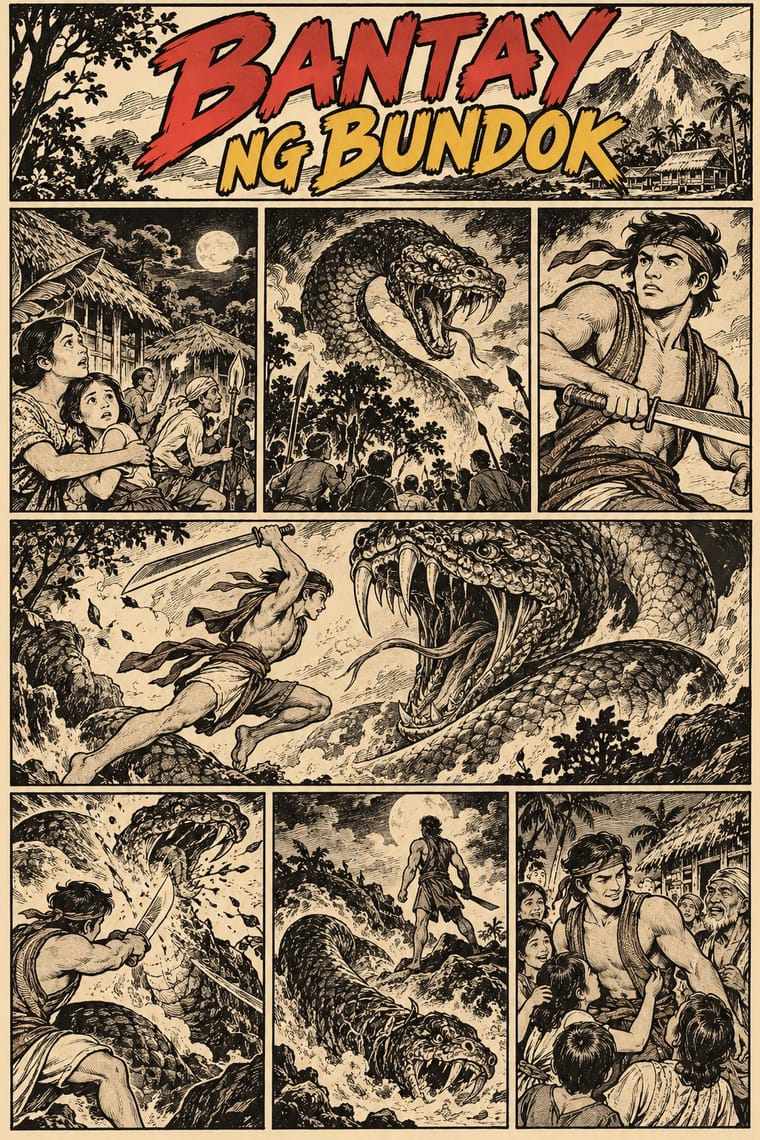
Filipino Komiks
Filipino Komiks is one of Mexican High-Energy Sound-System Graphics’s nearest styles by choices; no real work of either fits the other better.
Choices that tell Mexican High-Energy Sound-System Graphics and Filipino Komiks apart Choice Mexican High-Energy Sound-System Graphics Filipino Komiks Fluorescent & neon defining — Monochrome — defining Dark ground characteristic — Framed panels — defining Full bleed characteristic — No shared descent in the atlas: they reached these choices separately.
-
Craft Beer Can & Label Art
Craft Beer Can & Label Art is one of Mexican High-Energy Sound-System Graphics’s nearest styles by choices; no real work of either fits the other better.
Choices that tell Mexican High-Energy Sound-System Graphics and Craft Beer Can apart Choice Mexican High-Energy Sound-System Graphics Craft Beer Can Naturalistic depiction defining — Flat avoids occasional Illusion of depth defining — Stylised figuration occasional defining Dark ground characteristic — No shared descent in the atlas: they reached these choices separately.
— means the choice isn’t among the style’s recorded choices. Critics recorded each work’s choices with the styles’ descriptions in view, so this shows whether the descriptions hold together, not proof that they are right.
05
Sources
- https://graficasonidera.wordpress.com/
- https://graficasonidera.wordpress.com/portfolio/panther-ruelas-polymarchs-de-como-llegamos-a-un-mundo-de-leyenda-texto-de-mariana-delgado/
- https://graficasonidera.wordpress.com/portfolio/ilustracioes-y-carteles-de-jaime-ruelas/
How Stylogeny researches and checks a style: where the facts come from.