Digital native · 1998–present · Global / networked, North America
Google Doodle Logo-Play Illustration
Also known as Google Doodles, Doodle illustration, Logo-play doodle
A brand-play tradition in which a search company's wordmark is redrawn for a person, event or anniversary, while staying legible as the logo. Its flat vector cartoon look is common (it overlaps closely with CalArts-style and flash-cartoon work); what makes it distinct is the rule, not the look: the fixed brand mark is varied on a schedule, on an otherwise empty white page, and has escalated from still image to animation, playable games and guest-artist work. The palette is the Google logo palette (white ground, blue, red, yellow, green), not a palette specific to Doodles.
Make something in this style Get advice in this style Mix it with another style
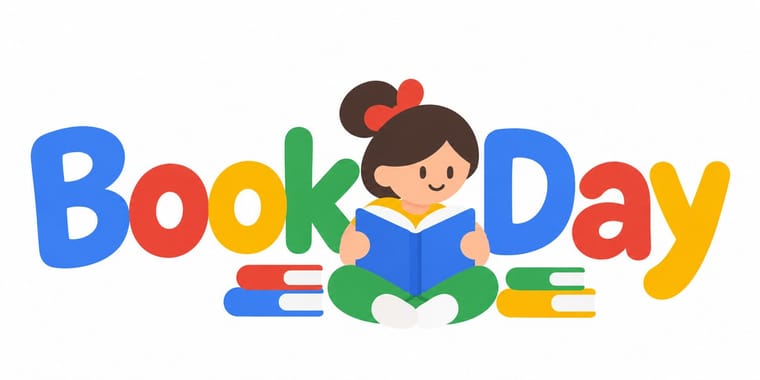
01
Its picture in other colours
Change a colour and every picture on this page follows. It happens in your browser, from the same pictures: nothing new is made or saved.
Choose a colour to change it
-
#ffffff -
#4285f4 -
#ea4335 -
#fbbc05 -
#34a853
A faded colour isn’t in these pictures, so changing it changes nothing.
Light and dark stay where they are; greys hardly move.
More colours: any style’s, or your own
The pictures show the style’s own colours.
02
Make something in this style
Say what you need, and Stylogeny’s image studio draws it from Google Doodle Logo-Play Illustration’s design choices and checks it against them. It takes about a minute, and you get a link to share.
03
How it works
Palette
-
#ffffffground · 69% -
#4285f4accent · 8% -
#ea4335ink · 4% -
#fbbc05accent · 7% -
#34a853accent · 4%
Shares measured from its picture. The ground is what the pictures sit on (of the colours covering most, the most neutral), the ink stands out from it most, the rest are accents.
Typefaces
-
Product Sans
Google wordmark
-
Custom hand-drawn logo lettering
- Redraw the wordmark itself as the subject: letters become characters, landscapes or objects while the brand stays readable.
- Keep the page white and empty around a single doodle so the change is noticed at once.
- Tie each variation to a person, event or anniversary and draw it with warmth and wit.
- Draw in simple flat vector shapes with friendly rounded characters and a bright polychrome palette.
- Let the medium escalate when the subject earns it: animate it, make it playable, or hand it to a guest artist.
Google, California: first Doodle 30 August 1998 (Burning Man), a stick figure behind the second 'o' drawn by Larry Page and Sergey Brin; first animated Doodle 31 October 2000
Change it with an idea. Any of the 73 moves that make a design say something can go on this style.
04
Its design choices
From Stylogeny’s vocabulary of design choices: defining choices make the style, characteristic ones are usual, occasional ones turn up now and then.
- Layout & composition
- Space & hierarchy
- Colour
- Surface & texture
- Ornament
- Medium & production
- Tone & intent
- Avoids
- Horror vacui, Modular grid, Grain & noise, Photocopy & distress, Straight photography, Blackletter, Authoritative & institutional, Luxurious & glamorous
How its pictures are made Drawn & painted
Kind of picture: Drawn & painted
Known for
-
Burning Man Doodle
30 August 1998
-
Halloween 2000, first animated Doodle
-
Pac-Man interactive Doodle
21 May 2010
-
Turing Machine Doodle
23 June 2012
-
Rubik's Cube Doodle
19 May 2014
-
Great Ghoul Duel (30 October 2018), first multiplayer Doodle
05
Where it comes from, and what it’s close to
Borrowed from
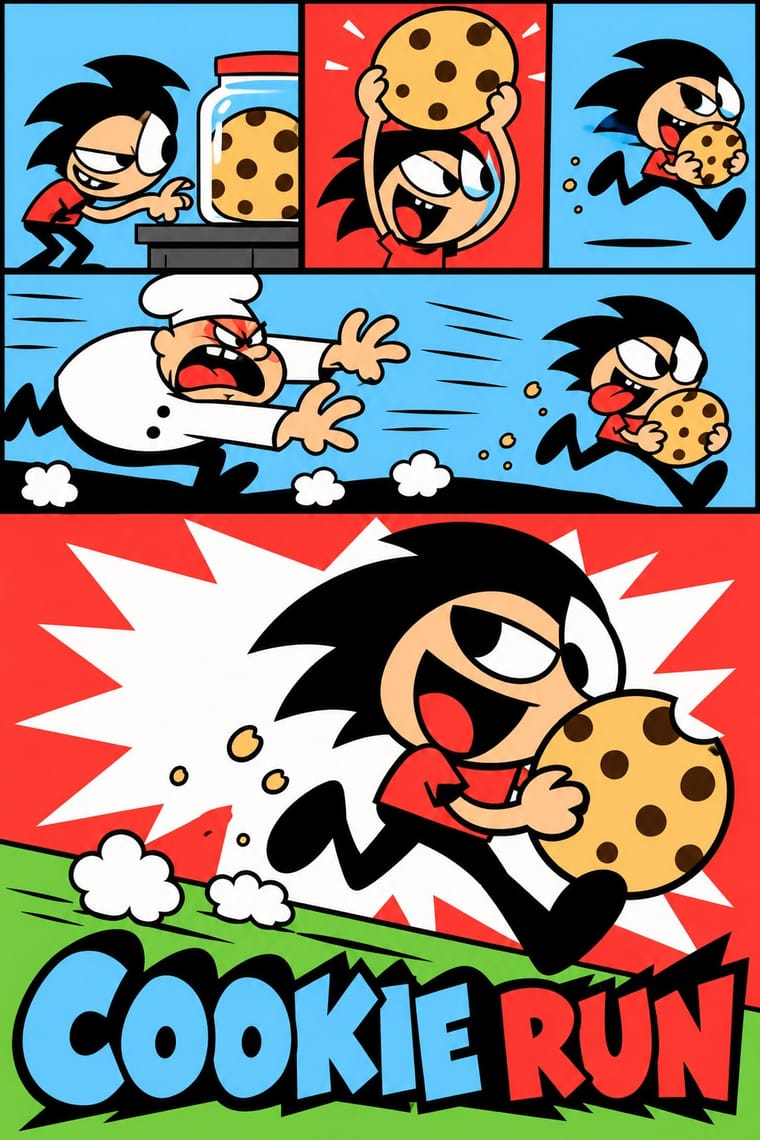
Google Doodle Logo-Play Illustration 1998–present
No later style in the atlas grew out of it yet.
Alike in its design choices
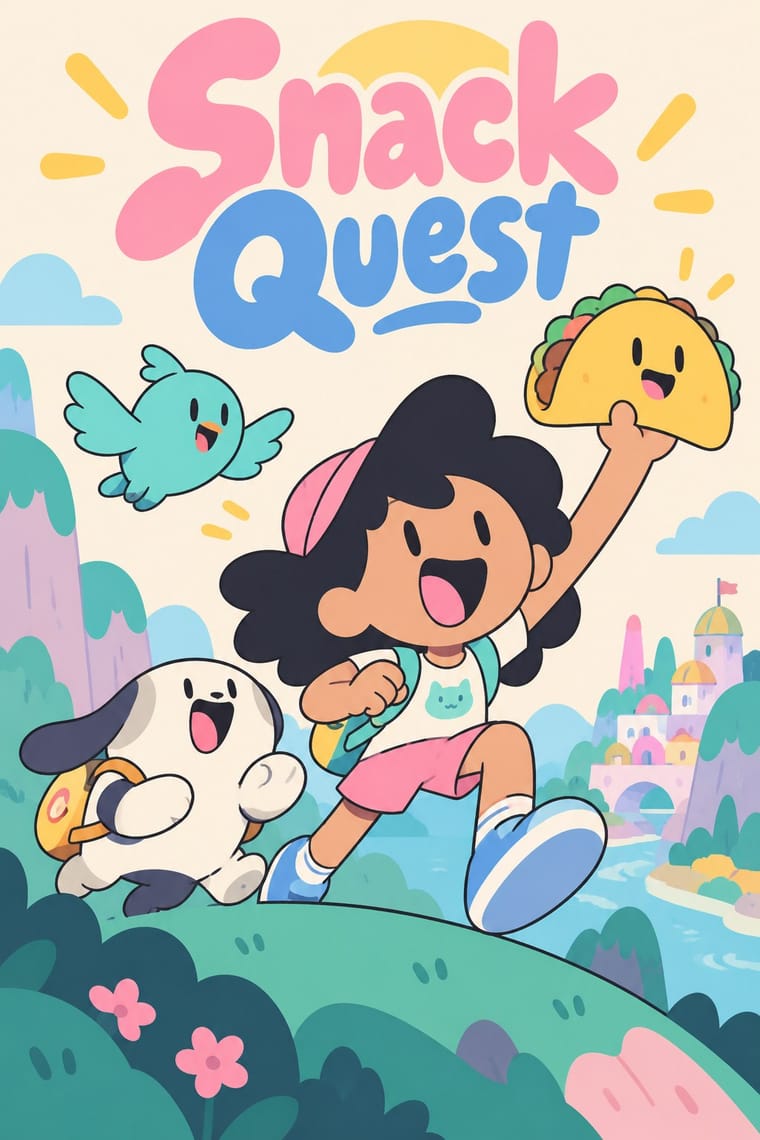
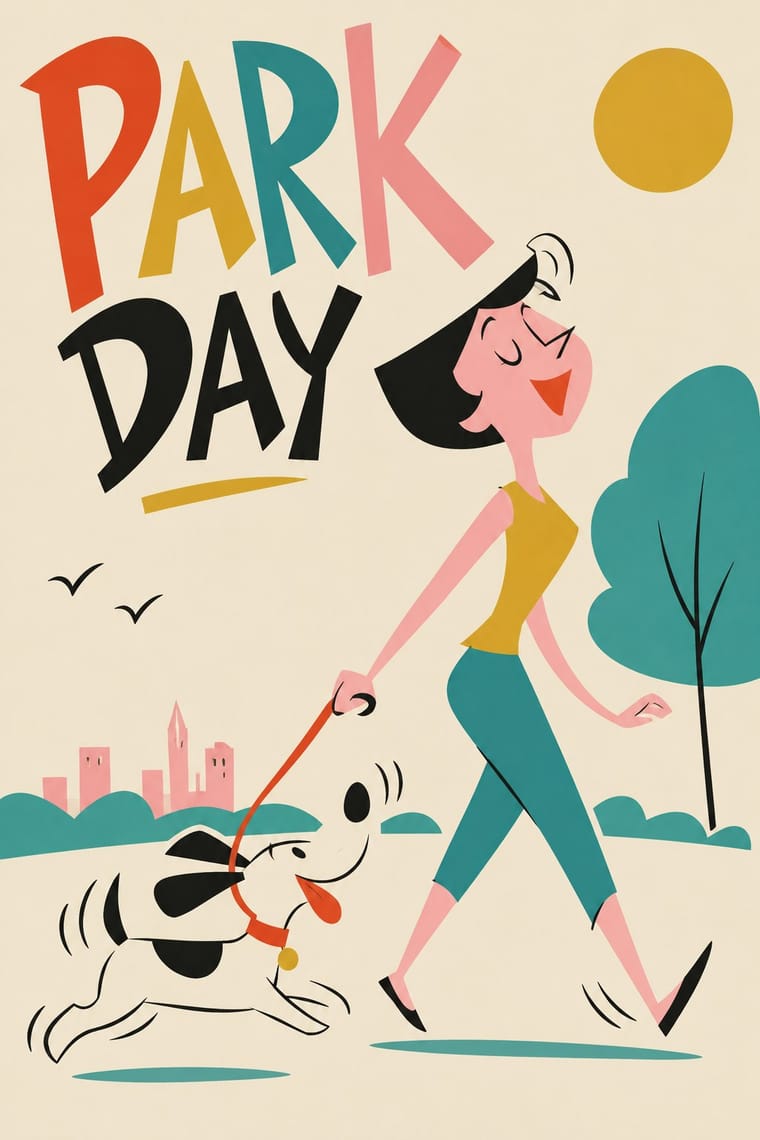
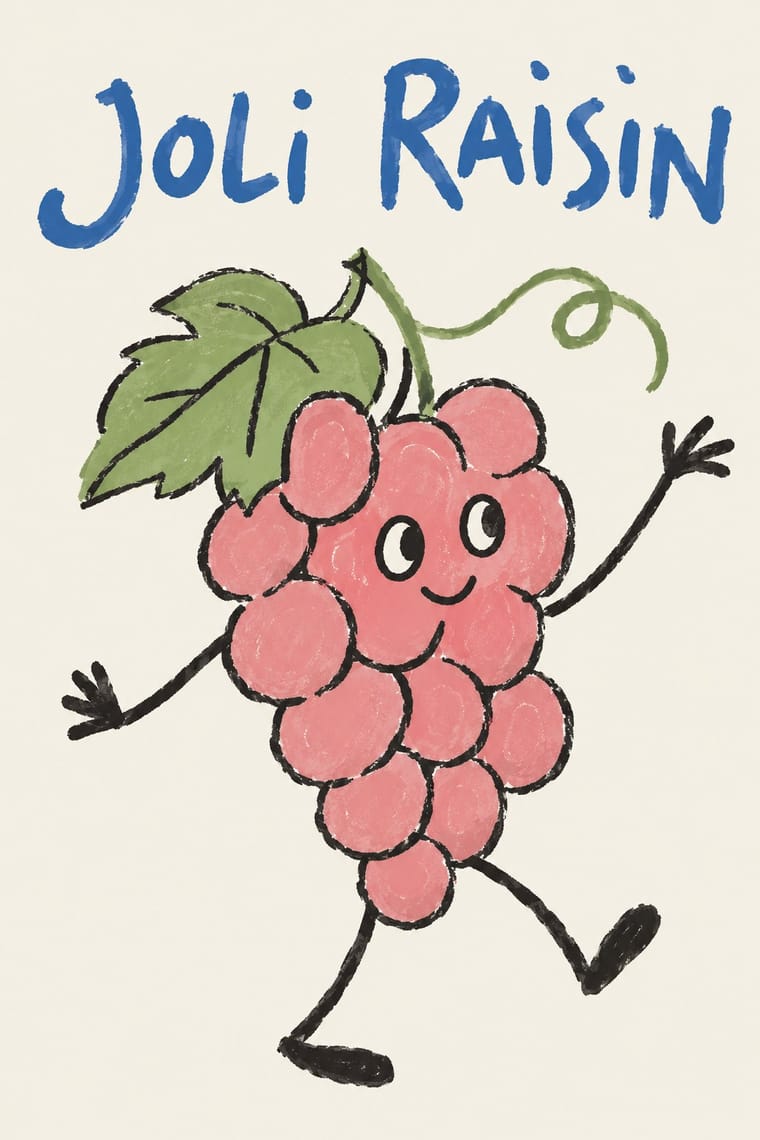
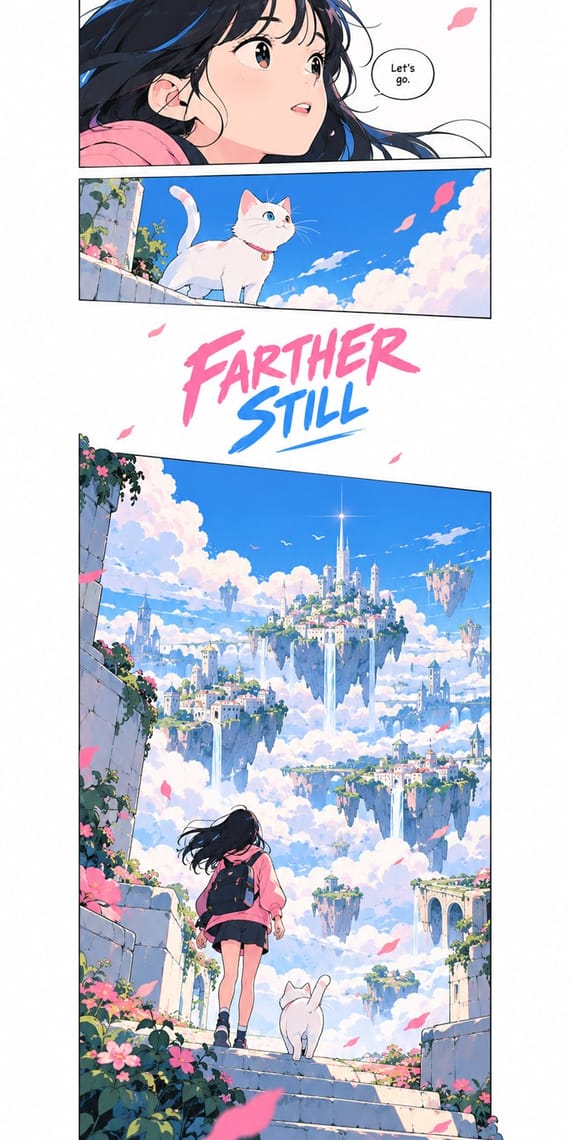
06
Combine it with
Styles Google Doodle Logo-Play Illustration pairs well with or plays against, from the research. Each is worked out as a combination: which style gives the type, the colours and the forms.
- Flash Vector Cartoon (Newgrounds-Era Web Animation) Pairs well · Borrow the animated, character-led cartoon vector style for motion Doodles.
- Kinetic Typography & Variable Type Contrasts · Typographic motion is the subject there; here the type is a character in a drawing.
- Emoji Pictographic Language Pairs well · Reduce a subject to a small friendly pictogram that survives at logo size.
- Corporate Memphis Contrasts · A fixed house style of flat people; the Doodle varies the brand mark under a shared rule instead.
07
Often taken for
Google Doodle Logo-Play Illustration has no real works recorded yet, so these are its nearest styles by its choices alone, with the choices that tell them apart.
-
Flash Vector Cartoon (Newgrounds-Era Web Animation)
Flash Vector Cartoon is one of Google Doodle Logo-Play Illustration’s nearest styles by choices; no real work of either fits the other better.
Choices that tell Google Doodle Logo-Play Illustration and Flash Vector Cartoon apart Choice Google Doodle Logo-Play Illustration Flash Vector Cartoon Light ground defining — Sequential narrative occasional defining Generous white space defining — Distortion & exaggeration — characteristic Full bleed — characteristic Google Doodle Logo-Play Illustration borrowed from Flash Vector Cartoon, but neither descends from the other.
-
CalArts Style (Rounded Cartoon Character Design)
CalArts Style is one of Google Doodle Logo-Play Illustration’s nearest styles by choices; no real work of either fits the other better.
Choices that tell Google Doodle Logo-Play Illustration and CalArts Style apart Choice Google Doodle Logo-Play Illustration CalArts Style Generous white space defining — Pastel — characteristic Light ground defining occasional Biomorphic curves — characteristic Type as image characteristic — No shared descent in the atlas: they reached these choices separately.
-
UPA & Cartoon Modern
UPA & Cartoon Modern is one of Google Doodle Logo-Play Illustration’s nearest styles by choices; no real work of either fits the other better.
Choices that tell Google Doodle Logo-Play Illustration and UPA apart Choice Google Doodle Logo-Play Illustration UPA Light ground defining — Angular & zigzag — characteristic Flat vector illustration defining occasional Distortion & exaggeration — characteristic Rounded & pill characteristic — No shared descent in the atlas: they reached these choices separately.
-
Natural Wine Label Art
Natural Wine Label Art is one of Google Doodle Logo-Play Illustration’s nearest styles by choices; no real work of either fits the other better.
Choices that tell Google Doodle Logo-Play Illustration and Natural Wine Label Art apart Choice Google Doodle Logo-Play Illustration Natural Wine Label Art Flat vector illustration defining — Line illustration — characteristic Rounded & pill characteristic — Pen, brush & ink — defining Web & CSS defining — No shared descent in the atlas: they reached these choices separately.
— means the choice isn’t among the style’s recorded choices. Critics recorded each work’s choices with the styles’ descriptions in view, so this shows whether the descriptions hold together, not proof that they are right.
08
Sources
How Stylogeny researches and checks a style: where the facts come from.