Traditions & vernacular · 1960–present · Sub-Saharan Africa
Ghanaian Tro-Tro Slogans and Lettering
Also known as Tro-tro art, Ghanaian lorry inscriptions, Mammy-wagon mottoes
A moving text: a driver's or owner's short slogan, vehicle name or prayer (God's Grace, Patience Is Good, Anyway) hand-lettered in capitals on the windscreen band and rear panel of a Ghanaian lorry or tro-tro. The words, often in English, Twi or Pidgin, are the whole picture, framed by a few flowers or stripes and read by the road behind.
Use it with care
This is a living vocational and religious practice of Ghanaian drivers, owners and signwriters, and many slogans are prayers, Twi proverbs or private statements of faith and fear; learn what a saying means in its language and context before reusing it, credit the Ghanaian makers, and do not use sacred phrases as decoration or invent fake slogans in Twi.
01
How it works
Palette
-
#f4e9c9 -
#1c1c1c -
#c8281e -
#1f5fa8 -
#f2b705 -
#2e7d32
Typefaces
-
Hand-lettered bold capitals with outline and drop shadow
Ghanaian signwriters
-
Hand-painted script and mixed-face display lettering
- Put one short saying, prayer or proverb on the vehicle and let the words carry the whole image.
- Letter it in bold capitals, outlined and given a drop shadow, so it reads from the car behind.
- Place the text where the road reads it: a band across the windscreen top and the back panel.
- Frame the words with plain bands, stripes or a few flowers rather than a picture.
- Choose a message that speaks for the driver: faith, patience, luck, rivalry or a hope for the journey.
- Where the vehicle allows, let a rear message answer the front one, so it reads as a two-part statement.
Ghana: owners and drivers of lorries, mammy wagons and tro-tro minibuses paint short names, prayers and sayings on the windscreen, bonnet and rear panel; the dates are approximate, as the practice is documented by 1950s-60s fieldwork and has no single founding moment
02
Its design choices
From Stylogeny’s vocabulary of design choices: defining choices make the style, characteristic ones are usual, occasional ones turn up now and then.
- Layout & composition
- Space & hierarchy
- Typography
- Form & shape
- Surface & texture
- Ornament
- Medium & production
- Tone & intent
- Avoids
- Modular grid, Straight photography, Bitmap & pixel, Monospace, Desktop publishing, Rational & objective, Painterly illustration, Naturalistic depiction, Abundant decoration
How its pictures are made Without pictures
Kind of picture: Without pictures
Known for
-
Sjaak van der Geest, 'Anyway! Lorry inscriptions in Ghana', in The Speed of Change (2009), pp. 253-93, which takes 'Anyway' as its title
-
Eugenia Date-Bah's sociological study of vehicle inscriptions
Journal of Modern African Studies, 1980
-
Nana Ampadu's Highlife song 'Driverfo' (1985), which ends with a list of lorry inscriptions
-
Kenin, Dzokoto, Osei-Tutu and Asamoah-Gyadu, 'Ghanaian values in motion: A content analysis of slogans on commercial vehicles in Accra', Journal for Cultural Research 28(4), 2024
03
Where it comes from, and what it’s close to
Grew out of
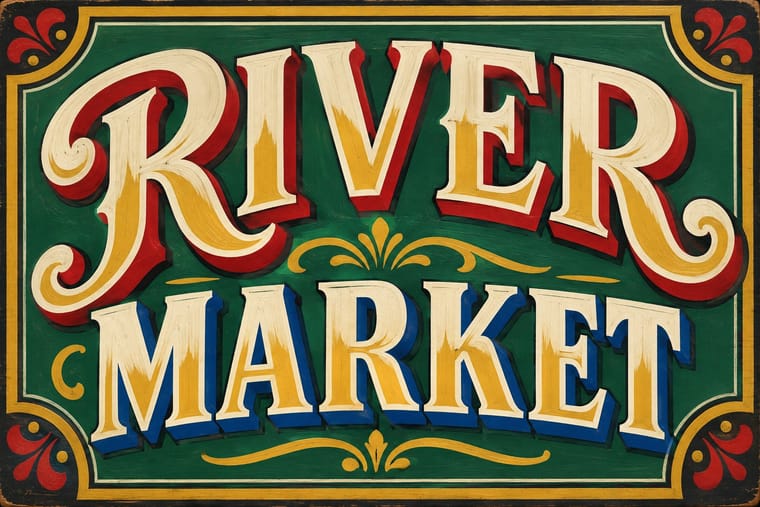
Ghanaian Tro-Tro Slogans and Lettering 1960–present
No later style in the atlas grew out of it yet.
Alike in its design choices
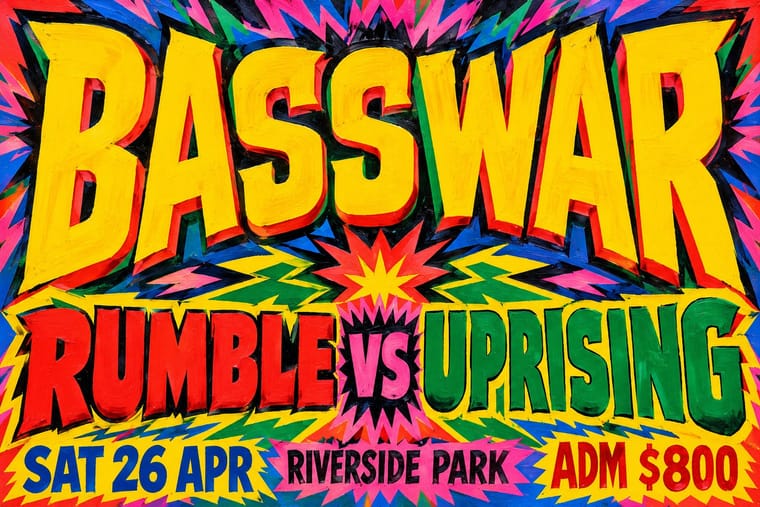
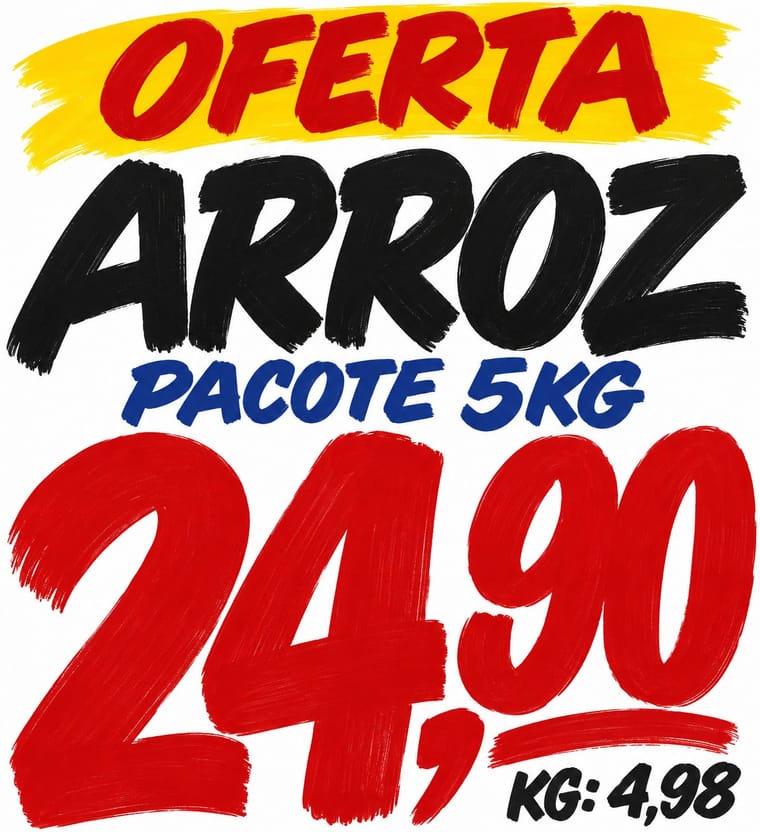
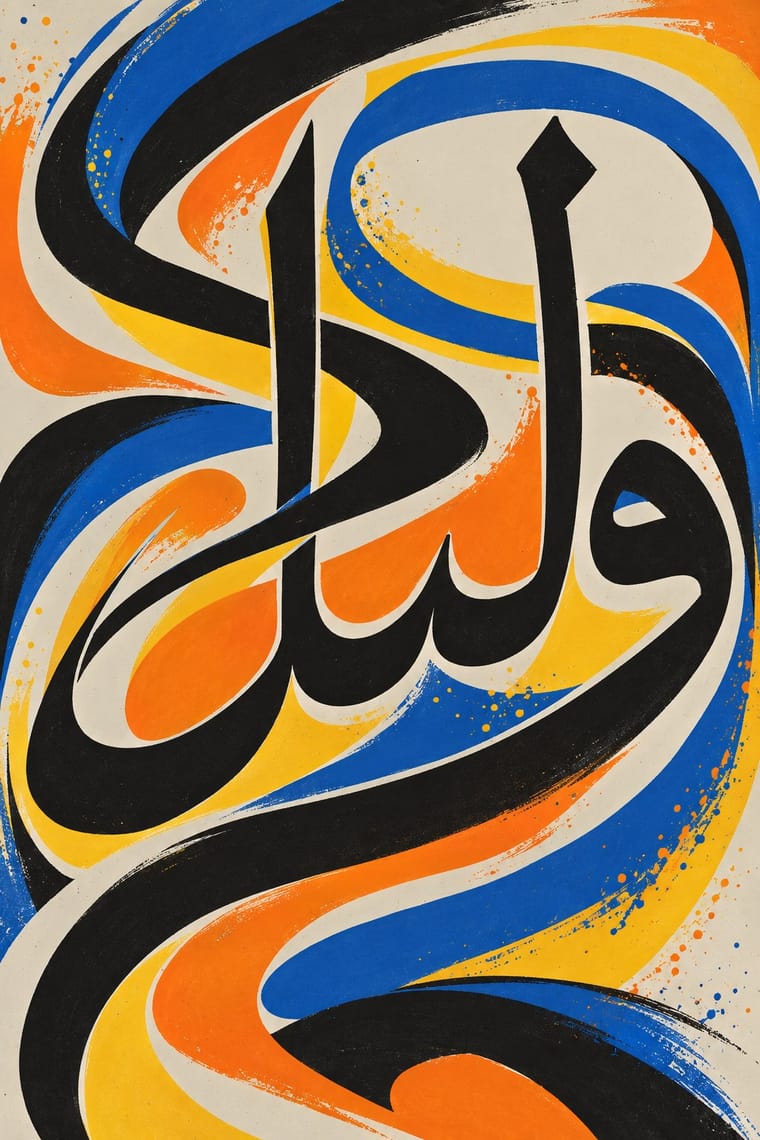
04
Often taken for
Ghanaian Tro-Tro Slogans and Lettering has no real works recorded yet, so these are its nearest styles by its choices alone, with the choices that tell them apart.
-
Hand-Painted Signage & Vernacular Lettering
Hand-Painted Signage & Vernacular Lettering is one of Ghanaian Tro-Tro Slogans and Lettering’s nearest styles by choices; no real work of either fits the other better.
Choices that tell Ghanaian Tro-Tro Slogans and Lettering and Hand-Painted Signage apart Choice Ghanaian Tro-Tro Slogans and Lettering Hand-Painted Signage Type as image characteristic — Painterly illustration avoids occasional Spiritual & sacred defining — Framed panels — characteristic Central symmetry — characteristic Ghanaian Tro-Tro Slogans and Lettering descends from Hand-Painted Signage & Vernacular Lettering: a shared line, so the likeness is inherited.
-
Amazonian Boat Lettering (Abridores de Letras)
Amazonian Boat Lettering is one of Ghanaian Tro-Tro Slogans and Lettering’s nearest styles by choices; no real work of either fits the other better.
Choices that tell Ghanaian Tro-Tro Slogans and Lettering and Amazonian Boat Lettering apart Choice Ghanaian Tro-Tro Slogans and Lettering Amazonian Boat Lettering Limited spot colours characteristic — Illusion of depth — defining Borders & frames characteristic — Painterly illustration avoids occasional Extreme scale contrast characteristic — Both descend from Hand-Painted Signage & Vernacular Lettering in the family tree.
-
Jamaican Dancehall Signs & Sleeve Art
Jamaican Dancehall Signs & Sleeve Art is one of Ghanaian Tro-Tro Slogans and Lettering’s nearest styles by choices; no real work of either fits the other better.
Choices that tell Ghanaian Tro-Tro Slogans and Lettering and Jamaican Dancehall Signs apart Choice Ghanaian Tro-Tro Slogans and Lettering Jamaican Dancehall Signs Single focal point defining occasional Layered information — defining Limited spot colours characteristic — Full polychrome occasional defining Spiritual & sacred defining — Both descend from Hand-Painted Signage & Vernacular Lettering in the family tree.
-
Brazilian Supermarket Cartazista Lettering
Brazilian Supermarket Cartazista Lettering is one of Ghanaian Tro-Tro Slogans and Lettering’s nearest styles by choices; no real work of either fits the other better.
Choices that tell Ghanaian Tro-Tro Slogans and Lettering and Brazilian Supermarket Cartazista Lettering apart Choice Ghanaian Tro-Tro Slogans and Lettering Brazilian Supermarket Cartazista Lettering Ornamented display characteristic avoids Layered information — defining Hard offset shadow defining — Light ground — characteristic Floral & vegetal occasional avoids Both descend from Hand-Painted Signage & Vernacular Lettering in the family tree.
— means the choice isn’t among the style’s recorded choices. Critics recorded each work’s choices with the styles’ descriptions in view, so this shows whether the descriptions hold together, not proof that they are right.
05
Sources
- https://en.wikipedia.org/wiki/Tro_tro
- https://pure.uva.nl/ws/files/840416/79534_anyway.pdf
- https://www.tandfonline.com/doi/full/10.1080/14797585.2024.2364636
1 more source
- Eugenia Date-Bah, 'The Inscriptions on the Vehicles of Ghanaian Commercial Drivers: A Sociological Analysis', Journal of Modern African Studies 18, 3 (1980), 525-31
How Stylogeny researches and checks a style: where the facts come from.