Traditions & vernacular · 1940–present · North America
Cholo Writing and Placa Roll-Call Lettering
Also known as Cholo writing, Chicano graffiti lettering, Placas, Los Angeles roll-call lettering
A Los Angeles tradition of Mexican-American street writing in which hand-drawn Old English blackletter in black is said (per SLUG) to name a neighbourhood or crew, list its members in a roll call and close with the writer's logo, their name or street name. The 1940s start is a practitioner's account. Chaz Bojórquez is one writer, not the whole tradition; the Smithsonian calls his 1980 canvas lettering fanciful and calligraphic, not strict Old English. Placa lettering is legible names, unlike pixacao's tags.
Use it with care
This is a living community's territorial and memorial language, and roll calls name real people, many of them dead or at risk. The words 'cholo' and 'placa' carry gang and police associations, and the tradition is also one of memorial. Commission and credit practitioners, including Chaz Bojórquez, François Chastanet as its documenter, and the many other writers; do not use real gang names or imply affiliation, and do not reduce roll calls to generic urban decoration.
01
How it works
Palette
-
#111111 -
#f0ece2 -
#8c8a84 -
#4a4844
Typefaces
-
Old English (blackletter) lettering
-
Hand-drawn Los Angeles street writing
-
Chaz Bojórquez's calligraphic placa hand
- Set the neighbourhood or crew name as the headline, in large black Old English letters.
- Fill the body with a roll call of names, written in a smaller, tighter hand beneath the headline.
- Close with the writer's logo, meaning the writer's name or street name.
- Draw the letters by hand on the wall or canvas.
- Keep the palette to black on a plain wall-grey or off-white ground, so the lettering carries all the identity.
Mexican-American neighbourhoods of Los Angeles
02
Its design choices
From Stylogeny’s vocabulary of design choices: defining choices make the style, characteristic ones are usual, occasional ones turn up now and then.
- Layout & composition
- Space & hierarchy
- Typography
- Colour
- Form & shape
- Surface & texture
- Ornament
- Imagery
- Medium & production
- Avoids
- Grotesque & neo-grotesque, Geometric sans, Full polychrome, Fluorescent & neon, Gradients, Gloss & highlights, Hard offset shadow, Abundant decoration, Letterpress, Authoritative & institutional
How its pictures are made Without pictures
Kind of picture: Without pictures
Known for
-
Chaz Bojórquez, Placa/Rollcall
1980, acrylic on canvas, Smithsonian American Art Museum
-
Chaz Bojórquez, Señor Suerte skull stencil
1969, per his interview; a contextual work, not a lettering specimen
-
François Chastanet, Cholo Writing
Graffiti in Los Angeles (Dokument Press, 2009), a book documenting the lettering style by many Los Angeles writers
03
Where it comes from, and what it’s close to
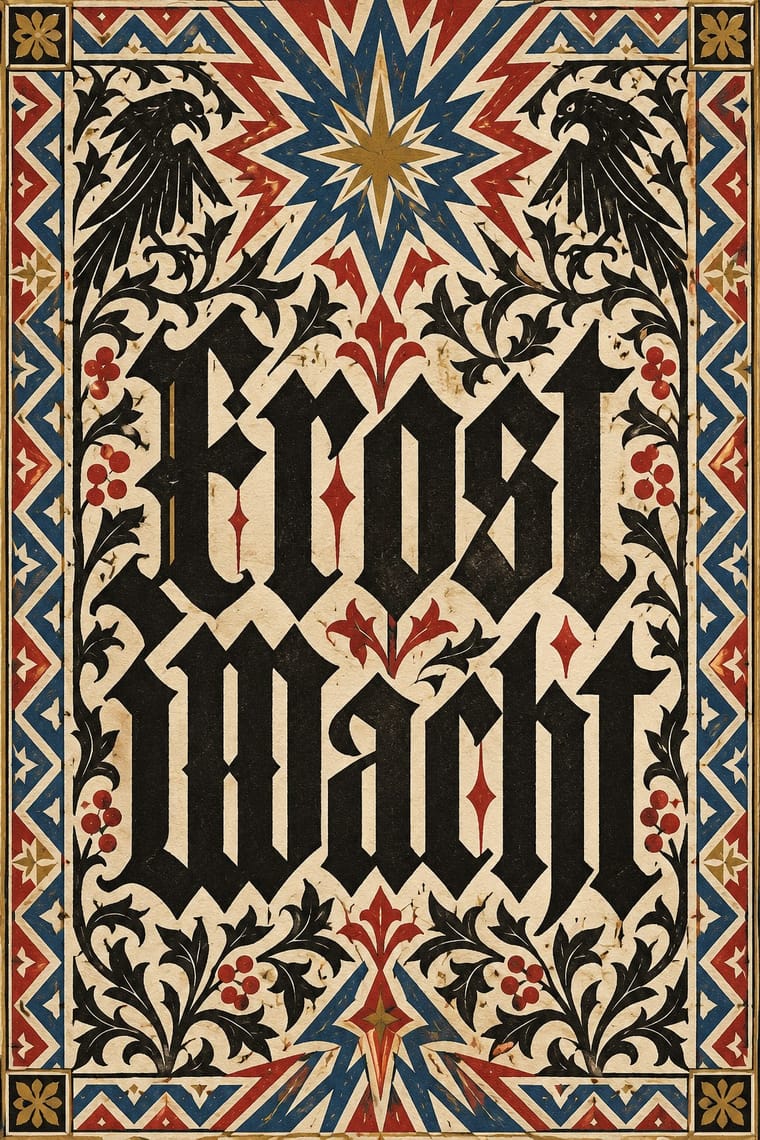
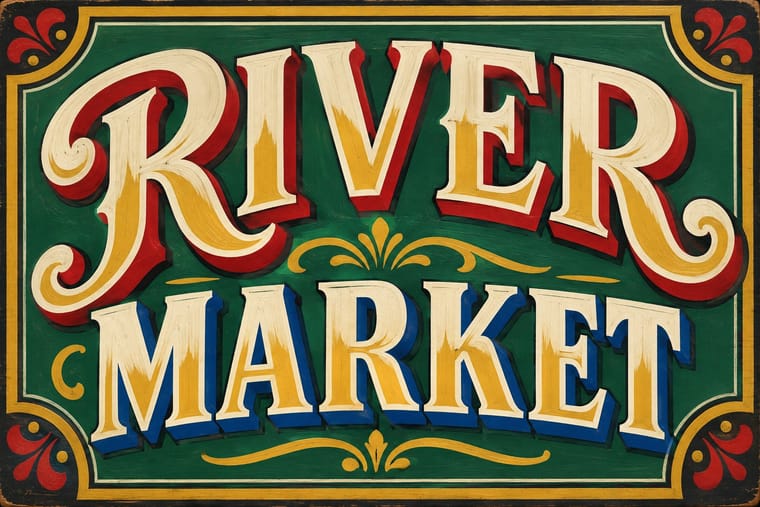
Cholo Writing and Placa Roll-Call Lettering 1940–present
No later style in the atlas grew out of it yet.
Alike in its design choices
04
Often taken for
Cholo Writing and Placa Roll-Call Lettering has no real works recorded yet, so these are its nearest styles by its choices alone, with the choices that tell them apart.
-
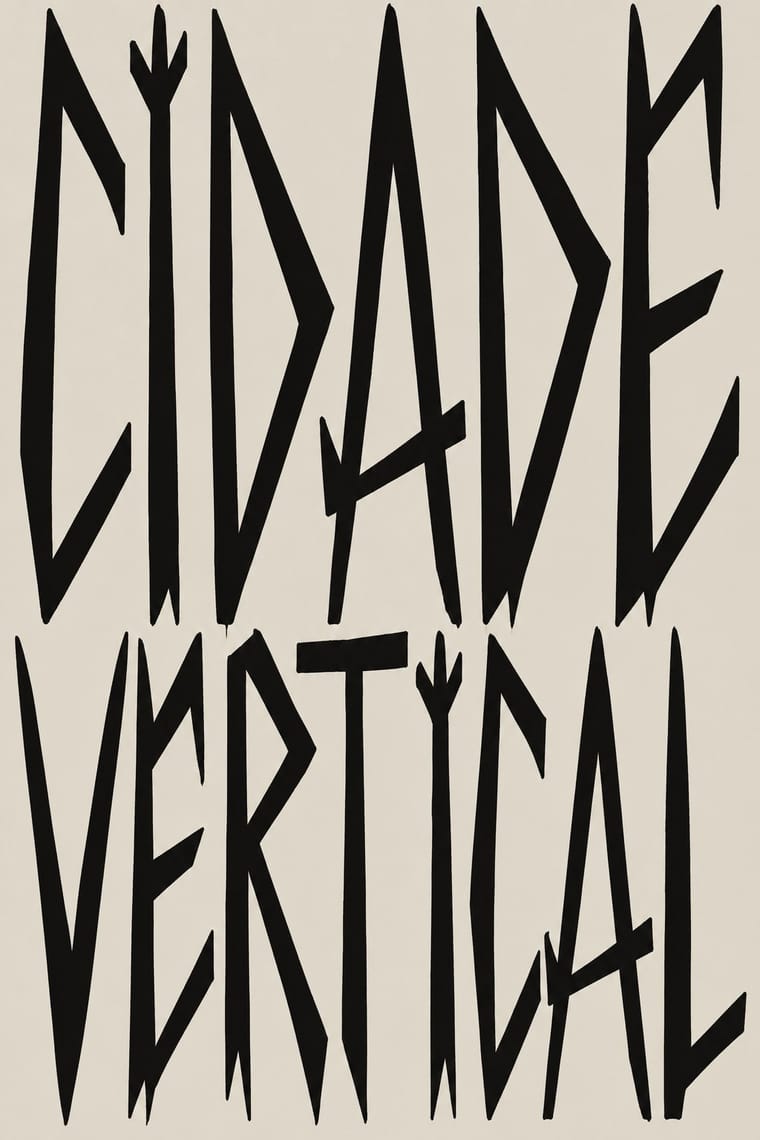
Pixação (São Paulo Tag Reto)
Pixação is one of Cholo Writing and Placa Roll-Call Lettering’s nearest styles by choices; no real work of either fits the other better.
Choices that tell Cholo Writing and Placa Roll-Call Lettering and Pixação apart Choice Cholo Writing and Placa Roll-Call Lettering Pixação Blackletter defining occasional Experimental & distorted — defining Limited spot colours characteristic — All-over field — characteristic Layered information characteristic — No shared descent in the atlas: they reached these choices separately.
-
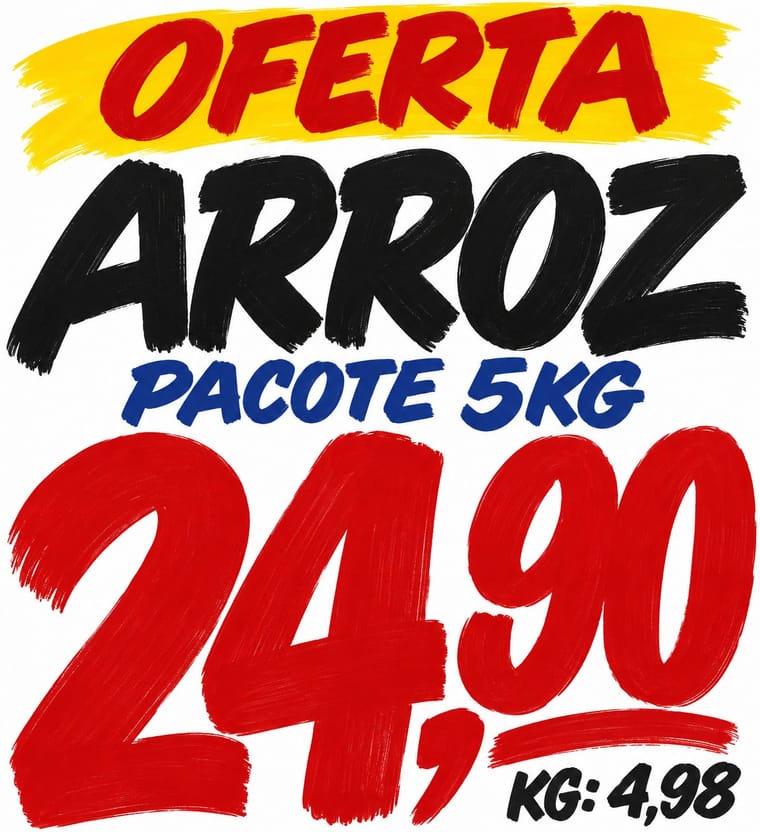
Brazilian Supermarket Cartazista Lettering
Brazilian Supermarket Cartazista Lettering is one of Cholo Writing and Placa Roll-Call Lettering’s nearest styles by choices; no real work of either fits the other better.
Choices that tell Cholo Writing and Placa Roll-Call Lettering and Brazilian Supermarket Cartazista Lettering apart Choice Cholo Writing and Placa Roll-Call Lettering Brazilian Supermarket Cartazista Lettering Monochrome defining — Painterly brushwork — defining Blackletter defining — Type as image — defining Angular & zigzag characteristic — No shared descent in the atlas: they reached these choices separately.
-
Samizdat Typescript (Typewritten Underground Press)
Samizdat Typescript is one of Cholo Writing and Placa Roll-Call Lettering’s nearest styles by choices; no real work of either fits the other better.
Choices that tell Cholo Writing and Placa Roll-Call Lettering and Samizdat Typescript apart Choice Cholo Writing and Placa Roll-Call Lettering Samizdat Typescript Blackletter defining — Paper & letterpress bite — defining Hand-lettering defining occasional Monospace — defining Flat fields characteristic — No shared descent in the atlas: they reached these choices separately.
-
Dazibao (Big-Character Posters)
Dazibao is one of Cholo Writing and Placa Roll-Call Lettering’s nearest styles by choices; no real work of either fits the other better.
Choices that tell Cholo Writing and Placa Roll-Call Lettering and Dazibao apart Choice Cholo Writing and Placa Roll-Call Lettering Dazibao Blackletter defining — All-over field — defining Flat fields characteristic — Painterly brushwork — defining Angular & zigzag characteristic — No shared descent in the atlas: they reached these choices separately.
— means the choice isn’t among the style’s recorded choices. Critics recorded each work’s choices with the styles’ descriptions in view, so this shows whether the descriptions hold together, not proof that they are right.
05
Sources
- Smithsonian American Art Museum, Our America: Placa/Rollcall by Chaz Bojórquez, https://americanart.si.edu/exhibitions/our-america/online/placa-rollcall
- SLUG Magazine, Chaz Bojórquez on the beauty of cholo tagging, https://www.slugmag.com/arts/art/interviews-features/chaz-bojorquez-on-the-beauty-of-cholo-tagging/
- François Chastanet, Cholo Writing: Graffiti in Los Angeles, Dokument Press, 2009 (cited by Wikipedia; not read directly)
1 more source
- Wikipedia, Cholo (subculture), https://en.wikipedia.org/wiki/Cholo_(subculture)
How Stylogeny researches and checks a style: where the facts come from.