Idea · Direct attention
Size by rank
The most important figure is drawn largest, whatever its real size.
It answers the question Where does the eye land first, and where does it go next? Also called hierarchical proportion.
What it does
Shows who matters at a glance: the hero, the saint, the leader, the star.
Size by rank, put on a style
Each picture is a style from the atlas with this idea put on it, beside the same style as it is. All are AI-generated: none is a real or historical work.
-
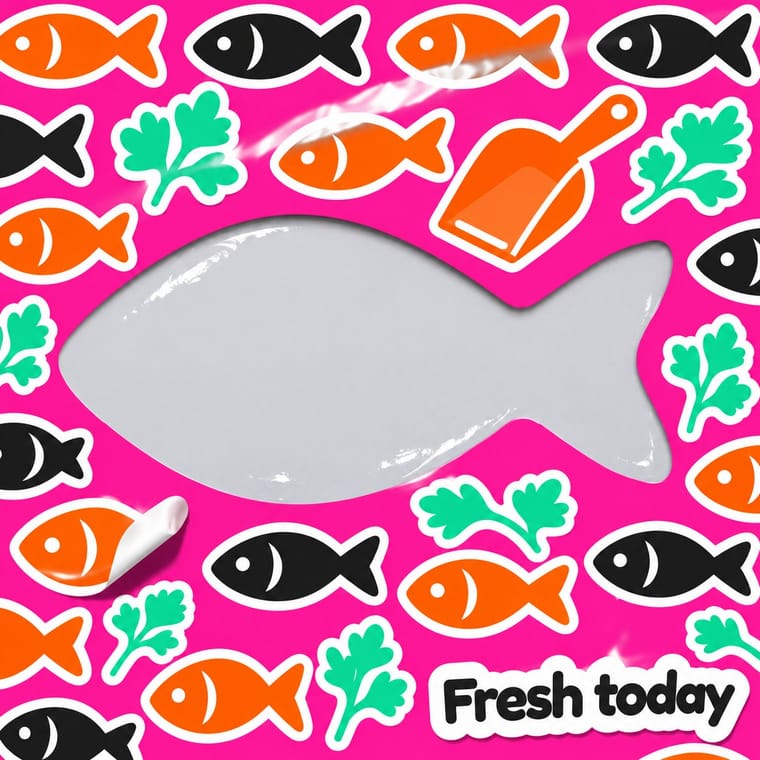
With size by rank Take One The missing fish was drawn far bigger than the small ones round it, so its bare hole says which fish everyone comes for.
-

As it is 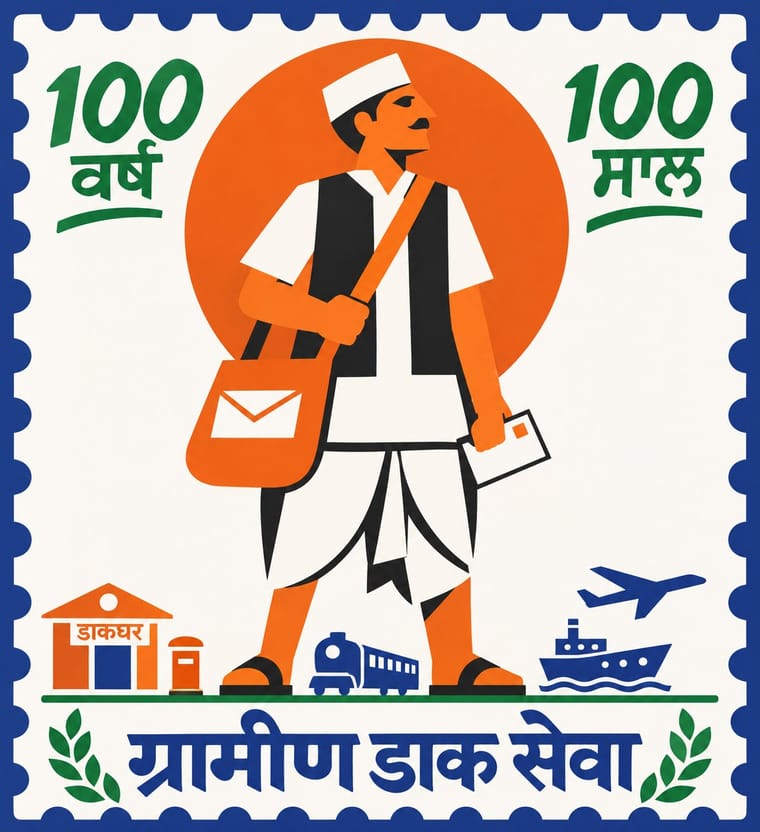
With size by rank Indian Institutional Modernism (NID) A rural postman with his satchel stands as tall as the whole stamp, while the post office, a mail train, a ship and an aeroplane sit small around his feet, so the man ranks above every machine that carries the mail.
Its Devanagari lettering has not been checked by a fluent reader, so it may contain errors.
-
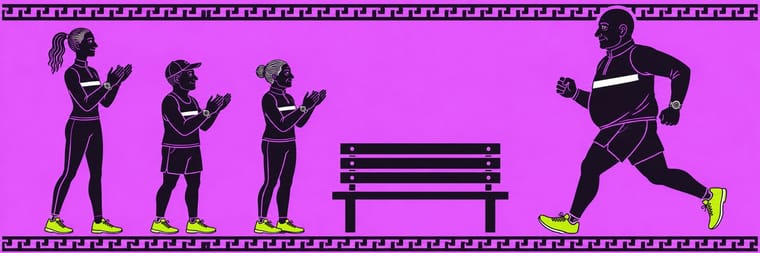
With size by rank Dawn Amphora The last man home is drawn a head taller than the three who clap him in, as a pot draws its winner.
-
As it is 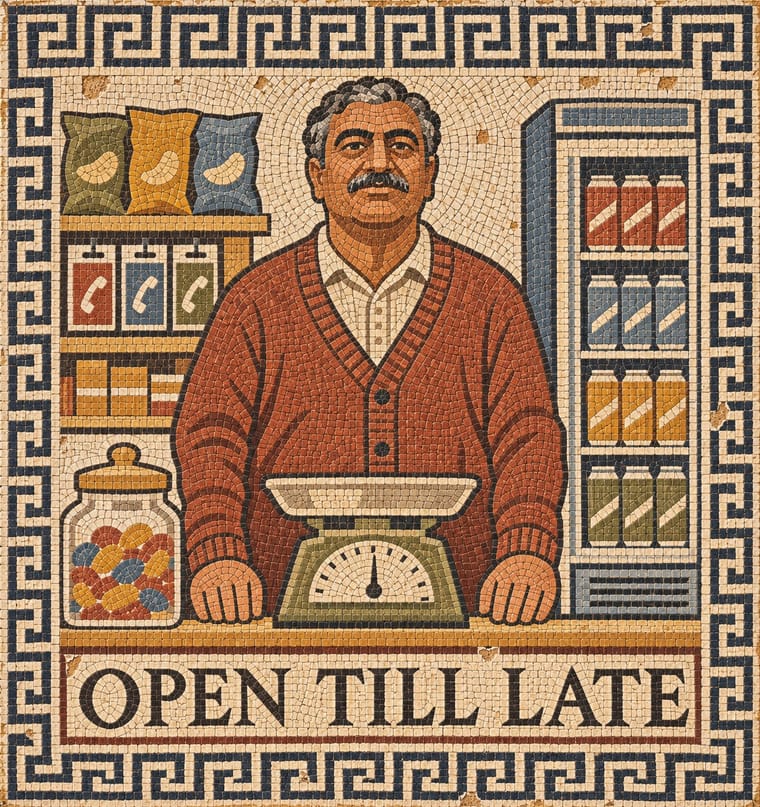
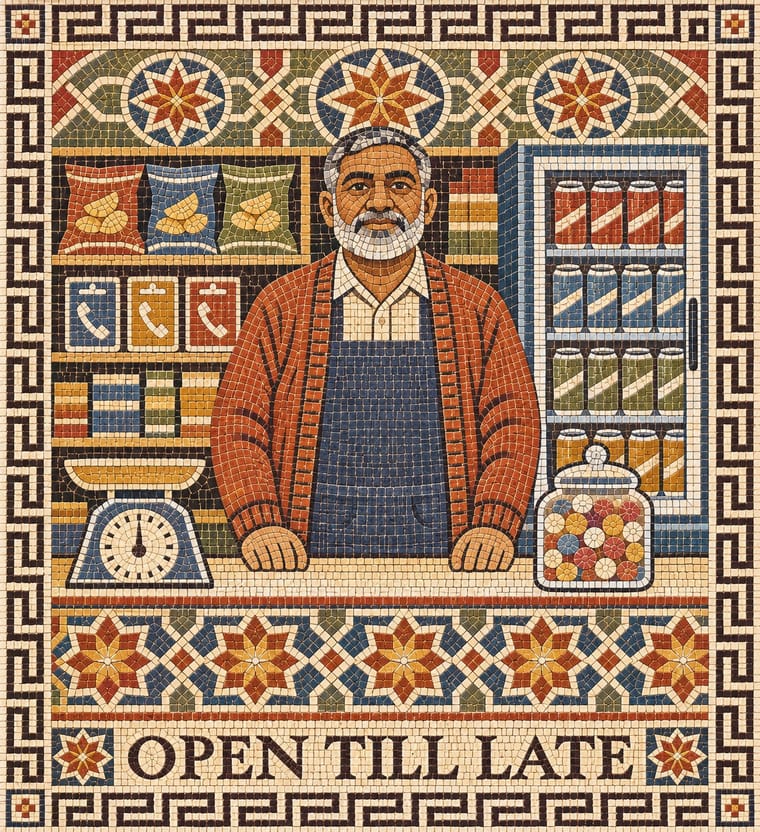
With size by rank Corner Shop Mosaic He is laid larger than his fridge and his counter, as a Roman floor made its champion larger than his horses.
-
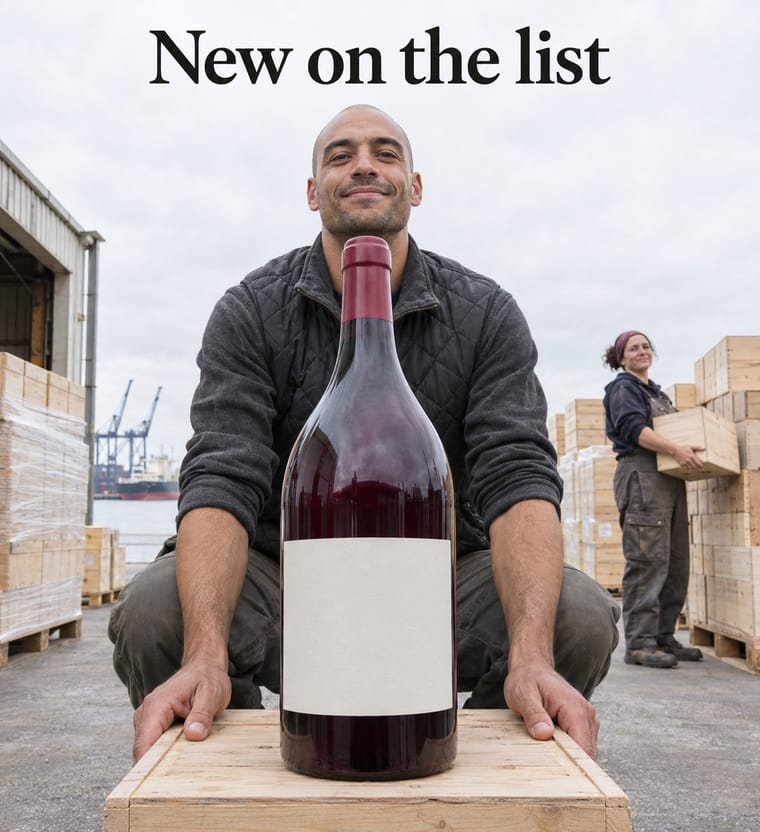
With size by rank The Catch The new magnum stands taller than the man who chose it and the stacks behind him, the one bottle the trade should notice this week.
-
As it is 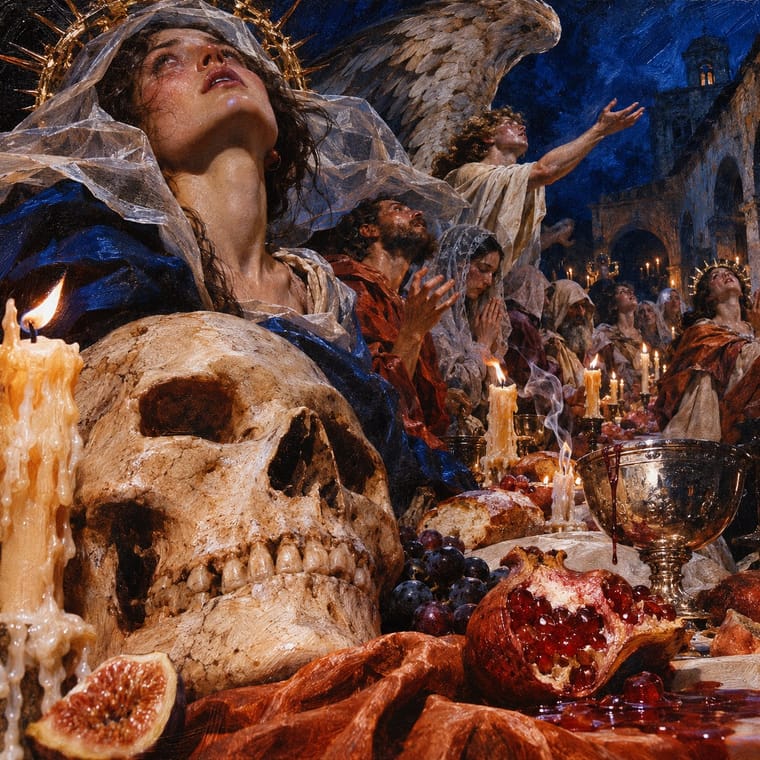
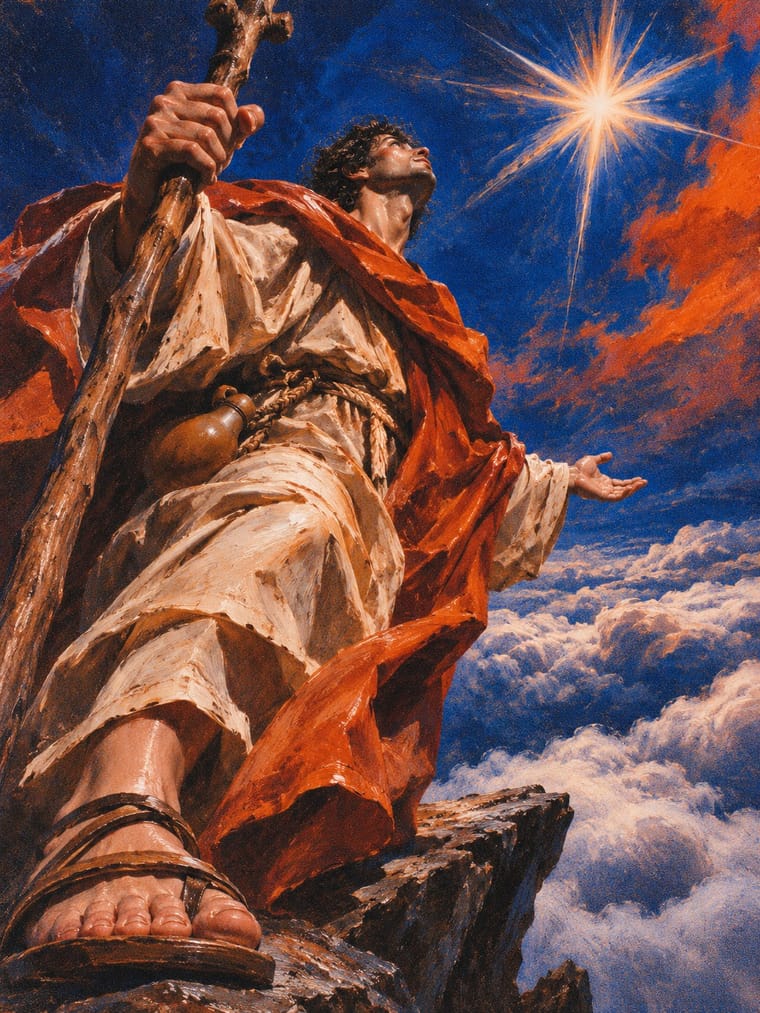
With size by rank Flash Baroque The skull is the largest guest at the table, and nobody has noticed it.
Try it on any style
Pick a style, any style, and tell the image model:
Draw the most important figure far larger than the others around it, whatever their real sizes.
Then write the idea in one sentence, saying what the picture shows and what that gets across. If the idea leans on the words, check it against them. A tap for the O in a headline that has no O breaks the word.
Mix styles writes the rest of the prompt for any style in the atlas, or a blend of a few. Add the line above and your sentence to it.
Where it has been used
Real works that use it, named so you can look them up. Stylogeny shows no pictures of them.
- ancient Egyptian reliefs
- medieval altarpieces
What it helps to say
It can argue
Styles known for it 6
These styles use it often. For those marked signature, it is part of what they are. Any other style can take it too.
- Ghanaian Movie Poster signature Enlarges the principal stars' portrait heads above smaller figures and scenes, as in Sowwy's House Party, so prominence rather than perspective decides the scale.
- Hand-Painted Bollywood Poster signature The stars' heads are painted oversized and stacked or fanned across the sheet above small vignettes of action and romance, so billing, not distance, decides who is largest.
- Arab Press Caricature (Rose al-Yusuf to Naji al-Ali) Rank sets size: the citizen is shrunk small and the official swells huge beside him, so the gap in scale marks who holds power and the situation names the target.
- Fante Asafo Flags (Frankaa) The beast or captain that stands for the company is cut far larger than the prey, rivals or followers around it, whatever their real size, so the boast of strength is made by scale alone.
- Krokodil Satirical Magazine Style When a Soviet worker or Red Army soldier meets a capitalist in Krokodil he is often drawn as a giant and his opponent small, so size says at a glance which side matters.
- Russian Constructivism Photomontage sizes figures by political rank, not by distance: in Gustav Klutsis's posters a giant Lenin, Stalin or shock worker towers over tiny crowds, cities and building sites.