Idea · Join two things
Line-up
Different things shown in a row or grid in the same pose, size and framing, so the viewer reads what they share; a newcomer placed among them is granted it too.
It answers the question Which two things, brought together, make the idea? Also called the full set, typology, family portrait or categorical juxtaposition.
What it does
Says “this belongs with these”, “the whole range” or “all agree”; also makes small differences visible.
A made-up example: a paperback in a row with a passport, a compass and a pair of walking boots.
Line-up, put on a style
Each picture is a style from the atlas with this idea put on it, beside the same style as it is. All are AI-generated: none is a real or historical work.
-
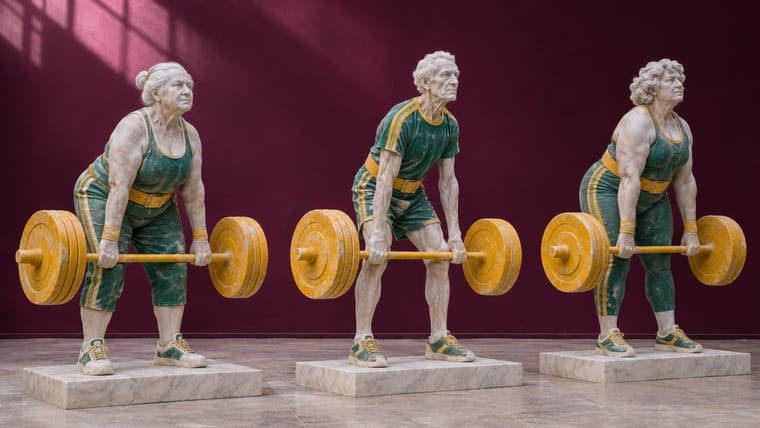
With line-up Painted Marble Three lifters past sixty in the same deadlift stand in a row on plinths, like the heroes such a hall was built for.
-
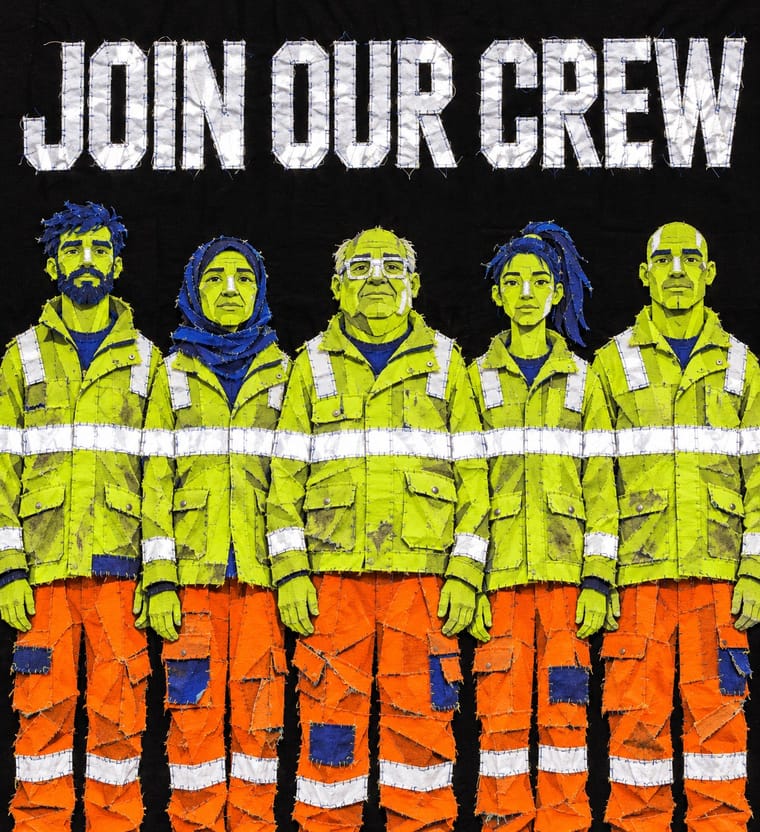
With line-up Patched Up Five people of different age, build and look stand in one row in the same pose, and their chest bands of tape join into one line of light, so the crew reads as one.
-
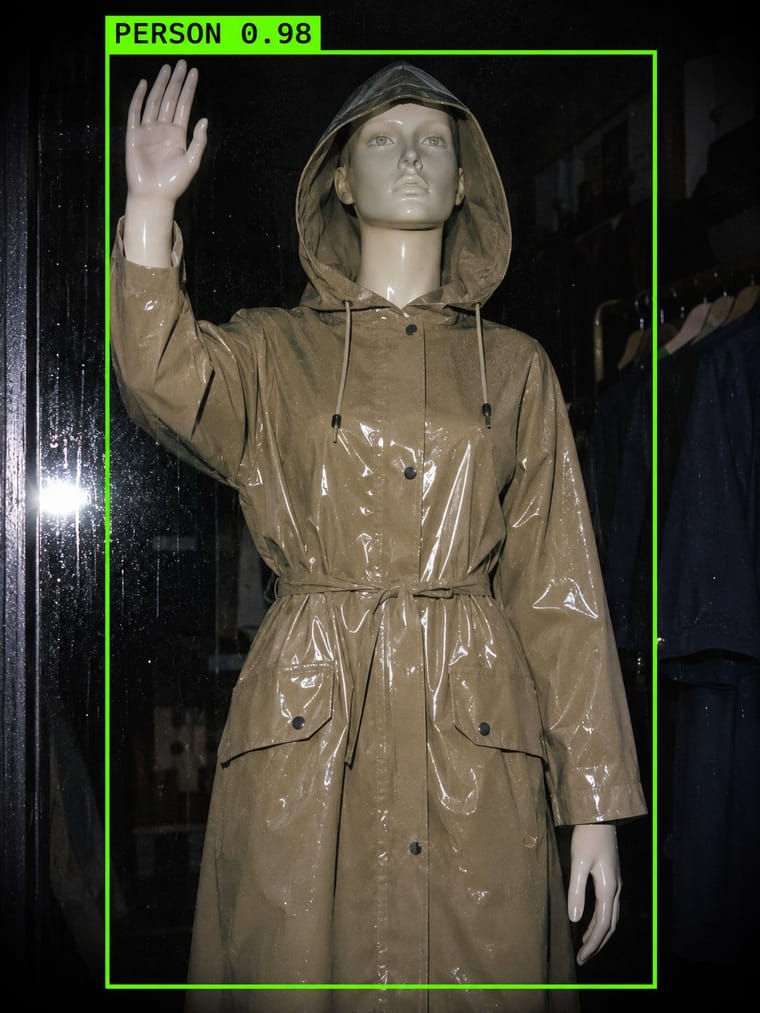
As it is 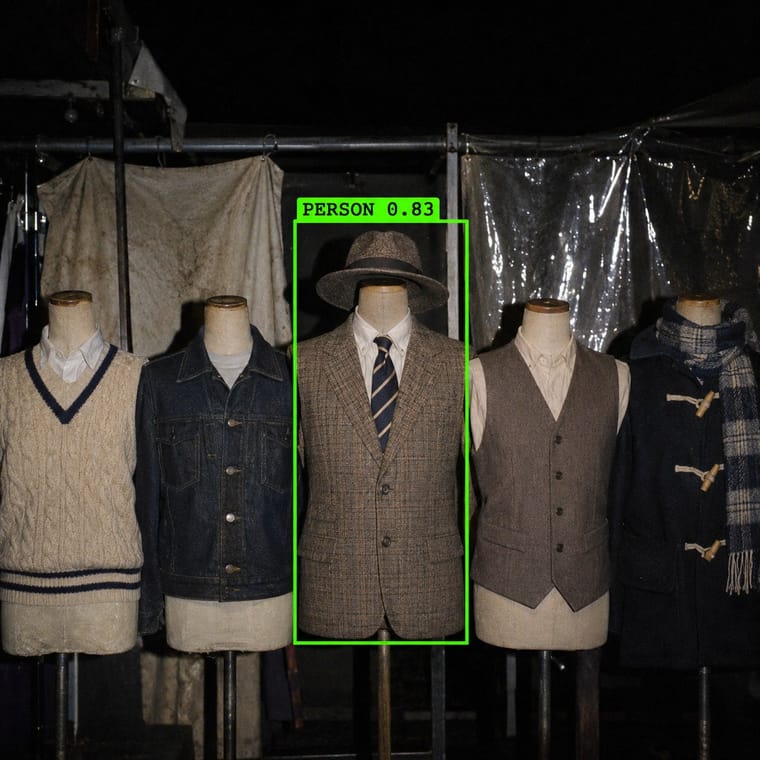
With line-up False Positives In a line-up of five headless dummies the machine picks the one with a hat, since a hat is where a head goes.
-
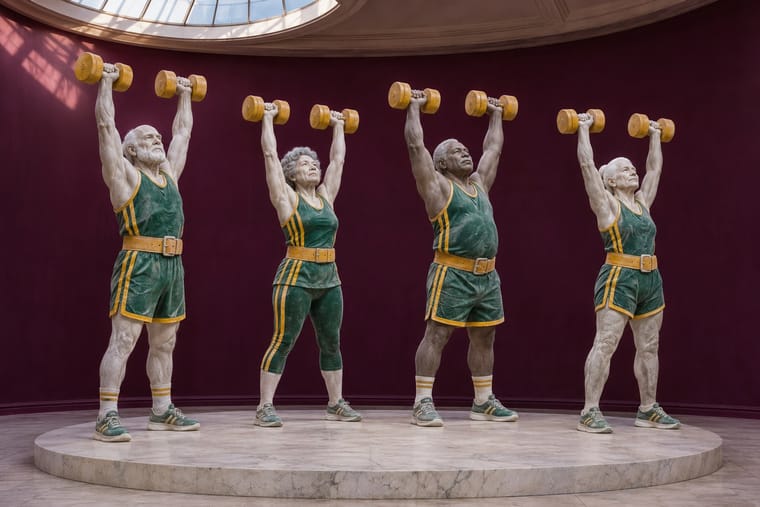
With line-up Painted Marble Four different old bodies hold the same straight arms overhead, side by side, so four lives read as one strength.
-
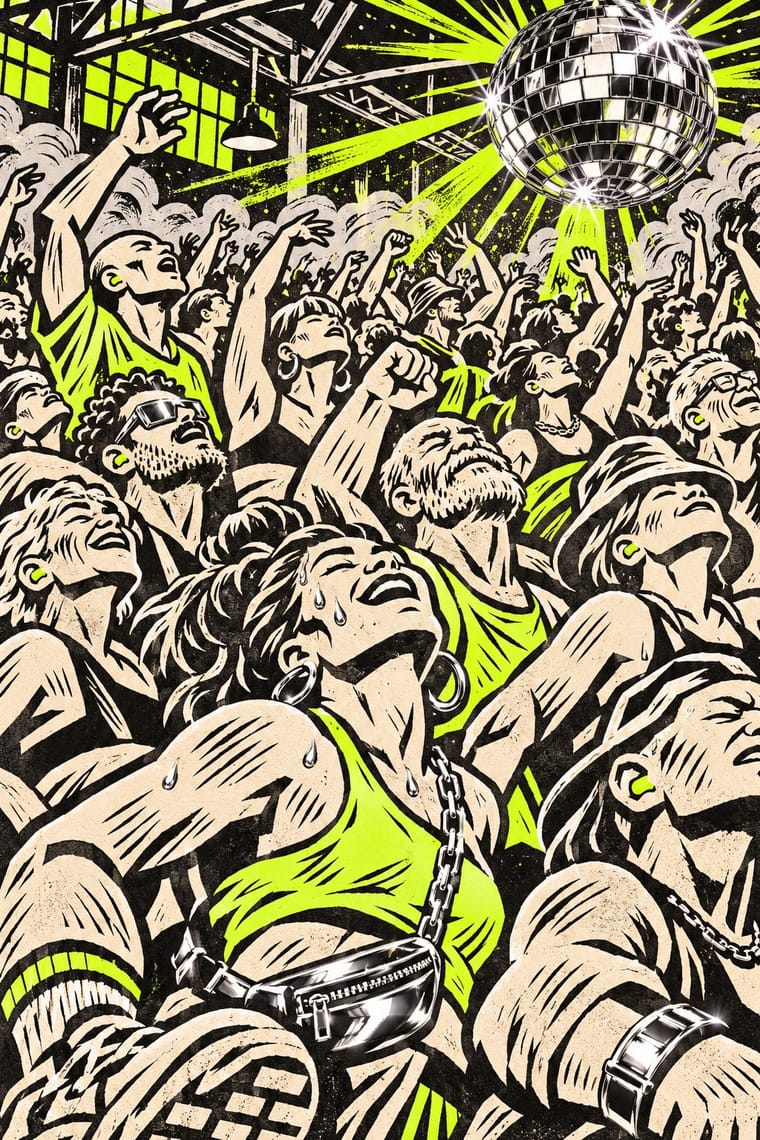
As it is 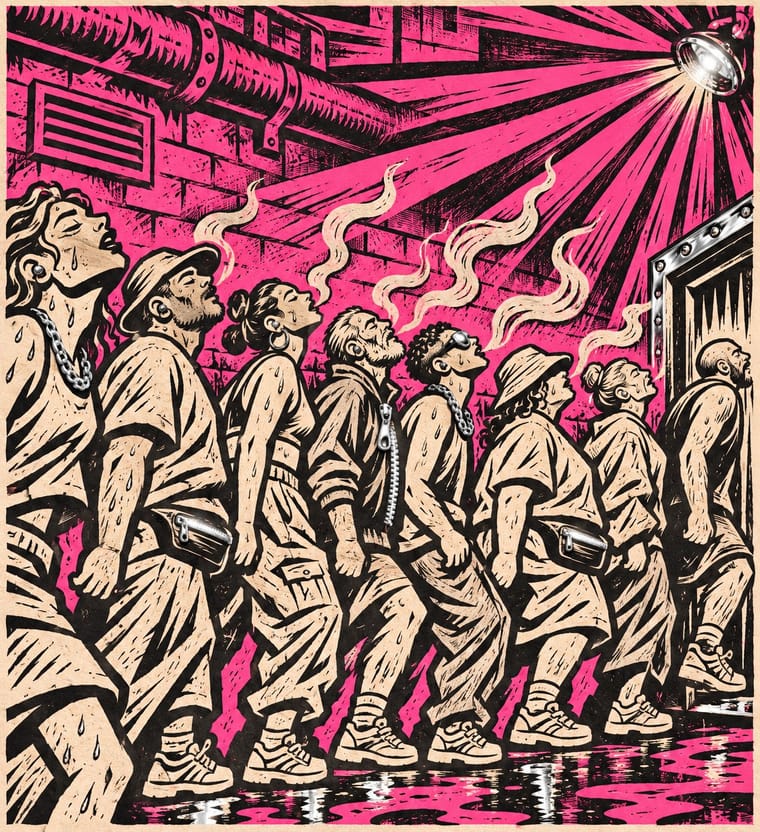
With line-up Woodcut Rave Lined up along the wall in profile, the queue is cut as a procession of pilgrims waiting to be let in.
-
As it is 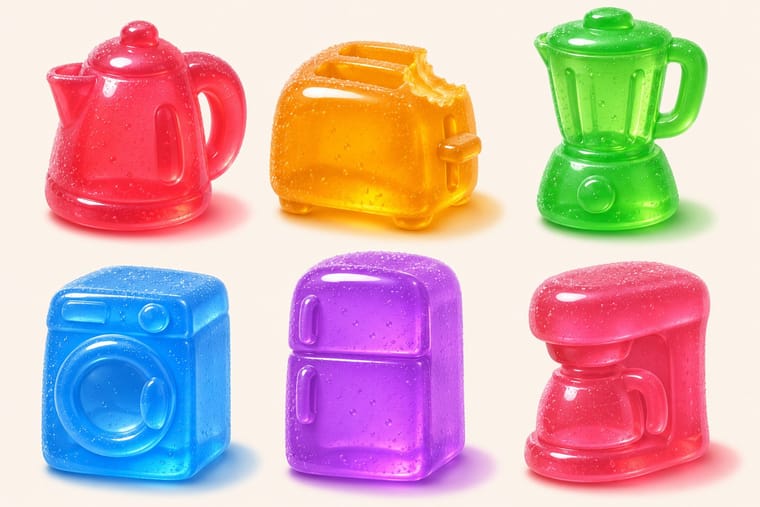
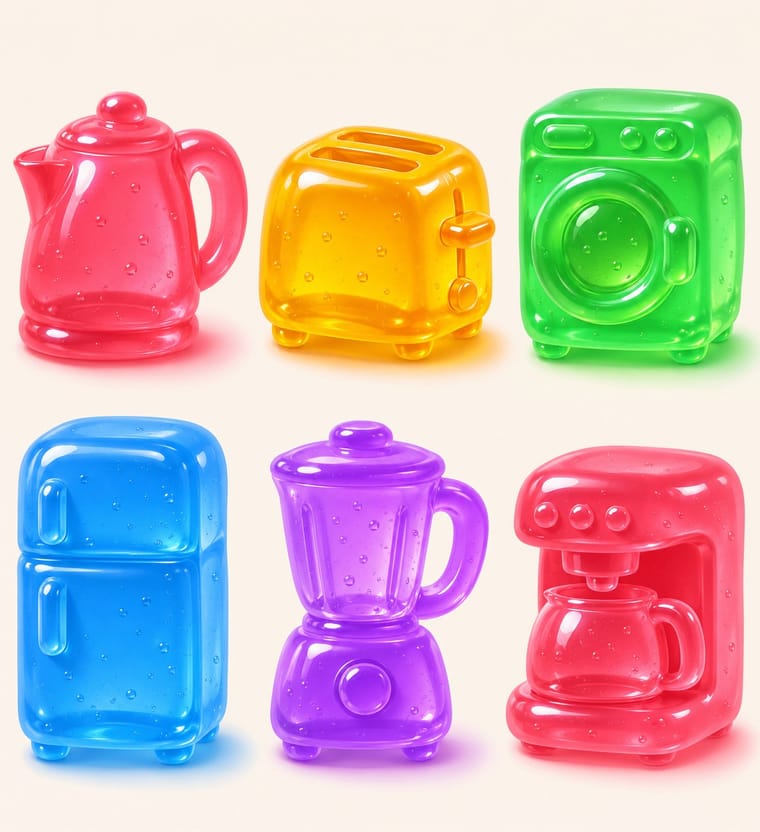
With line-up Gummy Machines A kettle and a washing machine are the same size on the sheet, so nothing in the kitchen outranks anything else.
-
As it is 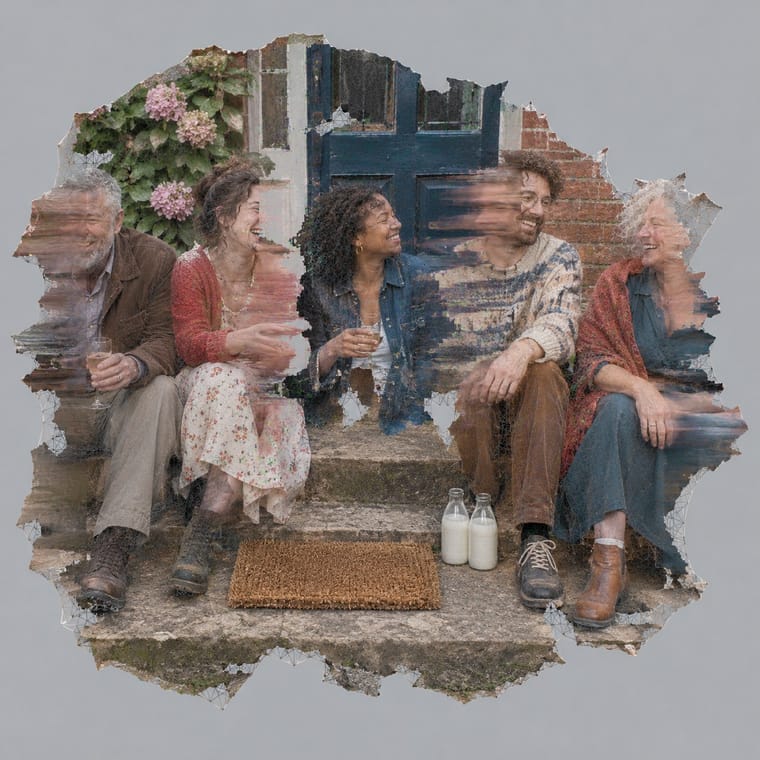
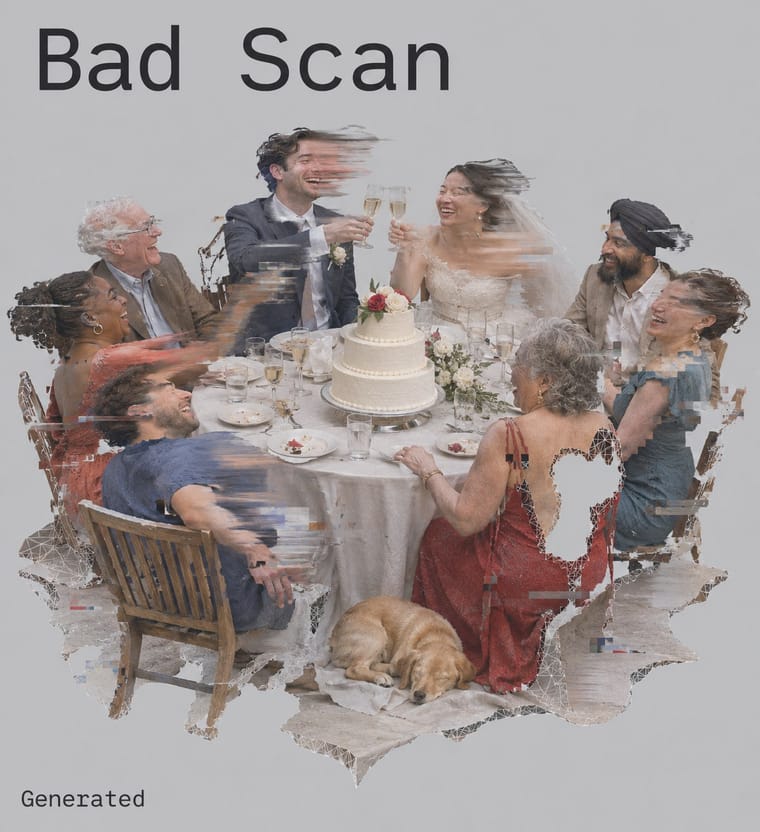
With line-up Bad Scan Five in a row, each missing a different side: put together they would make about three whole people.
-
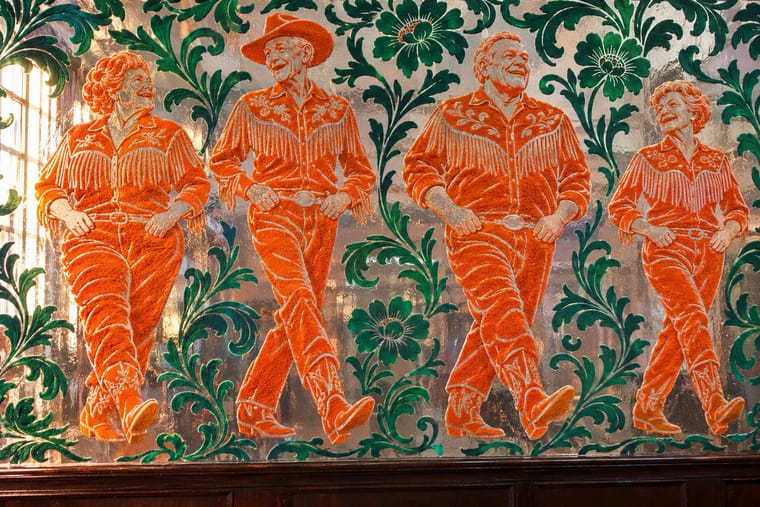
With line-up Flock and Foil Four dancers of different builds and ages put the same heel forward at the same instant, so the row is one shared step.
Try it on any style
Pick a style, any style, and tell the image model:
Show several different things of one family in a row or grid, each in the same pose, size and framing, with the subject as one of them.
Then write the idea in one sentence, saying what the picture shows and what that gets across. If the idea leans on the words, check it against them. A tap for the O in a headline that has no O breaks the word.
Mix styles writes the rest of the prompt for any style in the atlas, or a blend of a few. Add the line above and your sentence to it.
Where it has been used
Real works that use it, named so you can look them up. Stylogeny shows no pictures of them.
- Bernd and Hilla Becher’s typologies of water towers and blast furnaces (from the 1960s)
- Peter Blake and Jann Haworth’s sleeve for Sgt. Pepper’s Lonely Hearts Club Band (1967): the band joins a crowd of chosen heroes
What it helps to say
It can argue
Styles known for it
No style in the atlas is recorded with it yet. The research goes through the styles one by one. Any style can take it.