What should the picture argue?
“You can have both”
5 ideas that make a picture say it, the plainest first. Each is a move you can make on any style.
What the viewer does: The viewer sees two things that seemed opposed held in one form.
What research found: Durand calls the resolved dilemma a fundamental schema of advertising: the product ends an either-or.
The pictures are AI-generated: a style from the atlas with the idea put on it. None is a real or historical work.
-
01 · Join two things
Fusion
Parts of two things joined into one object, both still recognisable.
Says “this is that” in a single form: the classic visual metaphor.
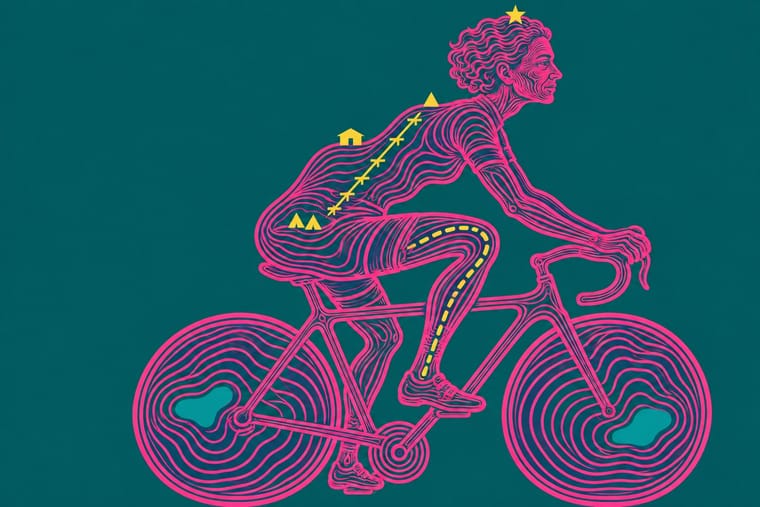
In Contour Country -
02 · Leave a gap
Figure–ground reversal
Positive and negative shapes share one contour, giving two equal readings that flip back and forth.
Two sides of one idea in a single form: duality, relation, surprise.
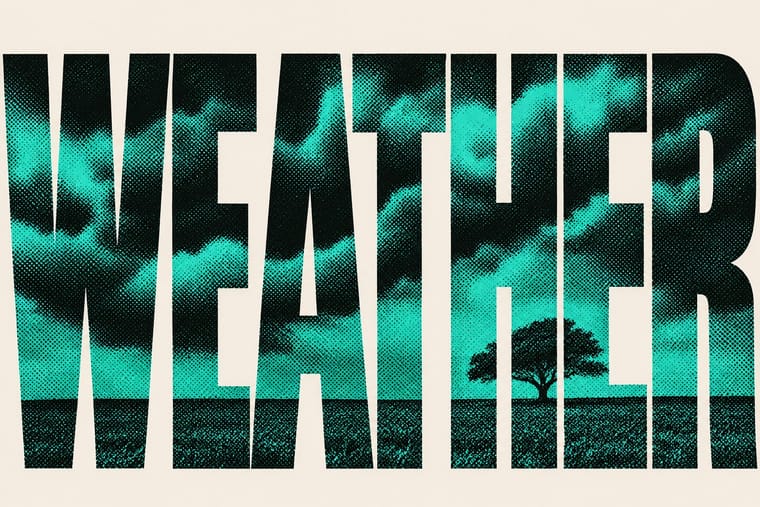
In Halftone Cut -
03 · Join two things
Visual pun
One shape, barely changed, reads as two different things; nothing is added or merged.
Wit and a moment of discovery; links two ideas without a word.

In Bag Check -
04 · Join two things
Revealing shadow
A shadow or reflection shows what the subject really is, was or will become.
A second truth inside the picture: ambition, danger, a hidden self.
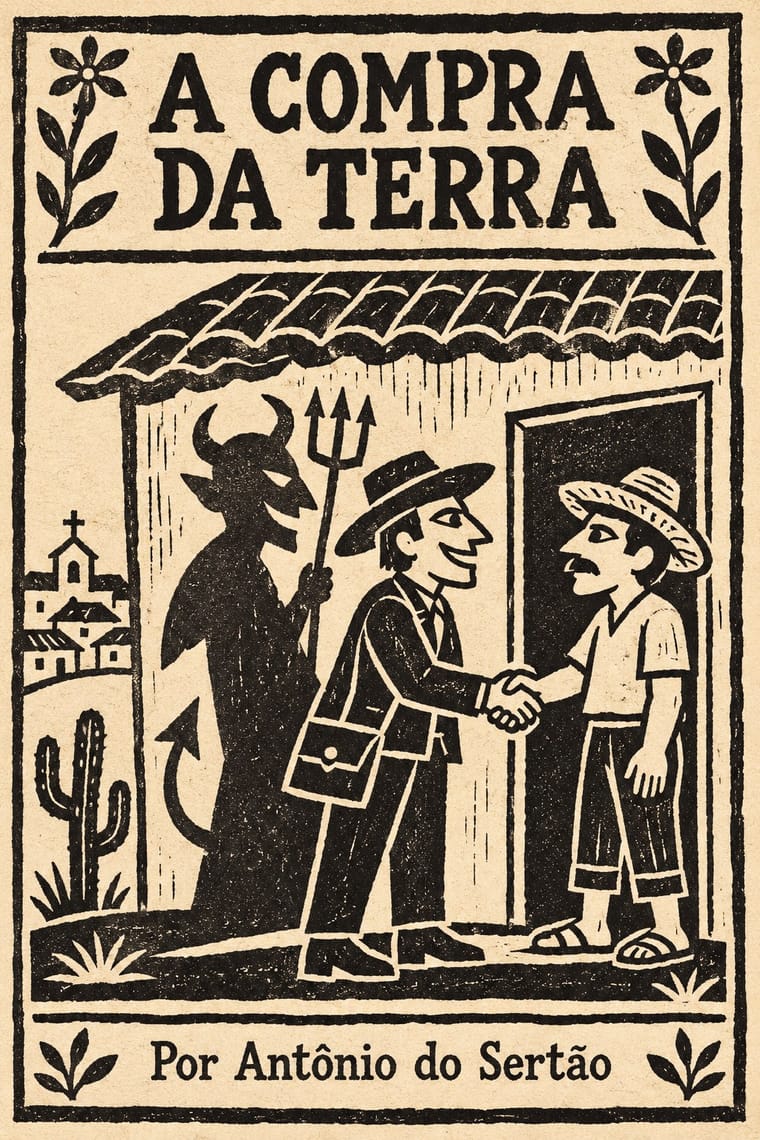
In Literatura de Cordel Woodcut -
05 · Words and pictures
Picture that turns the words
A familiar phrase stands beside a picture that gives it a second meaning, so the line reads two ways at once.
Wit with the claim inside it: the viewer gets the stock meaning first, then the picture’s, and keeps both.
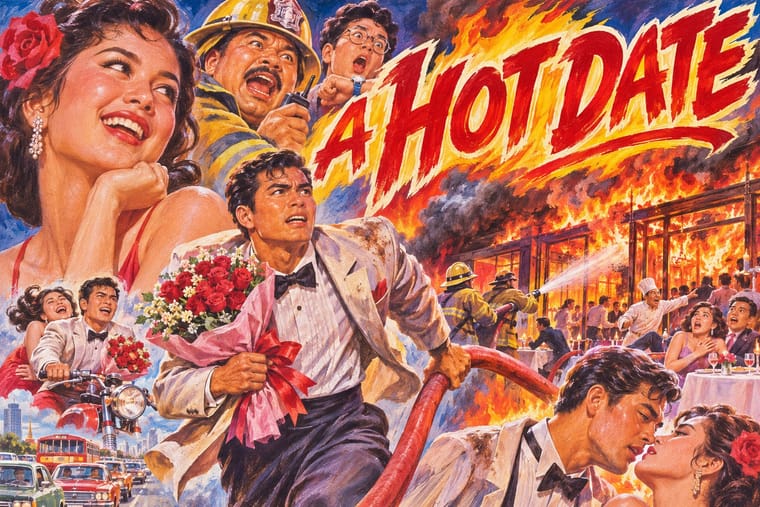
In Thai Hand-Painted Film Poster and Billboard
Something else to argue
Where the claim comes from
- Jacques Durand, “Rhétorique et image publicitaire”, Communications 15 (1970)