Idea · Leave a gap
Occlusion
Part of the subject is hidden behind something in front of it; the hidden part is still there, and the viewer fills it in or wants to see it.
It answers the question What does the viewer complete in their own mind? Also called covering, partial concealment or censor bar.
What it does
Mystery, desire and tension; what covers the subject can carry the message itself, as a moth over a mouth says silence.
A made-up example: a face hidden behind an open newspaper whose headline is the message.
Occlusion, put on a style
Each picture is a style from the atlas with this idea put on it, beside the same style as it is. All are AI-generated: none is a real or historical work.
-
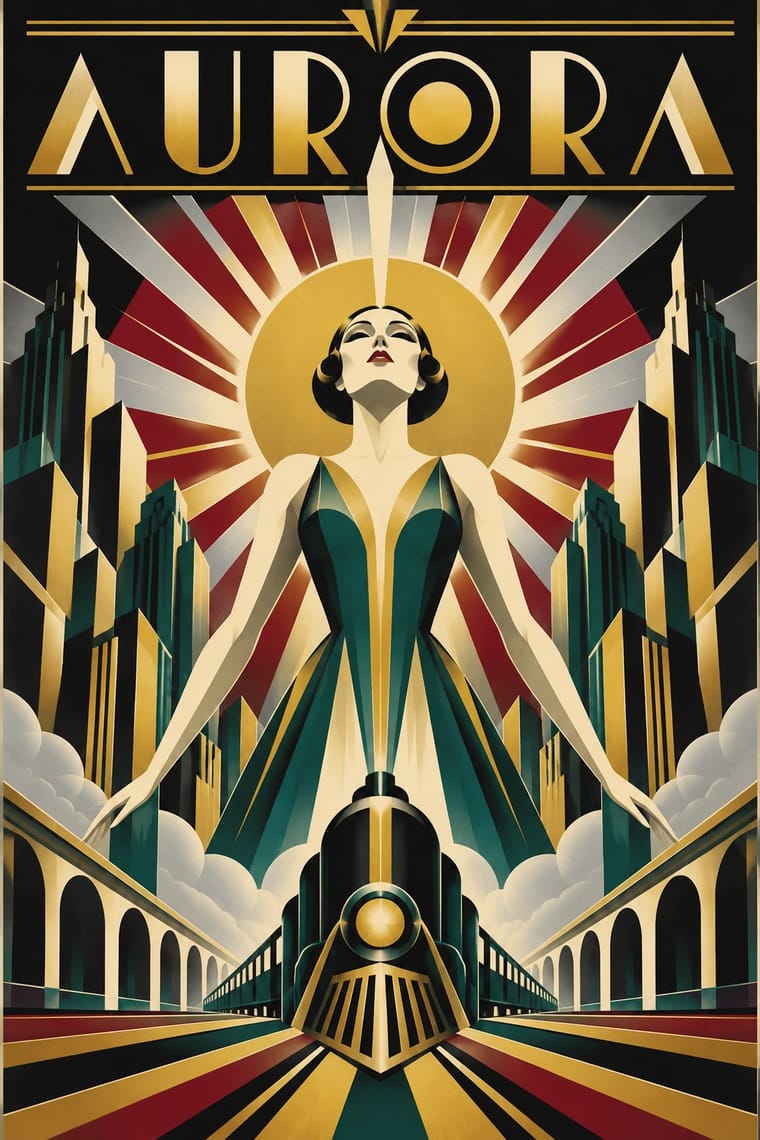
As it is 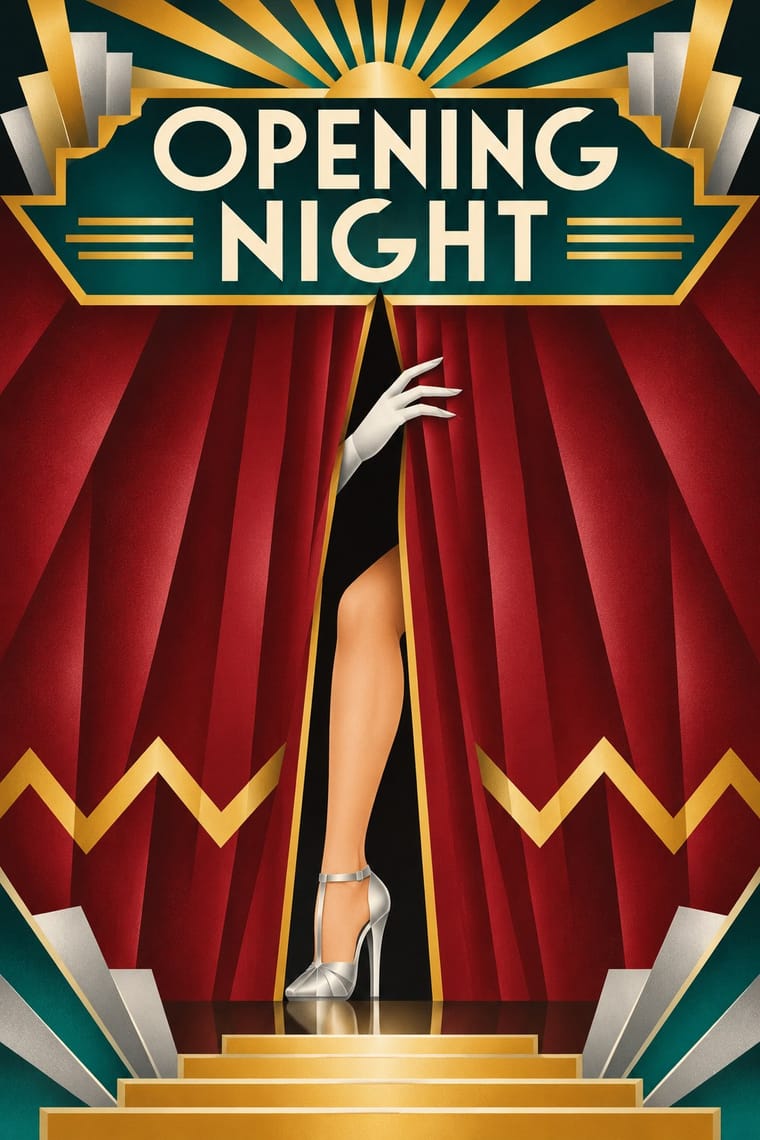
With occlusion Art Deco A heavy stage curtain hangs closed except for a narrow gap at its centre, through which a dancer's single leg in a silver shoe and one gloved hand reach out: the rest of the show is behind it, and you want the curtain to rise.
-

With occlusion The Catch The bright coil hides all but her eyes, so the new pipe is what the customer sees first and her steady look vouches for it.
-
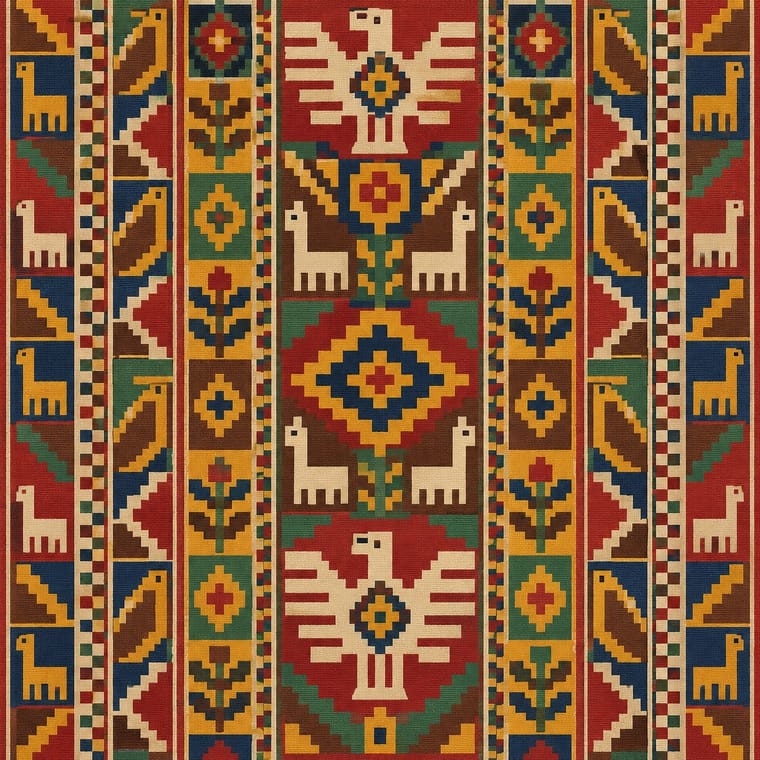
As it is 
With occlusion Andean Woven Graphic Systems A weaver holds up a finished cloth that hides her from the bridge of her nose to her knees, only her eyes above its top edge and her two hands gripping its corners showing: behind every cloth stands a maker you should know by name.
Try it on any style
Pick a style, any style, and tell the image model:
Hide part of the key subject, such as the face, behind an object in front of it, so that what covers it carries the idea and the viewer wants to see the rest.
Then write the idea in one sentence, saying what the picture shows and what that gets across. If the idea leans on the words, check it against them. A tap for the O in a headline that has no O breaks the word.
Mix styles writes the rest of the prompt for any style in the atlas, or a blend of a few. Add the line above and your sentence to it.
Where it has been used
Real works that use it, named so you can look them up. Stylogeny shows no pictures of them.
- René Magritte’s The Son of Man (1964), the face hidden by a floating apple
- the poster for The Silence of the Lambs (1991), a death’s-head moth over the mouth
What it helps to say
Styles known for it 1
These styles use it often. Any other style can take it too.
- West German Conceptual Film & Culture Poster (Hillmann and Rambow) A cropped photograph is covered by something laid over it: in Hillmann's Das Irrlicht (1966) dead leaves lie across a young man's black-and-white portrait, leaving his eyes and mouth half buried.