Idea · Join two things
Replacement
Only one thing is shown, in the place or role of another that the setting implies.
It answers the question Which two things, brought together, make the idea? Also called substitution, contextual metaphor or uncommon use.
What it does
Surprise and argument: the swap says what the two things share, or how they clash.
A made-up example: a light bulb in place of a head.
Replacement, put on a style
Each picture is a style from the atlas with this idea put on it, beside the same style as it is. All are AI-generated: none is a real or historical work.
-
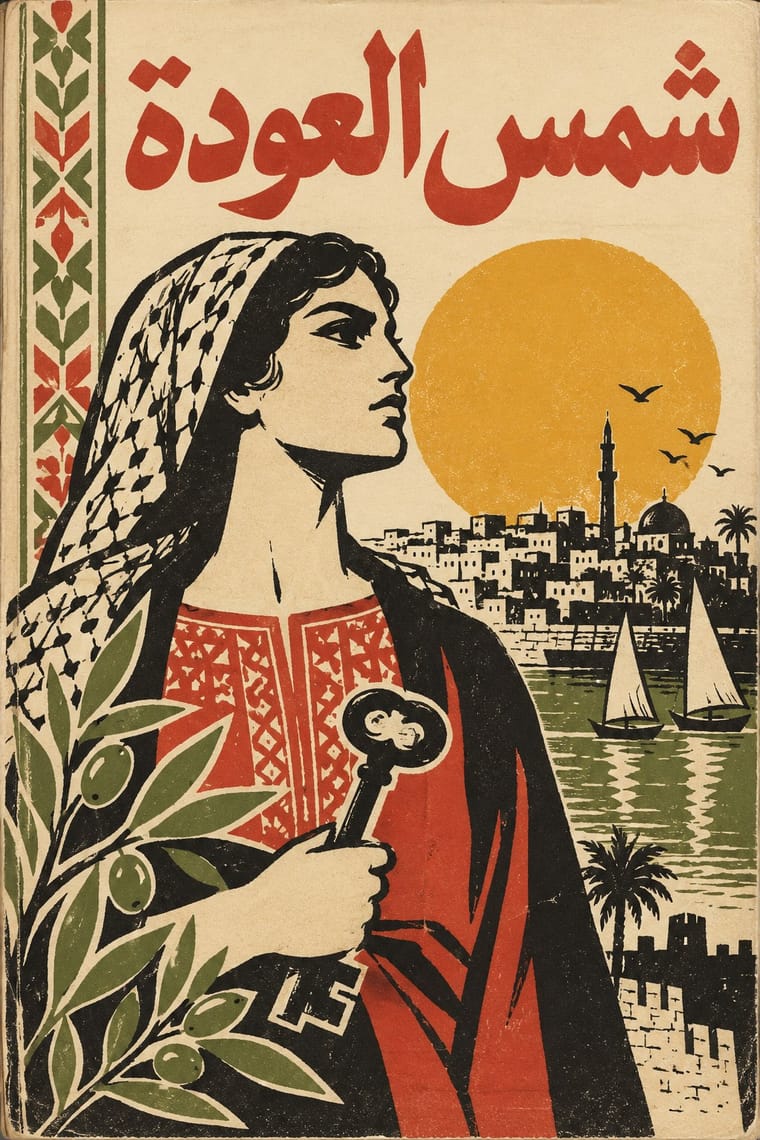
As it is 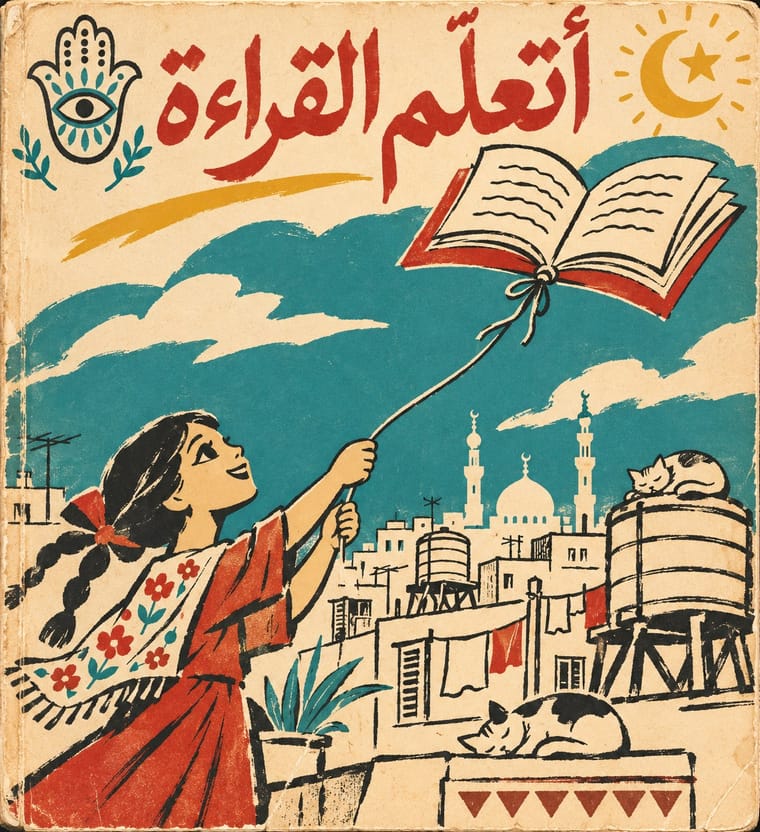
With replacement Cairo–Beirut Arab Modernist Book & Periodical Design On a crowded rooftop where stray cats doze among the water tanks, a girl flies an open book on a long string in place of a kite, its pages lifting in the wind: reading carries her above the street.
Its Arabic-script lettering has not been checked by a fluent reader, so it may contain errors.
-
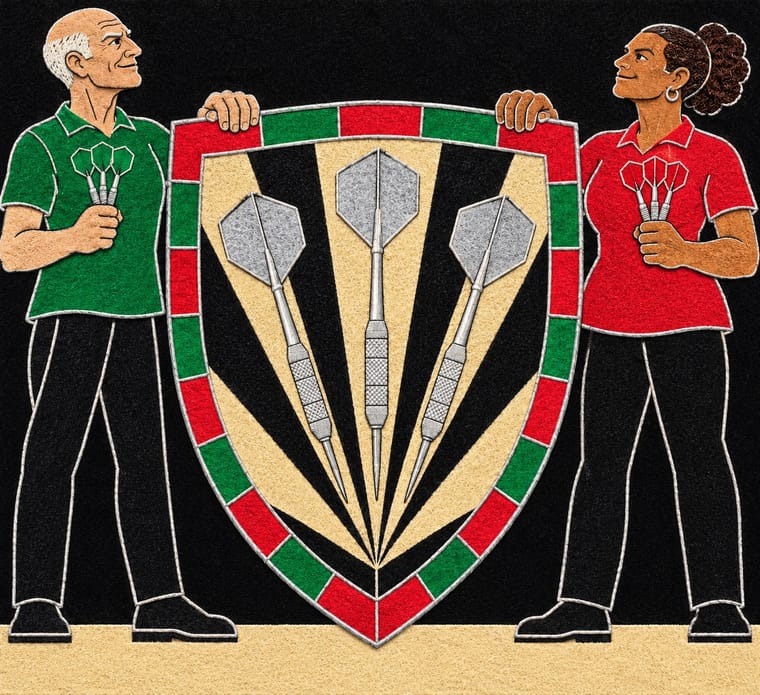
With replacement Double Top Where a coat of arms has two lions holding it up, this one has two league players, each holding their three darts as a lion holds up its paw.
-
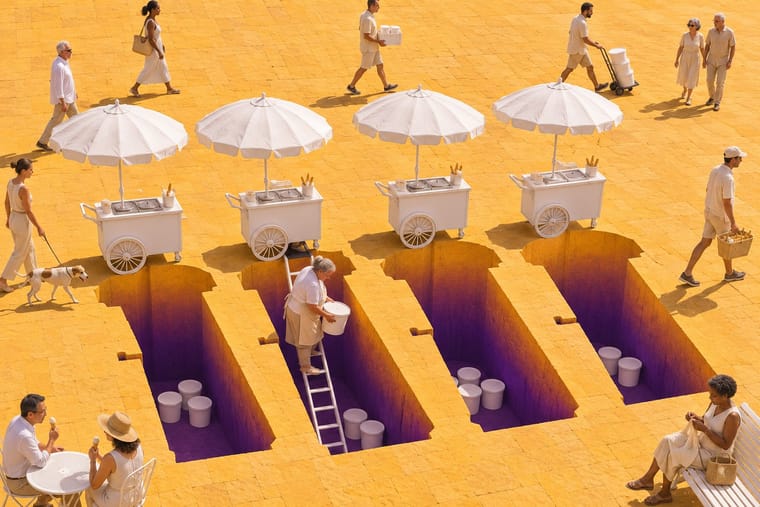
With replacement Deep Shade Each parasol's shade is a deep hole in the ground beside its cart, so the ice cream is kept down there in the cool.
-
As it is 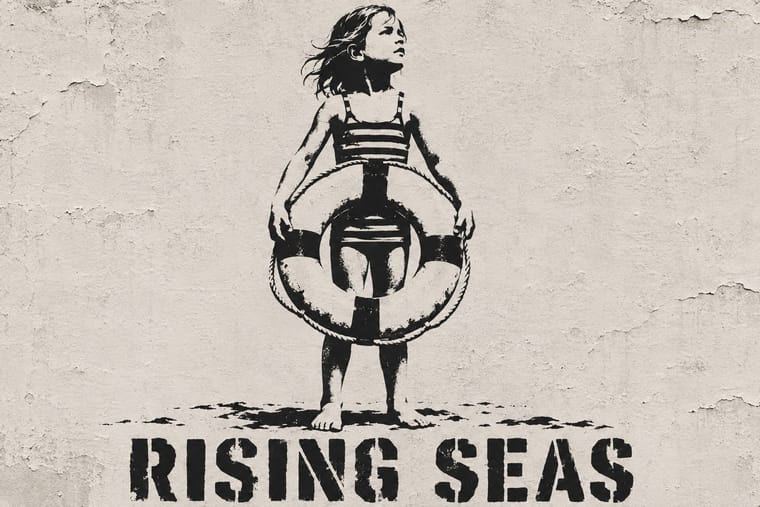
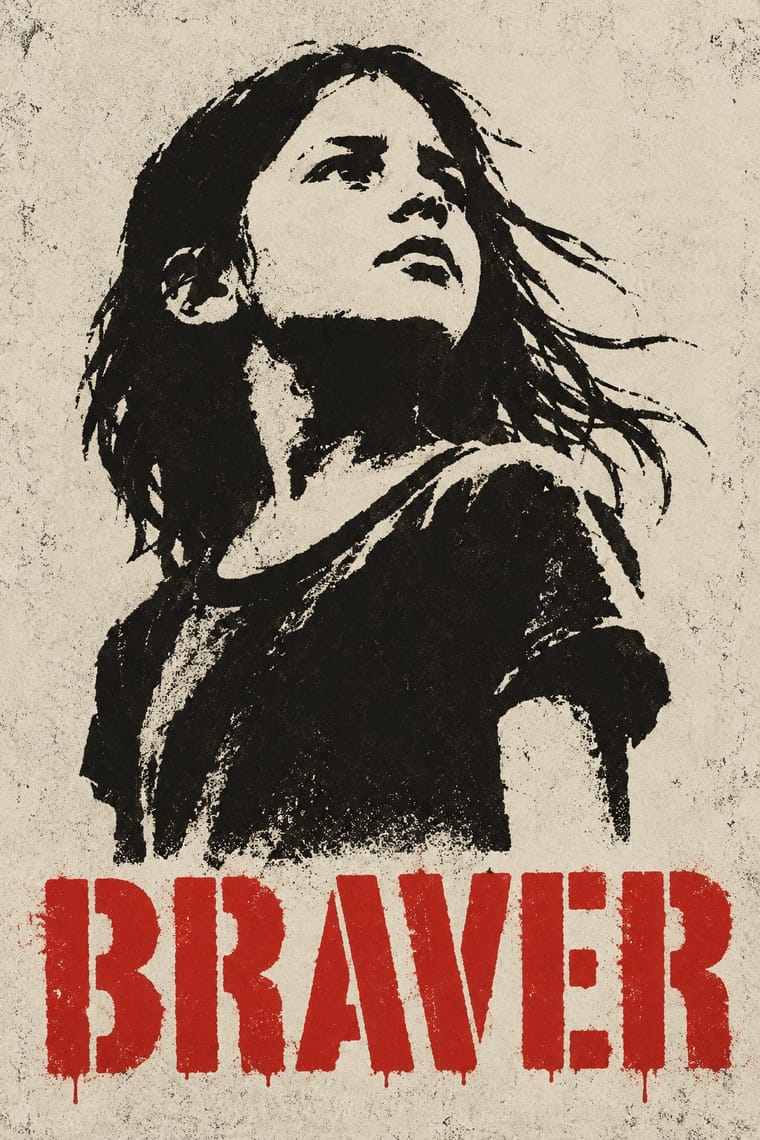
With replacement Stencil Street Art A small girl at the seaside holds a lifebuoy where her bucket and spade should be, the rest of the beach day left exactly as it was.
-
As it is 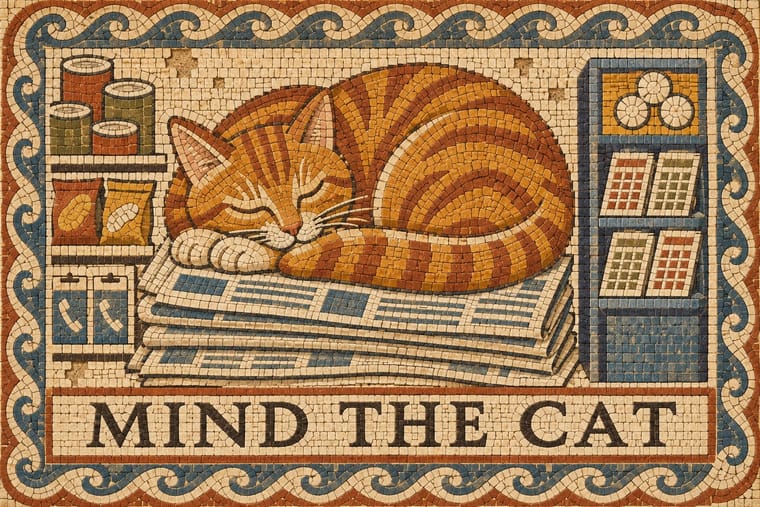
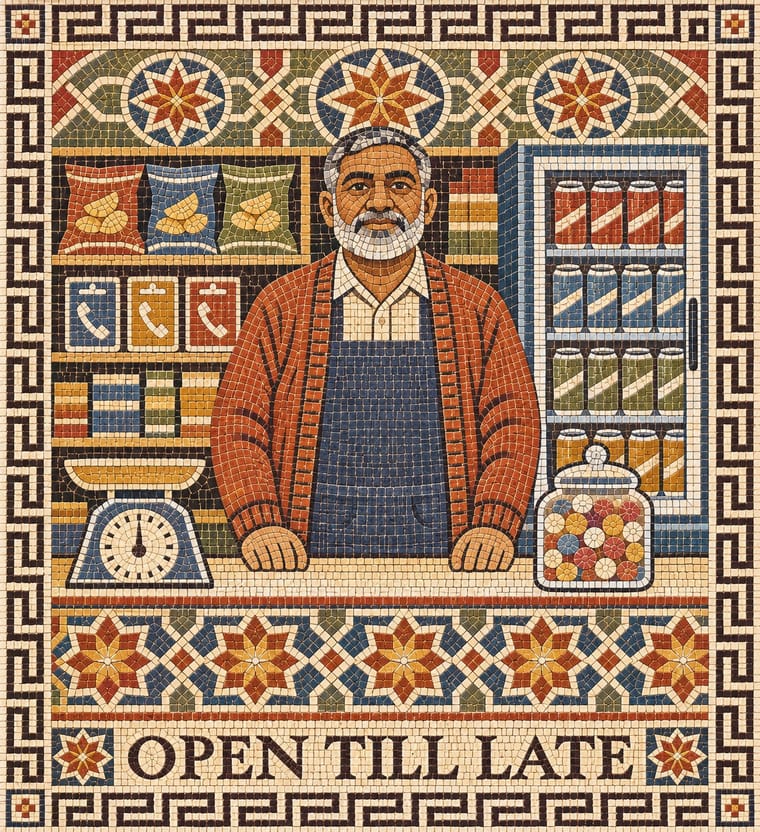
With replacement Corner Shop Mosaic Where every other floor has its keeper this one has the cat, asleep in the keeper's place.
Try it on any style
Pick a style, any style, and tell the image model:
Put an unexpected object exactly in the place or role of another, so the setting tells the viewer what was replaced.
Then write the idea in one sentence, saying what the picture shows and what that gets across. If the idea leans on the words, check it against them. A tap for the O in a headline that has no O breaks the word.
Mix styles writes the rest of the prompt for any style in the atlas, or a blend of a few. Add the line above and your sentence to it.
Where it has been used
Real works that use it, named so you can look them up. Stylogeny shows no pictures of them.
- Banksy’s Love Is in the Air (the flower thrower)
What it helps to say
It can argue
Styles known for it 6
These styles use it often. For those marked signature, it is part of what they are. Any other style can take it too.
- Stencil Street Art signature One object is swapped into a charged pose and the pose says what it replaced: Banksy's masked flower thrower hurls a bouquet instead of a petrol bomb, and his Pulp Fiction (London, 2002) arms Jackson and Travolta with bananas.
- Basel Object Poster (Swiss Sachplakat) A product takes the place of part of an animal: Leupin's Pelikan poster (1952) gives the pelican a fountain pen in its beak and an inkwell for a wing, so the bird is the brand.
- French Post-War Visual-Gag Poster (Savignac, Villemot, Morvan) A part of the figure is swapped for the product: Savignac's Bic schoolboy (1960) has the pen's ball where his head should be, a gag that became part of the BIC logo.
- Israeli Political Poster (Tartakover to Lemel) Yossi Lemel turns a familiar image into a metaphor by a swap: in his Corona Case Atlas (2020) a huge virus takes the place of the load on the Titan's shoulders, on a red ground.
- Polish Poster School Swaps a figure's head or face for an object, creature or emblem that carries the story, letting the pose say what was replaced; a way to hint at what could not be said outright under censorship.
- West German Conceptual Film & Culture Poster (Hillmann and Rambow) A part of the sign is swapped for the plot: Hillmann's Der Malteser Falke (1972) gives a black falcon a revolver for a head, its muzzle aimed out at the viewer.