Idea · Leave a gap
Faces in things
Objects or shapes arranged so that the viewer sees a face in them.
It answers the question What does the viewer complete in their own mind? Also called pareidolia.
What it does
Instant warmth and attention: the eye cannot ignore a face.
A made-up example: two buttons and a zip that make a surprised face.
Faces in things, put on a style
Each picture is a style from the atlas with this idea put on it, beside the same style as it is. All are AI-generated: none is a real or historical work.
-
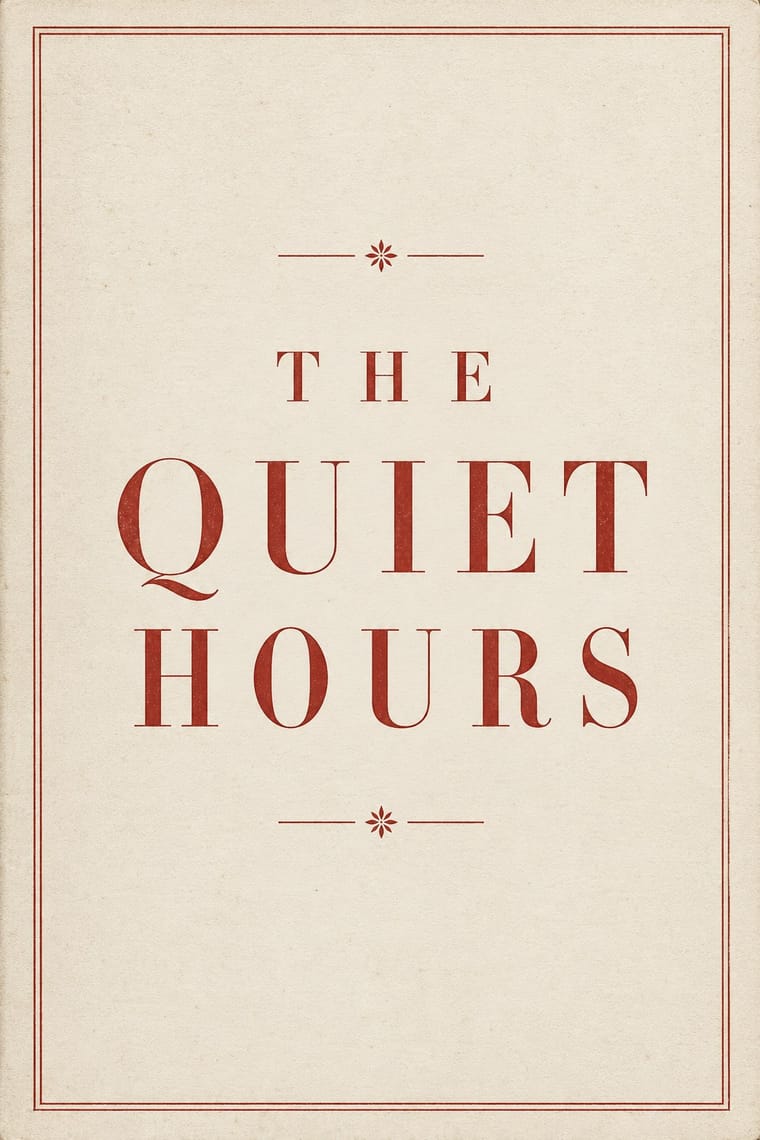
As it is 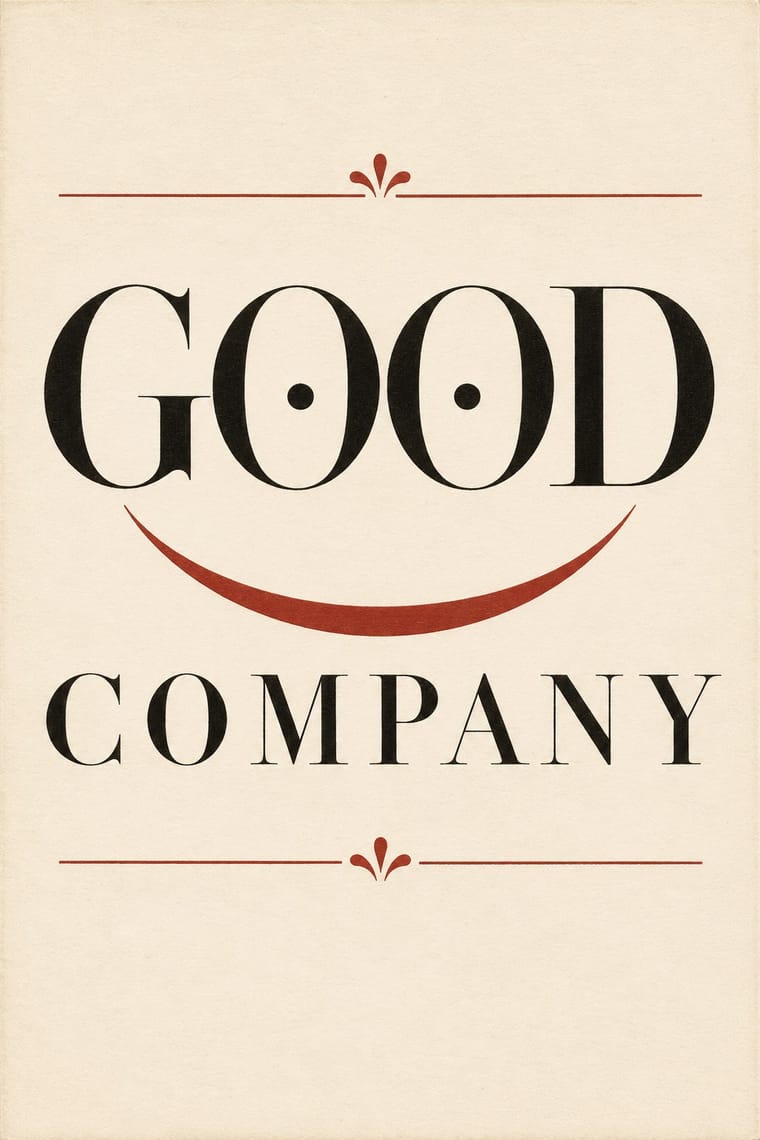
With faces in things Neoclassical Book Typography The two round O's of GOOD, set large side by side, look out as a pair of eyes, and a long parenthesis lying on its side beneath them becomes a wide smile: the cover grins at its reader.
-
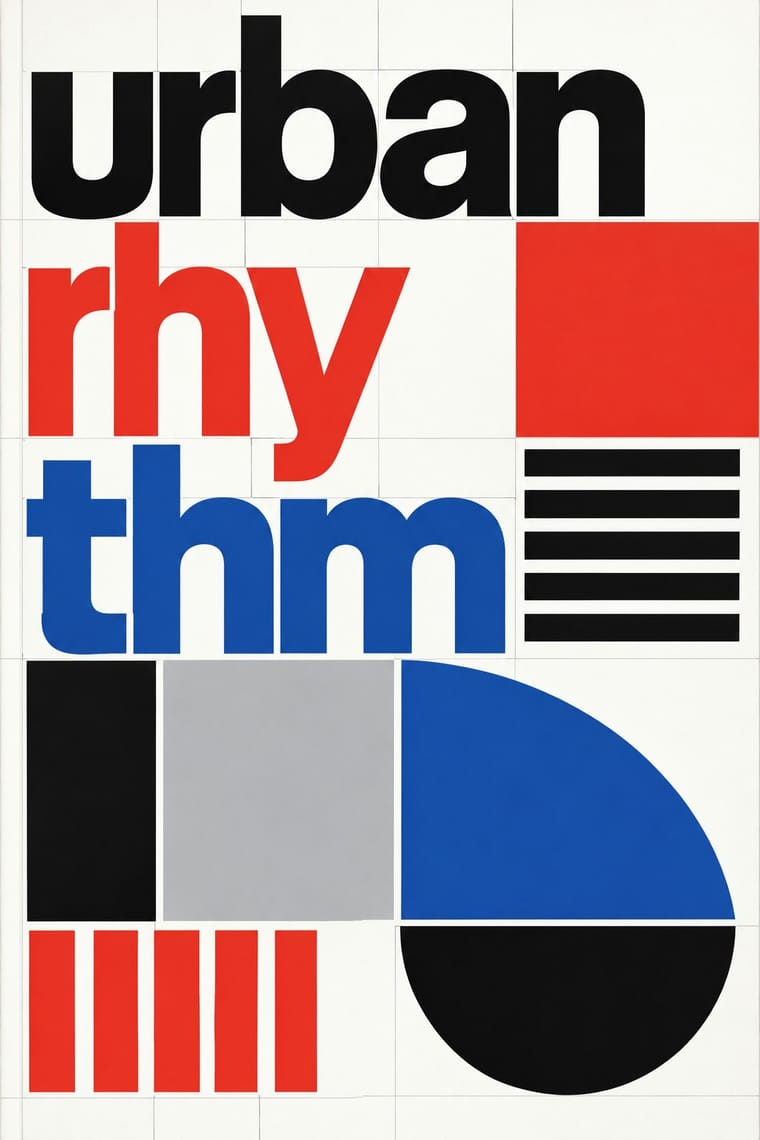
As it is 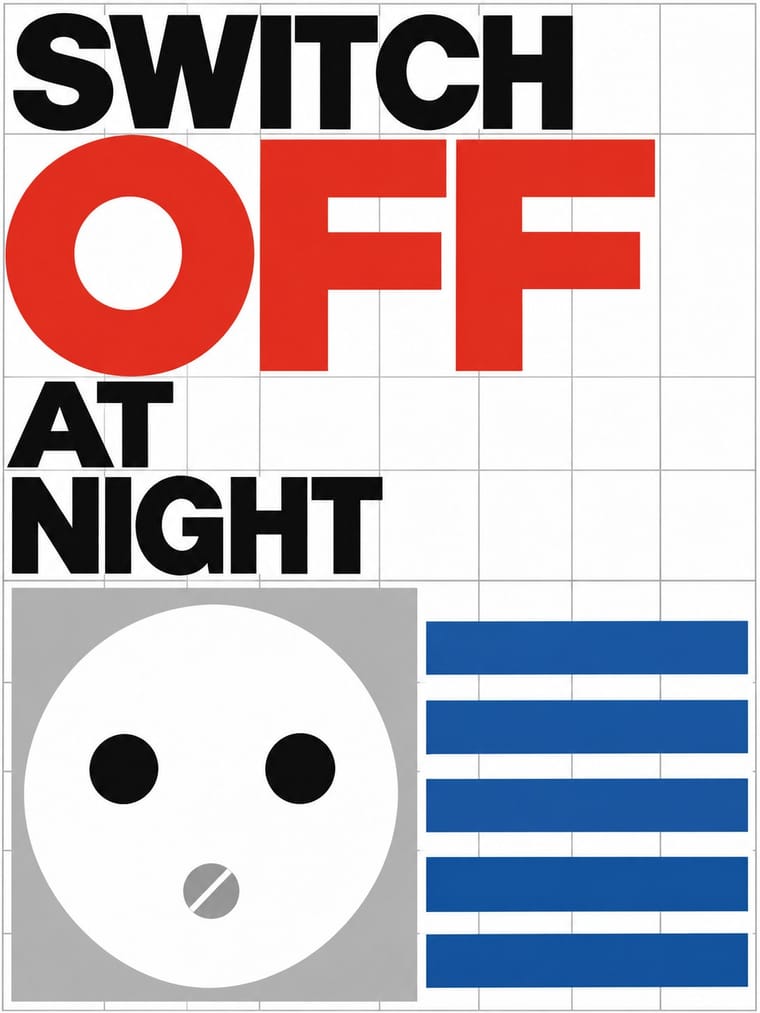
With faces in things Total Design & Dutch Functionalism A single wall socket seen head-on stares out like a startled face, its two round pin holes the wide eyes and the round screw beneath them a small gasping mouth: even the socket is shocked at what stays plugged in all night.
Try it on any style
Pick a style, any style, and tell the image model:
Arrange everyday objects or shapes so that together they read as a face.
Then write the idea in one sentence, saying what the picture shows and what that gets across. If the idea leans on the words, check it against them. A tap for the O in a headline that has no O breaks the word.
Mix styles writes the rest of the prompt for any style in the atlas, or a blend of a few. Add the line above and your sentence to it.
What it helps to say
Styles known for it
No style in the atlas is recorded with it yet. The research goes through the styles one by one. Any style can take it.