Idea · Time and change
The moment after
Only the result or the trace is shown: a print, a stain, crumbs, wreckage, an empty glass. The viewer works back to what caused it.
It answers the question How does a still image show time passing, or about to pass? Also called aftermath, telling trace or effect for cause.
What it does
Consequence, evidence, loss, a pleasure already had; lets a picture speak of what cannot or should not be shown.
A made-up example: a puddle on the grass with a carrot, two lumps of coal and a scarf lying in it.
The moment after, put on a style
Each picture is a style from the atlas with this idea put on it, beside the same style as it is. All are AI-generated: none is a real or historical work.
-
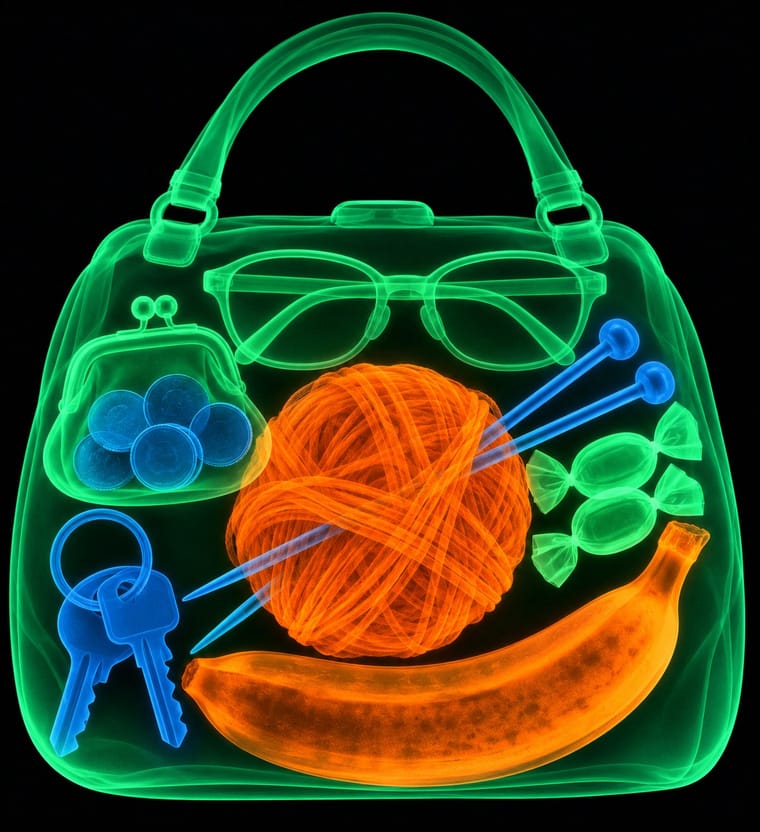
As it is 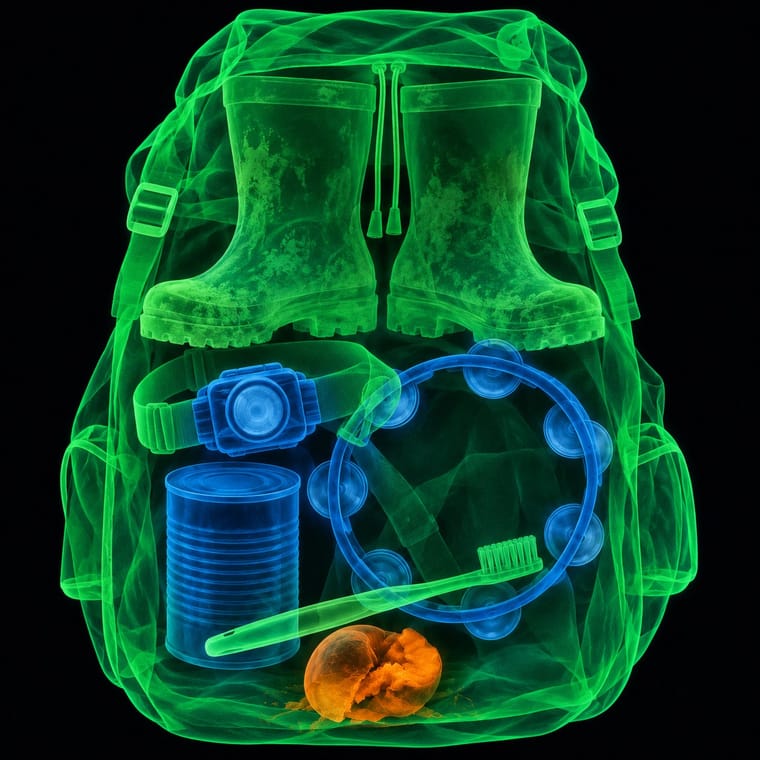
With the moment after Bag Check Everything in the rucksack is packed for mud and noise, and at the bottom lies one peach that did not survive the packing.
-
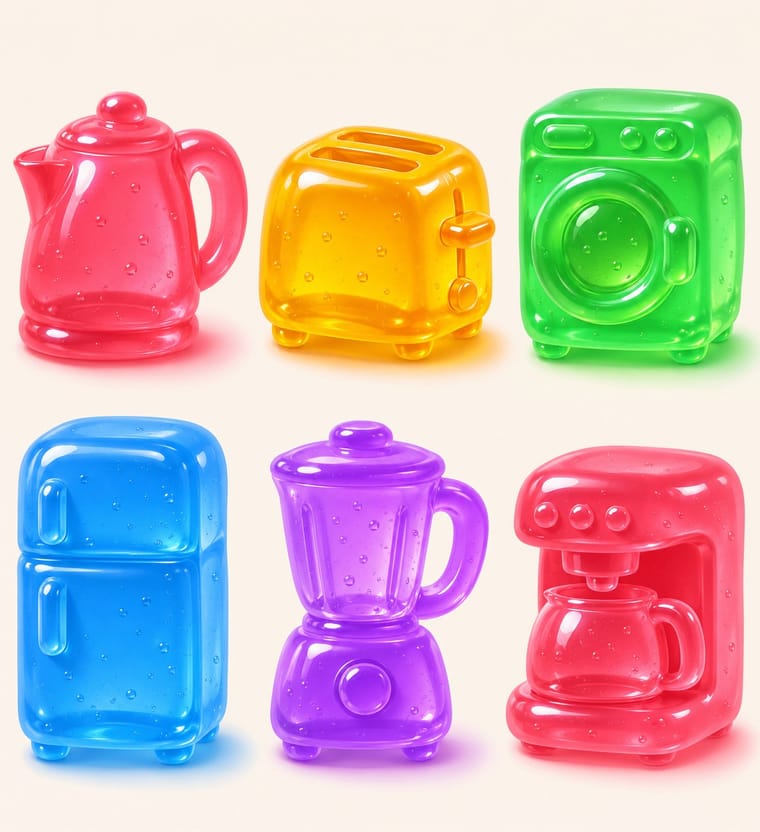
As it is 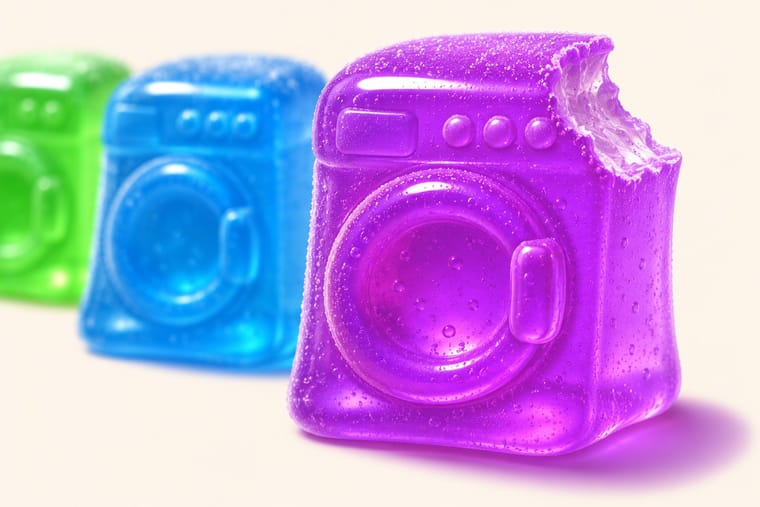
With the moment after Gummy Machines One bite out of the last machine says somebody could not resist, and neither could we.
-
As it is 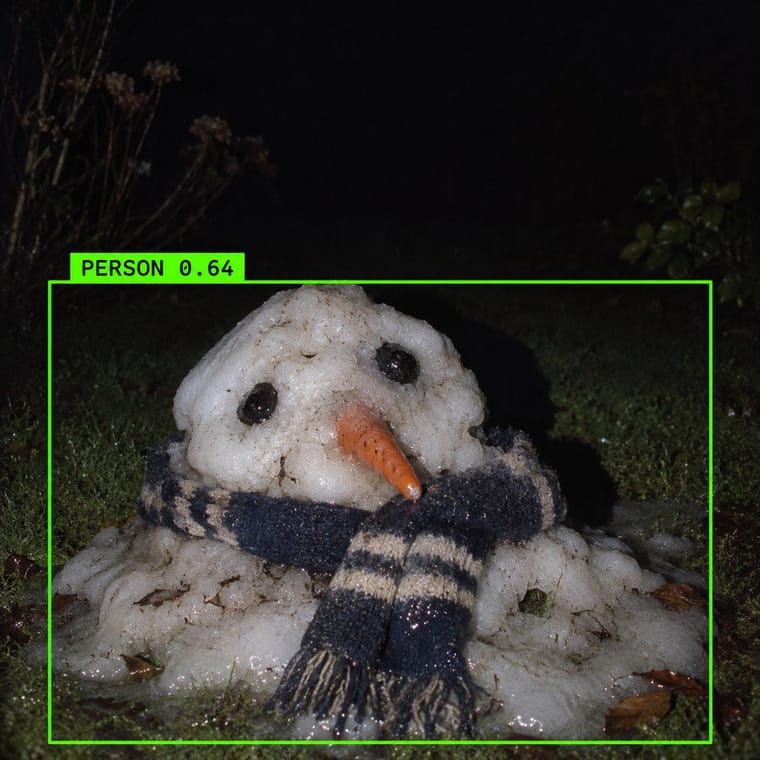
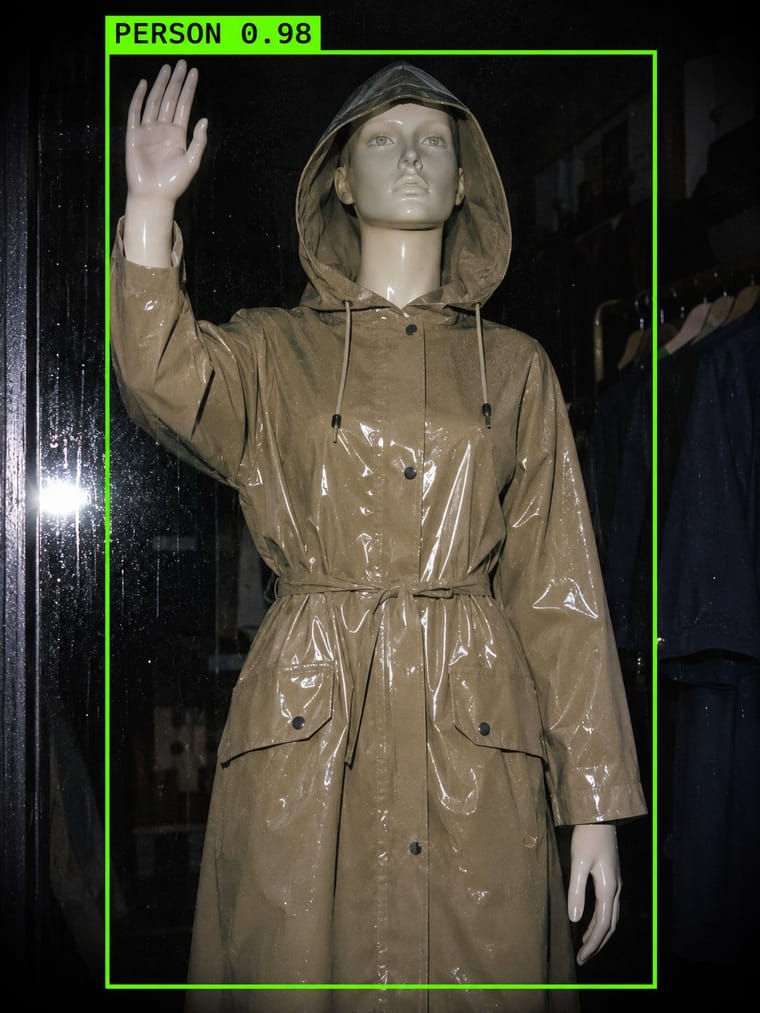
With the moment after False Positives The score falls as the snowman melts, so the machine's certainty is thawing at the same rate.
-
As it is 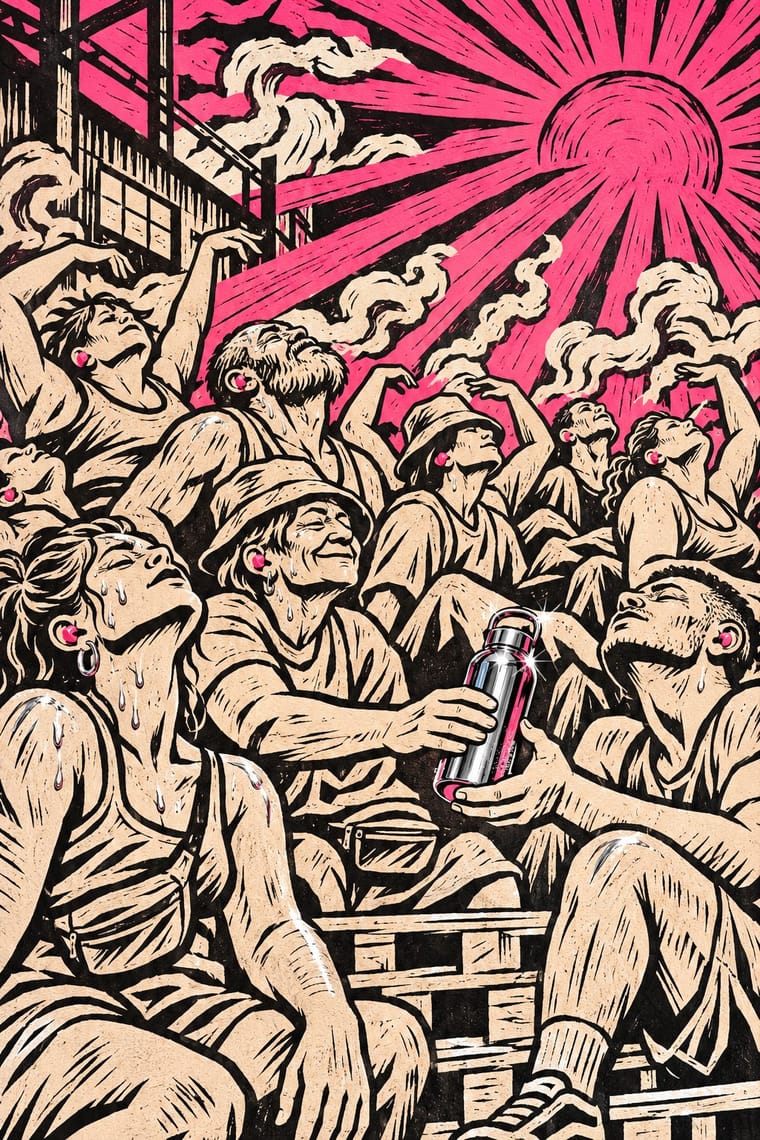
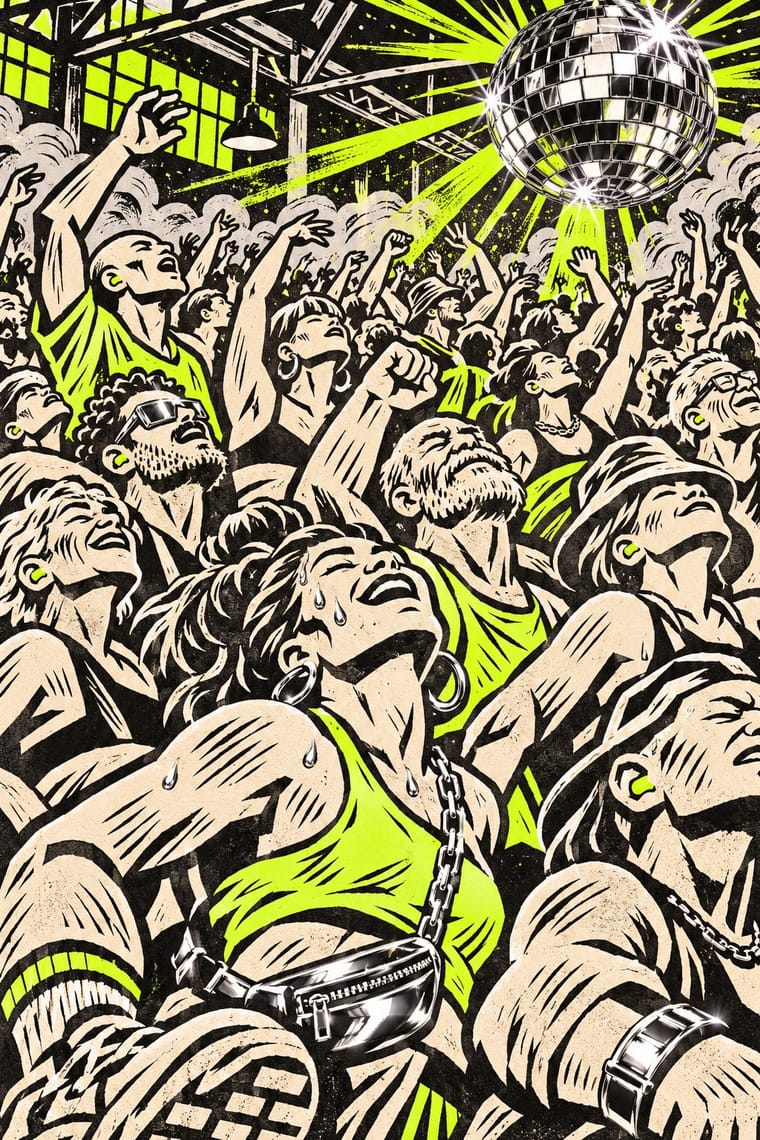
With the moment after Woodcut Rave Slumped under a rising sun, they are what the night leaves behind, and they are content.
-
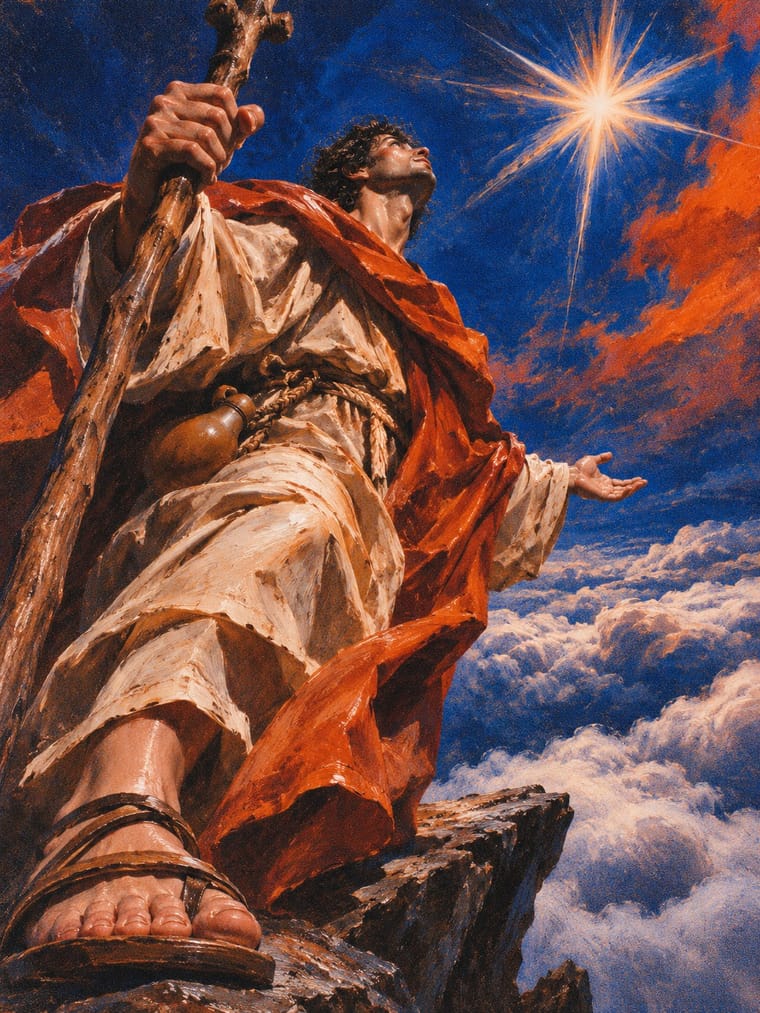
As it is 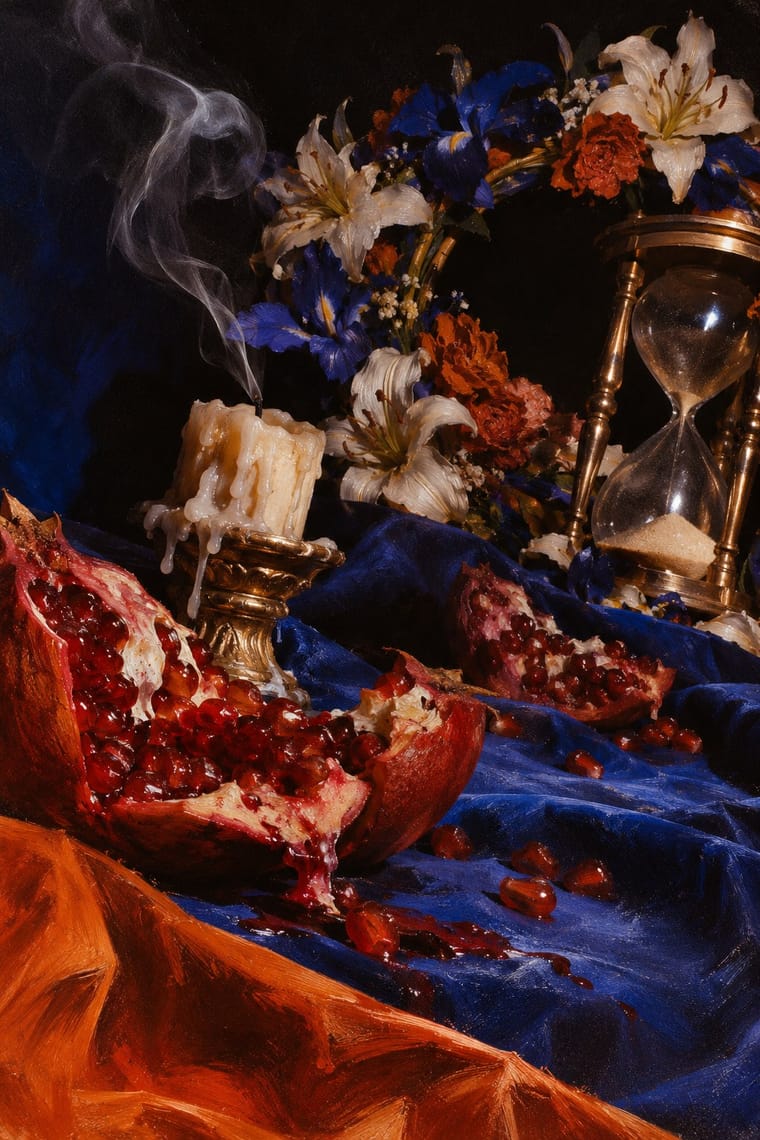
With the moment after Flash Baroque The smoke of a candle put out a second ago says the feast has only just ended.
-
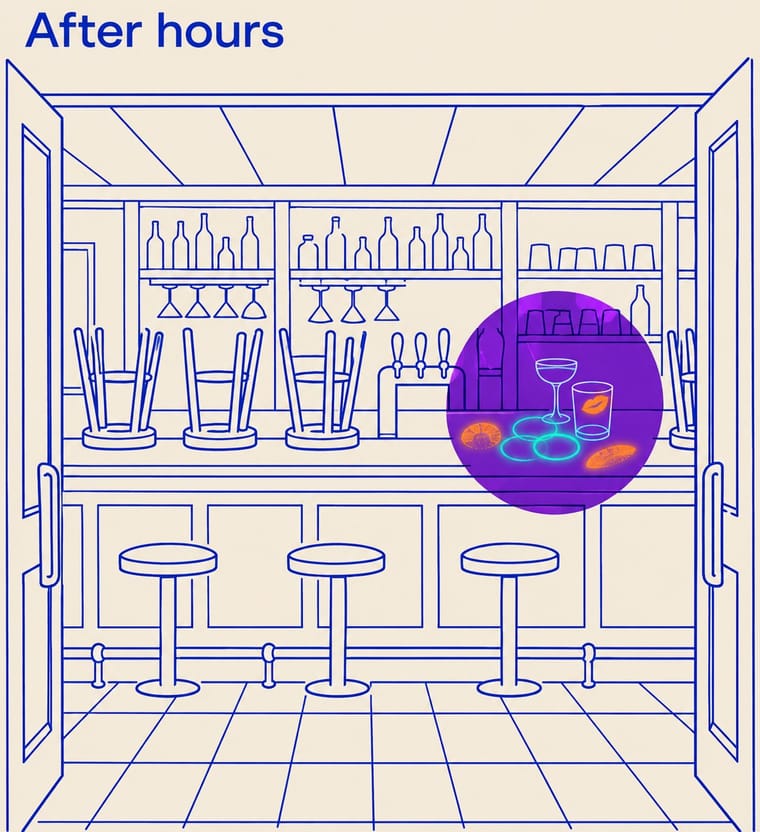
With the moment after Black Light Glass rings, a kiss and two leaning elbows tell a whole evening that has already gone home.
-
As it is 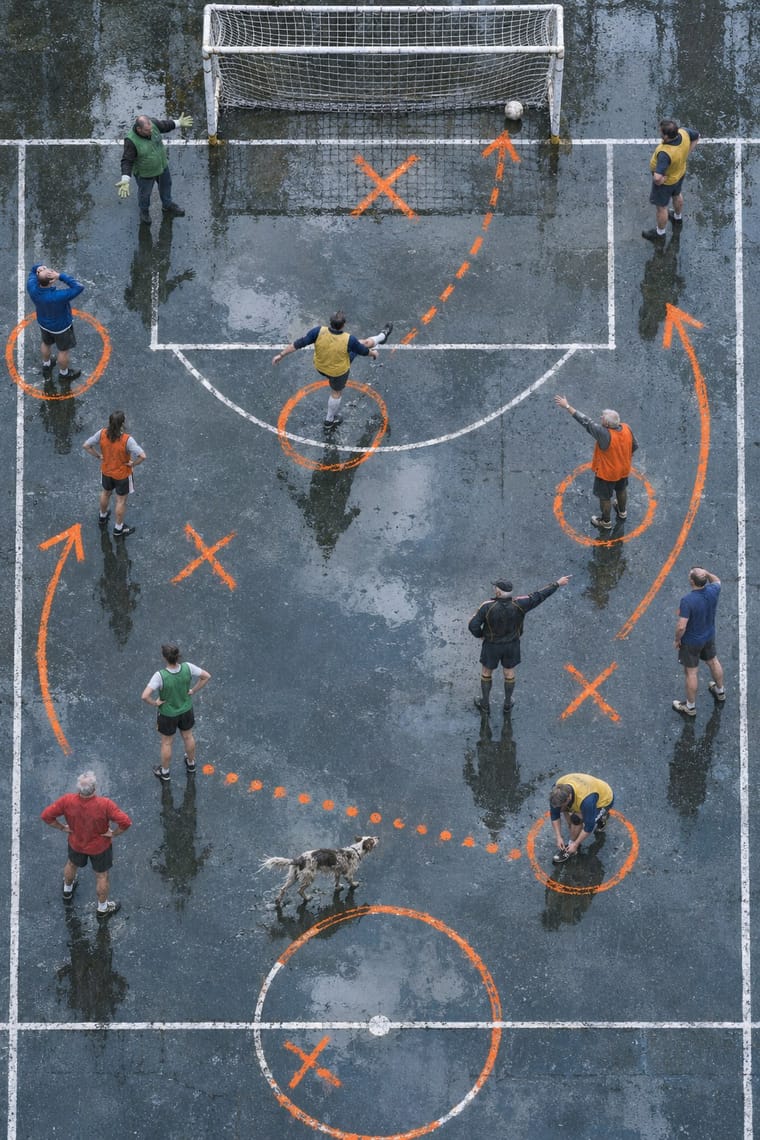
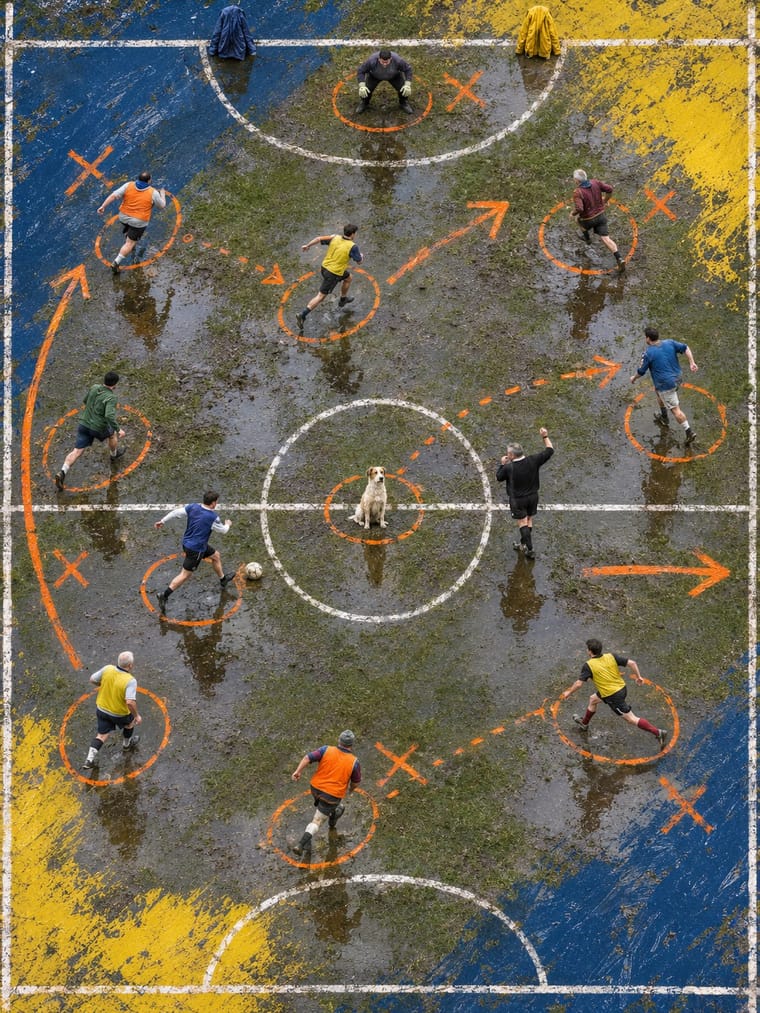
With the moment after Sunday League The cross marks where the keeper should have stood, and the ball is already past it.
Try it on any style
Pick a style, any style, and tell the image model:
Show only what the event or the subject left behind (a trace, a stain, the wreckage), not the event or the subject itself.
Then write the idea in one sentence, saying what the picture shows and what that gets across. If the idea leans on the words, check it against them. A tap for the O in a headline that has no O breaks the word.
Mix styles writes the rest of the prompt for any style in the atlas, or a blend of a few. Add the line above and your sentence to it.
Where it has been used
Real works that use it, named so you can look them up. Stylogeny shows no pictures of them.
- Oliviero Toscani’s photograph for Benetton of a soldier’s bloodstained T-shirt and trousers (1994)
- the milk moustache of the American milk processors’ campaign (Bozell, from 1995)
It can argue
Styles known for it
No style in the atlas is recorded with it yet. The research goes through the styles one by one. Any style can take it.