Idea · Leave a gap
Part for the whole
A detail stands for something outside the frame: a hand for the worker, a shoe for the runner.
It answers the question What does the viewer complete in their own mind? Also called synecdoche or metonymy.
What it does
Compression and mystery; the viewer builds the whole story from one detail. It is about meaning, not distance.
Part for the whole, put on a style
Each picture is a style from the atlas with this idea put on it, beside the same style as it is. All are AI-generated: none is a real or historical work.
-

With part for the whole Stress Fringes Only a plectrum and two fingertips are seen, and the rings crowd where she pinches and where it meets the string, so the whole playing is in that pinch.
-
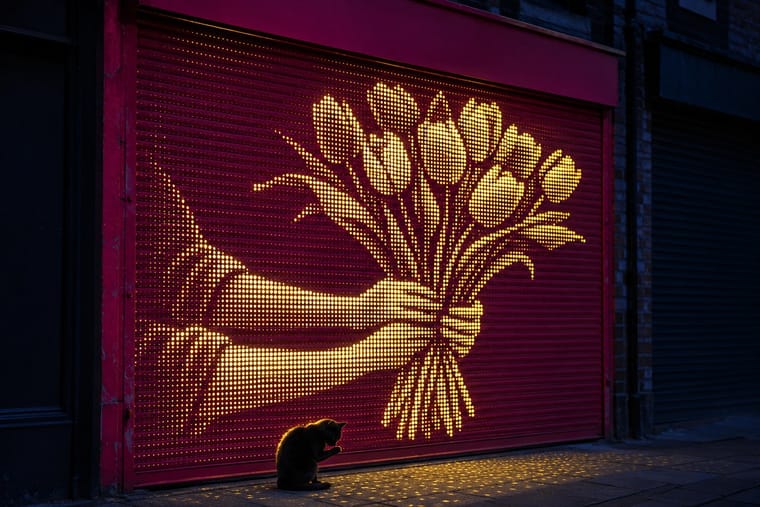
With part for the whole Lit Shutters Two arms full of tulips are enough to show the florist, so her shop still offers flowers to the dark street.
-
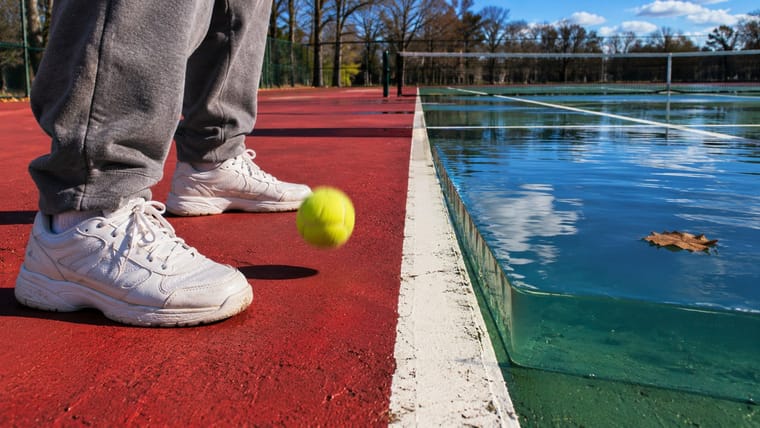
With part for the whole Within the Lines His feet wait behind the dry baseline and his ball bounces on the dry surround, while a hand of water stands sheer beyond the line, so the game goes on with the court full to the line.
-

With part for the whole Van Side Epic One hand on one switch, and the whole painted city below it lights up.
-
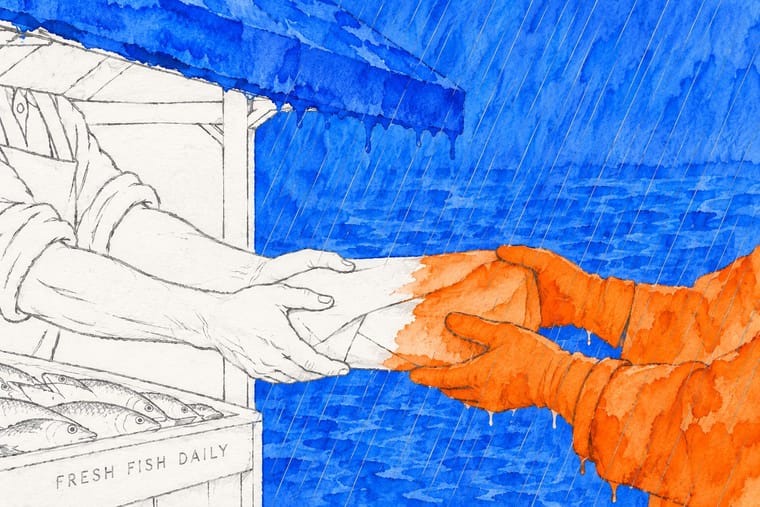
With part for the whole Rain Ink One parcel crosses the roof's drip line between two pairs of hands, white on the seller's side and tangerine on the customer's, so a single sale stands for the kiosk: it serves right where the rain begins.
-

With part for the whole Strip Curtain One gloved hand holding the cold store open on a new case stands for the whole wholesaler at work.
-
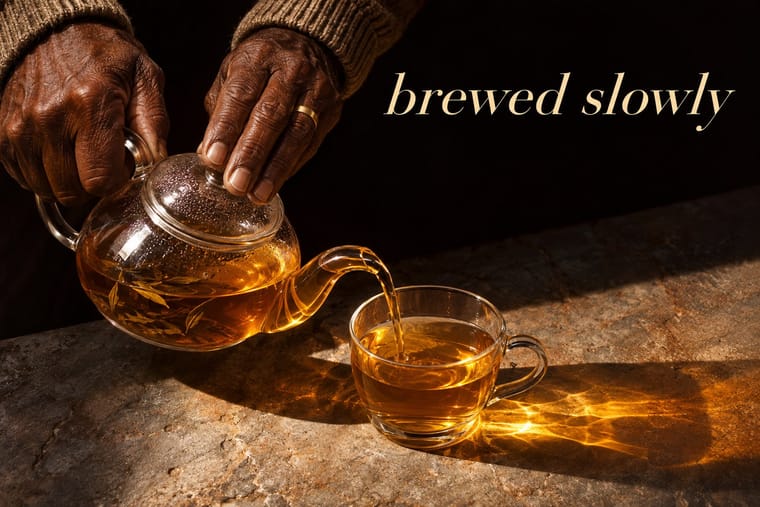
With part for the whole Poured Light Two old hands and the gold light of the tea stand for a shop that pours every cup with care.
-

As it is 
With part for the whole Brooch Club Nine rings on two hands are the whole portrait.
-

As it is 
With part for the whole Karaoke Dynasty Two hands on one microphone are the whole argument about whose turn it is.
-
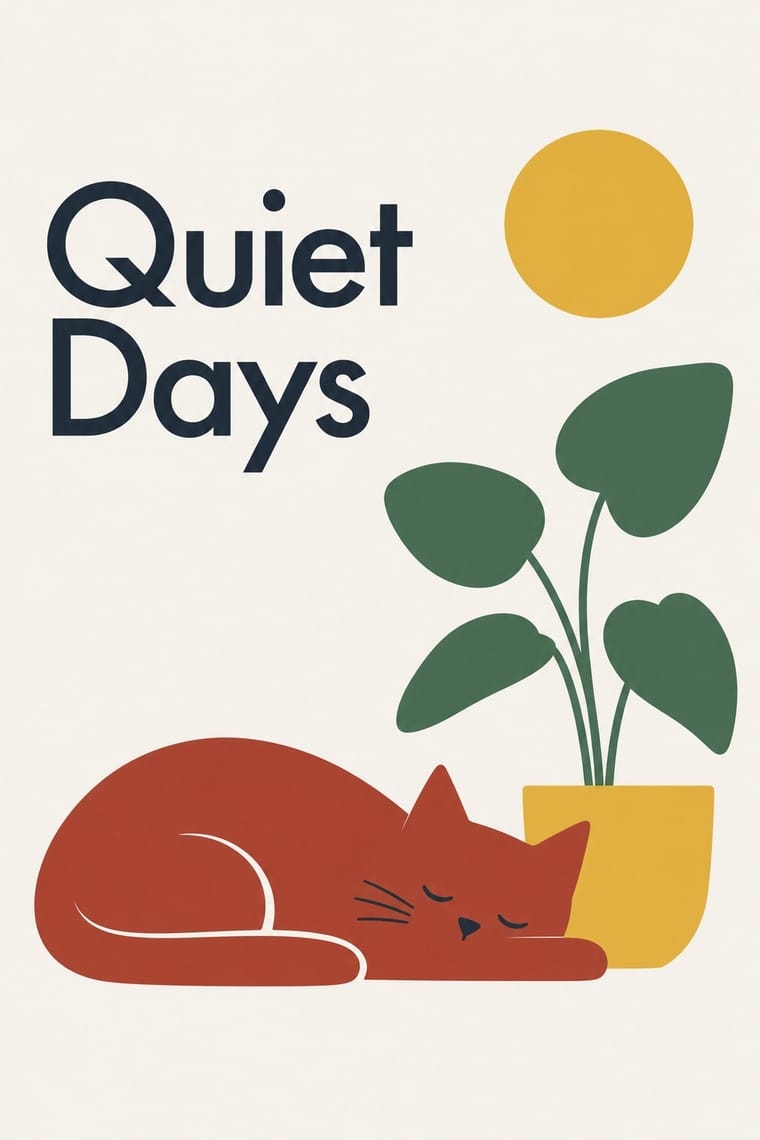
As it is 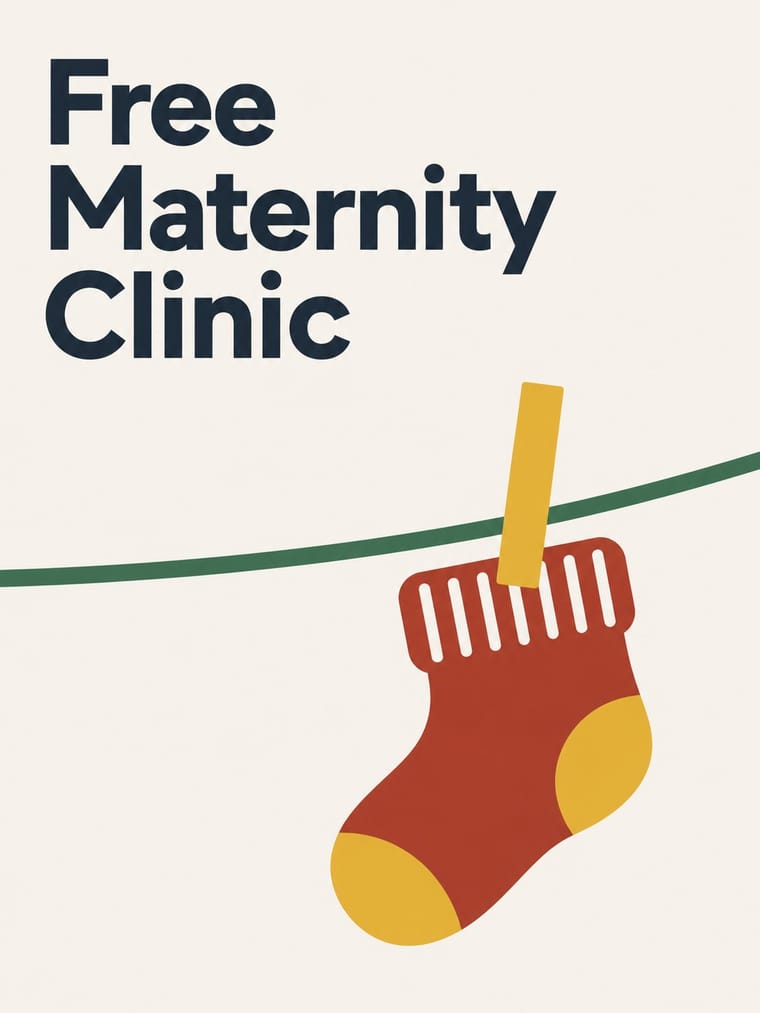
With part for the whole Scandinavian Functionalism One tiny knitted baby sock hangs by a wooden peg from a washing line: the whole new child, and the family that washes its clothes, are just outside the frame.
-
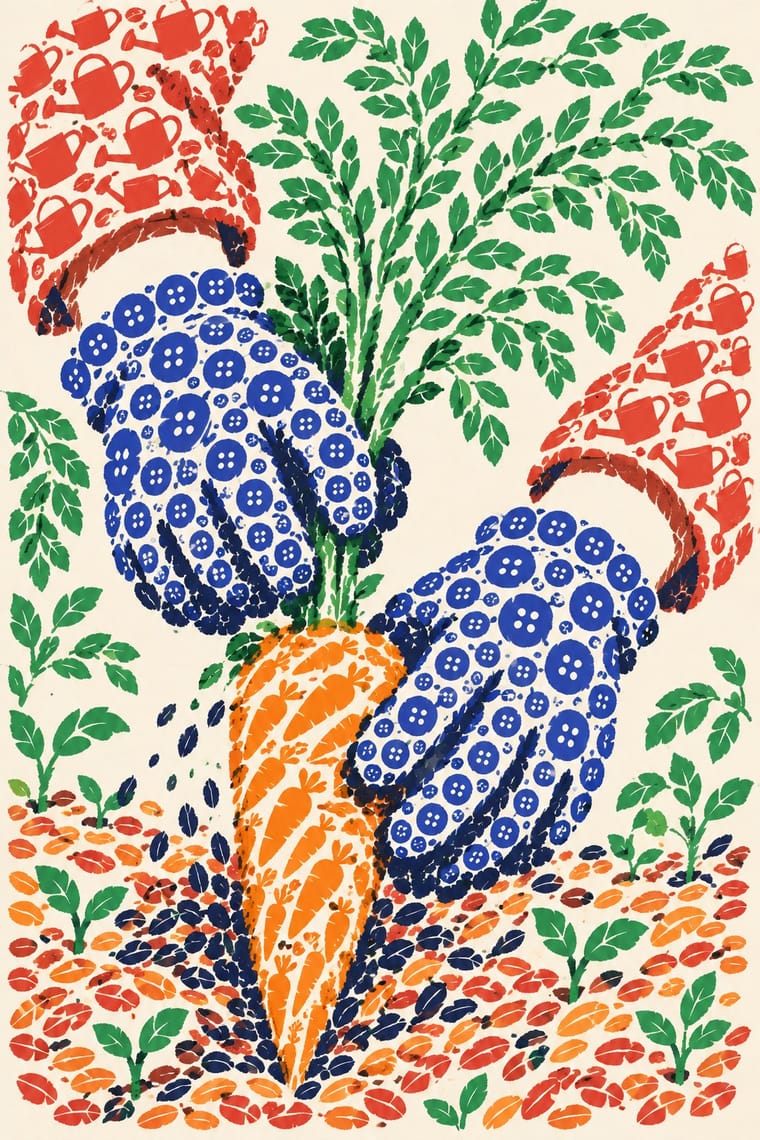
With part for the whole Stamp Stroke Two hands and one carrot stand for the whole allotment and the season it took.
-

With part for the whole Contraries Only his hands and the morning mug are shown, so the plain ritual carries on whatever the tap now pours.
Try it on any style
Pick a style, any style, and tell the image model:
Show only one telling detail of the subject, standing in for the whole.
Then write the idea in one sentence, saying what the picture shows and what that gets across. If the idea leans on the words, check it against them. A tap for the O in a headline that has no O breaks the word.
Mix styles writes the rest of the prompt for any style in the atlas, or a blend of a few. Add the line above and your sentence to it.
Where it has been used
Real works that use it, named so you can look them up. Stylogeny shows no pictures of them.
- Saul Bass’s jagged arm for The Man with the Golden Arm (1955)
What it helps to say
It can argue
Styles known for it 2
These styles use it often. For those marked signature, it is part of what they are. Any other style can take it too.
- Saul and Elaine Bass Conceptual Film Graphics signature One fragment stands for the whole film: the jagged cut-paper arm of The Man with the Golden Arm (1955) carries the addict's story across poster, press ads and titles in place of the stars' faces.
- American Mid-Century Modernism Lets one telling bodily fragment carry the whole story, as Saul Bass's jagged arm stands for the central character in The Man with the Golden Arm instead of a conventional star portrait.