Idea · Address the viewer
Something to do
The picture is a small test or task for the viewer (lines of ever-smaller text, a maze, a pair to compare), and what happens when they do it is the message.
It answers the question What relationship does the image set up with the person looking? Also called try it yourself, self-test, puzzle picture or interactive experiment.
What it does
The viewer supplies the proof and stays far longer than a glance; good for a need people don’t know they have, such as eyesight or attention.
A made-up example: a spot-the-difference pair in which the only difference is the missing bee.
Use it with care
The task must fit the message, or the piece is liked less; wrong for a poster passed at speed.
Something to do, put on a style
Each picture is a style from the atlas with this idea put on it, beside the same style as it is. All are AI-generated: none is a real or historical work.
-
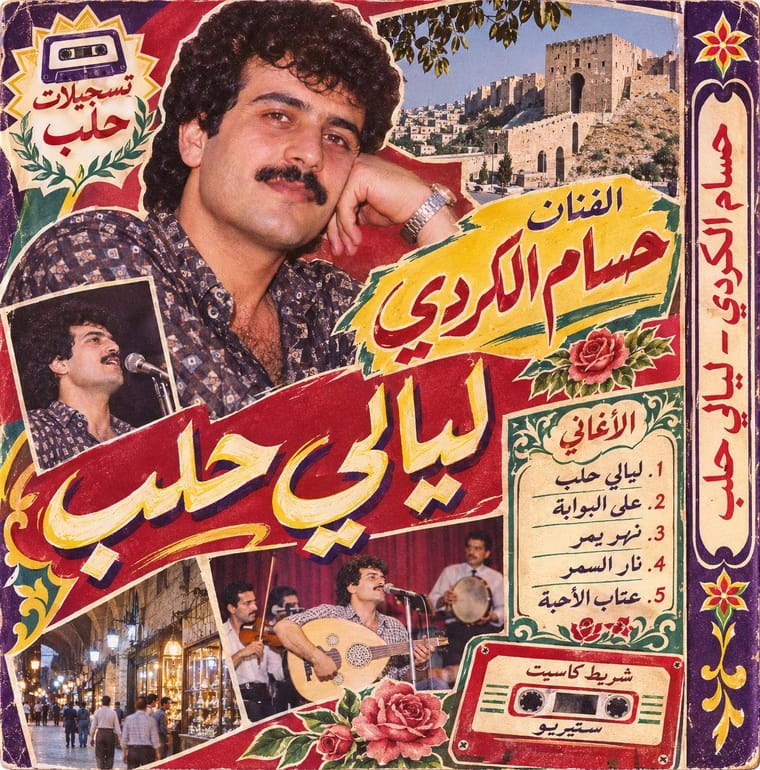
As it is 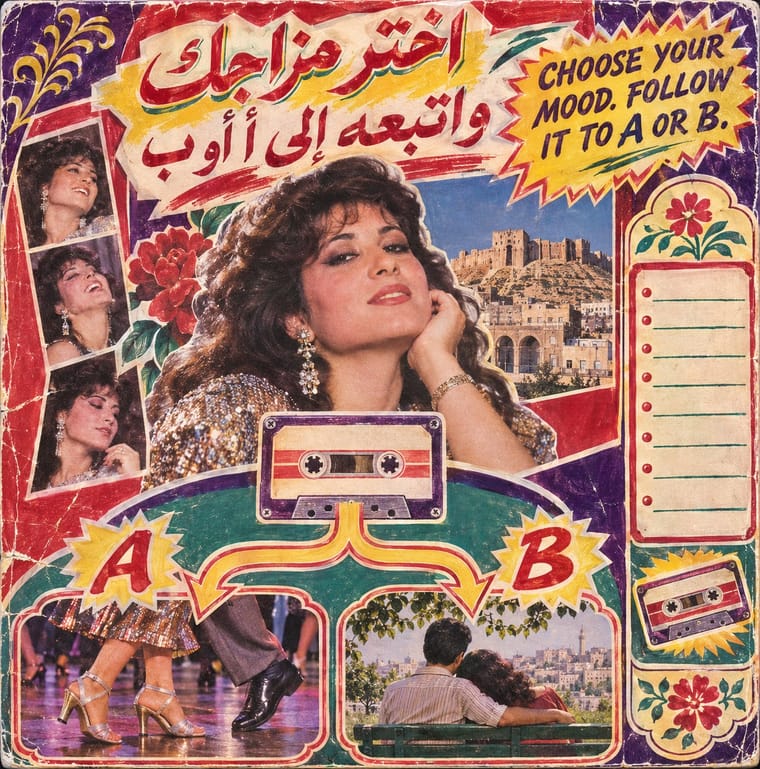
With something to do Syrian Cassette Cover Vernacular Below a fictional adult singer's portrait, a route from a cassette forks to dancing feet marked A and a couple on a bench marked B, so tracing a chosen mood selects which side to play.
Its Arabic-script lettering has not been checked by a fluent reader, so it may contain errors.
-
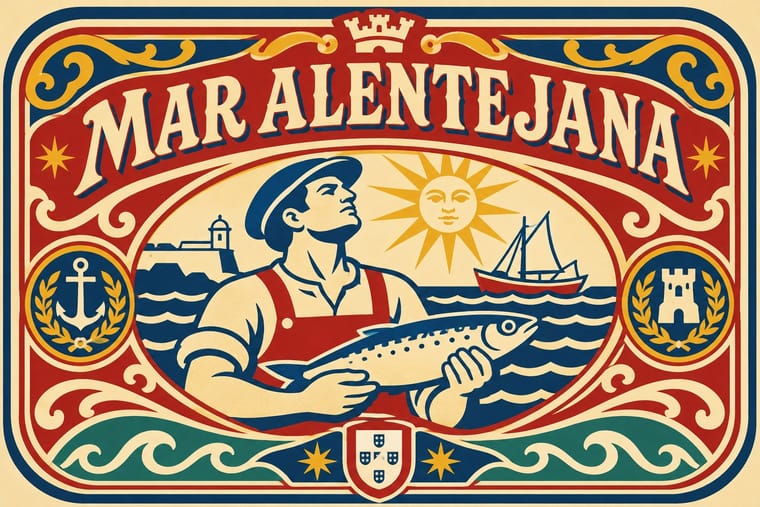
As it is 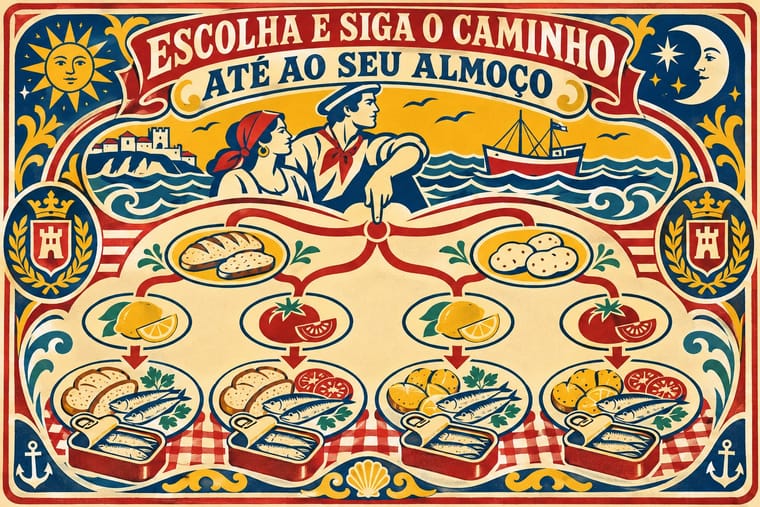
With something to do Portuguese Tinned-Fish Packaging (Conservas) A finger-trace path branches first to bread or potatoes, then to lemon or tomato, ending at four matching picnic plates each beside an open fish tin, so the shopper chooses their own tinned-fish lunch.
Try it on any style
Pick a style, any style, and tell the image model:
Make the image itself a simple test the viewer can do on the spot, such as a spot-the-difference pair or lines of ever-smaller text, with one short instruction.
Then write the idea in one sentence, saying what the picture shows and what that gets across. If the idea leans on the words, check it against them. A tap for the O in a headline that has no O breaks the word.
Mix styles writes the rest of the prompt for any style in the atlas, or a blend of a few. Add the line above and your sentence to it.
Where it has been used
Real works that use it, named so you can look them up. Stylogeny shows no pictures of them.
- Al Jaffee’s Fold-In on the inside back cover of Mad (from 1964)
What it helps to say
It can argue
Styles known for it
No style in the atlas is recorded with it yet. The research goes through the styles one by one. Any style can take it.