What should the picture argue?
“This leads to that”
7 ideas that make a picture say it, the plainest first. Each is a move you can make on any style.
What the viewer does: The viewer works from a cause to its effect, or back from an effect shown alone.
What research found: Consequences were the second most common template in award-winning print ads, about a fifth of them (Goldenberg, Mazursky & Solomon 1999).
The pictures are AI-generated: a style from the atlas with the idea put on it. None is a real or historical work.
-
01 · Time and change
The moment after
Only the result or the trace is shown: a print, a stain, crumbs, wreckage, an empty glass. The viewer works back to what caused it.
Consequence, evidence, loss, a pleasure already had; lets a picture speak of what cannot or should not be shown.
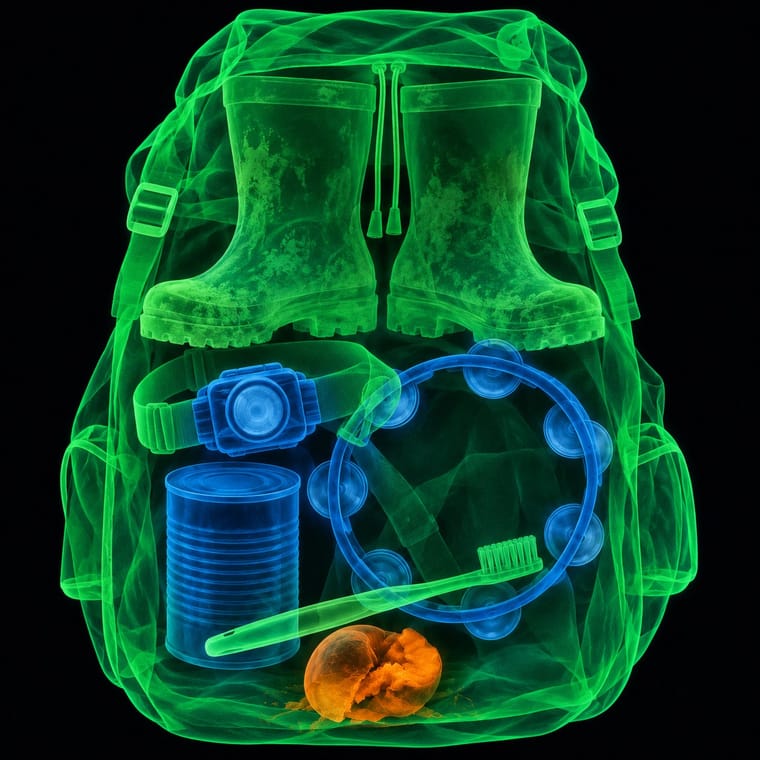
In Bag Check -
02 · Time and change
The moment before
The instant just before something happens; the viewer imagines what follows.
Suspense and consequence; the viewer completes the story.
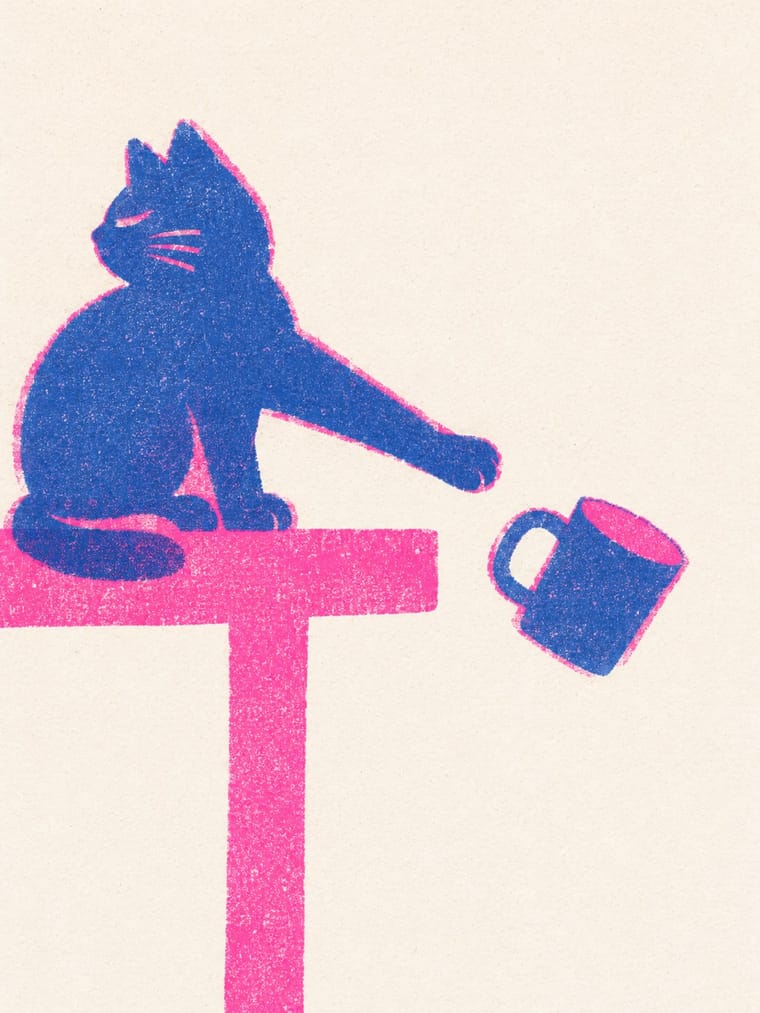
In Risograph Cats -
03 · Time and change
Steps and panels
The same subject at different moments: panels, steps or a before-and-after pair.
Explains a process, tells a story, proves a result.
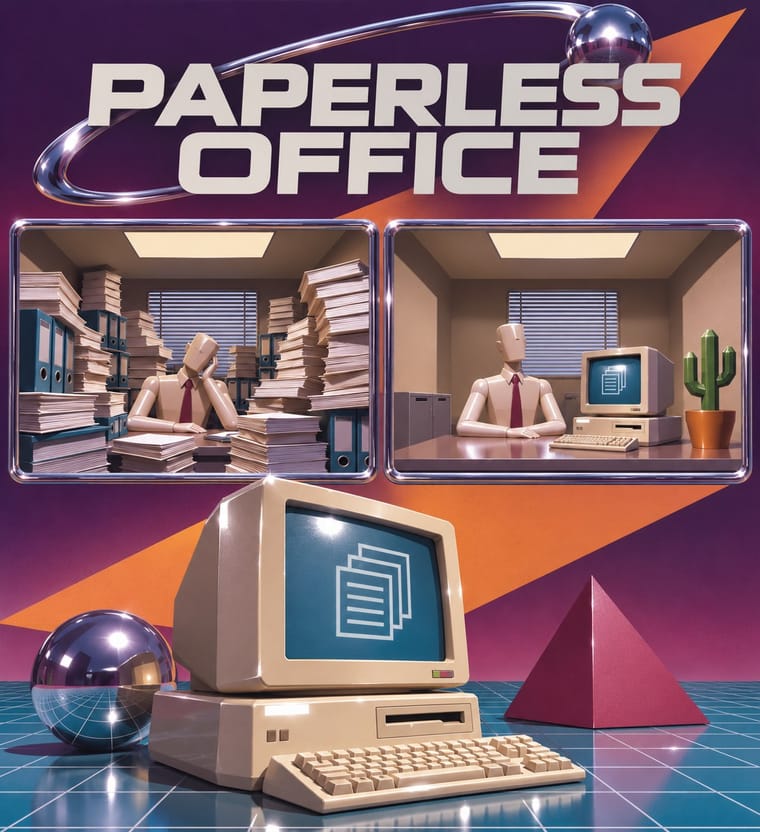
In Silicon Dreams (Early 3D Surrealism) -
04 · Bend reality
Exaggeration
Size or effect pushed far beyond reality to make the point.
Turns a claim into a picture; humour or alarm, depending on the subject.
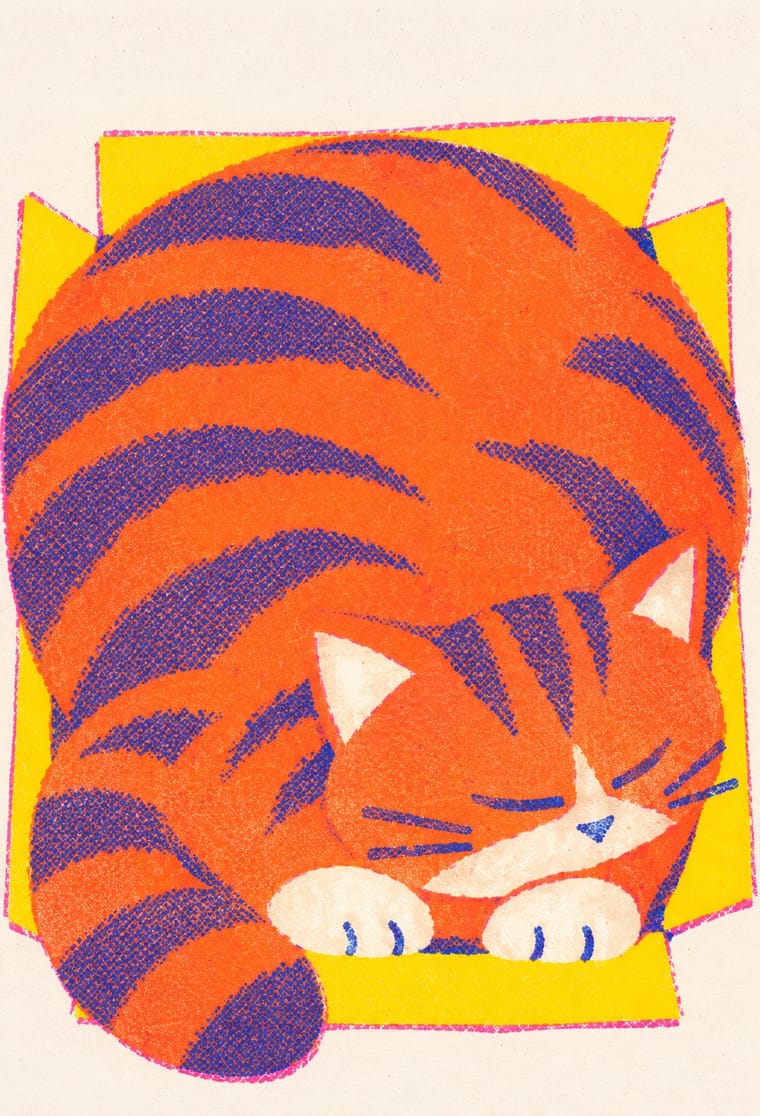
In Risograph Cats -
05 · Time and change
A leap in time
One ordinary scene shown years too late or too early, so the viewer judges the present from there.
Regret, legacy, consequence: makes a choice of today look the way it will look later.

In Food Pack Hero Photography (Serving Suggestion) -
06 · Time and change
Metamorphosis
One thing turns into another across the image, step by step.
Transformation, growth, cause and consequence in one picture.

In American Traditional Tattoo Flash -
07 · Words and pictures
Visual equation
Words or images joined by signs (=, +, ≠, →), so the relation between them is the message.
A hard, memorable claim: this causes that, this equals that.
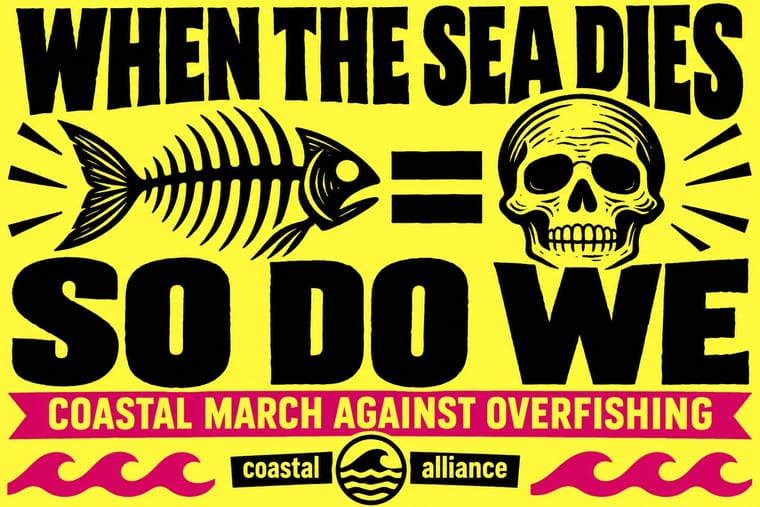
In Extinction Rebellion Graphics
Something else to argue
Where the claim comes from
- Jacob Goldenberg, David Mazursky & Sorin Solomon, “The fundamental templates of quality ads”, Marketing Science 18 (1999)
- Werner Gaede, Vom Wort zum Bild: Kreativ-Methoden der Visualisierung (1981)