Style combination · Pairs well
Bulaq Naskh Book Printing × Cairo–Beirut Arab Modernist Book
Wrap a sober, justified Naskh text block in a hand-lettered, illustrated cover printed in flat offset colour, so the inside reads as a classic and the outside as a modern Arab book.
Mix them and make something Bulaq Naskh Book Printing Cairo–Beirut Arab Modernist Book
01
What each style brings
Each part of the design comes from the style with the stronger say in it, and each style gives at least two.
Bulaq (Amiriyya) Naskh Book Printing Cairo–Beirut Arab Modernist Book & Periodical Design
- Type from Cairo–Beirut Arab Modernist Book
- Colour from Cairo–Beirut Arab Modernist Book
- Form from Cairo–Beirut Arab Modernist Book
- Composition from Bulaq Naskh Book Printing
- Surface from Bulaq Naskh Book Printing
02
The type
Open fonts standing in for each style’s own type, which is often hand-drawn or commercial.
Display · Cairo–Beirut Arab Modernist Book
Public
Rakkas, standing in for Hand-drawn Kufic-derived Arabic display lettering
Text · Bulaq Naskh Book Printing
The page of the Arabic printed book as Egypt's state press at Bulaq shaped it from 1822: justified blocks of black Naskh type on pale paper, often boxed in a ruled frame, with an ornamental headpiece on the opening page, headings set larger or in a second script such as Nastaʿlīq, and almost no pictures. It printed army manuals, laws, textbooks, translated science, the Arabic classics and the official gazette. Calligraphers drew its later types, Mirza Sanglakh and then Muhammad Jaʿfar, whose 1905–06 body type was the basis of the 1924 Qur'an and lives on as Khaled Hosny's Amiri.
Libre Caslon Text; Bulaq Naskh Book Printing used Bulaq (Amiriyya) Naskh body type, 1905–06, drawn by the calligrapher Muhammad Jaʿfar Bey and Bulaq Naskh and Nastaʿlīq types by the Persian calligrapher Mirza Sanglakh, made for Muhammad Ali's press
03
The colours
The ground and leading colours come from Cairo–Beirut Arab Modernist Book, with a counter-accent from Bulaq Naskh Book Printing. The ink reads on the ground at 4.5:1 or more.
Bulaq (Amiriyya) Naskh Book Printing Cairo–Beirut Arab Modernist Book & Periodical Design
-
#f0e6cfground · 36% -
#1c1a17ink · 14% -
#e1a930accent · 18% -
#7a5236accent · 14% -
#c4362caccent · 10% -
#cdbb93accent · 8%
As CSS
:root {
  --ground: #f0e6cf;
  --ink: #1c1a17;
  --accent-1: #e1a930;
  --accent-2: #7a5236;
  --accent-3: #c4362c;
  --accent-4: #cdbb93;
  --font-display: "Rakkas", cursive;
  --font-text: "Libre Caslon Text", serif;
}
Use it with care
Bulaq (Amiriyya) Naskh Book Printing: The press also set the Qur'an (the 1924 Cairo edition) and hadith collections such as the Sultaniyya Sahih al-Bukhari, and Bulaq-style Naskh and Amiri are still used for Qur'anic and religious text, so never crop, mirror or distort Qur'anic verses or the names of God and the Prophet, use them as texture, or put them on floors, footwear or throwaway packaging. Set Arabic right to left with correct contextual shaping, have every word read by a fluent reader, never fill a layout with pseudo-Arabic, and never present a generated page as a historical Bulaq imprint.
04
The two styles
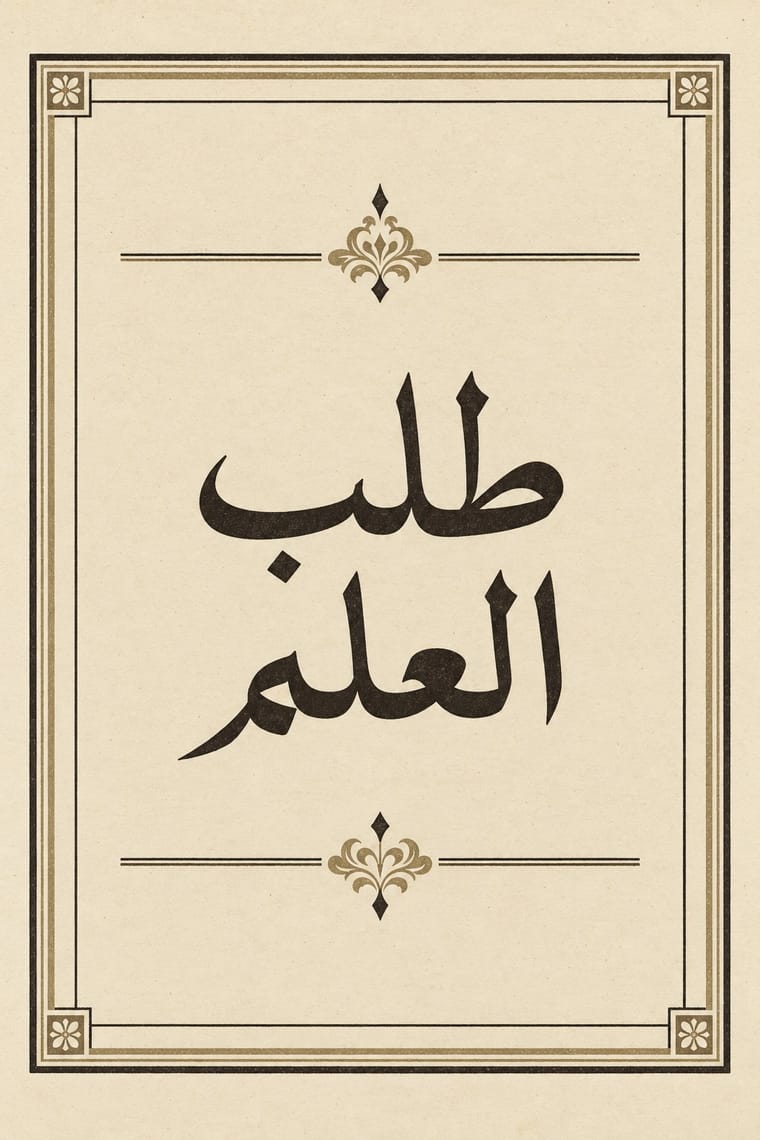
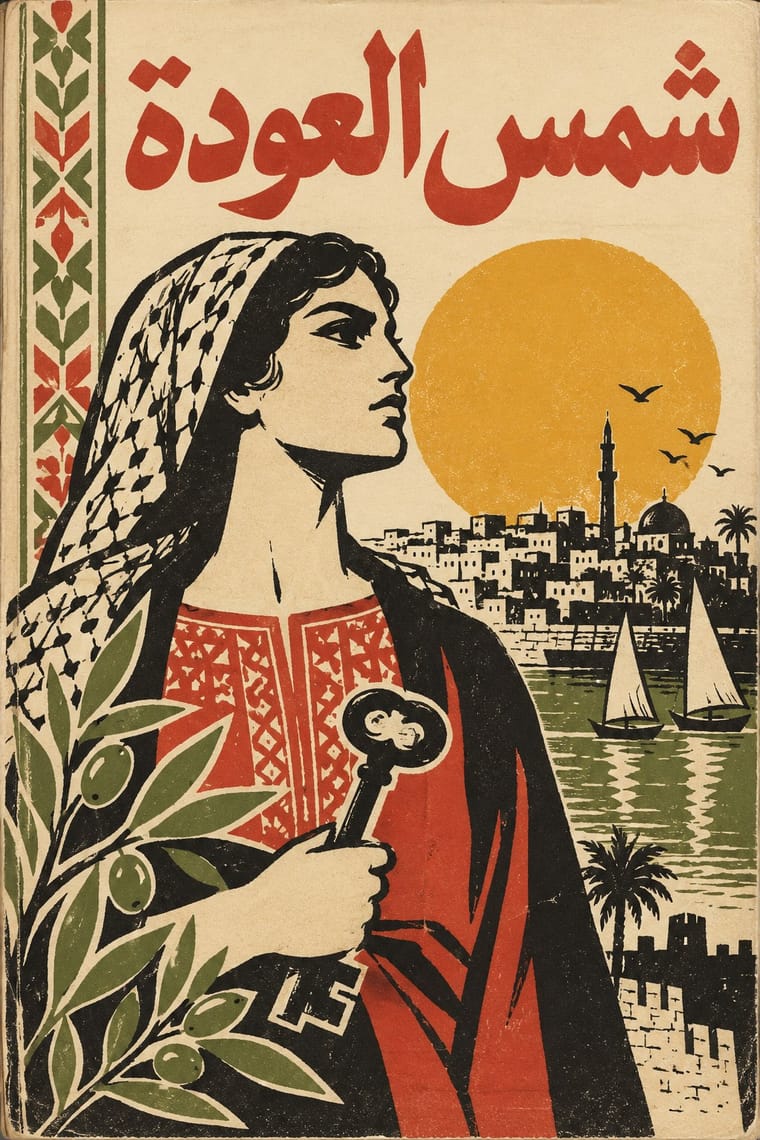
05
More combinations
With Bulaq Naskh Book Printing
- Neoclassical Book Typography Pairs well · In an Arabic–Latin edition, face a justified, rule-framed Naskh page with a centred transitional or Didone page; both make type, rules and margins the only luxury.
- Song–Ming Woodblock Book Typography (Songti / Mincho) Contrasts · Both turned a calligraphic hand into a type for long texts inside ruled frames, but Song–Ming squared the brush into equal vertical cells while Bulaq kept the joined, horizontal flow of Naskh; let a bilingual book show each logic in its own frame.
- Contemporary Arabic & Dual-Script Type Design Pairs well · Set long reading text in an Amiri-style calligraphic Naskh and use a low-contrast contemporary Arabic sans for headings, captions and screens, so each register does one job.
- Islamic Geometric & Calligraphic Tradition Pairs well · For a ceremonial edition, crown a plain Bulaq text page with one illuminated headpiece or geometric title frame from the manuscript tradition, and keep the text block itself sober.
- Urdu Katib Lithography Contrasts · Urdu kept the calligrapher's hand by lithographing it while Bulaq set Naskh in movable type; choose deliberately between a written page and a set one, or run set Naskh body text under a hand-written headline.
- Machine-Age Simplified Arabic Type Contrasts · The full calligraphic repertoire it gave up: a Bulaq-style Naskh title over simplified body text shows exactly what was traded for speed and economy.
- Nirnaya Sagar Devanagari Typography (Bombay Metal Type) Pairs well · Both turned a calligraphic hand into a book type for classics and scripture; in a multilingual edition, let an unframed Devanagari page with its apparatus face a rule-framed Naskh page.
With Cairo–Beirut Arab Modernist Book
- Push Pin Style Pairs well · Push Pin's revival of historic ornament and bold-contour drawing parallels el-Touni's 'ornament is no crime'; mix the two for eclectic, ornamented covers.
- Iranian Modernist Graphic Design Pairs well · Iran's Kanoon books and posters are the Persian counterpart; combine their stacked calligraphy with Arab folk borders for children's and cultural publishing.
- Corporate Identity Modernism Contrasts · The ornament-free corporate page is what el-Touni argued against; set a folk-bordered Arabic cover beside a strict grid to stage that debate.
- Arab Children's Comic Magazines (Samir to Majid) Pairs well · The same Cairo and Beirut artists (Ellabbad, Hegazi) drew for both: add its hand-drawn Kufic-derived titles, folk borders and spot colour to a magazine cover.
- Machine-Age Simplified Arabic Type Pairs well · Same cities and decades: hand-drawn Arabic titles and flat offset illustration give a warmer face to magazine and periodical pages whose body text was often set in simplified type (books were slower to accept it).
- Egyptian Painted Film Poster Pairs well · Combine the cinema poster's glamorous painted title with the book designers' rough line and folk borders for a Cairo identity that spans screen and print.