Style combination · Pairs well
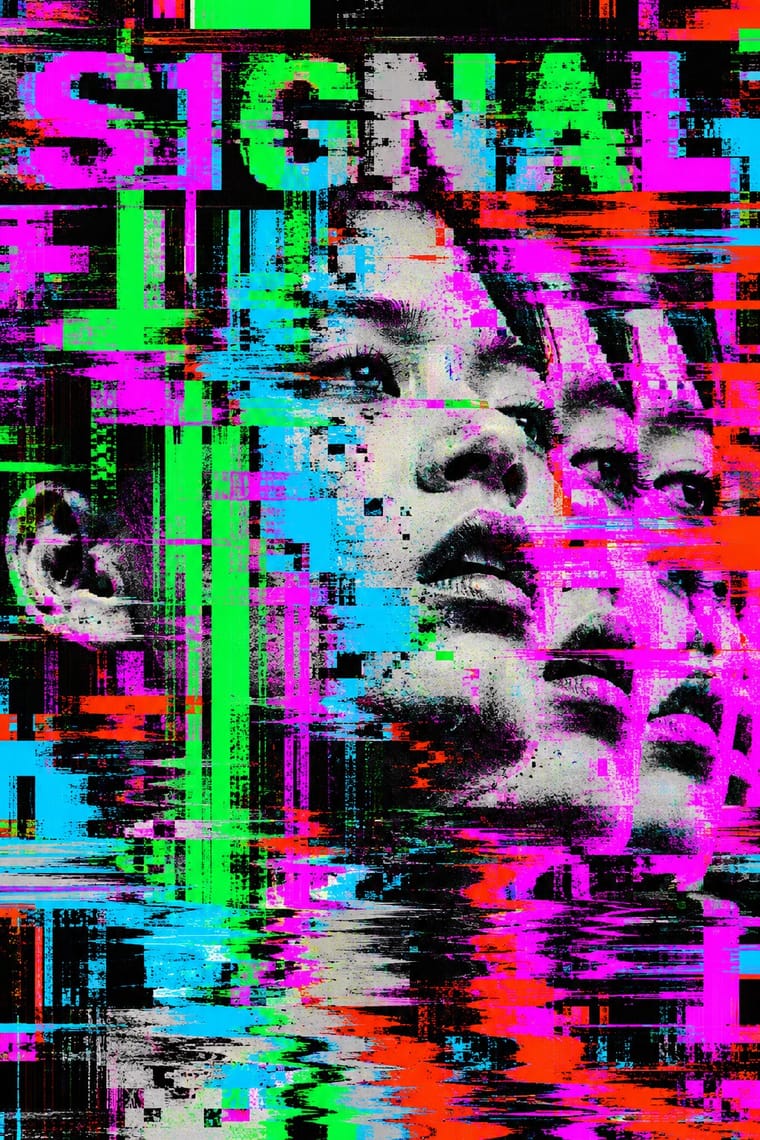
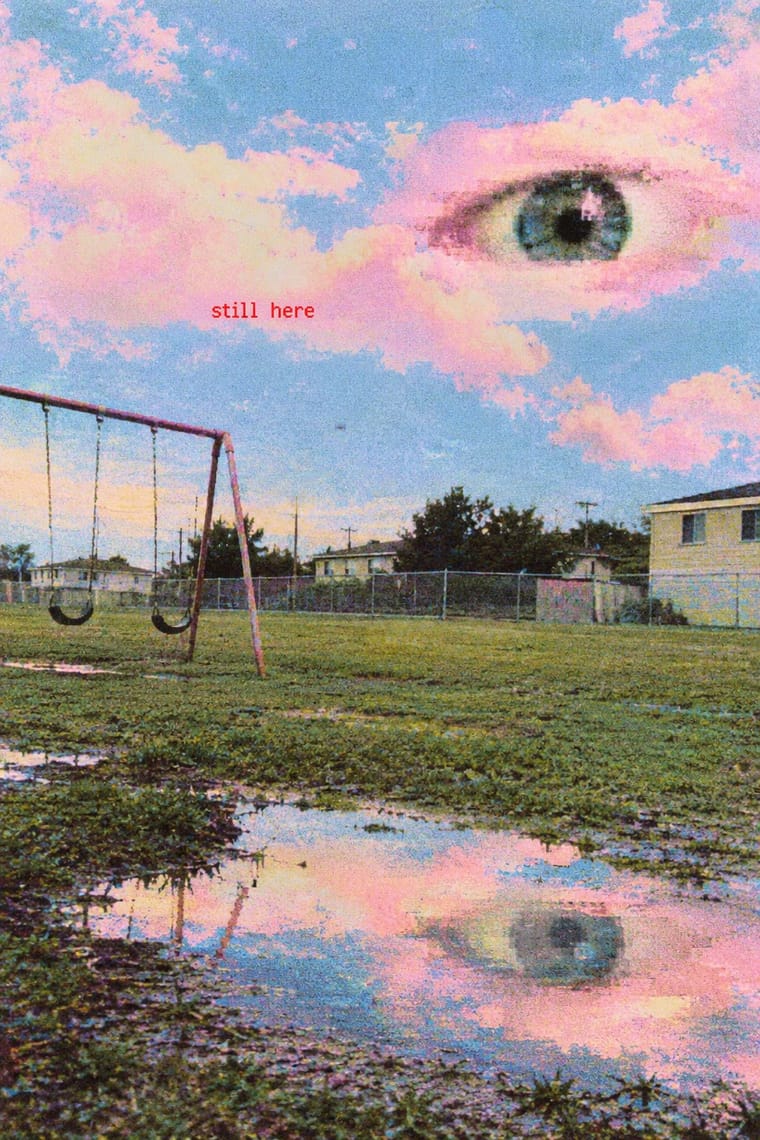
Glitch Art × Weirdcore
Borrow compression damage and an abrupt datamosh between two stills, but treat the damage as the decay of a memory rather than the subject of the work, and keep the rest of the snapshot readable.
01
What each style brings
Each part of the design comes from the style with the stronger say in it, and each style gives at least two.
Glitch Art & Datamosh Graphics Weirdcore & Dreamcore
- Type from Weirdcore
- Colour from Glitch Art
- Form from Glitch Art
- Composition from Weirdcore
- Surface from Glitch Art
02
The type
Open fonts standing in for each style’s own type, which is often hand-drawn or commercial.
Display · Weirdcore
Memory
Rock Salt, standing in for Words scrawled or broken across an abandoned landscape ('you were never meant to be her'), with misaligned elements and dated interface chrome (Creative Bloq, 2025)
Text · Glitch Art
An art and design practice that makes digital failure the picture. Artists deliberately corrupt image and video files or short-circuit hardware: they edit a JPEG's bytes (databending), delete a video's keyframes so one shot smears into the next (datamoshing) or sort pixels into streaks. Compression blocks, torn scanlines, shifted colour channels and raw code replace drawing, and the colour comes from the fault. Rosa Menkman and GLI.TC/H framed it as a critique of seamless technology; designers took it onto record sleeves and fonts, music videos onto MTV in 2009, and it became a stock filter.
Space Mono; Glitch Art used Raw file bytes opened as text (databending in a text editor) and Operating-system interface fonts caught in error messages and cascading windows, as in JODI's My%Desktop
03
The colours
The ground and leading colours come from Glitch Art, with a counter-accent from Weirdcore. The ink reads on the ground at 4.5:1 or more.
Glitch Art & Datamosh Graphics Weirdcore & Dreamcore
-
#0a0a0aground · 36% -
#00ff41ink · 14% -
#ff00ffaccent · 18% -
#ff0000accent · 14% -
#00e5ffaccent · 10% -
#cfc07aaccent · 8%
As CSS
:root {
  --ground: #0a0a0a;
  --ink: #00ff41;
  --accent-1: #ff00ff;
  --accent-2: #ff0000;
  --accent-3: #00e5ff;
  --accent-4: #cfc07a;
  --font-display: "Rock Salt", cursive;
  --font-text: "Space Mono", monospace;
}
Use it with care
Glitch Art & Datamosh Graphics: Glitch video and animated glitch effects often flicker: keep flashes to three or fewer in any one second, and be stricter with saturated red, to meet WCAG 2.3.1 and protect people with photosensitive epilepsy. Datamoshing and databending usually start from someone else's footage or photographs, so clear the rights before corrupting them for commercial work. When a datamosh or pixel-sort look follows a particular artist's process, credit it; the 2009 music videos overtook the artists who developed the technique.
Weirdcore & Dreamcore: Weirdcore's found snapshots are other people's photographs, often of real homes, schools and playgrounds (the Backrooms photo was a real shop interior in Wisconsin, identified only in 2024): shoot or license your own places, and leave identifiable children and private interiors out. Its makers describe it as built to unsettle, from 'existentialism and derealization' (Nylon, 2021) to an 'aesthetic that can cause a panic attack' (a @unttochable video quoted by i-D, 2021), so take care before aiming it at children or using it near mental-health subjects, and keep video cuts to three or fewer flashes a second (WCAG 2.3.1).
04
The two styles
05
More combinations
With Glitch Art
- Grunge Typography Contrasts · Grunge scanned in photocopier grain and dirt and layered type on the Mac; glitch art breaks the file and lets the codec make the damage. Pick analogue distress or digital failure deliberately rather than stacking both.
- Vaporwave Pairs well · Vaporwave uses glitch as one surface among busts, grids and pastel 3D; give a vaporwave video a real datamosh between its found clips so the smear comes from the file rather than a plug-in.
- Brutalist Web Design Pairs well · Both put the machinery on show; set corrupted images on a raw-HTML page of default fonts so the code and the broken pictures make one argument about the medium.
- Internet Ugly & Meme Vernacular Contrasts · Deep-fried memes also pile up JPEG damage, but as a joke for a crowd to copy; glitch art makes the damage its subject. Borrow the re-saving, not the punchline.
- Acid Graphics / New Ugly Contrasts · Acid graphics renders polished chrome and adds glitch as a finish; glitch art breaks the file and keeps what comes out. Decide whether a brief wants spectacle or exposure.
- Frutiger Aero Contrasts · Aero's glossy, seamless interface is the frictionless technology glitch art questions; corrupt one Aero-style screen to show what the gloss hides.
- International Typographic Style Contrasts · A clean Swiss grid is the perfect signal to break: tear one band of a strict layout sideways and let the rest stay legible as the reference.
- Witch House Graphics (Symbol Names and Haunted Web Imagery) Pairs well · Use channel displacement or compression damage to estrange a recognisable scene, but retain the symbol-name as the identity; the image need not become an abstract demonstration of file failure.
With Weirdcore
- Vaporwave Contrasts · Tanni's genealogy starts with vaporwave's spectral reuse of web imagery; vaporwave collages pastel consumer debris, busts and Japanese text with ironic luxury, while weirdcore empties the frame and drops the joke. Keep the found picture but swap the bust for a vacant playground to move from irony to unease.
- Early Web Vernacular Pairs well · Frame a weirdcore still in an old browser window, a default dialog box or a low-resolution GIF to make its debt to the amateur early web explicit; keep the window empty rather than crowding it with the early web's badges and counters.
- Internet Ugly & Meme Vernacular Contrasts · Both caption a crude found picture, but white Impact capitals ask for a laugh and a crowd to copy them; one small red lowercase line asks whether you are lost. Decide which the caption is for before choosing the picture.
- Lo-fi Anime Aesthetic Contrasts · Both are nostalgic online moods set to lo-fi music, but lofi paints a lived-in, occupied room that comforts; weirdcore photographs an empty one that watches back. Choose lofi for focus and calm, weirdcore when the brief wants disquiet.
- Hauntology & Ghost Box Design Contrasts · Both rebuild a misremembered past from found pictures and let nostalgia turn eerie, but Ghost Box designs the haunting: a Penguin-style grid, bold grotesque in a ruled band, a flat colour field and an institutional voice. Weirdcore drops grid, brand and author, and lets an anonymous snapshot and one small caption do it. Choose Ghost Box for an archival, designed eeriness and weirdcore for a found, amateur one.
- Surrealist Graphics Pairs well · Magritte's single displaced object in a calm, ordinary space is the grammar weirdcore remakes with snapshots and phone edits; study it so the one wrong thing (an eye, a door, a figure) feels placed rather than random.
- Analog Horror Graphics Contrasts · Both turn nostalgia into unease and share The Backrooms, but weirdcore is a still snapshot of an empty place with one small lowercase caption, while analog horror is a sequence of broadcast or tape fragments in an official voice and plain capitals. Choose the found image or the fake transmission.
- Yami-Kawaii (Sick-Cute) Contrasts · Uncanny low-resolution photography against polished, cute vector illustration.