Style combination · Contrasts
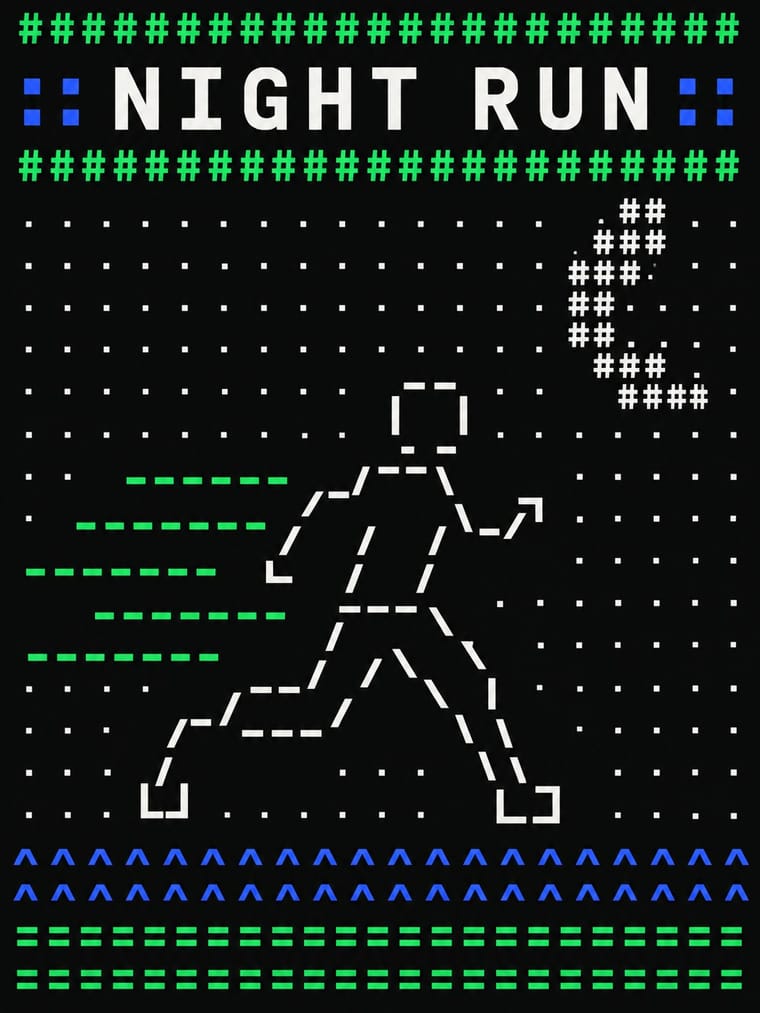
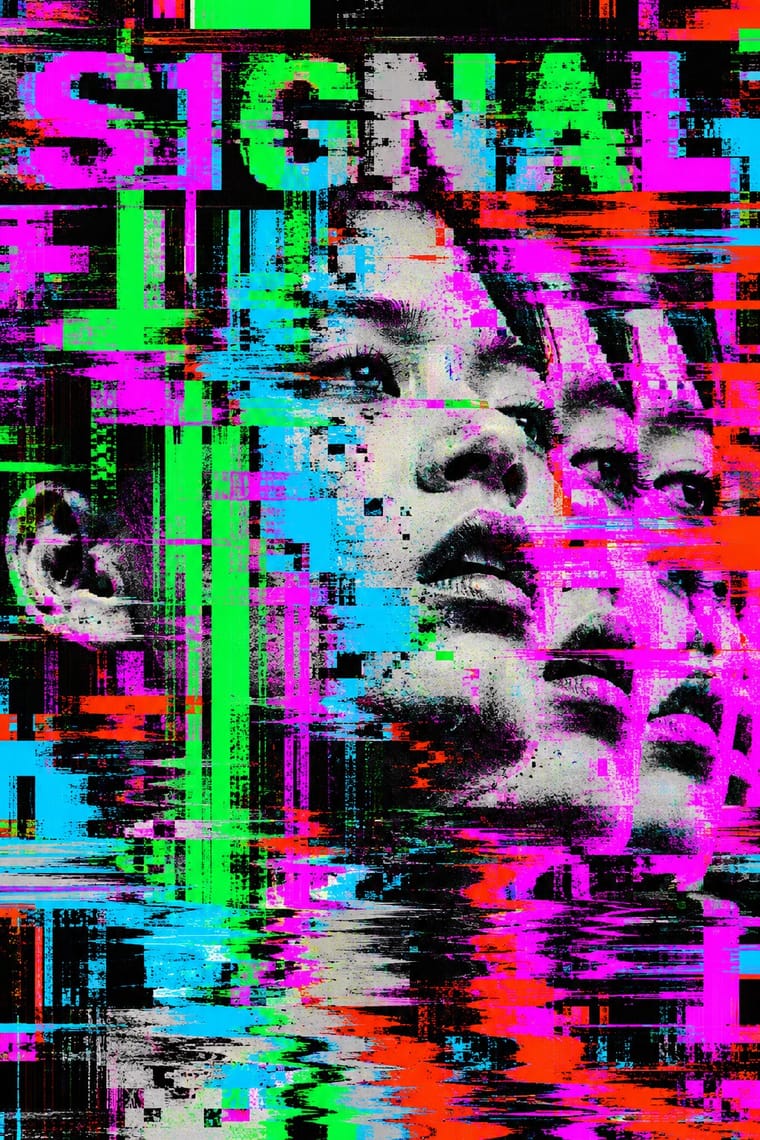
Contemporary ASCII × Glitch Art
Glitch needs visible failure; keep these pictures stable and precisely composed.
01
What each style brings
Each part of the design comes from the style with the stronger say in it, and each style gives at least two.
Contemporary ASCII & Character-Grid Graphics Glitch Art & Datamosh Graphics
- Type from Contemporary ASCII
- Colour from Contemporary ASCII
- Form from Glitch Art
- Composition from Contemporary ASCII
- Surface from Glitch Art
-
Contemporary ASCII avoids glitch: this is where the two pull against each other, which is the point of the contrast.
02
The type
Open fonts standing in for each style’s own type, which is often hand-drawn or commercial.
Display · Contemporary ASCII
Circuit
Inter Tight, standing in for Neue Haas Grotesk (Oxide's primary face)
Text · Glitch Art
An art and design practice that makes digital failure the picture. Artists deliberately corrupt image and video files or short-circuit hardware: they edit a JPEG's bytes (databending), delete a video's keyframes so one shot smears into the next (datamoshing) or sort pixels into streaks. Compression blocks, torn scanlines, shifted colour channels and raw code replace drawing, and the colour comes from the fault. Rosa Menkman and GLI.TC/H framed it as a critique of seamless technology; designers took it onto record sleeves and fonts, music videos onto MTV in 2009, and it became a stock filter.
Space Mono; Glitch Art used Raw file bytes opened as text (databending in a text editor) and Operating-system interface fonts caught in error messages and cascading windows, as in JODI's My%Desktop
03
The colours
The ground and leading colours come from Contemporary ASCII, with a counter-accent from Glitch Art. The ink reads on the ground at 4.5:1 or more.
Contemporary ASCII & Character-Grid Graphics Glitch Art & Datamosh Graphics
-
#0b0d0cground · 36% -
#f2f2eeink · 14% -
#2d5bffaccent · 18% -
#ff00ffaccent · 14% -
#2fe36baccent · 10% -
#00e5ffaccent · 8%
As CSS
:root {
  --ground: #0b0d0c;
  --ink: #f2f2ee;
  --accent-1: #2d5bff;
  --accent-2: #ff00ff;
  --accent-3: #2fe36b;
  --accent-4: #00e5ff;
  --font-display: "Inter Tight", sans-serif;
  --font-text: "Space Mono", monospace;
}
Use it with care
Glitch Art & Datamosh Graphics: Glitch video and animated glitch effects often flicker: keep flashes to three or fewer in any one second, and be stricter with saturated red, to meet WCAG 2.3.1 and protect people with photosensitive epilepsy. Datamoshing and databending usually start from someone else's footage or photographs, so clear the rights before corrupting them for commercial work. When a datamosh or pixel-sort look follows a particular artist's process, credit it; the 2009 music videos overtook the artists who developed the technique.
04
The two styles
05
More combinations
With Contemporary ASCII
- Demoscene Graphics (Cracktros, Demos & Text-Mode Art) Pairs well · Possible kin (a hypothesis, not a verified lineage): text-mode lettering and logo culture, minus the chrome and raster bars.
- Bitmap & Pixel Graphics Contrasts · Also monospaced, gridded and flat, but this builds tone and outlines from glyph density, not pixel-square icons.
- Generative & Dynamic Identities Pairs well · Let code vary the character fields while keeping the identity fixed.
- International Concrete Poetry and Typewriter Typestracts Contrasts · Character-grid pictures built for screens contrast with poem-pages that need no subject.
With Glitch Art
- Grunge Typography Contrasts · Grunge scanned in photocopier grain and dirt and layered type on the Mac; glitch art breaks the file and lets the codec make the damage. Pick analogue distress or digital failure deliberately rather than stacking both.
- Vaporwave Pairs well · Vaporwave uses glitch as one surface among busts, grids and pastel 3D; give a vaporwave video a real datamosh between its found clips so the smear comes from the file rather than a plug-in.
- Brutalist Web Design Pairs well · Both put the machinery on show; set corrupted images on a raw-HTML page of default fonts so the code and the broken pictures make one argument about the medium.
- Internet Ugly & Meme Vernacular Contrasts · Deep-fried memes also pile up JPEG damage, but as a joke for a crowd to copy; glitch art makes the damage its subject. Borrow the re-saving, not the punchline.
- Acid Graphics / New Ugly Contrasts · Acid graphics renders polished chrome and adds glitch as a finish; glitch art breaks the file and keeps what comes out. Decide whether a brief wants spectacle or exposure.
- Frutiger Aero Contrasts · Aero's glossy, seamless interface is the frictionless technology glitch art questions; corrupt one Aero-style screen to show what the gloss hides.
- International Typographic Style Contrasts · A clean Swiss grid is the perfect signal to break: tear one band of a strict layout sideways and let the rest stay legible as the reference.
- Witch House Graphics (Symbol Names and Haunted Web Imagery) Pairs well · Use channel displacement or compression damage to estrange a recognisable scene, but retain the symbol-name as the identity; the image need not become an abstract demonstration of file failure.